To help us provide you with free impartial advice, we may earn a commission if you buy through links on our site. Learn more
- Reasonably priced
- Nice minimalist design
- Good battery life
- Not compatible with the charging case
- Pressure sensor could be more sensitive
Suri’s approach to dental care has proved very popular over the past few years. With its flagship brush, the brand ditched smart tech, app connectivity and other superfluous features and instead put sustainability and simplicity first. What resulted was a sonic toothbrush that looks and feels well-made, is easy to use and – crucially – works well. If it sounds like I’m a fan of the Suri toothbrush, it’s because I am: in fact, the Suri 2.0 was my favourite toothbrush of last year, winning ‘Electric Toothbrush of the Year’ in our Product of the Year Awards 2026.
However, at £85 (or £105 bundled with its USB-C charging case) the Suri 2.0 isn’t the cheapest option, particularly when you consider its rather basic feature set. With this in mind, the brand’s latest launch seems well-timed. The Core 1.0 is the brand’s entry-level toothbrush. It looks almost identical, but sacrifices some of the more premium aspects of the Suri 2.0 (now renamed the Suri Pro 2.0).
I’ve been testing it over several weeks and while I miss some of the additional touches you get with the Pro 2.0, the Core 1.0 offers a comparable brushing experience, a good clean and surprisingly impressive battery life.
Suri Core 1.0: What you need to know
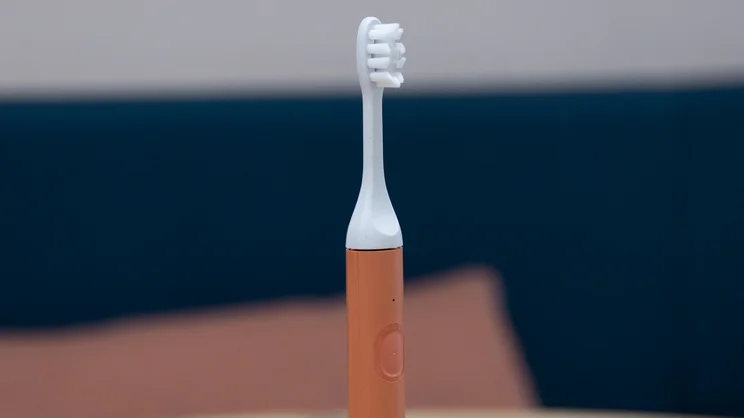
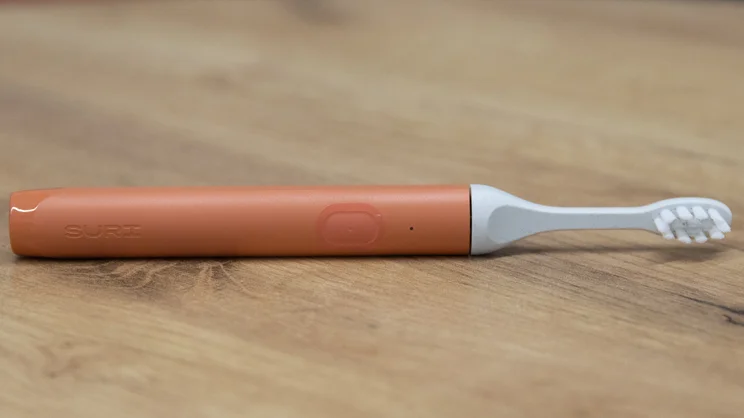
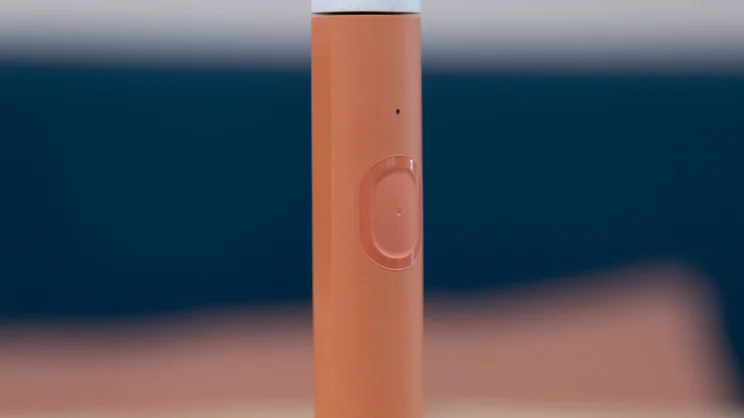
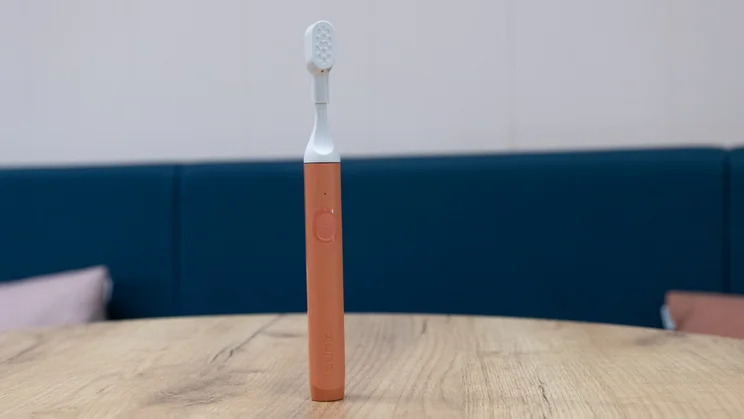
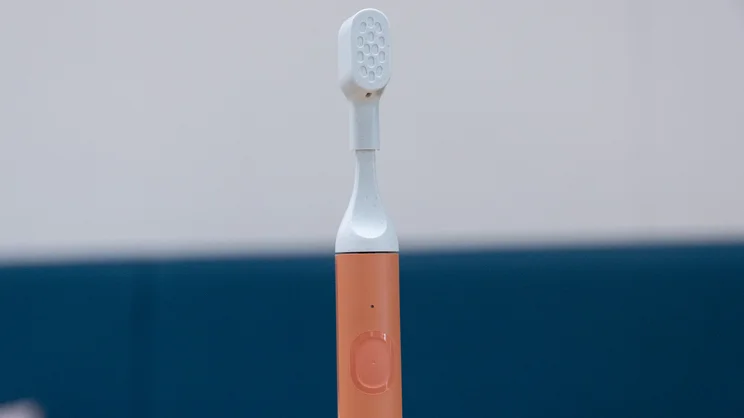
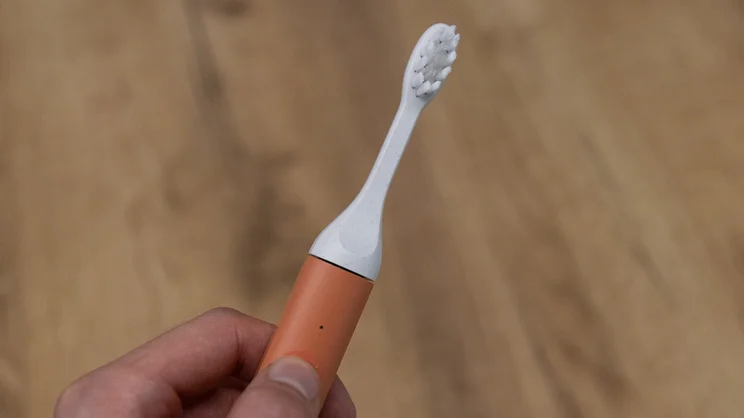
The Suri Core 1.0 costs £65, which is £20 cheaper than the Pro 2.0 (brush only), or £40 cheaper than the Pro 2.0 bundled with its charging case. Like Suri’s flagship, the Core is a sonic electric toothbrush with a minimalist design, with just one button to switch it on and off, toggle brush modes and activate travel lock.
While the Pro’s brush handle is made from aluminium, the Core’s is made from 90% “bio-circular” material. To cut through the jargon, this is plastic manufactured using waste materials such as used cooking oil, as opposed to petroleum-based plastics. As well as reducing reliance on fossil fuels, Suri’s bio-circular plastic is easier to recycle – according to the brand – either “in existing waste material recycling streams by us or at your nearest WEEE recycling point”.
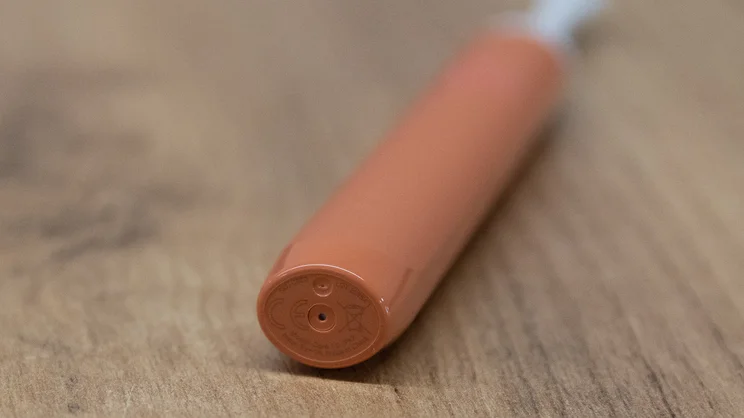
As for colour options, the Core is available in green (Haze), orange (Ember), blue (Nightfall) and grey (Moonrise).
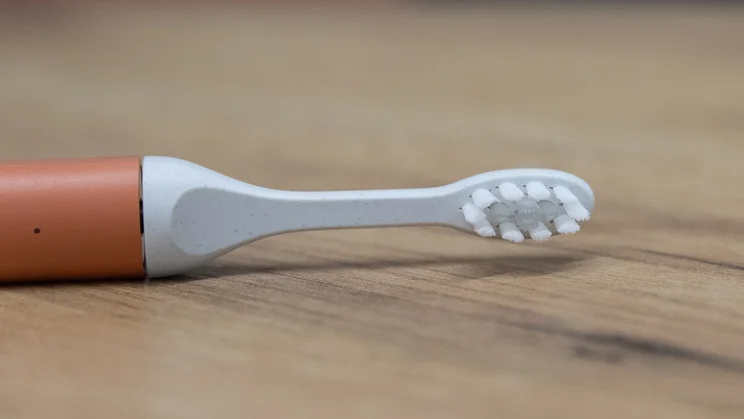
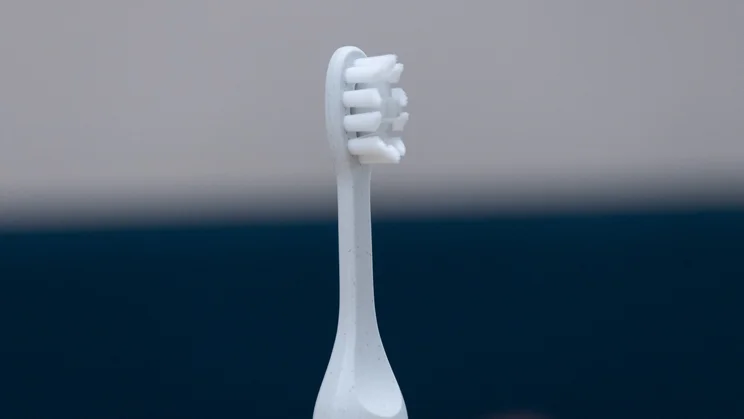
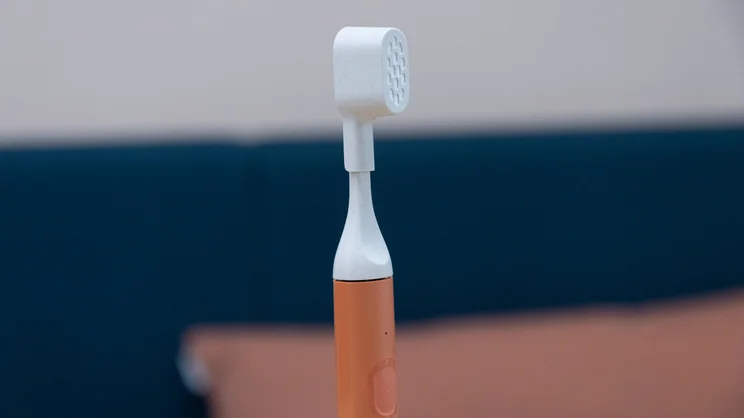
The Core’s plant-based brush heads are identical to those for the Pro brush, save for a more limited colour choice. While the latter offers a range of colour choices to match the brush handle, the brush heads for the Core are available in the white “sea mist” colour only. That said, given they seem to be identical (and, having put this to the test, I can verify that they are indeed interchangeable), there’s no reason you couldn’t buy a set of Suri Pro 2.0 heads to fit the Core. Both types are also the same price: £15 for a pack of three.
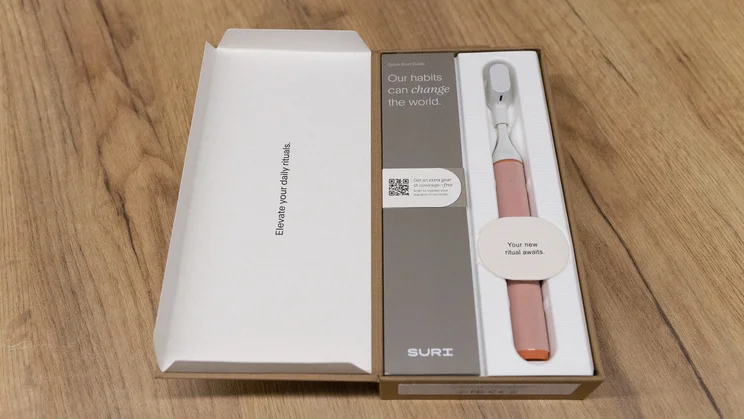
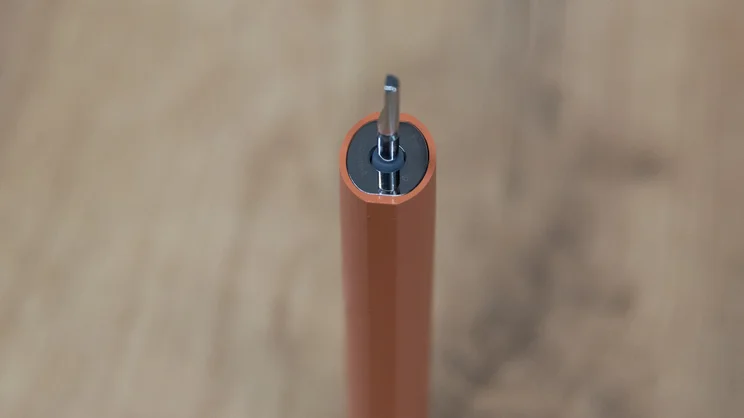
In terms of additional accessories, the Core comes with a wireless charging stand, magnetic wall mount and a brush head cover. There is no UV charging case available for it like there was for the Pro, and for those hoping the new brush will fit in that case, prepare to be disappointed. I was a big fan of this case when I reviewed the Suri Pro 2.0, so it’s a real shame the brand didn’t design the Core to be compatible.
What features does it have?
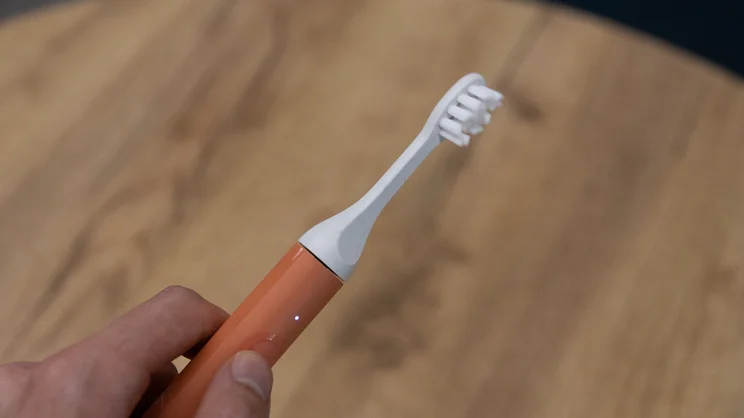
The Suri Core 1.0’s features mirror those of its flagship predecessor. You’ve got two brushing modes: a “gentle clean” and a slightly more intense “deep clean”, indicated by white and blue lights respectively. Both modes operate on a two-minute timer, with gentle pulses every 30 seconds to indicate when you should move to a different quadrant of your mouth.
The brush also has a pressure sensor (it pulses rapidly when you brush too hard), and a travel lock activated by holding down the power button.
There’s not much else to add. As with the Pro, there are no smart features nor an app with which to track your brushing performance or control the brush remotely. What you see is what you get.
How I tested the Suri Core 1.0
I test electric toothbrushes through daily use over several weeks. During this time I take note of how easy they are to use, how comfortable they are and how clean my teeth feel after brushing – ensuring I make use of the toothbrush’s full range of features.
I test the strength of a toothbrush’s battery life by running it continuously from a full charge, counting how many two-minute brushing sessions it completes before it dies. And to get a gauge of how well the brush cleans my teeth, I use plaque disclosing tablets: these temporarily stain the teeth, highlighting areas red or blue to indicate the presence of new or existing plaque.
By chewing one of these after brushing my teeth, I’m able to see how well the brush performed, taking into account my own brushing quality as well as that of the brush.
What’s it like to use?
The Suri Core 1.0 is wonderfully easy to use, thanks to its minimalist design and features. There aren’t loads of settings to decipher or toggle through awkwardly. Simply tap the button to start the brush, or tap it twice to switch between the brush modes. When the timer is up, the brush will stop itself, but you can also stop it with the button if you wish.
As with the Pro, the gentle mode was a little too gentle for me, so I’ve been exclusively relying on the deep clean mode. This makes for a very comfortable brush, which never feels too aggressive – unlike, for instance, the stronger settings on the Laifen Wave Pro that I recently reviewed.
The brushing experience of the Suri Core and Pro toothbrushes feels similar. To gauge just how similar, I tried using them back-to-back: both feel comfortable and lightweight in the hand; and the marginal difference in size and weight (the Suri Pro 2.0 weighs 78g and is a fraction taller than the Core 1.0, which weighs 69g) is imperceptible once the brush is in your mouth.
One area in which the Suri Core 1.0 could improve, however, is its pressure sensor, which I’d argue needs to be slightly more sensitive. At times, I really had to make an effort to set it off.
How well does it clean?
Not only is the Suri Core 1.0 comfortable to use, but it also provides a good clean. The brand recommends brushing with gentle circular motions – rather than scrubbing aggressively – and my teeth have felt smoothly polished with very few fuzzy-feeling areas where plaque has lingered. Again, I’ve been relying on the deep clean setting here, as anything gentler feels just a little insufficient.
My disclosing tablet tests also suggested good coverage with the Core. There were just a few spots missed, mostly in the corners and particularly around areas I am prone to neglecting, such as the upper left-hand side. I should also note that I skipped my regular evening floss when I carried out these tests, which I wouldn’t normally do.
What’s the battery life like?
The Core’s battery life is excellent. Suri quotes up to 28 days, while the Pro is designed to last up to 34 days.
In my battery rundown tests, I ran the Core continuously at its gentlest “daily clean” setting, keeping a tally of how many two-minute brushing sessions it completed before the battery died. The result was 97 brushing sessions, which equates to 194 minutes (a little over three hours) or 48 days of brushing.
Surprisingly, these were even better results than the ones recorded when I reviewed the Suri Pro 2.0, which managed 70 brushes (140 minutes, or 35 days).
Of course, the brush’s battery life will deplete quicker through daily use compared to my “no load” battery rundown tests, which don’t take into account pressure on the teeth. Preferring to gauge the Core 1.0’s maximum battery life, I also didn’t test it on the stronger deep clean setting. Nevertheless, these were surprisingly impressive results.
Should you buy the Suri Core 1.0?
I’m a big fan of Suri’s approach to electric toothbrush design, and the Suri Core 1.0 is a great brush in the same ways that the Pro 2.0 is. The question is whether it’s ever worth opting for the former over the latter.
Personally, I like the charging case and aluminium body enough that the Pro is the brush I’ll be returning to after this review is done. That said, by opting for the Core instead of the fully specced flagship, you’re saving yourself £40 – or £20 if you’re comparing the brush-only prices: not a huge amount of money, but not insignificant either.
Considering how similar the brushing experience is, not to mention its equally impressive battery life, the Suri Core 1.0 is a fantastic budget companion to the Suri Pro 2.0 that certainly doesn’t feel like it’s cutting many corners for the sake of saving you some cash. If you’ve been pining after a Suri brush for some time but are struggling to justify the cost, this is a great alternative.