To help us provide you with free impartial advice, we may earn a commission if you buy through links on our site. Learn more


- Excellent motion isolation
- Decent temperature regulation
- Ideally suited to side and back sleepers
- Hot sleepers might want to avoid all-foam mattresses
- Edge support is lacking when sitting on the bed
- No carry handles
Most people by now have at least heard of Tempur. The brand is widely considered to be the first to incorporate NASA’s cushioning material (originally developed in the 1960s for use in space shuttles) into its mattresses.
Tempur is renowned for making some of the best mattresses around, but the brand has an equally strong reputation for high price tags. For instance, the Tempur Pro SmartCool mattress will set you back as little as £2,099 for a double.
On the other hand, the Tempur Ease range is the brand’s option for those on a – comparatively – smaller budget, with a double starting at £1,099. That’s a grand cheaper, but there’s still no getting away from the fact that this is a pricey mattress. Still, if your heart is set on that famous Tempur feel, this is your cheapest option. But is the Tempur Ease worth investing in? I slept on it to find out.
Tempur Ease Mattress: What you need to know
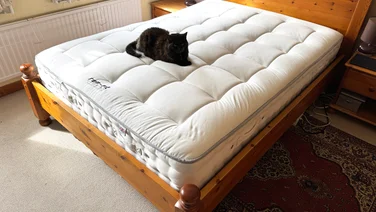
Tempur mattresses arrive flat and all mattresses ordered online get free delivery and installation. The delivery team will take your mattress and put it on your bed frame ready for use, removing the plastic packaging and taking it away. As I test a lot of mattresses, I wanted to remove said packaging myself to see if there was any off-gassing smell, which commonly occurs with bed-in-a-box mattresses that have been vacuum sealed. I did notice that the Tempur Ease did have a slight smell, but this faded after a day and certainly wasn’t comparable with the strong smell you can get from some rolled mattresses.
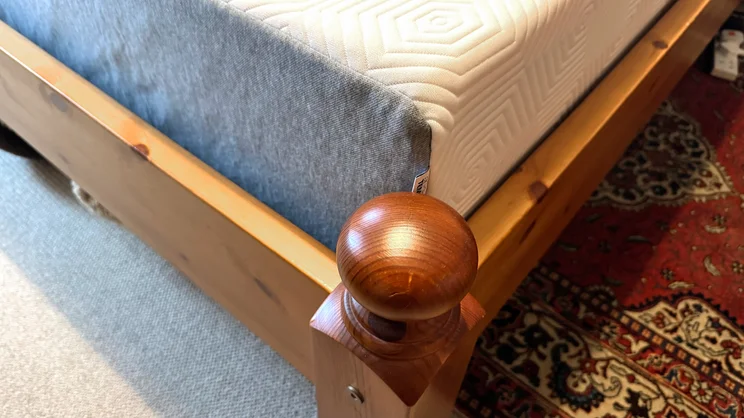
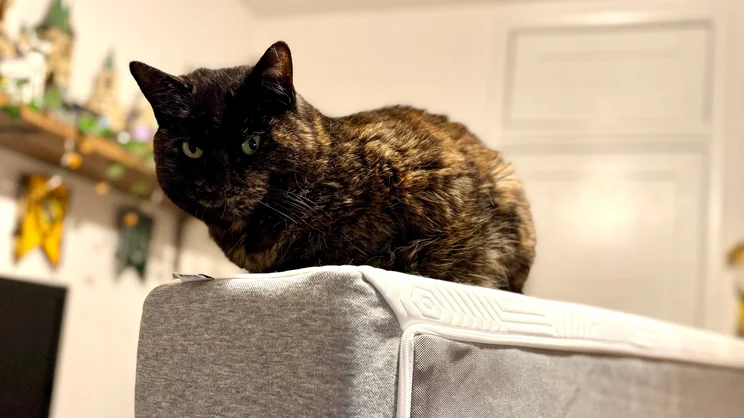
I’ve had a bit of a run of mattresses being delivered flat recently, with both the Slumberland Air 6.0 Memory mattress and the REM-Fit Natural Luxe Hybrid arriving this way, and it does make life easier for the most part. You can have everything set up for you in your bedroom and don’t need to wait for it to expand. However, one big drawback with the Tempur Ease is that it doesn’t have any handles. You’ll want to rotate your mattress regularly to keep it in top condition, so this is irritating. It’s not the heaviest mattress on the market, but I do find handles make it far easier to shift things around when needed.
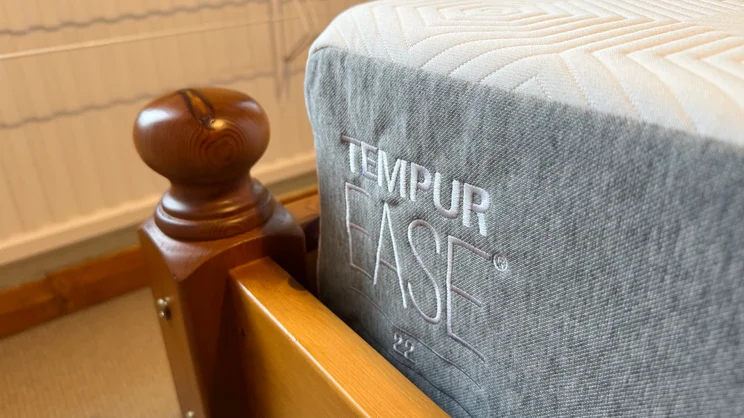
Another thing to note about the Tempur Ease is that it’s not available in a standard single size. The brand offers a small single and a long single, but the standard is conspicuously absent. You can, however, pick from normal double, king and super king options. The Tempur Ease is also available in three different mattress depths of 20, 22 and 25cm: apart from the latter option, these feel quite slimline compared to many rival mattresses. I tested the 22cm deep option and, having been sleeping on the 33cm Slumberland mattress I mentioned above, the Tempur did feel very low to the ground. But, this didn’t detract from its comfort.
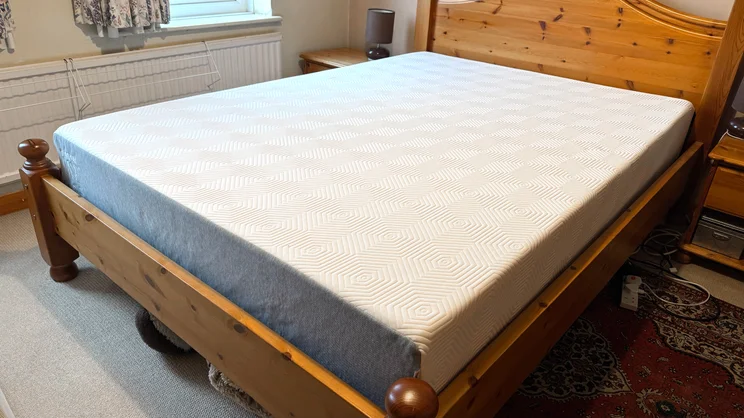
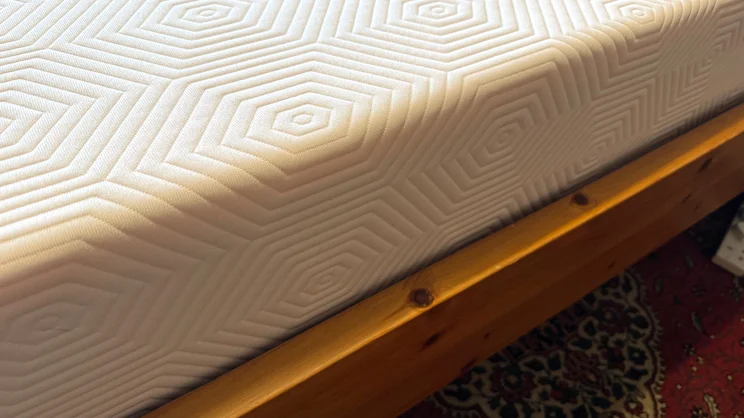
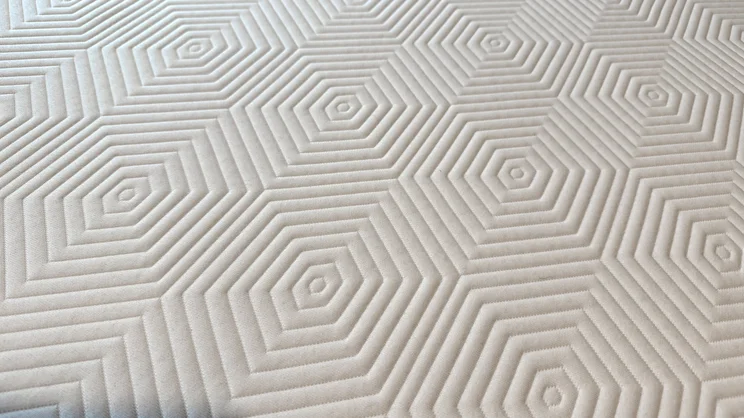
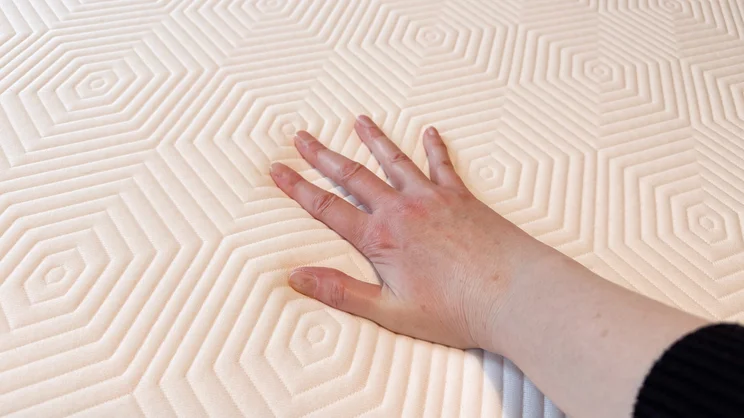
In terms of its design and construction, the Tempur Ease isn’t too complicated. The mattress has a removable cover that’s washable at 30°C (although we’d still always recommend using a mattress protector). Underneath this is a layer of the brand’s “Tempur Adapt” material, which is a viscoelastic memory foam designed to contour to the body and relieve pressure. Finally, there’s a layer of base foam to keep the mattress supported and stable on your bed frame. And that’s it. You’ll also get a 100-night trial and 10-year guarantee. Both of these are perfectly acceptable but I can’t help feeling that a premium brand such as Tempur should be a bit more generous here – especially when you consider that cheaper options such as the Nectar Mattress come with a year-long trial and lifetime warranty.
Price and competition
While this is arguably the brand’s “entry level” option, the Tempur EASE is still a pricey mattress. At full price, a small single (20cm deep) starts at £799, with prices rising for the thicker options. The most expensive, a 25cm super king, will set you back a cool £1,599.
Pricewise, the Tempur Ease is in line with some of our favourite mattresses: the Simba Hybrid Pro, for instance, retails at £1,199 for a Double, while the Emma Original Elite (previously called the Hybrid Airgrid) is a smidge cheaper at £1,099. Alternatively, one of our favourite budget options, the Origin Hybrid, can be had for just £477 in a double, while all-foam mattresses such as the aforementioned Nectar Mattress retails for £499.
It’s worth noting that, at the time of writing, Tempur is offering its mattresses at a discount. The 22cm-deep double that I tested is currently reduced by £100 and you’ll also get two free pillows and a mattress protector included. However, compared to the regular promotional sales offered by bed-in-a-box brands, Tempur discounts are few and far between, so it’s worth keeping an eye on the website to see what’s on offer – particularly during peak deals periods such as Black Friday and the new year.
Comfort and performance
Before I go any further, I’ll mention a caveat. I have a huge dislike of mattresses that contour around me. They make me feel trapped and, for this reason, I usually avoid all-foam mattresses like the plague. However, I was happy to give the Tempur Ease a go. Now, there’s no getting away from the memory foam’s contouring feel, but as the Ease is a little firmer (Tempur labels it as “medium firm” on its website), this wasn’t as unpleasant as I expected. In fact, I’d go so far as to say that this is one of the best mattresses for side sleepers I’ve tested, with the mattress doing a fantastic job of cradling the hips and shoulders while still offering plenty of support.
While I’d argue it’s well-suited to the vast majority of side and back sleepers, lightweight side sleepers may find it a tiny bit too firm. That said, I am a bit of an oddity, being a lightweight sleeper that prefers a firmer bed. And for this reason, I found the mattress a tiny bit too soft under my lumbar region when lying on my back. However, I did find that the mattress did an excellent job of soothing aches and pains, thanks to the contouring combined with good support underneath from the base foam. Lightweight and average weight stomach sleepers might also enjoy the mattress as there’s plenty of support to keep their hips lifted and aligned.
One of my friends sleeps on an older Tempur mattress so I asked her to come and try the Ease out. She agreed with me that it wasn’t as soft as her existing mattress, with less sinkage and contouring, but agreed that it was ideally suited for side and back sleeping.
Another area in which the Tempur Ease excels is motion isolation. An all-foam mattress is particularly suited to restless sleepers, as there are no springs for added ‘bounce’. I couldn’t feel my husband moving about at all, even when he did his impression of a flailing walrus on land whilst asleep.
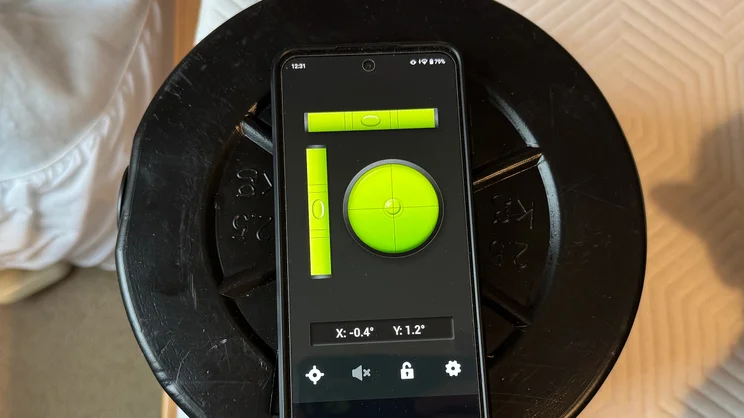
I also ran some tests on the Tempur Ease (see our how we test mattresses article for full details), starting with our sinkage tests and using a stack of 2.5kg weights to measure deflection. With 10kg of weights on the bed, sinkage at around shoulder height was just 5mm. This might seem strange, but you need to remember that the Tempur Ease has no layers of padding at the top like you’ll find on hybrid mattresses. Instead, the layer of Tempur Adapt foam spreads the weight out across the mattress, which means minimal sinkage when lying on it. Repeating this exercise at the edge of the mattress gave an equally impressive result of a 6mm sink with 10kg of weights. When I was lying on the bed, I felt the edge support was very impressive, less so when I sat on the edge of the bed. And because the mattress is all-foam, I didn’t feel as supported as I would have done with a hybrid or innerspring mattress, It’s also worth pointing out that memory foam absorbs body heat, softening as it gets warmer, so real-use sinkage is likely going to be more than our weight tests suggested.
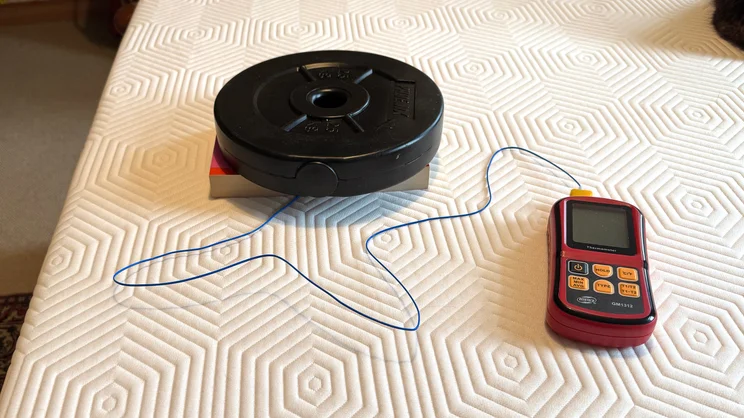
This same heat absorption often makes all-foam mattresses a no-go for hot sleepers, and I ran tests on the Tempur Ease mattress to see how it would fare in the temperature regulation department. For context, I tested the mattress during winter, where room temperature was 19.4°C. My body temperature test saw the temperature drop from 30°C to 22.6°C after three minutes, reaching 22.1°C after 10 minutes. When testing with a heat pad, I measured a drop from 50°C to 27.2°C after three minutes and to 24.8°C after 10 minutes. As you might expect, these results didn’t reflect those of the “cooling” mattresses I’ve tested, such as the Dreams TheraPur ActiGel Glacier 3800 mattress, but they were impressive for an all foam option. In real world testing, my hot sleeping husband didn’t feel uncomfortably warm on the Tempur, but we did notice the foam trap heat as it softened over time. While its temperature regulation is impressive for a mattress made entirely of foam, I wouldn’t recommend it to really hot sleepers – and I can’t yet comment on how it would fare during the hotter months.
Verdict
I think the Tempur Ease will have a lot of fans, particularly amongst those who have always lusted after the brand but been unable to afford its high price tags. There’s a lot to like about this mattress: it’s comfortable, more supportive than I expected, and I think a lot of side sleepers in particular will find it well-suited to their preferences.
However, just because it’s a cheaper Tempur option, doesn’t make it a cheap mattress. It’s still a very expensive option and, if you’re not a fan of contouring foam, it’s probably not the best option for you. But if you do enjoy that weightless feel with supportive foam contouring to your pressure points, the Tempur Ease could be a winner.