To help us provide you with free impartial advice, we may earn a commission if you buy through links on our site. Learn more
- Comfortable
- Fantastic battery life
- Good mid-range clarity
- No wear detection
- Disappointing Aware mode
- Poor microphone quality
The Philips H8000E seek to emulate the first pair of headphones I tested for Expert Reviews, the Philips PH805. Those over-ear headphones offered all of the key features that their chief rivals at the time did, but incorporated them into a more cost-effective package.
Philips has got the price right again here, and it’s also nailed things in the comfort, battery life and sustainability departments. However, with so many capable options now available for similar money, the H8000E aren’t quite the home run the PH805 were six years ago.
That said, they’re still a solid mid-range choice. They may not excel in any of the more glamorous areas – bumper battery life is their biggest asset – but they tick several boxes and do so at an appealing price.
What do you get for the money?
The Philips H8000E cost £130, which isn’t much for a pair of noise-cancelling headphones with their specification. Those specs include support for Bluetooth 5.4, multipoint pairing with two devices, and Auracast. Until public venues start using Auracast, this remains an inclusion most people won’t ever use.
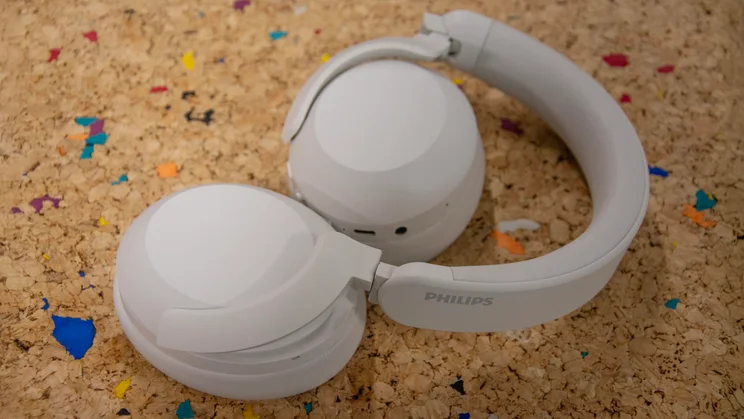
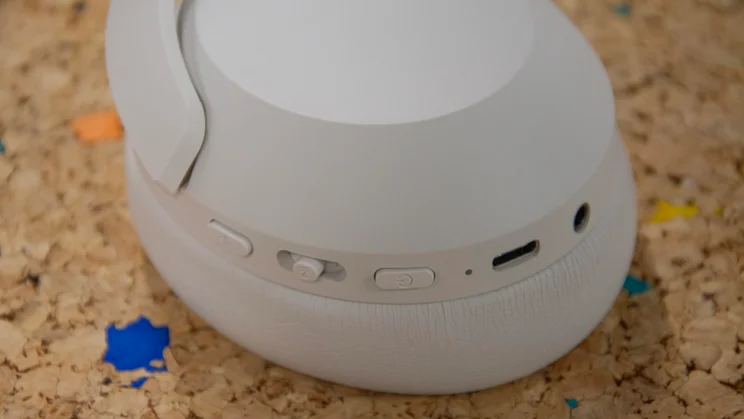
What consumers are likely to use – those with Android devices, at least – is support for the LDAC Bluetooth codec; Sony’s codec enables high-resolution streaming. If you’re still a fan of wired connections, the H8000E have a 3.5mm input located on their right earcup.
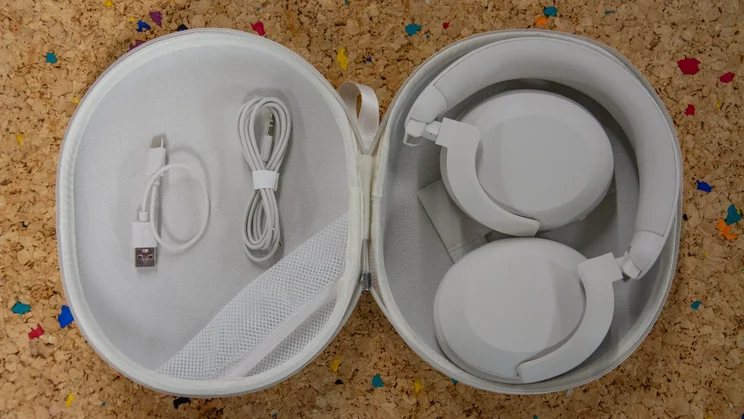
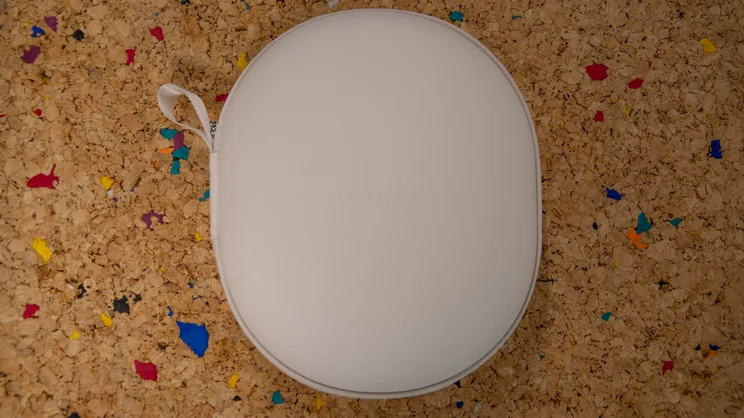
On the same side, you’ll also find a USB-C port for charging, and Philips includes both a USB-A to USB-C and a 3.5mm to 3.5mm cable in the box, along with a hard-shell case for transporting the headphones.
The right earcup also houses the full suite of the H8000E’s controls. You’ve got a power button, a noise control button for switching between the ANC and Aware modes, and a toggle that handles playback and volume controls. It’s a simple setup that can’t be customised but works well.
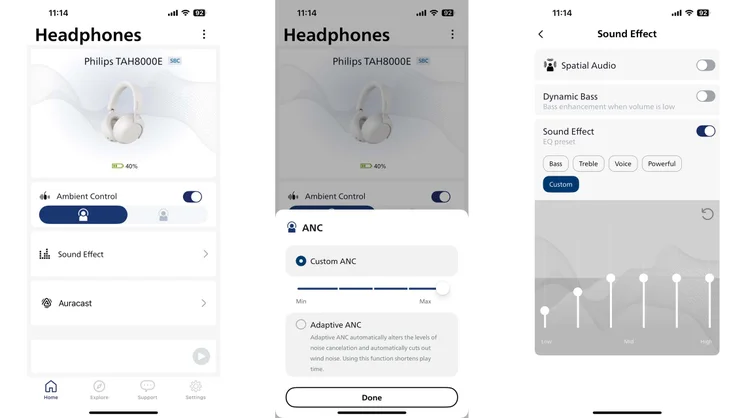
Audio customisation options are available within Philips’ Headphones app. In the Sound Effect tab, you have toggles for the Spatial Audio mode, a Dynamic Bass setting for enhancing bass at low volume, and EQ settings, which include Bass, Treble, Voice and Powerful presets. There’s also a Custom EQ mode with six bands for you to tweak.
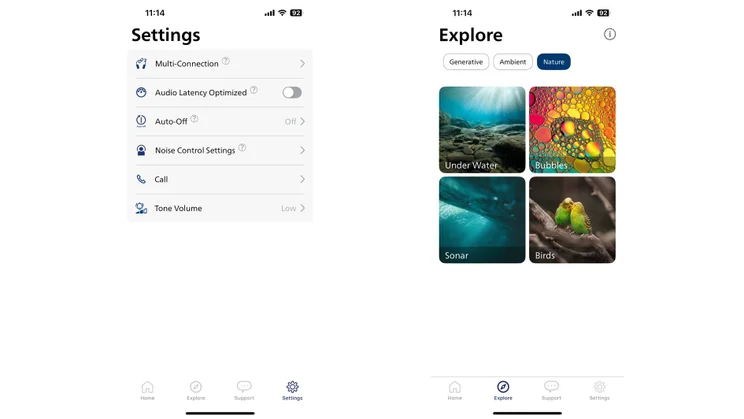
Among the more esoteric features are a Call Equaliser, which enables you to choose whether people at the other end of calls are piped through with more bass or treble, and a Sidetone option that lets you hear your own voice when on the phone. Wear detection is conspicuously absent, although there is an Auto-off option to power the headphones down after a certain period of inactivity, and a low-latency mode useful for watching video content.
Finally, Philips provides a collection of soothing sounds designed to help you relax. These are split into three groups: Generative, Ambient and Nature, with options such as Under Water, Breath, and my personal favourite, Rainy Night.
What do they do well?
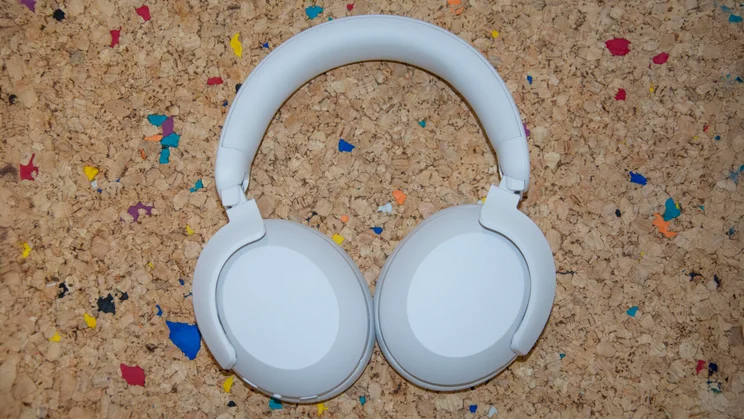
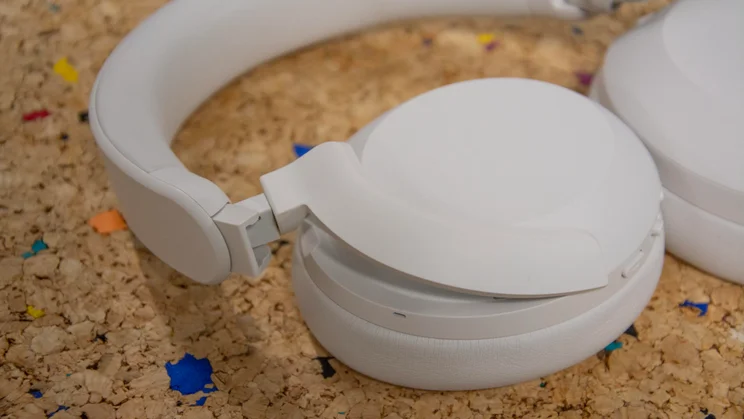
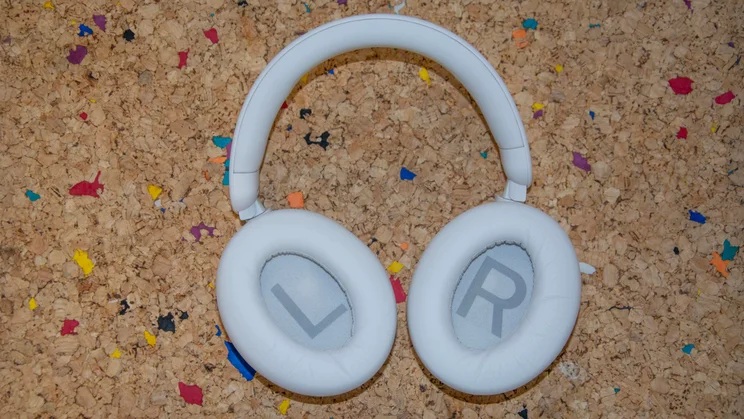
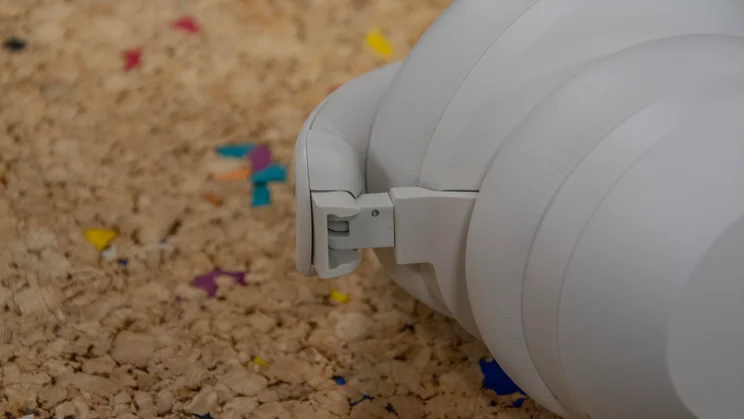
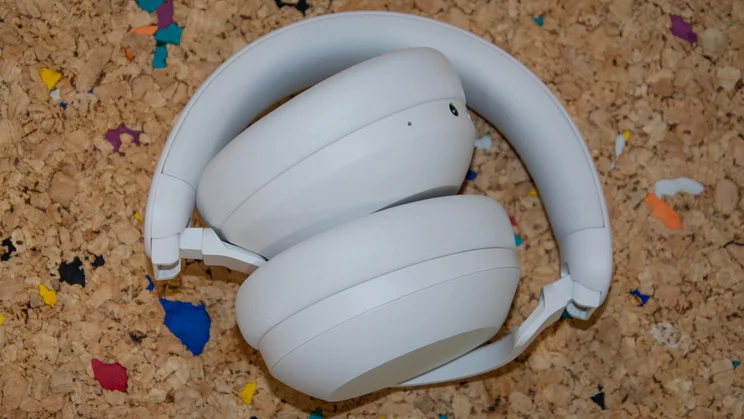
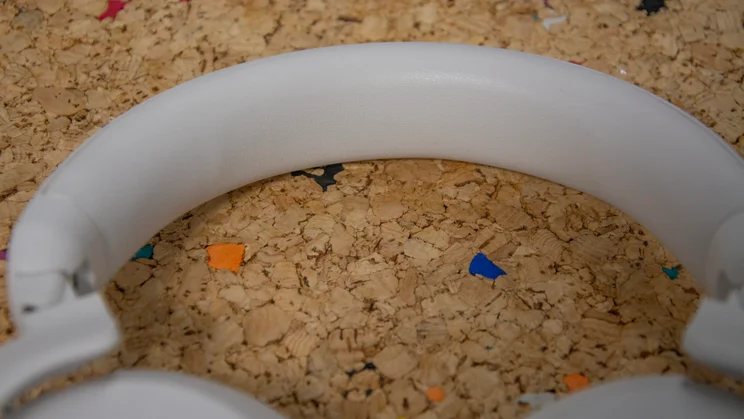
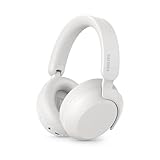
The way the Philips H8000E look is nothing to write home about, but they’re foldable, which is always welcome, and exceedingly comfortable. The earcups are spacious, generously padded, and have a decent amount of breathability. The inside of the headband is also well-padded, and the clamping force of the headphones is judged perfectly.
They’re the kind of headphones you can wear for the entirety of a long-haul flight without any bother and have the battery life to see you through a flight to New Zealand and back. With ANC on, you’re looking at roughly 50 hours of audio playback, which outperforms pricier options like the Bose QuietComfort Ultra Headphones (2nd Gen) and Sony WH-1000XM6. Turn ANC off, and that figures balloons to 70 hours.
What’s more, Philips has got ahead of the sustainability curve by ensuring the batteries are replaceable. EU regulations coming into effect in 2026 stipulate that products like this must have easily removable batteries, and the inside of the earcups can be popped off to reveal four small screws and provide access to the power cells. The design also means that the earpads can be replaced when they wear down or start losing their suppleness. This gets a big thumbs up from me.
I was also impressed by the way in which the H8000E handle mid-range frequencies. I got the most enjoyment from them while listening to tracks with a significant vocal component, and I always felt that the lyrics in songs were given due prominence without sounding forced or strained. On Gerry Cinnamon’s Canter, the artist’s distinctive Glaswegian accent and intonation were communicated very effectively, as were the chords being strummed on his acoustic guitar.
The H8000E dealt with Train’s Drops of Jupiter equally well. Although their soundstage isn’t particularly expansive, stereo separation was clear between the left and right earcups, and the H8000E articulated the track with an admirable level of detail.
Noise cancellation is about what you’d expect for £130, though the system used is actually relatively advanced for the money. You can select from five different attenuation levels in the Custom ANC mode, or engage Adaptive ANC to tweak the level of attenuation automatically based on your surroundings, all of which is good stuff.
And, for general use, they do a reasonable job, although I did find a fair bit of cabin noise making its way to my ears on the plane journey back to the UK from the reveal of Philips’ new Moving Sound range. Still, it would be unrealistic to expect the H8000E to match more premium options in this department.
What could be improved?
I wasn’t always fond of the way the H8000E treated lower frequencies, although by no means do they lack bass impact. The default tuning delivered a potent low-end response on Porto-based Drum & Bass producer Molecular’s Fair Warning. In fact, I could have done with a warning about how much the sub-bass would make my head pulsate. I’m not against such sensations, but bigger isn’t always better when it comes to bass response, and I felt the H8000E lacked a little refinement.
To counteract this, I dropped the lower frequencies down a few notches in the Philips Headphones app. This helped, but when I fired up Ageispolis by Aphex Twin, it was clear it hadn’t completely solved it. The main bass beat was nicely judged, but the occasional deeper frequencies muscled in a little clumsily.
Philips has some way to go on the spatial audio front, too. Spatial audio is all the rage these days, so I can understand why the brand has added a dedicated mode for it, but it didn’t have a huge effect, other than broadening out the soundstage a sliver. It’s not worth going out of your way to engage it, in my opinion.
Wear detection is a staple inclusion for over-ear headphones, so its omission is a big oversight. I don’t know how much the sensors required to facilitate wear detection cost; perhaps they were left out to keep the H8000E’s price down, but regardless, the headphones are worse off for not automatically pausing when taken off your head.
The H8000E’s Aware mode is pretty disappointing, too. I was able to get enough of a sense of what was going on around me while in the office or on the London Underground to remain aware of my surroundings, but there was a fogginess to the mode that left it lacking ambient clarity.
Finally, I wouldn’t recommend using the H8000E for calls unless you’re in optimal conditions. Despite my indisputable “Unc’ status, I’ve bought into the voice note trend on WhatsApp and recorded several messages that were completely unintelligible, thanks to the microphones not being able to cope with windy conditions. The H8000E are okay for calls if you’re inside in a quiet room, but if you like staying connected with others when you’re out and about, you might want to give them a miss.
Should you buy the Philips H8000E?
I certainly don’t dislike the Philips H8000E. They’re a viable option if you want noise-cancelling headphones that offer advanced features, but don’t want to pay a premium price. In particular, they’re superbly comfortable, the batteries are long-lasting, and I love the fact that they’re replaceable.
However, their performance does reflect that lower cost. Audio quality is good but not great, the same can be said for their ANC, and the Aware mode and mic quality are below par.