To help us provide you with free impartial advice, we may earn a commission if you buy through links on our site. Learn more
- Zoned support
- Extremely comfortable and soothes pressure points
- Suits a variety of sleepers
- Edge support still needs improvement
- Heavier sleepers may sink through the foam
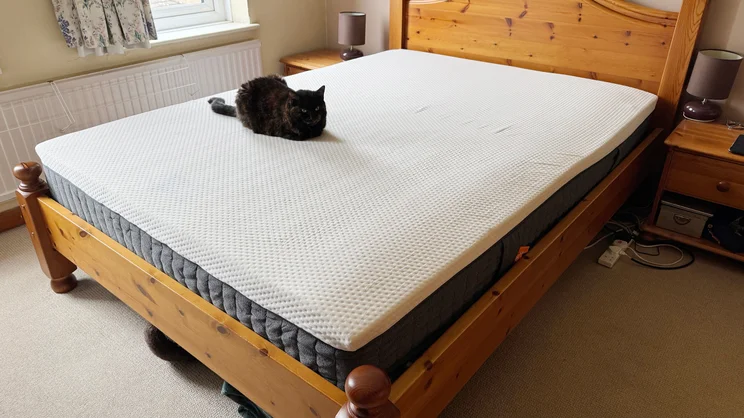
Emma has manufactured some form of “Original” mattress for years: first as an all-foam model back when bed-in-a-box brands were still a novelty, and more recently as the hybrid that we first reviewed as the NextGen Premium. Fast forward to 2026: Emma has relaunched its Original Hybrid range with a few small adjustments including a thicker memory foam layer, and reinforced edges to offer better stability across the whole mattress. So, with these tweaks, is this still one of the best mattresses you can buy for around £500?
I’ve been testing the Emma Original in depth to find out more and was hugely impressed with its comfort levels along with excellent support from the zoned springs underneath. Edge support is still lacking when it comes to sitting on the mattress but, overall, this is a ludicrously comfortable mattress for a budget price.
Emma Original mattress: What you need to know
Design
We were big fans of the previous iteration of the Emma Original, featuring it in our roundup of the best hybrid mattresses to buy, and the design of the new model still makes it a fantastic all-rounder.
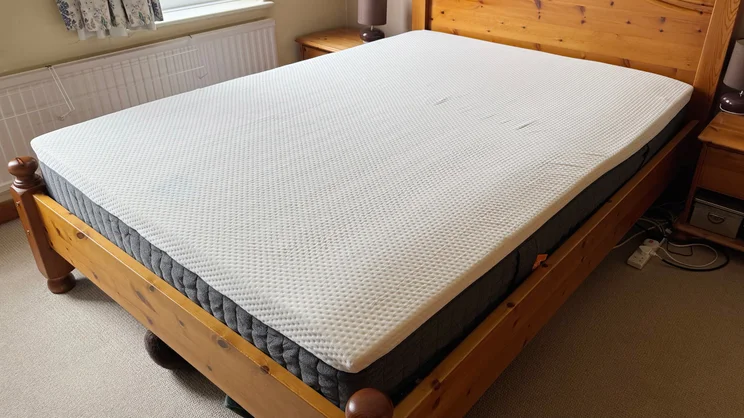
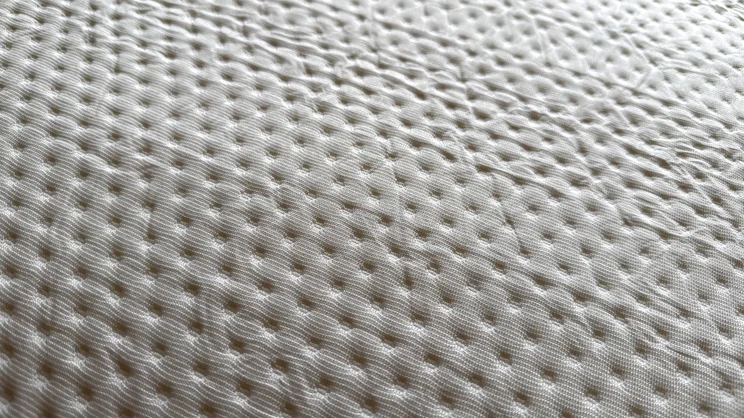
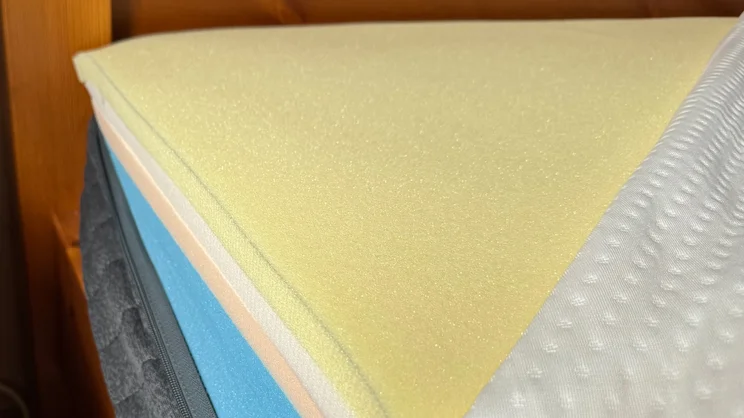
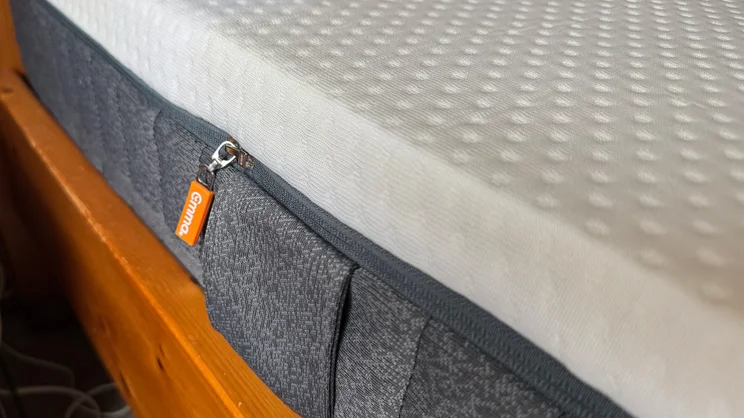
Covering the mattress is a soft and appealing cover that can be removed and washed at 40°C. Next up are three layers of memory foam: a new “MemoryAdapt” foam layer designed to ease pressure points, followed by another soft foam layer for additional contouring, and finally a “SupportBase” layer that’s designed to stop you sinking too far into the mattress .
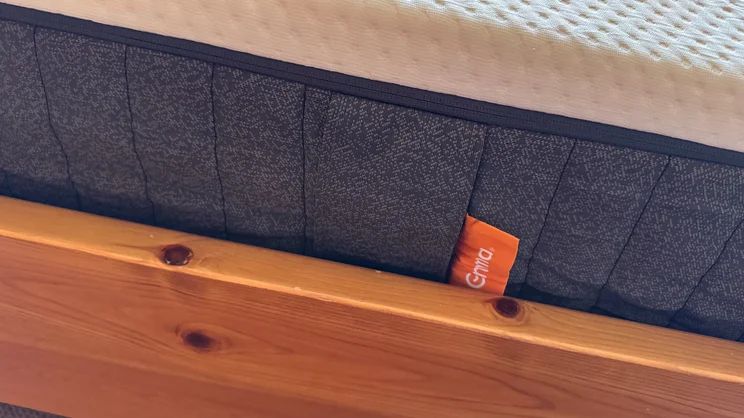
Underneath this, a layer of springs is divided into five zones for targeted support where it’s needed, and the mattress is finished with a bottom cover that grips to your bed base to prevent it moving about.
Price and competition
Prices for the Emma Original start at £369 for a single, rising to £479 for a small double and £529 for a double. A king is £629 and a super king is £699. EU sizing is also available, with an EU double and an EU queen coming in at £599 and £679 respectively.
These prices are similar to those of the DreamCloud Hybrid (£499 in a double) and the Happy Beds The Annabel (£519), and a little cheaper than the Zoma Hybrid (£599). As for the wider Emma mattress range, a double Original Pro costs £799 and the Original Elite (which I reviewed previously) costs £1,159, while the Original Lite costs £309. These vary from each other in the number of foam layers and sprung support zones they offer. As a general rule, the more you pay, the more you get: either side of the Original, the Lite has two layers of foam and three support zones, while the Pro has four foam layers and seven support zones.
Like many bed-in-a-box brands, Emma’s pricing is a little tricky to keep track of, with fluctuating price tags and frequent discounts available during peak deals events such as Black Friday and Boxing Day. For instance, I’ve seen the price of a double Emma Original reduced to £499 previously. And at the time of writing, the brand is offering a free pillow and mattress protector with purchases.
As standard, you’ll also get a decent 200-night trial and a 10-year guarantee, with free delivery and returns.
Delivery
The Emma mattress arrives rolled up and vacuum sealed in a box and is delivered to your front door by either UPS (who delivered it to me), DPD, Evri or DX. I’m afraid you don’t get a choice of which courier is used in your area, which might disappoint those hoping to avoid one or the other. You can, however, upgrade to room-of-choice delivery, along with old mattress removal for £59.
As with the Emma Original Elite, I felt that the Emma Original took a little longer to inflate than some bed-in-a-box mattresses I’ve tested, needing a good 10 hours before reaching a height I felt comfortable sleeping on. I also noticed that the edges took a further day or so before feeling fully inflated.
How I tested the Emma Original mattress
The best way to get a feel for a mattress is obviously by sleeping on it, so that’s what I do – alongside my husband. We both evaluate the mattress for factors such as comfort and support, edge support, temperature regulation and motion isolation. I also determine value for money, by comparing the mattress’ price to those of its closest competitors.
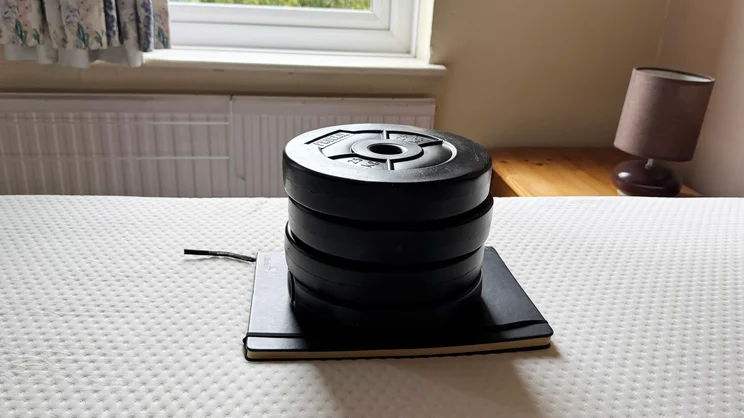
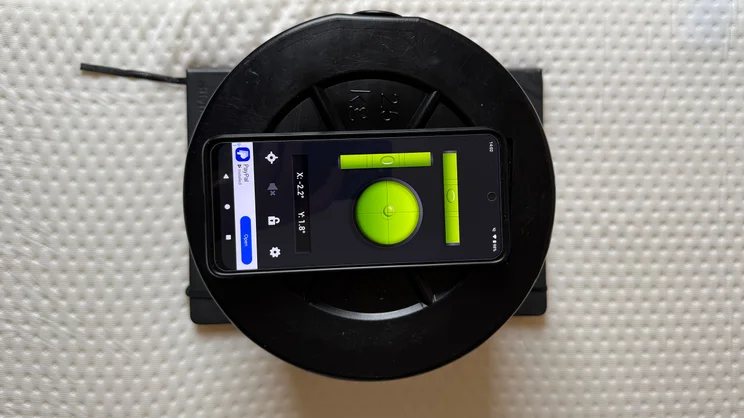
As anecdotal testing isn’t sufficient on its own, I also run standardised tests to obtain objective data that can be compared across all mattresses tested at Expert Reviews. I gradually place four 2.5kg weights on the bed, measuring the sinkage as I add more weight. I do this at shoulder height and at 3 inches from the edge of the bed to assess edge support. I also measure how much the total 10kg of weights causes the edge of the bed to tilt.
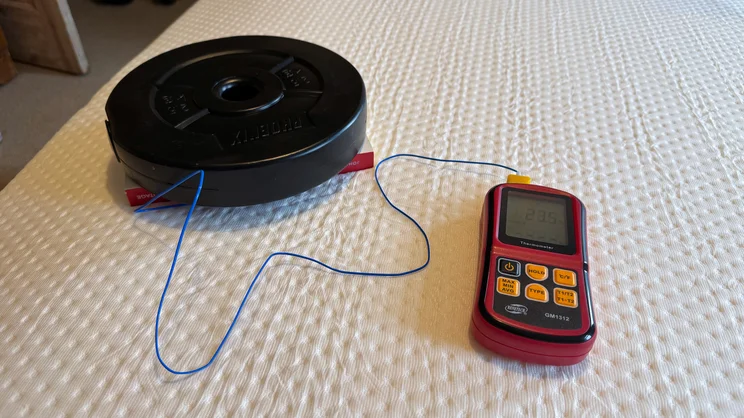
I carry out two tests with a digital thermometer – one for body heat and another using a heat pad – to see how much the mattress retains heat. For the former, I sit on the mattress with the thermocouple probe placed underneath me, until the thermometer reaches 30°C. After getting up, I then record the temperature decrease at one minute intervals for ten minutes. The heat pad test follows a similar process. After heating up the pad in boiling water, I place it on the surface of the mattress to heat it up. Once the temperature has stabilised and fallen to 50°C, I remove the heat pad and, again, record the temperature at one minute intervals for ten minutes.
Comfort and performance
Our standardised tests
At shoulder height, I measured sinkage at 16mm with 10kg of weights, while at three inches from the edge this was slightly less pronounced at 14mm. These results were similar to the tests carried out on the REM-Fit Pocket 1000 Hybrid and Simba Simbatex Cool, and suggested a level of support that’s considerably firmer than the DreamCloud Hybrid, which sank by 21mm and 20mm respectively. Interestingly, both the REM-Fit and Simba mattress I mentioned above are all-foam models, which I would expect to be softer than a hybrid mattress containing springs.
Following a blisteringly hot summer, room temperatures in my house are starting to settle down: I measured 20.6°C in my bedroom when I carried out my temperature regulation tests. The body temperature test saw the mattress surface temperature drop from 30°C to 24.5°C after three minutes, edging down another degree to 23.5°C after 10 minutes. Meanwhile, my heat pad test saw the temperature drop to 29.5°C from 50°C after three minutes, falling further to 25.2°C after 10 minutes.
Is it comfortable?
Initially, the Emma Original felt a bit too squidgy to the touch, but I was pleasantly surprised when I lay down on it. Both my husband and I found it comfortable for back and side sleeping. We’re both lightweight people and there was plenty of cushioning around the pressure points when sleeping in the latter position.
I’m normally very fussy when it comes to back support, but I didn’t mind the slight dip in the lumbar region on the Original (something you often get with memory foam/spring hybrid). This is perhaps thanks to the zoned support underneath the mattress’ foam layers, keeping my spine aligned. In terms of comfort, the Emma Original is a decent all-rounder, although I suspect heavier stomach sleepers might find it a touch too soft.
Temperature regulation
Backed up by our temperature test results, my husband (who, unlike myself, usually sleeps hot) found the Emma Original breathable and comfortable throughout the night. It’s not necessarily going to win a place in our best cooling mattresses roundup, but for most people, it’ll do a good job of keeping you comfortable throughout the night.
Motion isolation and edge support
Previous complaints about the Emma Original were concerned with the lack of bounce the mattress offered. While I myself didn’t review the previous model, the new Original feels buoyant and is easy to move around on. This does mean that you may feel a fraction of motion transfer if a sleeper rolls over with force, but I think this will only affect the lightest of sleepers.
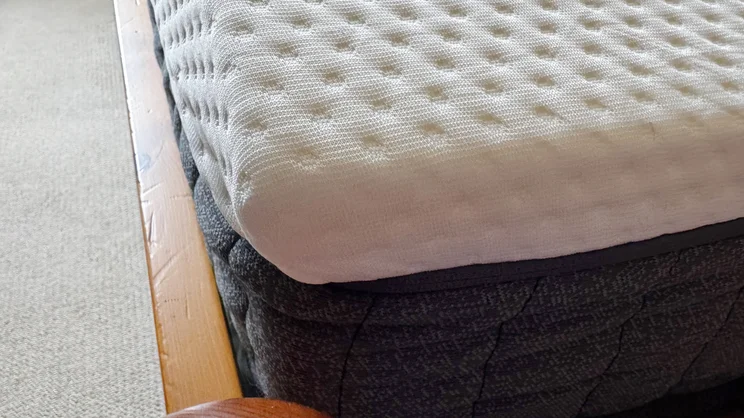
Edge support also used to be an issue on Emma mattresses, and was something that let the Original Elite down when I tested it. The brand has worked hard to improve this, and I definitely noticed the difference when lying on the Original: it’s far easier to spread out and take advantage of the full width. However, I still felt that edge support was a little lacking when sitting on the bed. Even as a lightweight person, I noticed quite a bit of sinkage.
Verdict
The latest iteration of the Emma Original mattress is instantly comfortable. Edge support is yet to be perfected and those of a particularly heavy build should perhaps be wary of its stacked foam layers, but I’d argue the mattress will suit a range of sleepers.
It’s well-priced too, even when it isn’t discounted, though there’s a good chance you’ll find it bundled with a free bedding product. Ultimately, this is a great all-rounder, and a bargain at that.