To help us provide you with free impartial advice, we may earn a commission if you buy through links on our site. Learn more



oplus_2097184



oplus_2097184

- Enormous 7,400mAh battery
- Gorgeous 165Hz display
- Powerful performer
- No telephoto camera
- No wireless charging
- Only 4 OS updates
Hot on the heels of releasing my favourite phone of the year, OnePlus is now tackling a more affordable corner of the market with the OnePlus 15R. Even more so than its flagship sibling, this mid-range phone is a reinvention for the R-series, with a drastically different set of features compared to the OnePlus 13R.
Some of these changes are indisputably for the better while others may be cause for concern to some users. Performance is incredible and the enormous battery surpasses anything else in this price range but the lack of a telephoto camera is a tough pill to swallow when we’re talking about this kind of money.
OnePlus 15R: What you need to know
As the name implies, the OnePlus 15R is a slightly less powerful but more affordable alternative to the flagship OnePlus 15. Instead of the high-end Snapdragon 8 Elite Gen 5 chipset, we have the first appearance of the standard Snapdragon 8 Gen 5, clocked up to 3.8GHz and backed up by 12GB of RAM and either 256GB or 512GB of storage.
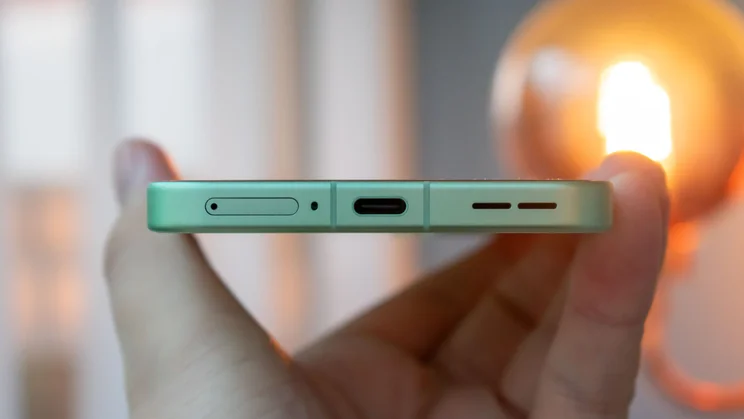
The battery is the largest to ever appear on a OnePlus phone, with a staggering capacity of 7,400mAh – slightly higher than the 7,300mAh capacity of the OnePlus 15. You don’t get wireless charging here, but wired charging supports speeds up to 80W. You’ll need your own plug, though, as there’s only a cable in the box.
oplus_2097184
oplus_2097184
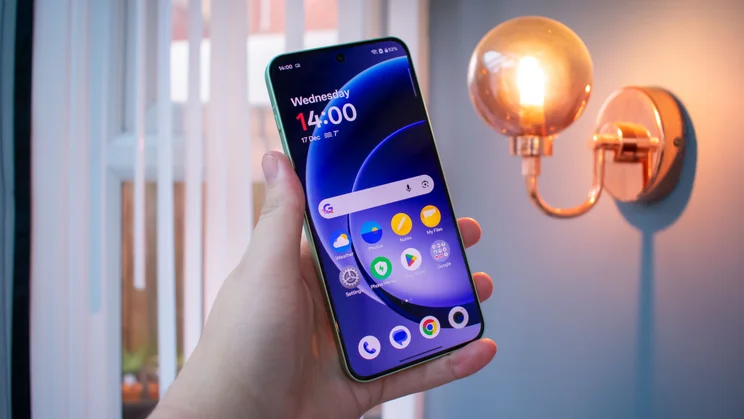
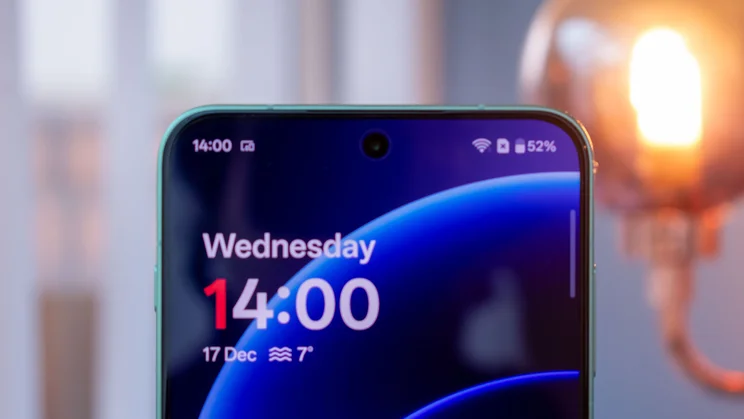
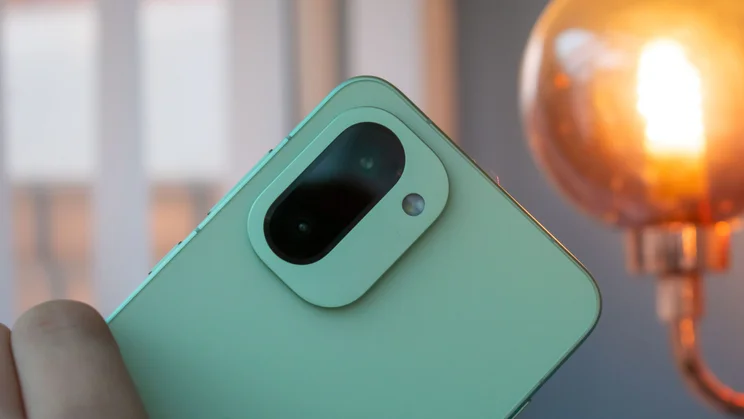
The display is a 6.83in AMOLED panel with a resolution of 2,800 x 1,272 and a peak refresh rate of 165Hz. There’s a 32MP (f/2.0) selfie camera set in a hole-punch notch at the top of the display, while on the rear is a 50MP (f/1.8) main shooter and an 8MP (f/2.2) ultrawide.
There’s a notable absence there: the 50-megapixel (f/2.0) telephoto camera that featured on the OnePlus 13R has been dropped this time around. It wasn’t the most impressive, only offering a 2x optical zoom, but its removal here is still a shame. Especially considering that…
Price and competition
… the price hasn’t changed. Both models of the OnePlus 15R cost the same as the 13R did when it launched earlier this year, with the 256GB version at £649 and the 512GB costing £729.
That puts it at the top-end of what I would consider the mid-range, coming in just below the £799 price tag of entry-level flagships like the Google Pixel 10, iPhone 17 and Samsung Galaxy S25.
oplus_2097184
oplus_2097184
Starting at that exact same £649 is the Xiaomi 15T Pro, one of my favourites in this price range, thanks to its sleek design, strong display and excellent 5x telephoto camera. The software is a bit fussy and gaming performance isn’t the best, but you’ll struggle to find stronger cameras for this kind of money.
If you prefer gaming, the Honor 400 Pro is the best mid-range gamer around, delivering wonderfully smooth framerates in my testing. Cameras are great here, too, with a sharp 3x telephoto camera (are you seeing a pattern here?) and excellent night photography. The sole 512GB model started life at £699 but you can now pick one up for just £489.
In fact, the only serious competition in this price range that doesn’t include a telephoto camera is the iPhone 16e. This starts a little cheaper, with the 256GB model at £549, but you can also get 256GB and 512GB variants for £649 and £849, respectively. There’s only one rear camera and the display refreshes at an outdated 60Hz, but performance is outstanding and the camera can capture exquisite 4K Dolby Vision HDR video footage.
Design and key features
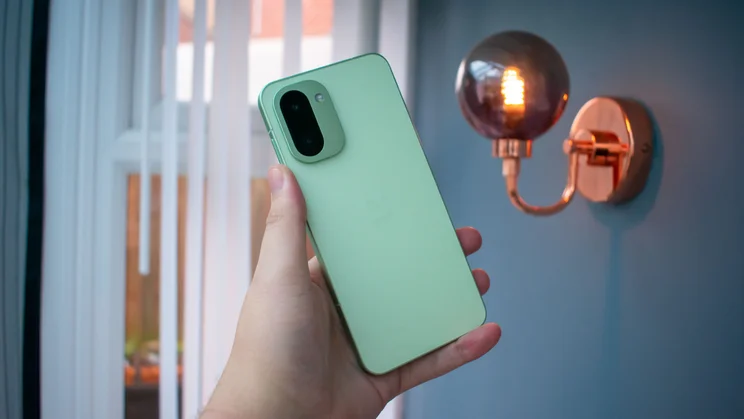
The OnePlus 15R follows the design cues of its pricier sibling, with a completely flat front and rear, flat edges and tightly rounded corners. The two look almost identical, apart from the camera module, which is more of a rectangle here, due to having fewer lenses to house.
oplus_2097184
oplus_2097184
It’s also a little larger than the OnePlus 15 in all dimensions, measuring 77 x 8.3 x 163mm (WDH), though it weighs roughly the same: the Charcoal Black model is 214g, while the Mint Green version is 215g.
It’s not quite clear where that extra gramme is coming from though, as aside from hue, both models use exactly the same materials. The frame is matte aluminium, the rear is silky smooth glass and there’s a layer of Gorilla Glass 7i sitting over the display for scratch protection.
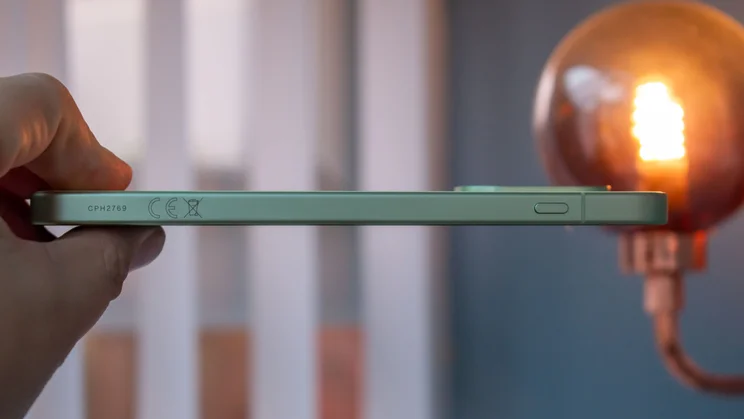
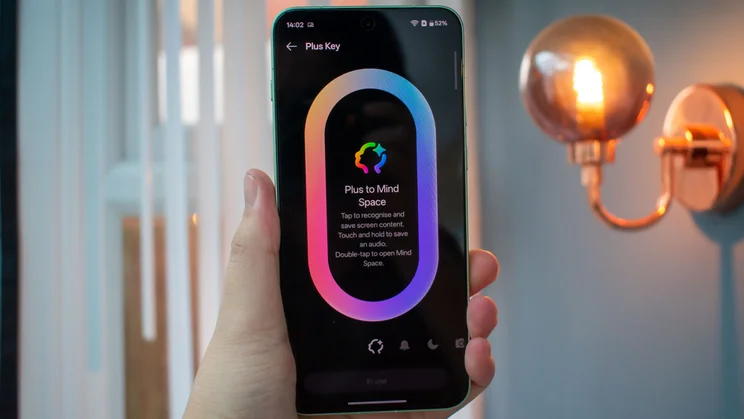
In terms of features, we’ve got rapid fingerprint and face unlocking, Wi-Fi 7 and Bluetooth 6 support and the same multi-function Plus Key as the OnePlus 15. This sits high up on the left edge, replacing the alert slider, and can be programmed to perform various functions, including switching between loud, vibrate and silent mode, toggling the torch, opening the camera app or saving content to the AI-powered Mind Space app.
oplus_2097184
oplus_2097184
The latter is essentially a juiced-up place where your screenshots are collated, with AI analysing and intelligently sorting them, drawing out critical information and organising them into easily accessible folders. It’s now also integrated with Google Gemini, allowing you to search through your saves more efficiently and ask the LLM questions using your captures as context.
The software is based on Android 16, with OnePlus’ OxygenOS 16 launcher pasted on top. This is a generally slick and user-friendly interface, with the only frustration coming from an excess of preinstalled bloatware. OnePlus has pledged four years of OS updates and six years of security patches for the 15R, which is fine enough for this price, but the Honor 400 Pro gets six years of both, and the Google Pixel 9a gets seven.
Display
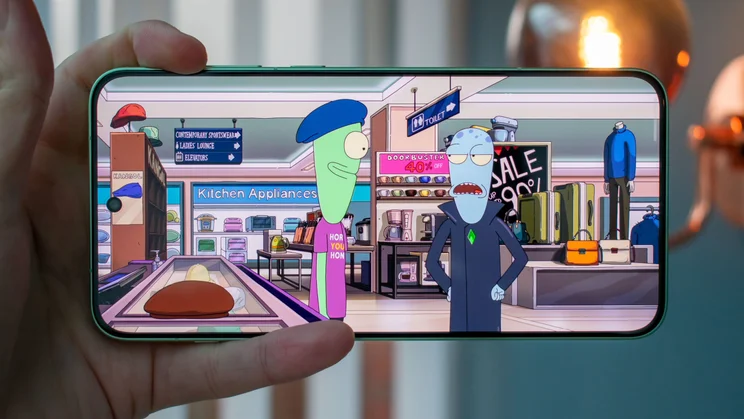
The 6.83in AMOLED screen has plenty of quality to offer; the 2,800 x 1,272 resolution is nice and sharp and the refresh rate supports both 144Hz and 165Hz modes, allowing you to play compatible phone games at their most fluid framerates.
Brightness impressed, as well, with the OnePlus 15R hitting 772cd/m2 in general use with automatic brightness disabled, and 1,148cd/m2 in adaptive mode with a torch shining on the light sensor. It was brightest of all when displaying HDR content, where it peaked at an excellent 1,864cd/m2.
oplus_2097184
oplus_2097184
As usual with OnePlus smartphones, there are three colour profiles you can choose from, with the Vivid setting being best suited for streaming and gaming, dialling up the saturation for punchy, vibrant colours, while Natural and Standard both aim for authentic sRGB reproduction. In my testing, the latter proved the best for that, with a gamut coverage of 96.1% and a volume of 99.1%. The average Delta E colour variance score came back at 1.14, which is right on the money for our target of 1 or under.
Performance and battery life
The Snapdragon 8 series has been consistently impressive in benchmarking and the 8 Gen 5 chipset keeps this streak going. In the Geekbench 6 tests, it ran rings around the rest of the mid-range competition, surpassing the iPhone 16e by 21% in the multi-core portion – though Apple’s silicon still secured a 16% advantage for single-core operations.
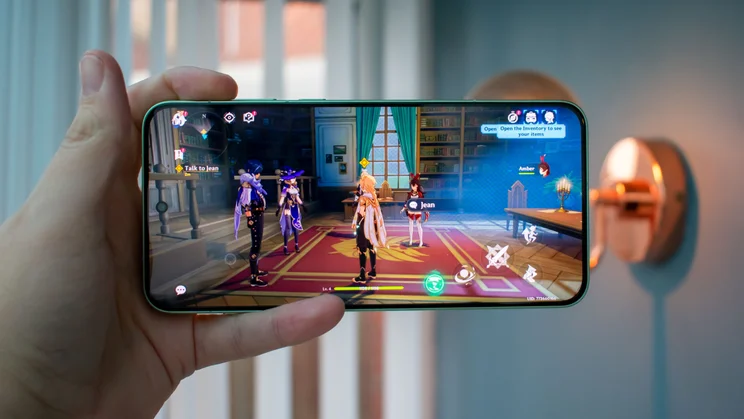
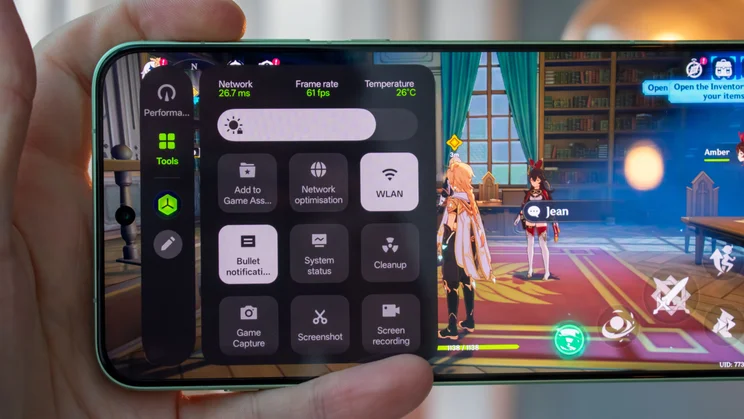
In addition to being wonderfully nippy in general use, the OnePlus 15R is also an excellent gamer. Ahead of launch, I’ve not been able to run the GFXBench test, so I don’t have any hard figures to display here, but I was able to play a good chunk of Genshin: Impact.
Even with the graphical sliders turned up to 11, the OnePlus 15R managed to run the game nice and smoothly, with crisp textures and a rock-solid 60fps framerate at native resolution. I was impressed by the heat management, too – it got a little warm, but never reached worrying levels, despite some fairly frantic action on-screen.
oplus_2097184
oplus_2097184
At the time of writing, I’ve reviewed two phones with a battery capacity over 7,000mAh – the OnePlus 15 and the Oppo Find X9 Pro – and both absolutely demolished our looping video test, delivering the best and second-best battery life we’ve ever recorded, respectively.
So far, the OnePlus 15R looks set to join them; I don’t have firm results right now because the test is still running, but it’s looking very positive. Anecdotally, the gargantuan battery has held up very well to my testing up to this point, which included streaming, gaming, photography and running multiple apps – but I’ll update with the final figures when the battery test has completed.
Cameras
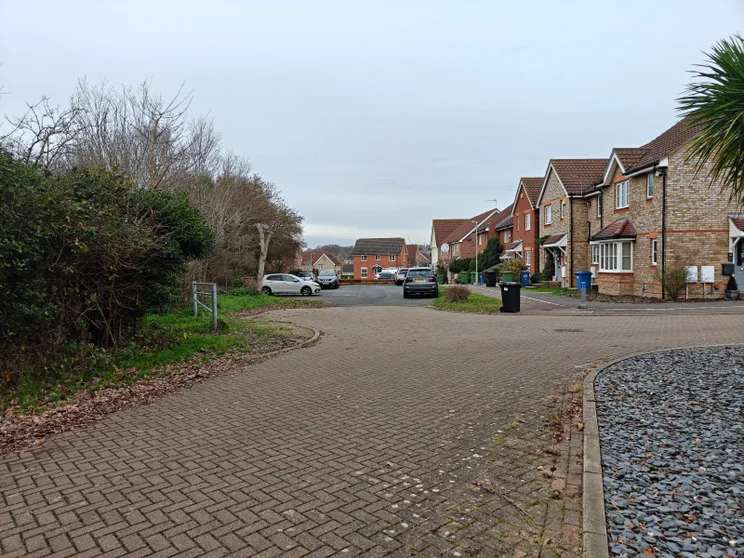
The 50MP main camera is exactly the same as the one on the more expensive OnePlus 15, with a Sony IMAX906 sensor, an f/1.8 aperture and OIS support. Results are just as good here as on the standard 15, with broad dynamic range, crisp detail and natural colouring when shooting in good light conditions.
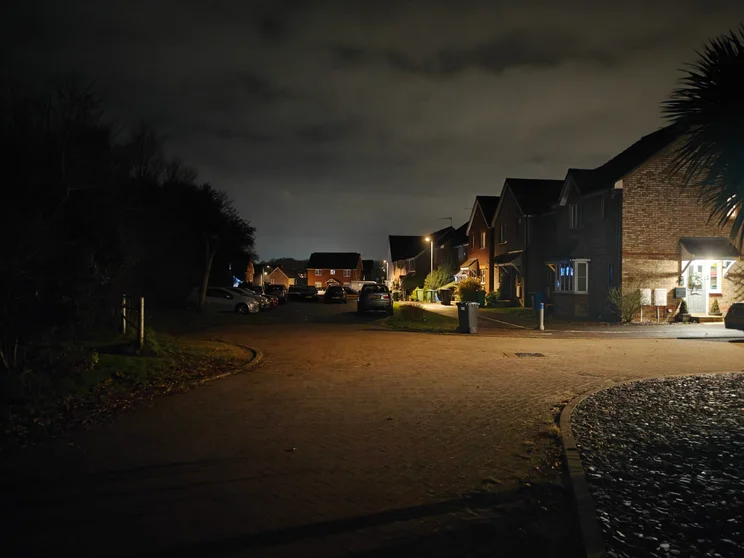
Night photography is solid, too; the colour tone is pleasingly natural, there’s a decent amount of detail in the shadowy areas and big blocks of darkness are mostly free from excess visual noise.
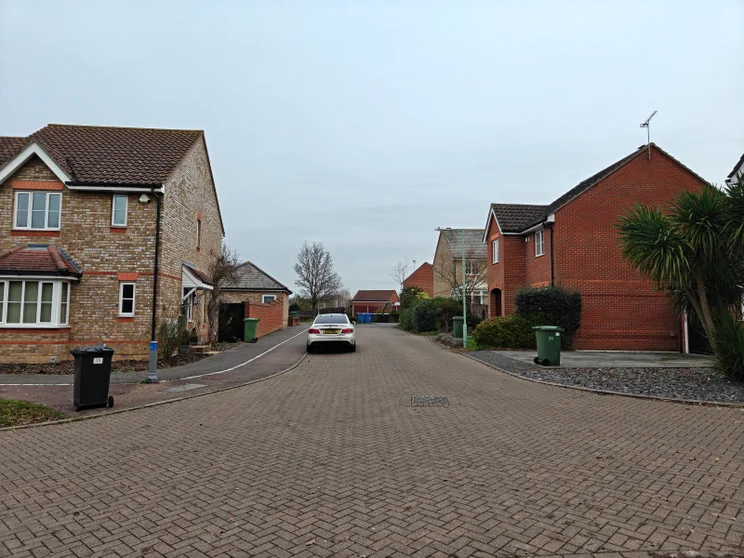
Perhaps the most controversial difference from the OnePlus 13R is the removal of the telephoto camera, and its absence is sorely felt, with zooming only going up to 20x. The digital zoom that crops in on the main sensor is fine, at least, with decent detail retained at 2x, as you can see below.
The 8MP (f/2.0) ultrawide camera is a direct carry-over from the OnePlus 13R and is generally a decent shooter, but it doesn’t live up to the standard of the main camera. Detail is fine in the foreground but gets progressively more fuzzy towards the back of the scene and the edges of the shot – but the colour tone at least is mostly in keeping with the main camera.
The selfie camera gets a sharper 32MP sensor and now supports 4K/30fps video recording, while the main lens on the rear can either shoot 4K/60fps fully stabilised or disengage the OIS to capture ultra-smooth 4K/120fps footage.
OnePlus 15R: Verdict
Between the Snapdragon 8 Gen 5 chipset and the enormous 7,400mAh battery, nobody can accuse the OnePlus 15R of slacking in the hardware department. Performance is excellent, there’s gaming power to spare and the battery life is looking to be some of the best I’ve ever recorded.
Which makes the lack of a telephoto camera all the more frustrating. If OnePlus could have nailed the camera offering, too, this could have been the best mid-range phone around. As it stands, the OnePlus 15R is a great pick for those who prioritise performance and stamina over photography, but it’s not quite strong enough to unseat the best picks in its price range.