To help us provide you with free impartial advice, we may earn a commission if you buy through links on our site. Learn more
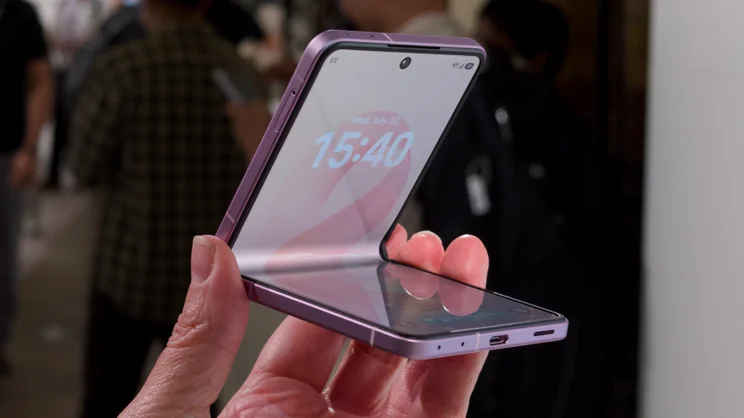
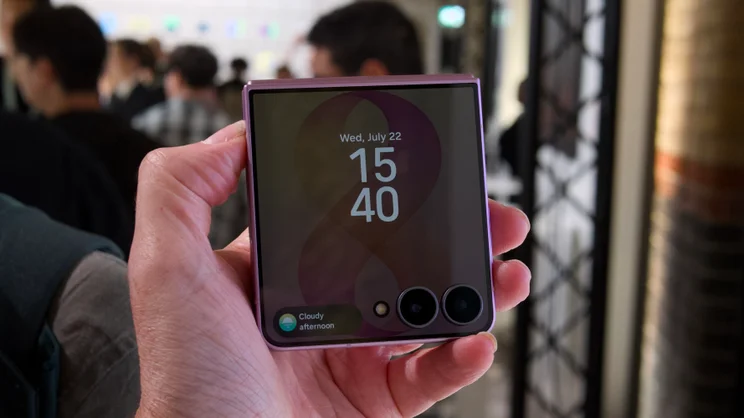
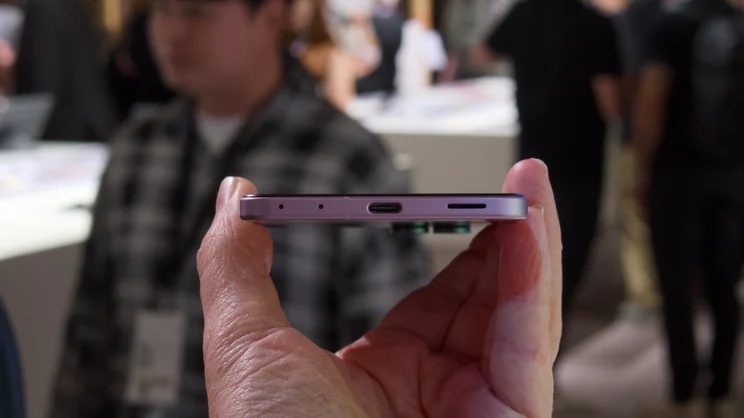
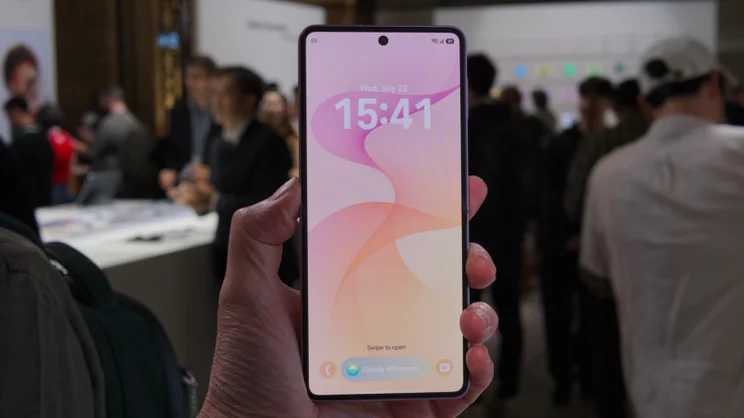
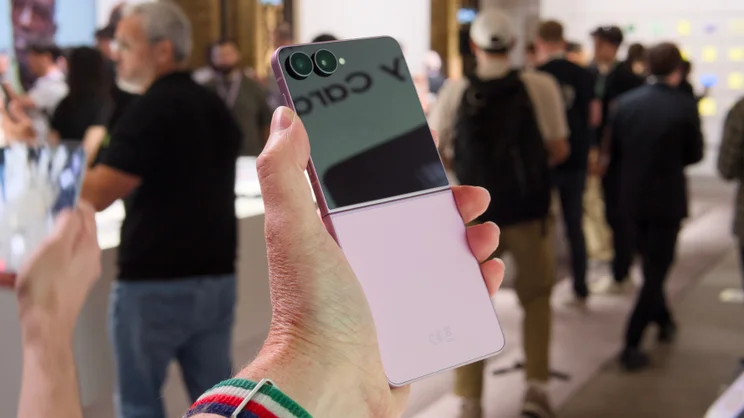
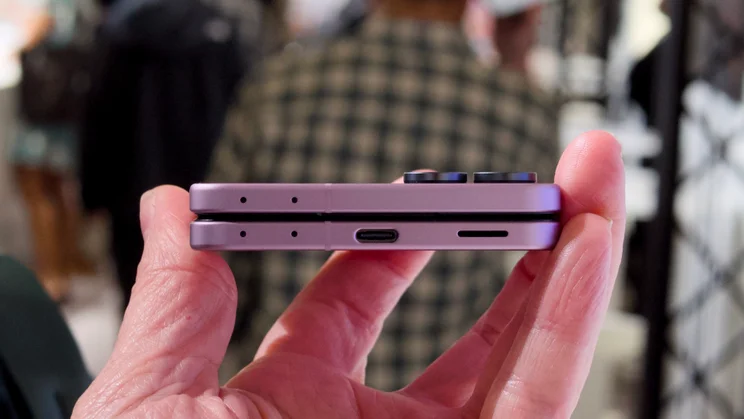
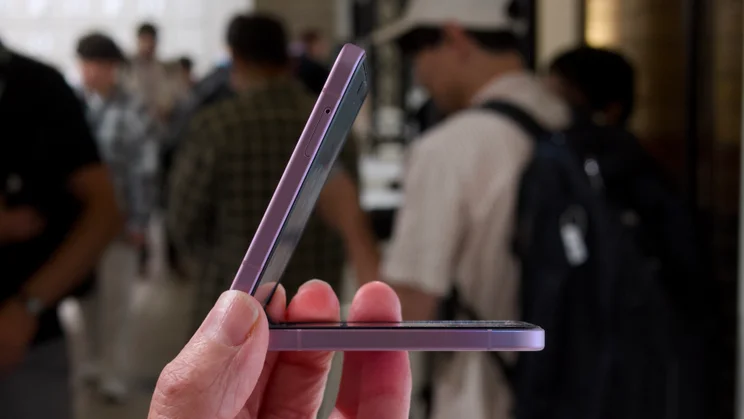
A lot of the attention at this year’s Galaxy Unpacked event is being aimed squarely (or should I say, short-rectangle-y) at the Z Fold series and its exciting new form factor. And rightly so, as this is a genuine advancement for the lineup and something that we haven’t seen from Samsung before.
In stark contrast, and perhaps thinking it could slip by unnoticed, the Galaxy Z Flip 8 is exactly what we have seen before. And I mean exactly. Having scoured through the specifications, I’m at a loss as to why exactly anybody would choose this over last year’s model.
Samsung Galaxy Z Flip 8: Specifications
- Processor: 3.8GHz Exynos 2600
- RAM: 12GB
- Storage options: 256GB, 512GB
- Internal display: 6.9in, 2,520 x 1,080, 120Hz, LTPO AMOLED
- External display: 4.1in, 1,048 x 948, 120Hz, AMOLED
- Rear cameras: 50MP (f/1.8), 12MP (f/2.2) ultrawide
- Selfie cameras: 10MP
- Battery: 4,300mAh
- Charging: 25W wired, 15W wireless
- Dust and water resistance: IP48
- Dimensions (WDH): 75 x 13.2 x 85mm (folded); 75 x 6.6 x 167mm (unfolded)
- Weight: 180g
- Colours: Graphite, Cream, Pink, Mint
- UK price: £1,149 (256GB); £1,319 (512GB)
- UK release date: 7 August, Preorder now from Samsung
Samsung Galaxy Z Flip 8: New features and first impressions
As seems to be the case with all tech this year – thanks, global components shortage – the Samsung Galaxy Z Flip 8 is more expensive than its predecessor. The £1,149 256GB model is £100 up from last year while the £1,319 512GB version is £170 more expensive.
These prices are still fairly competitive, though the Motorola Razr 70 Ultra offers 512GB for £1,199, so it undercuts Samsung by £120.
We have very little to talk about here on the hardware front – as you can see from the specs above, the Galaxy Z Flip 8 is quite happy to wear last year’s fashions. It has the same displays as the Flip 7, down to the peak brightness of 2,600 nits, is fitted with the exact same cameras and once again is powered by a 4,300mAh battery that supports relatively slow 25W wired charging or 15W wireless.
[[Samsung has at least upgraded the wired charging from 25W to 45W, alongside the same 15W wireless charging as last year. This should significantly improve overall charging time, potentially filling the battery in around an hour, compared to roughly 90 minutes on the Galaxy Z Flip 7.]]
The physical build is a tiny bit different, now measuring 13.2mm thick when folded – half a mil less than its predecessor – while also being 0.1mm thicker when unfolded, at 6.6mm. That’s confusing but the reason is quite simple, as Samsung has redesigned the hinge to have the phone close more snugly, which feels like better protection for the internal display.
The weight difference is far more straightforward, with the Galaxy Z Flip 8 coming in at 8 grams less than its predecessor, weighing 180g. It still feels nice and sturdy, with Gorilla Glass Victus 2 on the rear and over the cover display and an IP48 dust and water resistance rating. The Google Pixel 10 Pro Fold and Honor Magic V6 may have cracked making foldables fully dustproof but that’s clearly yet to trickle down to clamshells.
Inside we find the only other physical change – the Exynos 2600 chipset. The is a 10-core SoC, clocked up to 3.8GHz and again backed by 12GB of RAM and either 256GB or 512GB of onboard storage. The Samsung Galaxy S26 and S26 Plus used the same processor, and our testing found it to be a very nippy chip, so we’ll see if that carries over to the foldable format, too.
Just like its bigger Z Fold siblings, the Flip 8 is debuting Android 17 and Samsung’s OneUI 9.0 software. Here we find the big advantage that Samsung has over Motorola’s Razr series, with the same seven years of software support pledged as Samsung’s non-folding phones – a feat that Motorola fails to match year after year.
Samsung’s focus on agentic AI continues here, with upgrades to the Now Brief and Now Nudge features offering things like contextual data retrievals, personalised recommendations that connect to your routine and suggesting relevant next steps when making plans, much like Google’s Magic Cue feature.
Samsung Galaxy Z Flip 8: Early verdict
The Galaxy Z Flip series has struggled to compete with the Motorola Razr line for years now and, to a certain degree, this feels a little like Samsung throwing its hands up and refusing to play. We’ve seen plenty of phones charging more for less in this year plagued by tech shortage-related price hikes, but the Galaxy Z Flip 8 is one of the lowest-effort “upgrades” that I’ve seen thus far.
We’ll leave some room for our rigorous testing to surprise me when it comes to the full review (coming soon, keep your eyes peeled) but for now, I have strong reservations about the Galaxy Z Flip 8 and its meagre selection of improvements. If you want a Samsung flip phone, grab last year’s Z Flip 7 before it disappears from shelves.