To help us provide you with free impartial advice, we may earn a commission if you buy through links on our site. Learn more


- New design is excellent
- Solid battery life and charging
- Great for gaming
- No telephoto camera
- No wireless charging
- Still only IP48-rated
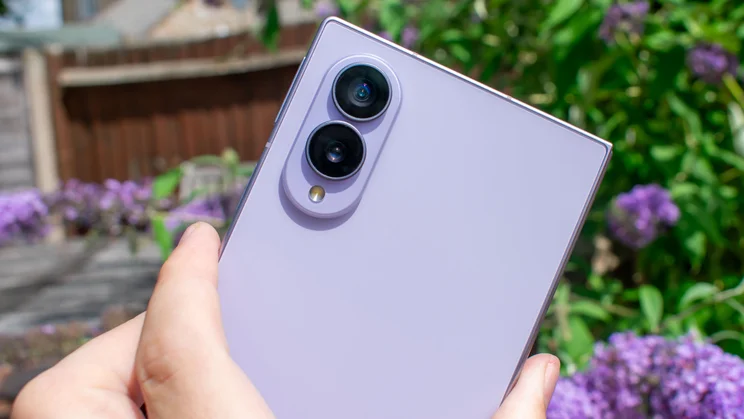
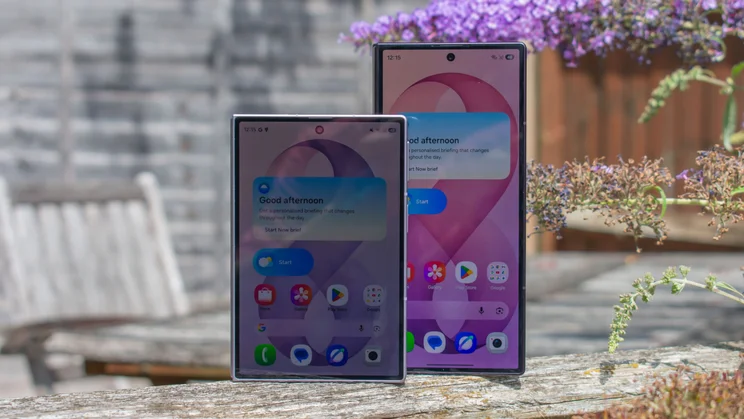
It’s a bold new future for the foldable smartphone – in that we’re dusting off an old design and making it relevant again. The squat, passport shape of the Samsung Galaxy Z Fold 8 is similar to that of the original Google Pixel Fold, but a first for Samsung’s lineup. And with Google having since conformed to the taller, more traditional foldable design, the Galaxy Z Fold 8 is unlike anything else on the market right now.
That is the single most important reason why you would buy it. The new form factor is a delight; it’s wonderfully light, more manageable when working one-handed and better for gaming and watching videos on both the cover and internal displays.
Unfortunately, it comes with compromises, and the lack of features like a telephoto camera and wireless charging means that, as fun as the design is, I can’t fully recommend the Galaxy Z Fold 8.
What you need to know
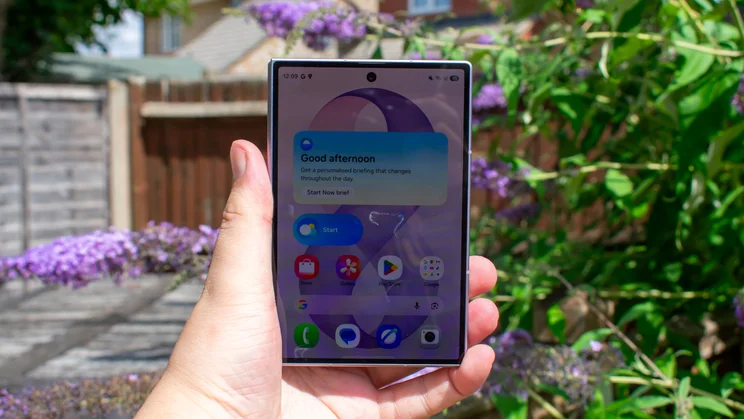
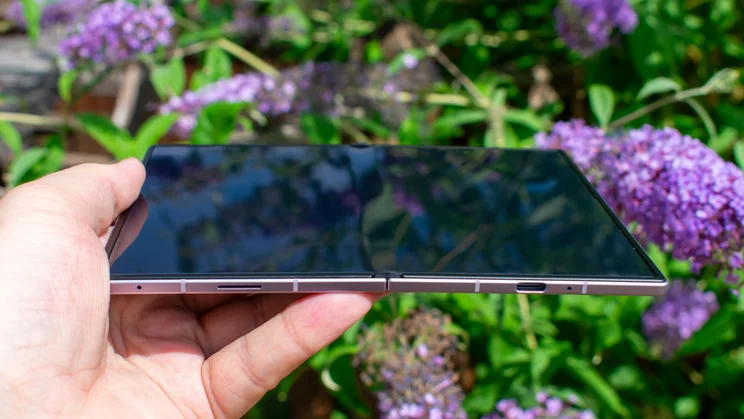
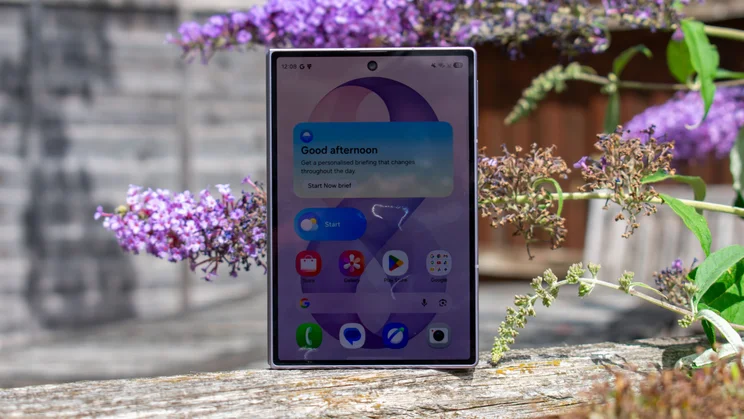
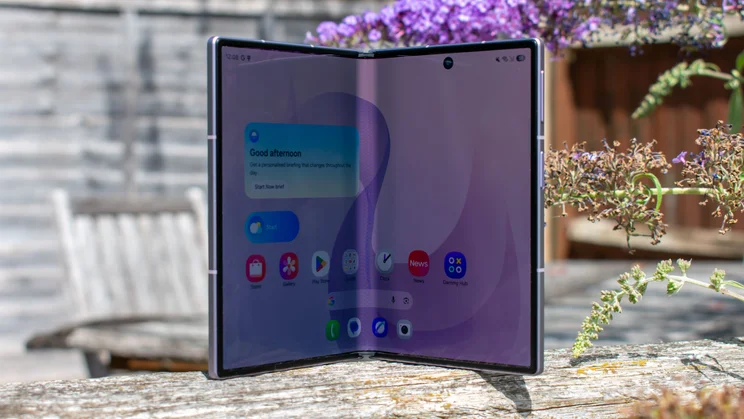
The new shorter, wider design results in display sizes different to those we’re used to. The cover screen is a 5.5in AMOLED 2X panel with a 1,264 x 1,828 resolution, 10:16 aspect ratio and dynamic LTPO refresh rate up to 120Hz. Unfolding the phone reveals a 7.6in internal display with a 4:3 aspect ratio, the same LTPO refresh rate and a reasonably sharp resolution of 2,584 x 1,828.
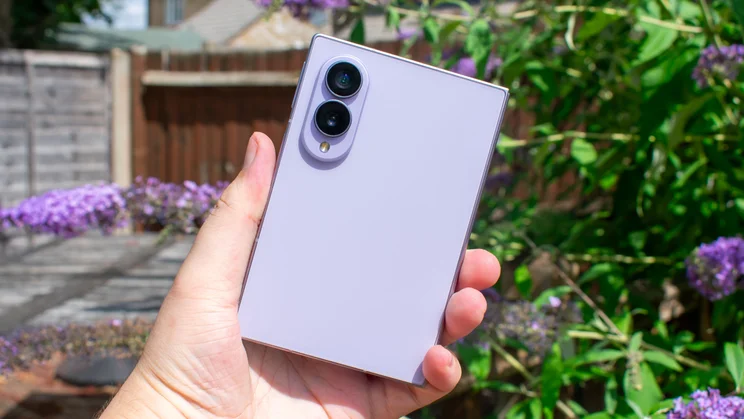
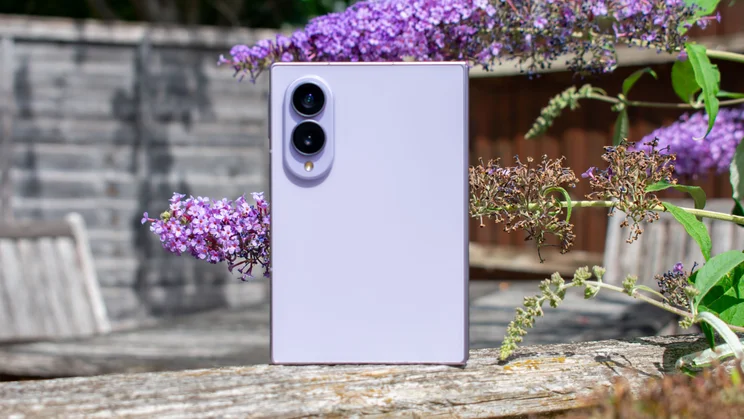
Both screens have the same 10-megapixel selfie cameras we saw on last year’s Galaxy Z Fold 7, but the rear cameras are different this generation. There’s no telephoto lens and the main camera is a less pixel-dense 50-megapixel sensor – but it gets the same upgraded 50-megapixel ultrawide as the Fold 8 Ultra to compensate.
The Galaxy Z Fold 8 runs on the Snapdragon 8 Elite Gen 5 for Galaxy, the same insanely powerful processor used by the Z Fold 8 Ultra and the Galaxy S26 Ultra. This is paired with 12GB of RAM and either 256GB or 512GB of storage, or 16GB of RAM and 1TB of internal storage.
Finally, with a new generation comes a new batch of colour choices: Graphite, Cream, the gentle green Pistachio and the soft Lavender seen here.
Price and competition
In a year with prices rising across the board, the Galaxy Z Fold 8 could not be arriving at a better time. It’s still not what the sane among us would call “cheap” but the £1,699 starting price undercuts just about every other foldable released this year.
That’s for the entry-level 256GB model, but you can get 512GB for £1,869 or the top-end 1TB version for an eye-watering £2,119 – though these are less appealing compared to rivals with the same storage configuration.
Motorola’s debut Razr Fold costs £1,799 but comes with 512GB of storage as standard. Honor’s latest Magic V6 foldable with 512GB had a launch price of £1,999, but there’s a £500 early-bird discount running until the end of July, making it technically the cheapest option around, at £1,499.
We’ll have to see where the upcoming Google Pixel 11 Pro Fold sits in this lineup when it’s officially announced in a few weeks, but based on the Pixel 10 Pro Fold, it won’t be any cheaper than the Galaxy Z Fold 8. Last year’s 256GB model cost £1,749, with the 512GB at £1,869 and the 1TB version at £2,099 – and I would be astounded if Google didn’t bump those prices by at least £100 this year.
Design and key features
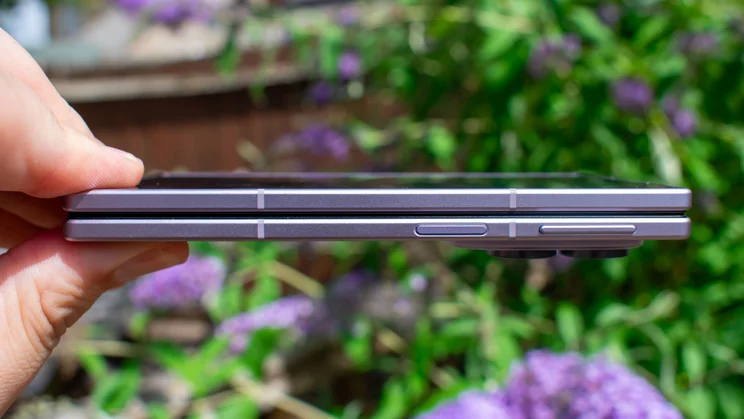
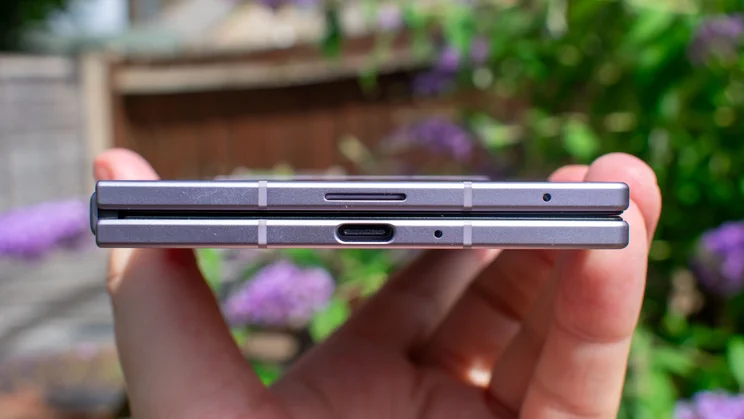
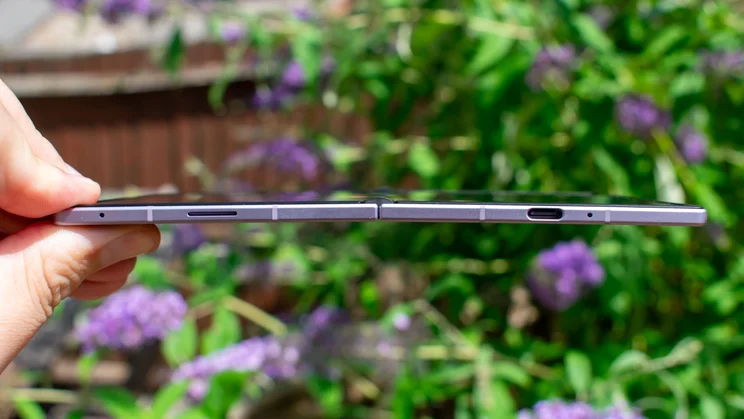
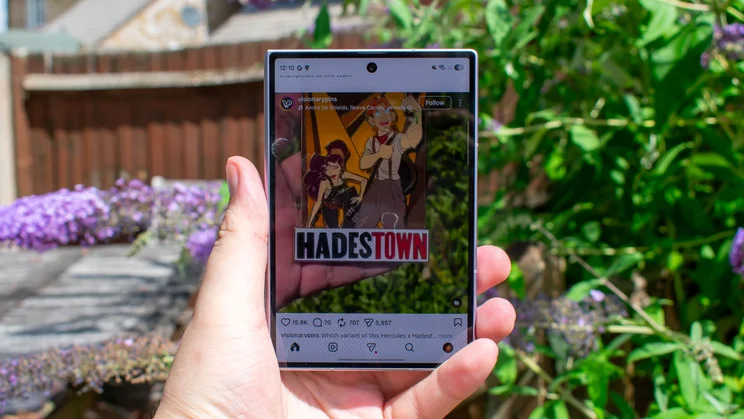
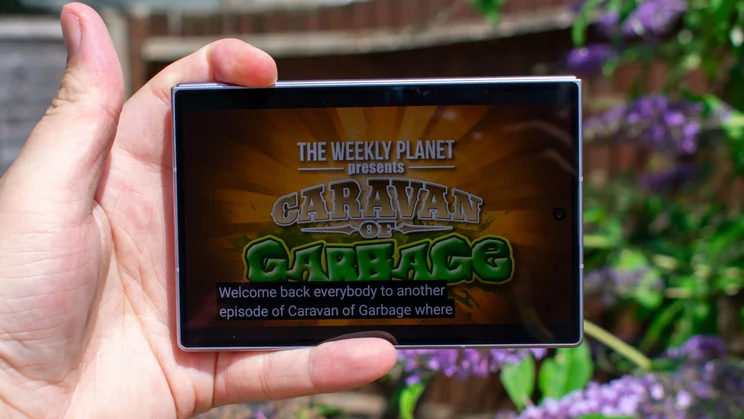
Ok this is the main event. The Z Fold 8 measures a squat 82 x 9.7 x 124mm when folded, which is roughly as tall as a passport and just a little narrower. Combined with the 201g weight – the lightest foldable yet – this design is a pleasure to use one-handed, with far more of the screen within reach of your thumb than you tend to get.
Unfurling the Z Fold 8 reveals a wide, tablet-esque footprint of 161 x 124mm (WxH) and a decently slim depth of 4.5mm – not quite to the level of the Z Fold 8 Ultra or the Honor Magic V6 (both 4.1mm) but still better than the Pixel 10 Pro Fold (5.2mm) and a hair slimmer than the Motorola Razr Fold (4.7mm).
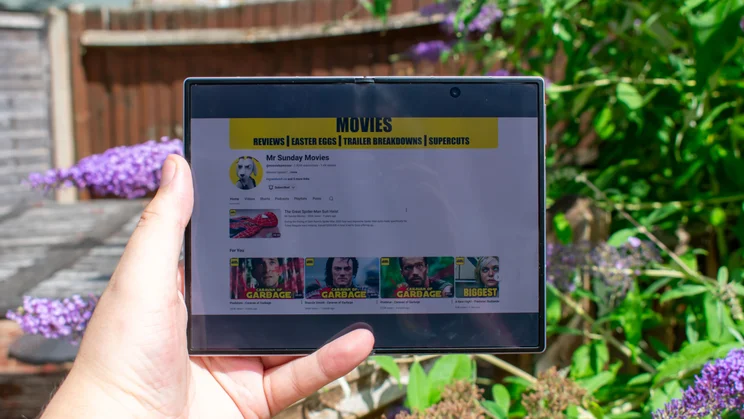
The new design is definitely an adjustment – especially to someone who spends his days playing with phones that all share a vaguely similar shape – but I quickly grew to appreciate it. The wider cover screen allows the onscreen keyboard to spread out more, resulting in fewer mispresses, and the 4:3 aspect ratio of the internal display feels better suited to gaming than the taller, squarer screen you get on other foldables.
The only issue I have with it – and indeed, Samsung’s 2026 foldables at large – is the lack of IP68 protection. Both Google and Honor have fully dustproof foldable phones, so it’s a shame to see Samsung using the same IP48 dust and water resistance as last year.
Samsung has used a new Flex Titanium structure for the internal display, which is notably thinner, stronger and more durable. I could see the effect of this on the hinge crease – or lack thereof. This is easily the most discreet bump in the middle of the screen I’ve ever seen on a Galaxy Fold, being all but invisible when the screen is illuminated and proving difficult to feel when I ran my finger over it, too.
All of Samsung’s foldables are debuting Android 17 and the OneUI 9.0 launcher, once again underpinned by seven years of software support. This latest upgrade makes some tweaks to the Now Brief and Now Nudge features, adding contextual suggestions of next steps and drawing relevant information and offering it up to you – providing reservation details when someone asks you in a text, for instance.
Most games and certain apps make proper use of the foldable display, but others remain frustratingly ill-optimised. Instagram, for instance, doesn’t open comments on the right side as YouTube does. Instead, it brings it up from the bottom, which covers half of the reel. This felt to me like a lazy port rather than intentional design.
Displays
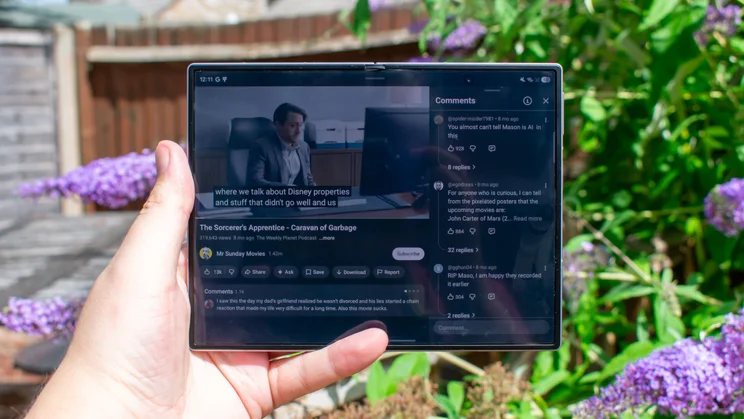
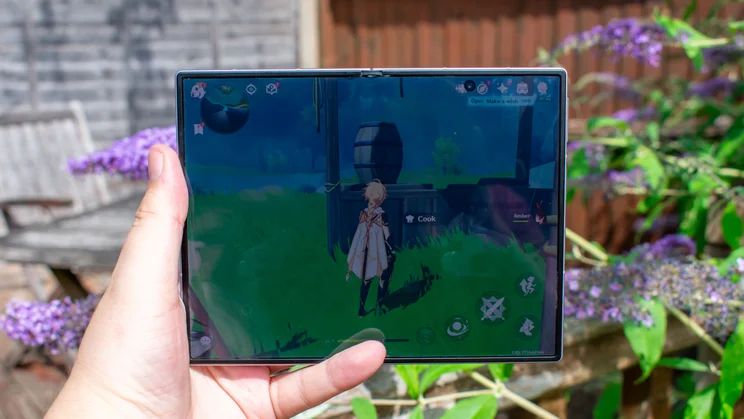
When apps are well-designed, however, the foldable screen is a delight to use. Browsing comments while watching a YouTube video, knocking around in Genshin: Impact without my thumbs covering a quarter of the screen or making plans with a WhatsApp and calendar split-screen – everything feels easier and more accessible with this wider screen.
For those using it on the move, this screen gets nice and bright, too. With adaptive brightness disabled, I recorded a dazzling peak of 714cd/m2. Switching adaptive brightness on and shining a torch pushed it to an elite 1,337cd/m2, and it topped out at 1,400cd/m2 when displaying HDR content. The cover screen was roughly the same, reaching 1,285cd/m2 on adaptive brightness and 1,404cd/m2 with HDR content.
Colour accuracy didn’t prove as strong – though this is regularly the case with Samsung, which prefers to march to its own drumbeat in the colour department – but both displays still stacked up well enough to the sRGB colour space. On the cover screen, I recorded an average Delta E of 1.53, while the internal screen was a little better at 1.37. I’m looking for 1 or under here, so neither is dramatically erroneous.
The only thing that actively disappointed me about the wide internal display is that Samsung has not brought back stylus support. Providing an expansive canvas and not allowing the use of an S Pen feels like a missed opportunity. Both the Honor Magic V6 and the Motorola Razr Fold support a stylus, though neither bundle one in the box, so it’s still an extra expense.
Performance and battery life
The 4.74GHz Snapdragon 8 Elite Gen 5 for Galaxy proved a nippy performer in my testing. In the Geekbench 6 CPU benchmarks, the Z Fold 8 scored 62% higher than its predecessor in the single-core stakes and 19% higher in the multi-core component of my test.
Its overclocking didn’t deliver more power than the standard Snapdragon 8 Elite Gen 5 in the Honor Magic V6, though. Indeed, the latter marginally outperformed both versions of the Z Fold 8, suggesting to me that Honor has a more efficient cooling system than Samsung.
When gaming on the Z Fold 8 with the display unfolded, my hands naturally sat roughly as far apart as when holding a typical game controller, which activated my muscle memory and made mobile gaming feel more comfortable and familiar.
As you can see below, the Z Fold 8’s GPU scores follow the same trajectory as the CPU – running the Geekbench 6 Vulkan test, it scored better than last year’s Z Fold 7 but couldn’t quite reach the heights achieved by the Magic V6. These differences are negligible, however, and I still far prefer gaming on the Z Fold 8’s wider display than using one of its square rivals.
The 4,800mAh battery capacity isn’t quite as good as the 5,000mAh you get with the Ultra model, but it’s a decent improvement on last year’s Z Fold 7. This doesn’t result in dramatically better battery life, however: running our looping video test on the main display saw the Z Fold 8 last for 24hrs 5mins, which is decent for a foldable, but only half an hour longer than the previous generation.
Things proved more impressive when I ran the test on the cover display, lasting for 32hrs 10mins, which is a little better than the Ultra model but not quite as strong as the excellent 39hr result of the Magic V6.
The Z Fold 8 doesn’t charge dramatically faster than its predecessor – the 45W charging is balanced by the higher capacity battery – but it’s solid enough. 25mins on charge brought it to 50% from empty, and it hit 100% after 1hr 13mins, which is roughly the same as the Honor Magic V6.
The only downside here is that you don’t get wireless charging. It’s one of the few premium features that differentiates the base model from the more expensive Ultra model. That’s fair enough, but the Z Fold 8 is still a very expensive phone, and the lack of wireless charging stings.
Cameras
The main area in which the Z Fold 8 is a notable downgrade on its Ultra sibling is the camera suite. The biggest issue is that the Z Fold 8 lacks a telephoto camera. In the same vein as the above discourse on wireless charging, it’s understandable that you want to differentiate models, but a £1,699 phone without a telephoto camera is tough to accept.
The main camera is also less pixel-packed here, with a 50-megapixel (f/1.8) shooter in place of the Ultra’s (and last year’s Galaxy Z Fold 7’s) 200-megapixel (f/1.7) camera. It’s not just that it has fewer pixels; the Z Fold 8’s main lens also has a smaller 1/1.57in sensor (compared to 1/1.3in on the Ultra).
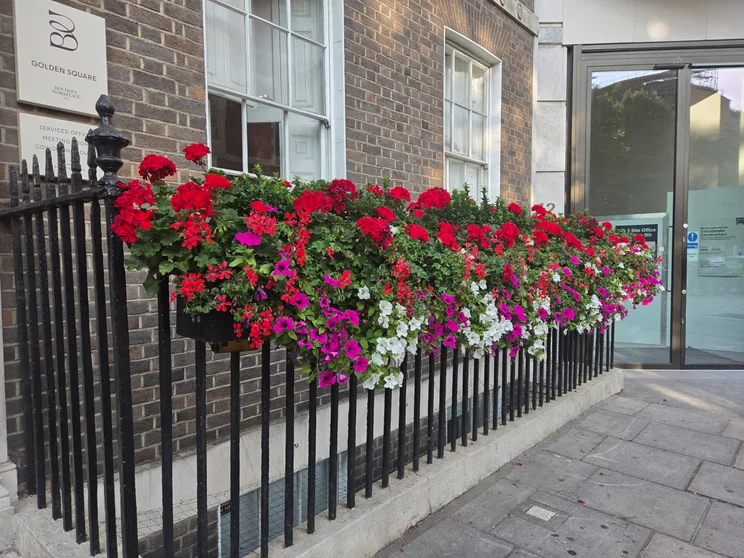
Even with the specification downgrades, shots captured with this lens are nicely detailed and brought to life by Samsung’s trademark punchy colour palette.
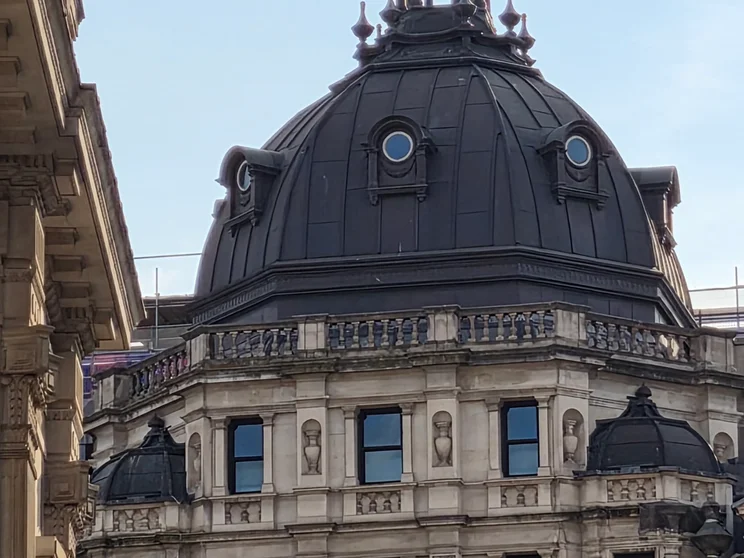
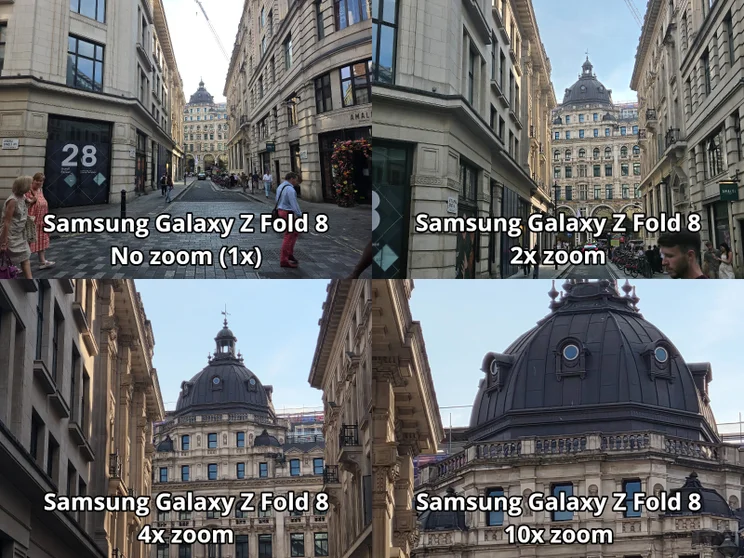
The lack of a telephoto lens means the zoom’s reach isn’t particularly extensive, either. Where the Ultra model reaches 100x, the Z Fold 8 only goes to 10x. Shots at maximum magnification are fine, with solid detail and decent colouring, but it’s a shame to have such paltry zoom photography on a phone this expensive.
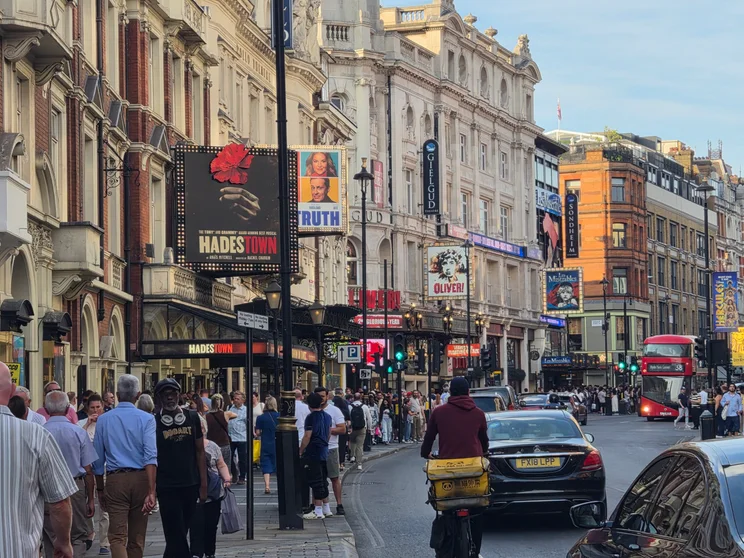
Between the smaller sensor and the narrower f/1.8 aperture, it’s little surprise that the Z Fold 8 isn’t quite as competent at night photography as its predecessor. It’s not bad – the colouring remains nicely natural and artificial light sources are handled reasonably well – but detail levels aren’t the best, and you tend to end up with a fair amount of visual noise in the sky.
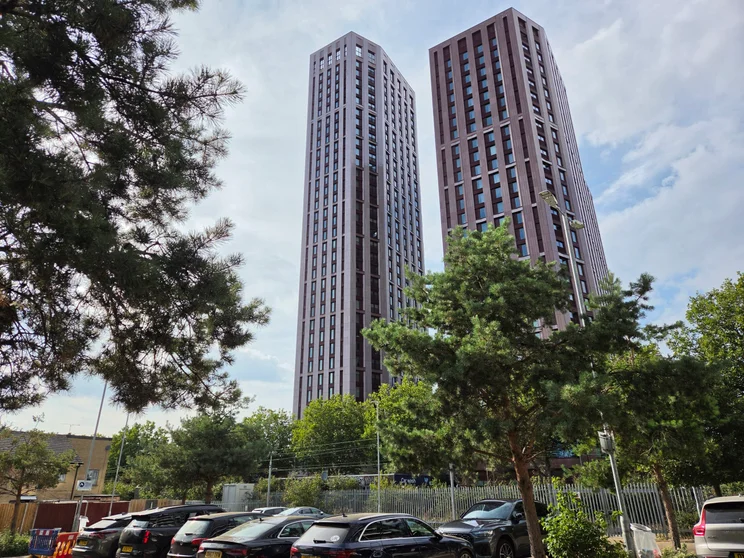
I’ve been fairly lukewarm on the cameras so far, but the 50-megapixel (f/1.9) ultrawide lens is excellent. This shooter is a huge improvement on last year’s 12-megapixel lens, with top-notch detail, a colour tone that is essentially identical to the main lens and barely any blurring in the corners.
Rounding out the lenses are a pair of 10-megapixel selfie cameras, which do the job for video calls but, as with all foldables, you’ll get better results by flipping the phone and using the rear camera for selfies.
Video, at least, matches the Ultra model, shooting 4K up to 120fps and 8K at 30fps, with support for 10-bit HDR and LOG formats.
Samsung Galaxy Z Fold 8: Verdict
I wish I could wholeheartedly recommend the Galaxy Z Fold 8. The design is refreshing and functional, and given an even playing field in every other regard, I’d choose this form over the traditional tall and skinny foldable any day of the week. Whatever happens with the Z Fold 8, Samsung should keep tweaking this design, because it deserves to be a part of the foldable market moving forward.
However, the rudimentary camera suite really holds back the Z Fold 8 from being a serious threat to the best foldable around, the Honor Magic V6. I’d be writing a rather different verdict if Samsung had at least stretched to including a telephoto camera – though the IP48 rating and lack of wireless charging are still concerns.
Buy the Galaxy Z Fold 8 if you’re excited to try the new design right away. Otherwise, exercise a little patience and wait for Samsung to refine it further.