To help us provide you with free impartial advice, we may earn a commission if you buy through links on our site. Learn more
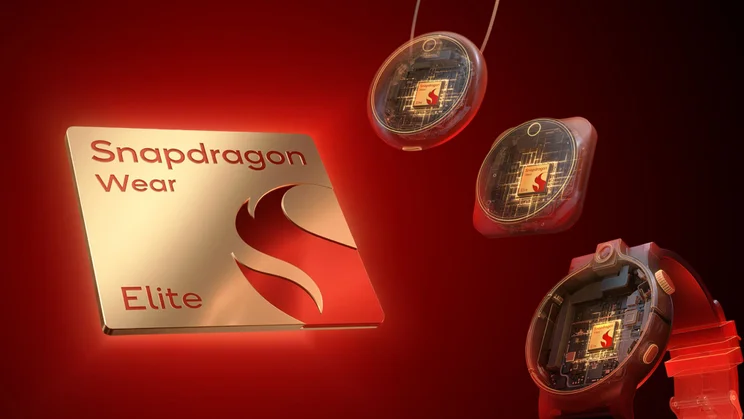
Once upon a time, smartwatches were the next big thing, but if Qualcomm’s latest announcement is anything to go by, the next generation of wearables will be anything but as staid.
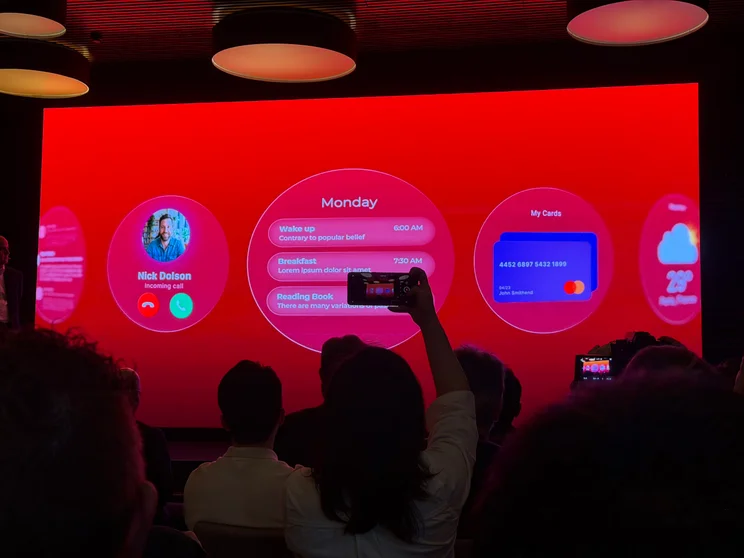
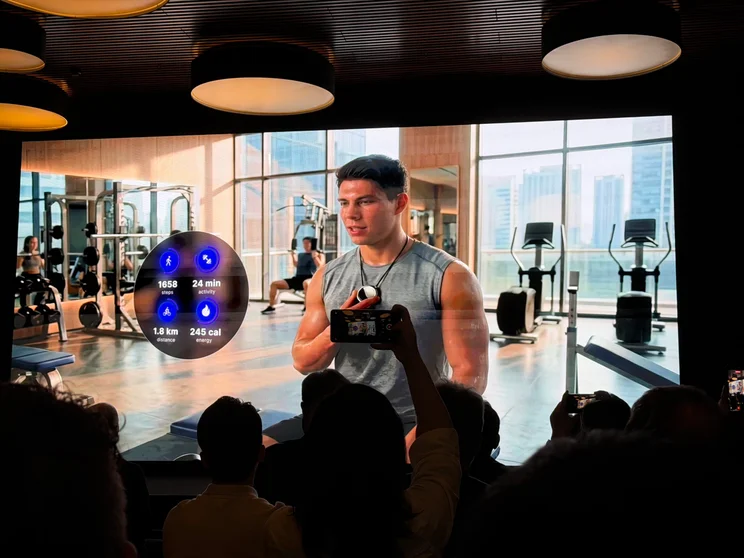
In fact, in unveiling its new Snapdragon Wear Elite platform, the smartphone chipset giant hardly mentioned the word smartwatch at all; instead, it intends to market the chipset as a “personal AI platform”, designed to power all sorts of wearables, including AI pins and pendants, AI “hubs, and presumably personal devices such as smart glasses as well. Naturally, you will also see the Wear Elite in more traditional devices such as smartwatches but more details on that, anon.
Given that AI is in everything these days, it’s perhaps understandable that Qualcomm would want to spread the appeal of Wear Elite, especially given how few smartwatches actually currently make use of the previous generation W5 Gen 2 chips. There’s the Pixel Watch 4 – and currently nothing else of significance.
The key upgrade is the integration of an onboard NPU. The Hexagon NPU inside the Wear Elite isn’t as powerful as the NPU in the company’s full-blown smartphone and laptop processors, but it should lighten the processing load for AI-specific tasks in wearables like those processing voice commands, transcription and translation, or those processing visual inputs such as AI smart glasses.
Qualcomm calls this new generation of wearables, somewhat cringe-inducingly, “the ecosystem of you”, predicting that Wear Elite will enable “real-time agentic experiences” and be able to support up to billion-parameter AI models.
Aside from the AI features, Qualcomm says the chipset is also far more powerful and efficient than previous models. Qualcomm says its new five-core CPU has single-core performance that has been boosted five-fold, there’s also 7x faster GPU performance, “multi-day battery life” and faster charging. I’m not expecting great things when it comes to stamina, however, given that the W5 Gen 2 chip powering the Pixel Watch 4 is only capable of keeping the lights on for up to 40 hours. I am prepared to be proved wrong, however.
To wrap up, the new chip also gets 5G capabilities, Micro-power Wi-Fi, UltraWideBand support, Bluetooth 6, GNSS, and NB-NTN satellite connectivity, as with the W5 Gen 2.
This is all interesting stuff, but the proof of this particular technological pudding will be in the eating: in other words, when we start to see the new chipset appearing in actual wearables – and when these so-called AI wearables begin to take shape.
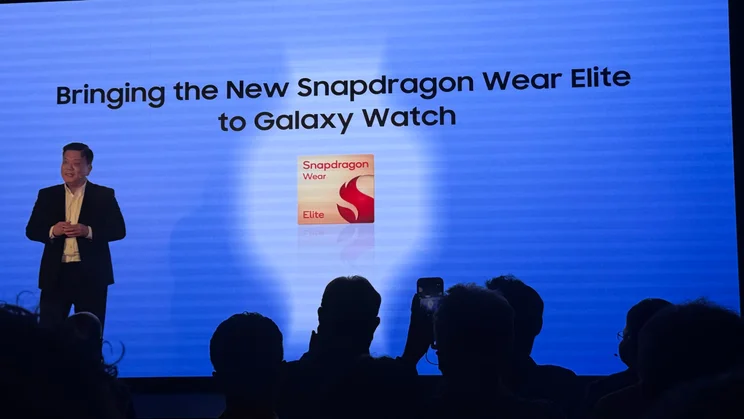
You won’t have to wait long, however. The next-generation Galaxy Watch – set to be announced in the coming months – will be powered by Snapdragon Wear Elite, and Qualcomm’s partnerships with Motorola and Google should ensure a steady stream of Wear Elite-powered products throught 2026. We might just get an announcement or two during MWC as well, though, so watch this space. We’ll bring you all the news as and when it breaks.