To help us provide you with free impartial advice, we may earn a commission if you buy through links on our site. Learn more
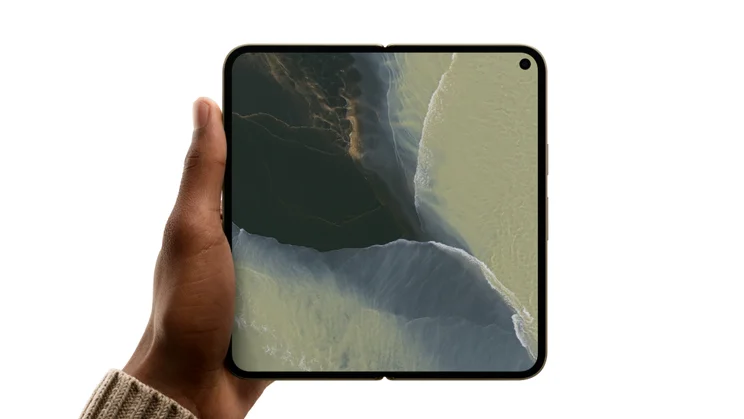
The Google Pixel 11 Pro Fold is the last major Android entry in this summer of foldable smartphones – though rumours have Apple finally releasing its foldable iPhone this year, so it might not be the last hurrah overall.
There’s already been very strong competition this year, with the Honor Magic V6 leading the charge in both slimness and performance, while the Samsung Galaxy Z Fold 8 introduces a useful new form factor with the lightest foldable weight yet.
With such quality on the board, the Pixel 11 Pro Fold has little room to make a name for itself. It’s not the lightest, slimmest or most durable, and it doesn’t have the highest battery capacity – though how its stamina turns out will have to wait for the full review.
Google Pixel 11 Pro Fold: Specifications
- Google Tensor G6 processor
- 16GB of RAM
- 256GB, 512GB or 1TB of storage
- 8in, 2,152 x 2,076, 120Hz LTPO OLED foldable display
- 6.5in, 2,342 x 1,080, 120Hz LTPO OLED cover display
- 4,750mAh battery
- 30W wired charging
- 25W Qi2.2 wireless charging
- IP68 dust and water resistance
- Rear cameras: 48MP (f/1.7) main; 10.5MP (f/2.2) ultrawide; 10.8MP (f/3.1) 5x telephoto
- 10MP (f/2.2) selfie camera x2
- Dimensions (WDH): 76 x 10 x 155mm (folded); 150 x 5 x 155mm (unfolded)
- Weight: 239g
- Colours: Olive, Obsidian
- UK price: From £1,799
- UK release date: 19 August 2026; Preorder now from Google
Google Pixel 11 Pro Fold: Key new features and first impressions
It seems that all attention focuses on the thickness and weight when it comes to foldable phones, so let’s start there. The Pixel 11 Pro Fold is quite a bit lighter than the Pixel 10 Pro Fold, down from a hefty 258g to 239g, but thickness is only a little better. Folded, it’s now 10mm thick, down from 11mm, and it unfolds to 5.0mm, compared with 5.2mm last year.
Better than before doesn’t mean best, however, and the Pixel 11 Pro Fold is still quite far behind the competition. The Honor Magic V6 is the slimmest foldable around right now, at just 4.1mm unfolded, and the Samsung Galaxy Z Fold 8 is the lightest foldable yet, weighing a mere 201g. Even the Galaxy Z Fold 8 Ultra, which is more of a direct competitor to the Pixel, is lighter, at 215g.
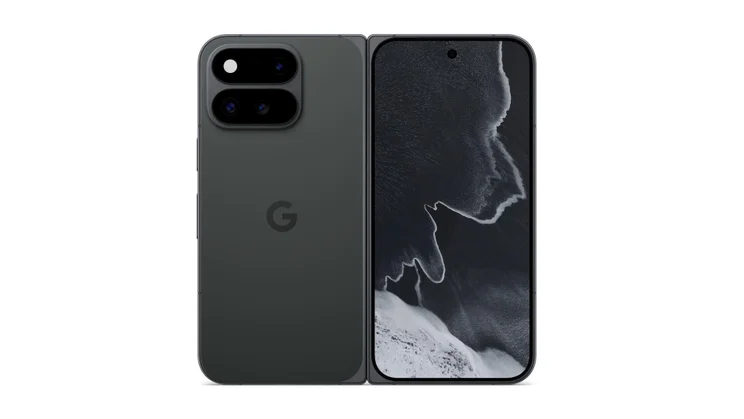
Google keeps its advantage over Samsung with another IP68 dust and water resistance rating (Samsung still hasn’t cracked a fully dustproof foldable) speaking of which, the rear of the phone has a new glass fibre composite layer that Google claims is almost impossible to crack. Paired with the new ceramic glass layer over the cover screen, this apparently makes the 11 Pro Fold three times more durable than the previous generation.
Otherwise, the Pixel 11 Pro Fold mostly looks the same as its predecessor. There are two new colours this year – Obsidian and Olive – and the rear camera module has been redesigned slightly, stretching the pill-shaped glass panels to the edges of the housing.
The flash is now contained in the glass rather than sitting separately, and is also ringed by an array of LEDs for the new HiLight feature. Originally rumoured to be called Pixel Glow, this function allows you to get basic information without engaging with the display, just like an old notification light.
At launch, HiLight can show you Gemini is listening or responding to you or be set to glow certain colours to indicate favourite contacts are trying to call you. This feels rather rudimentary compared with the likes of the Nothing Phone (4a) Pro and its customisable Glyph Matrix, but it’s interesting enough and I’ll see how well it works when it comes time for testing.
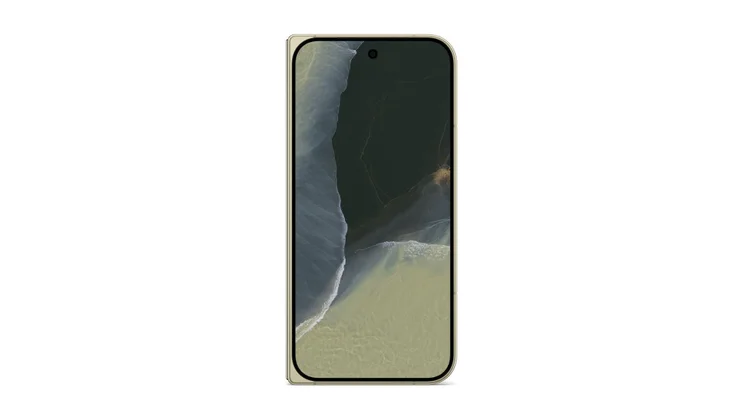
The cameras are mostly the same as last year but the main lens gets the same sensor upgrade that we see on the Pixel 11, now much larger at 1/1.56in. The displays are only marginally different, too. The inner folding screen has the same specs but its bezel is slimmer than before, and the cover screen is a tiny bit bigger, at 6.5in, up from 6.4in.
Inside, the Pixel 11 Pro Fold features the new Tensor G6 processor, which apparently allows for up to 25% faster web browsing, up to 15% faster app loading and power efficiency up to 20% better than the previous version. The latter in particular is handy because Google has decided to reduce the battery capacity for this generation, dropping from 5,015mAh to 4,750mAh.
Considering that weak battery life was a concern last year, this seems like an odd move. But perhaps the new processor is power efficient enough to compensate for this lower capacity.
Wired charging is once again up to 30W, but just like the rest of the Pixel 11 series, the 11 Pro Fold now supports the superior Qi2.2 wireless charging standard, allowing for speeds up to 25W.
Other new features include sign-language translation that uses both displays, allowing for real-time conversation, and the Magic Capture camera mode, which records a video and intelligently pulls high-quality stills to better capture moving moments without you having to hit the shutter over and over.
Google Pixel 11 Pro Fold: Early verdict
I don’t buy into the narrative that thinness is the final word in the quality of a foldable phone, especially when we’re talking about the minute differences that we’ve started to see from the likes of Honor’s Magic V6 and Samsung’s Galaxy Z Fold 8 Ultra.
With that being said, Google’s efforts feel several generations behind the competition, and the comparative heft of the Pixel 11 Pro Fold will contribute to the way it is perceived when it launches.
I have concerns about the lower battery capacity, too. The promised improvements to power efficiency are encouraging, but cutting capacity after the previous generation already underperformed in stamina tests feels like a backwards move. The answer to these questions will come when I put the Pixel 11 Pro Fold through testing, so be sure to check back soon for the final verdict.