To help us provide you with free impartial advice, we may earn a commission if you buy through links on our site. Learn more



- Much improved design
- Slimmer, more robust aluminium build
- Gorgeous 3.5x telephoto camera
- Way too similar to the Phone (4a)
- Weak ultrawide camera
- Only 3 OS updates promised
We’re only a couple of generations into Nothing’s burgeoning A-series of mid-range smartphones but the London-based brand has already established itself as one of the most interesting and innovative players in this corner of the market. With eye-catching designs, accessible software and unique features like telephoto cameras and Essential AI, Nothing Phones really stand out from the crowd.
While the Nothing Phone (4a) Pro hits all of these notes, the issue is that the same can be said for its far cheaper sibling, the Nothing Phone (4a). The lack of distinction between standard and Pro models was an issue with last year’s Phone (3a) series, too, and unfortunately, Nothing still hasn’t quite found the right balance.
With such a gulf between prices and very few physical differences between the two, it’s hard to recommend the Nothing Phone (4a) Pro. If you desperately want the metal build, I’d wait until it’s on sale. Otherwise, save some cash and pick up the non-Pro model instead.
Nothing Phone (4a) Pro: What you need to know
Aside from the immediately obvious design differences (which we’ll unpack fully below), the upgrades over the standard Phone (4a) are relatively few and require closer inspection.
The display, for instance, is just a tiny bit larger (6.83in compared to 6.78in) and has a slightly sharper 2,800 x 1,260 resolution and a higher 144Hz refresh rate. The processor, meanwhile, is a Snapdragon 7 Gen 4 chipset, clocked up to 2.8GHz – a minor uptick from the 2.7GHz Snapdragon 7s Gen 4 platform used by the non-Pro model.
Backing up the chipset is the same RAM (8GB or 12GB) and storage (128GB or 256GB) that you get on the cheaper model, and the battery is the same 5,080mAh cell, too. Charging is also identical, supporting wired charging up to 50W.
The camera system is almost identical, with a 32-megapixel (f/2.2) selfie shooter on the front and a 50-megapixel (f/1.9) main camera. And on the rear, you’ve got a 50-megapixel (f/2.9) 3.5x periscope telephoto and 8-megapixel (f/2.2) ultrawide. The only difference is that the Pro has a marginally (and I mean marginally) larger sensor on the main camera: 1/1.56in, compared to 1/1.57in on the standard Phone (4a).
Price and competition
Despite their similarities, the Nothing Phone (4a) Pro costs £150 more than its little sibling, with the 8GB/128GB model costing £499. The 12GB/256GB version, meanwhile, is £549. Last year’s Phone (3a) Pro only came in the latter configuration, and cost £449, so that’s a cool £100 price increase for this generation.
The £499 starting price puts the Phone (4a) Pro squarely against the biggest player in this price range, the Google Pixel 10a. This is our favourite mid-range phone right now and also gets you 128GB for that starting price, with the 256GB version at the same £549 as the Nothing. Benefits here include class-leading cameras and seven years of software support, though it lacks the Phone (4a)’s telephoto camera.
Another great option in this price range is the OnePlus Nord 5, which delivers incredible performance and battery life for a bargain price: the 256GB model costs just £339 and the 512GB version is only £398. There’s no telephoto camera like the Phone (4a) Pro, and software support isn’t as good as the Pixel, but for raw power at a low price, the OnePlus Nord 5 is your best bet.
Design and key features
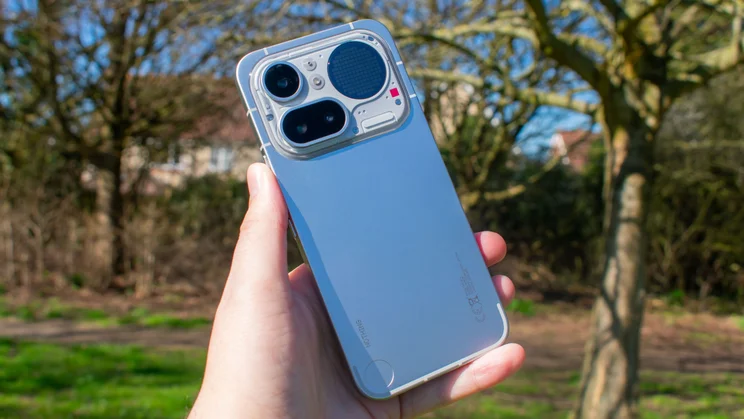
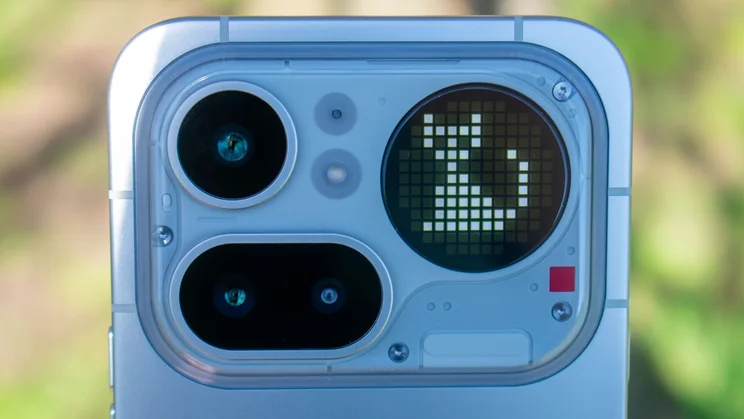
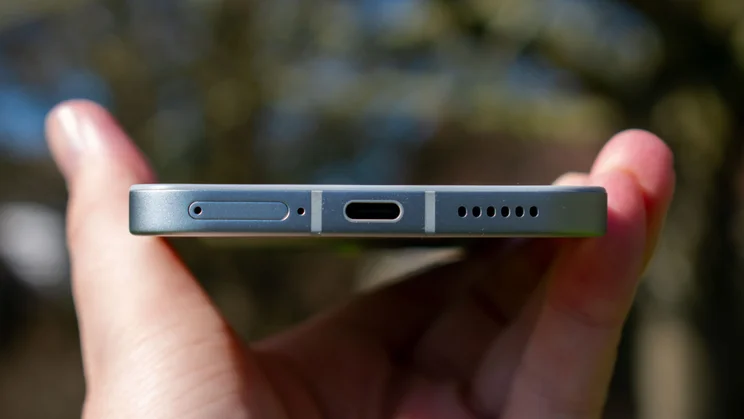
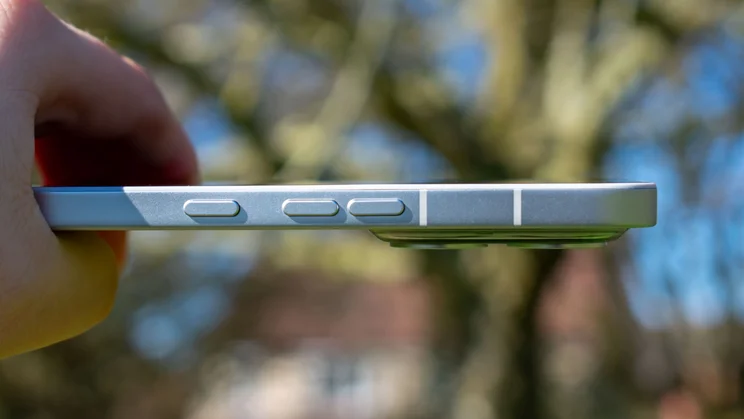
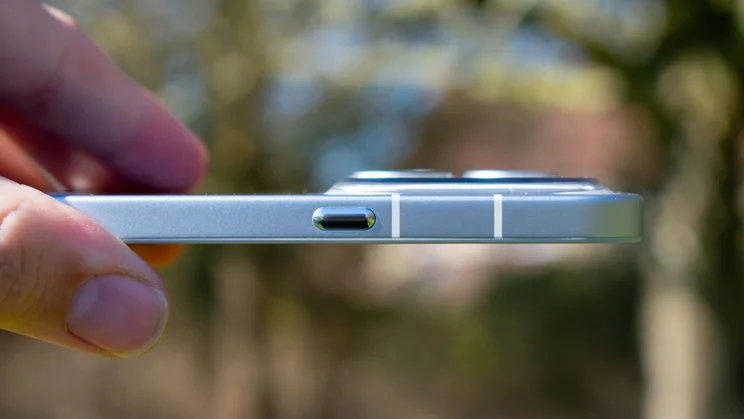
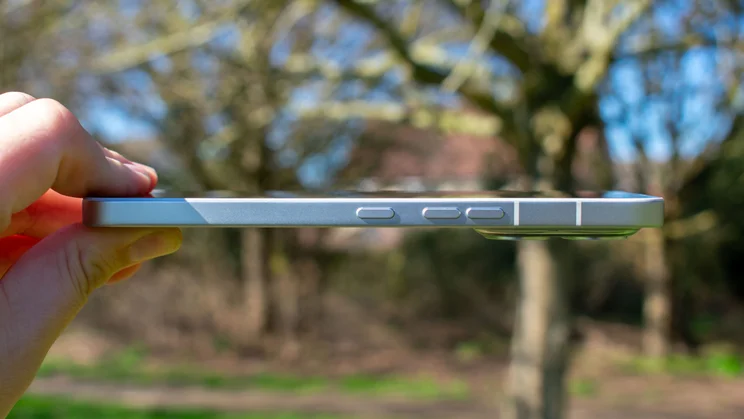
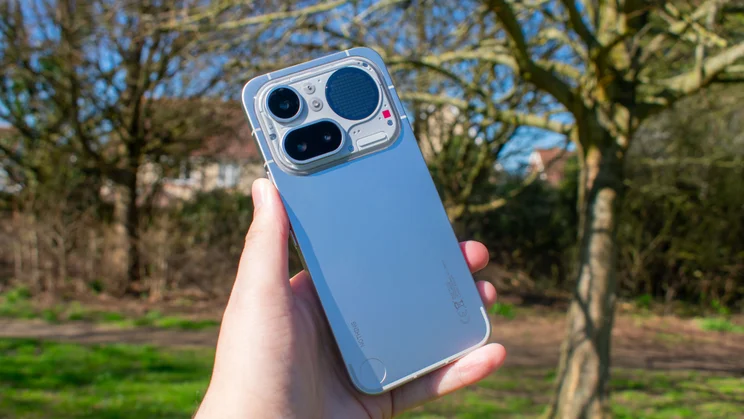
I had several problems with the design of the Nothing Phone (3a) Pro last year, so it’s great to see Nothing make substantial improvements here: it’s thinner in both width (77mm) and depth (8mm), making it feel much more comfortable in the hand. The plastic and glass body has been replaced here with robust aluminium, the dust and water resistance is (marginally) upgraded to IP65 and the cameras are now tucked into a less obtrusive rounded plastic bubble.
It’s definitely a little iPhone 17 Pro-coded, which I don’t love. And though we still have a splash of the iconic Nothing aesthetic in the “exposed internals” of the camera housing, purists will likely find this to be a neutered and watered-down version of the design.
Even still, I like the overall look. It feels premium and comfortable to hold, with a far better balance between the top and bottom halves, and it retains just enough independent design language to keep from disappearing into the sea of samey smartphones. You might mistake the black model or the silver reviewed here for another brand at a glance, but Nothing has at least included a rather elegant dusty pink version for this generation.
Joining the cameras in their bubble is the latest version of the Glyph Matrix lighting that first appeared on the Nothing Phone (3). It’s a little bigger here, though with fewer LEDs overall, and I find that it blends into its surroundings far better than the Phone (3) version did, feeling less tacked on and more a part of intentional design.
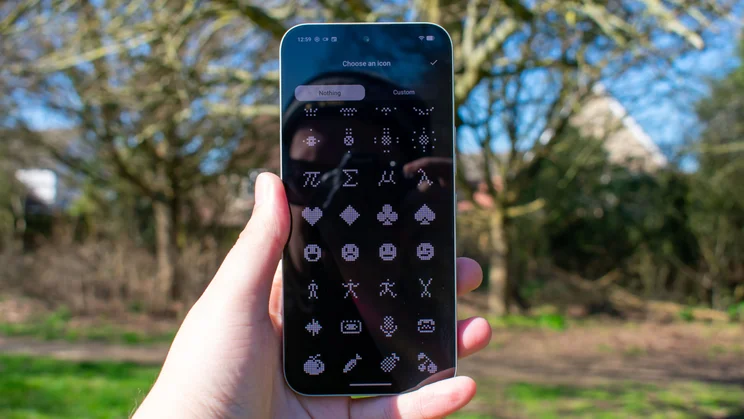
As with the Phone (3), the Glyph Matrix can be programmed to light up select LEDs for a handful of animations, ranging from a sand-timer-esque countdown or a simple clock, as well as different patterns to alert you of a specific caller and a battery charging indicator. There are also custom setting options with more than 80 pictures to choose from, including the likes of a winky face, a heart, a cat and an aeroplane, and you can even create your own light patterns by converting photos – though your mileage will vary with how effective this is.
Best of all, the Essential Key is now sitting high up on the left edge. No matter which hand you hold the phone with, this placement is far more convenient for the quick single and double-taps required to use the Essential Space AI.
Speaking of which, Nothing’s thoughtfully designed AI package is as useful here as ever, capturing your screen content, along with notes or voice recordings if you wish, and then intelligently sorting the results into folders and to-do lists in the Essential Space app. You can also search via Google Gemini for even easier recall.
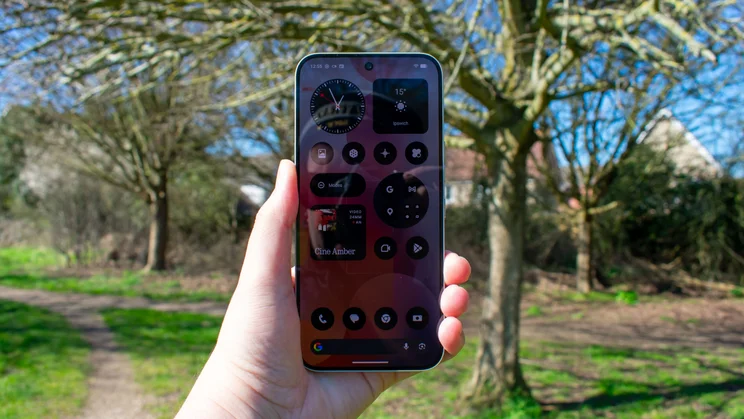
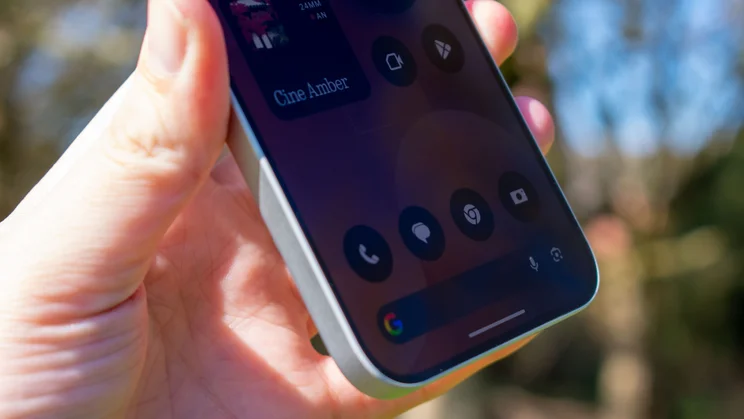
Otherwise, the software is sleek and unique, with Nothing’s widget-based homescreen and relatively few preinstalled apps getting in the way. The only issue is software support, which is set at three years of OS updates and six of security patches. By contrast, the OnePlus Nord 5 gets the same security pledge but with four OS updates, while the Pixel 10a leads the pack with seven years of both.
Display
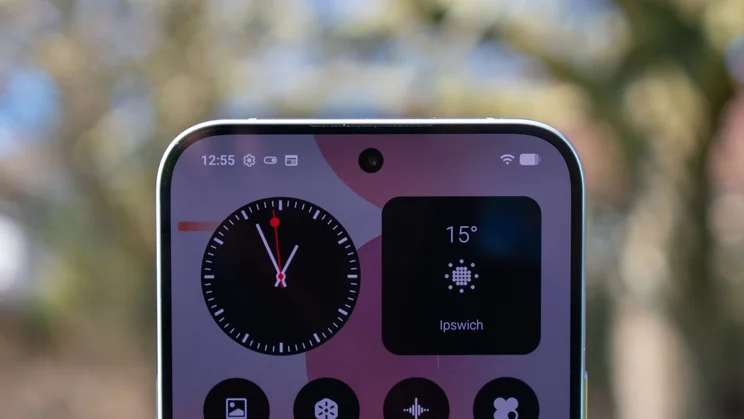
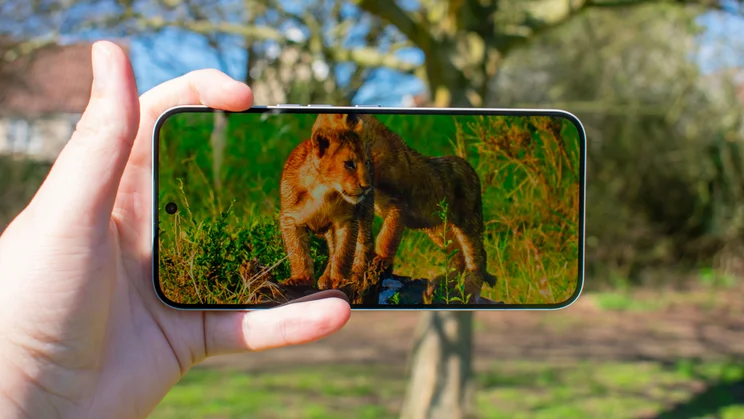
The display is a gorgeous AMOLED panel with a sharp 2,800 x 1,200 resolution and a smooth 144Hz refresh rate. There’s a layer of Gorilla Glass 7i sitting over it for scratch protection and it proved to be a fair bit brighter than its predecessor in my testing. With autobrightness off, I recorded it at 771cd/m2, while switching to adaptive and shining a torch on the light sensor pushed it up to a fantastic 1,541cd/m2.
Colour accuracy also impressed me. You get Nothing’s two standard colour profiles here: the default Alive is better for making your streaming and gaming pop with vibrant colours, while Normal shoots for authenticity. On the latter, I recorded an sRGB gamut coverage of 94.5% with a volume of 95.5%. The average Delta E colour variance score came back at just 0.86, which is right on the money for our target of 1 or under, and speaks to pin-point accuracy.
Performance and battery life
On paper, the Snapdragon 7 Gen 4 chipset used here appears to only be a tiny bit faster than the 7s Gen 4 used in the non-Pro (4a) – clocked up to 2.8GHz compared to 2.7GHz – but in addition to the higher peak clock speed, it also has a slightly more powerful distribution of the rest of the cores.
We see this difference play out in the Geekbench 6 CPU tests: while the Nothing Phone (4a) only scored 9% higher than the standard Phone (4a) in the single-core tests, the multi-core results were far faster, with a lead of 31%.
These results put the Phone (4a) Pro in the same ballpark as the Pixel 10a for multi-core operations but single-core performance is still 30% better with the Google.
Even more notable is the difference between the Phone (4a) Pro and the Phone (4a) when it comes to gaming. In the Geekbench 6 Vulkan GPU stress test (in which higher numbers indicate a greater capacity for fluid, responsive 3D rendering), the Nothing Phone (4a) Pro scored 7,494, compared to the Phone (4a)’s 4,697. Both the Pixel 10a and OnePlus Nord 5 scored better still, however, at 10,060 and 10,272, respectively.
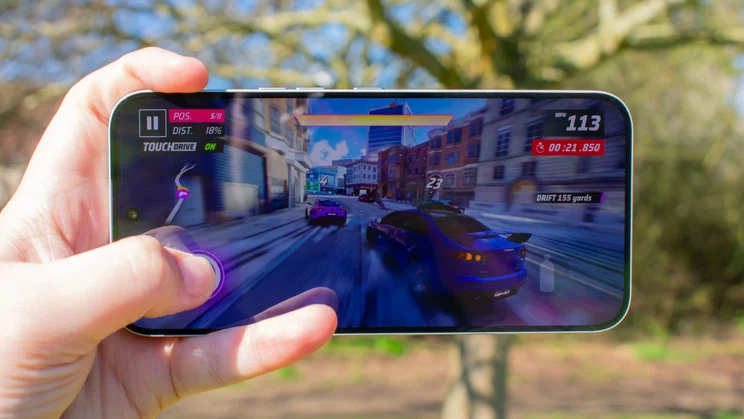
Still, this extra power made the Nothing Phone (4a) Pro better at smooth gaming than its junior sibling; I ran a few laps in Asphalt Legends and never noticed any dips in the framerate, while the textures remained sharp and clean as they whizzed past.
Battery life is less impressive but still solid enough. The 5,080mAh battery ran our looping video test for just under 27hrs before tapping out, which is roughly the same as last year’s Phone (3a) Pro. Once again, the Pixel and the OnePlus are showing Nothing up here, both with results that surpassed 35hrs in testing.
Once depleted, the battery can be juiced back up with wired charging up to 50W. In my testing, it took 22 minutes plugged in for the battery to reach 50%, while a full charge took around 1hr 8mins. That’s broadly the same as the Nothing Phone (4a) and faster than the Pixel 10a, which takes roughly 1.5hrs to hit 100%.
Cameras
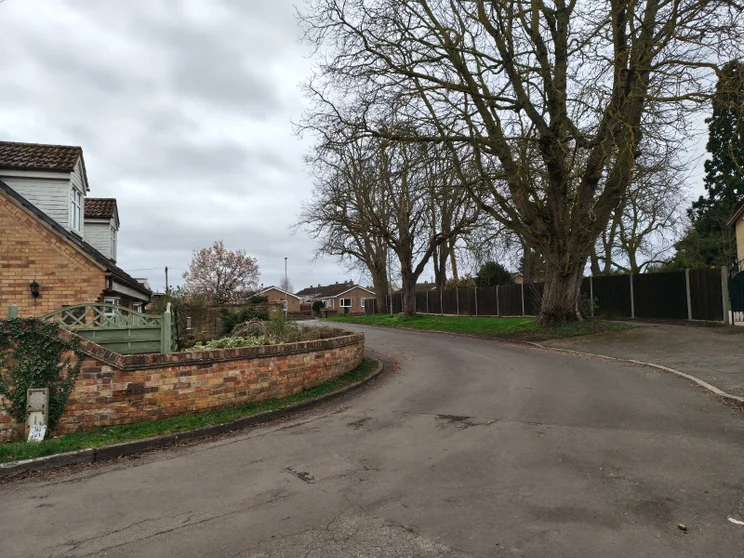
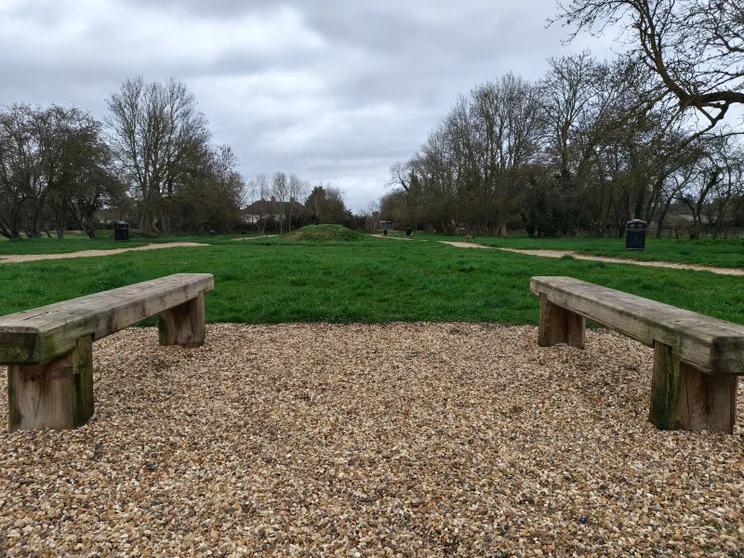
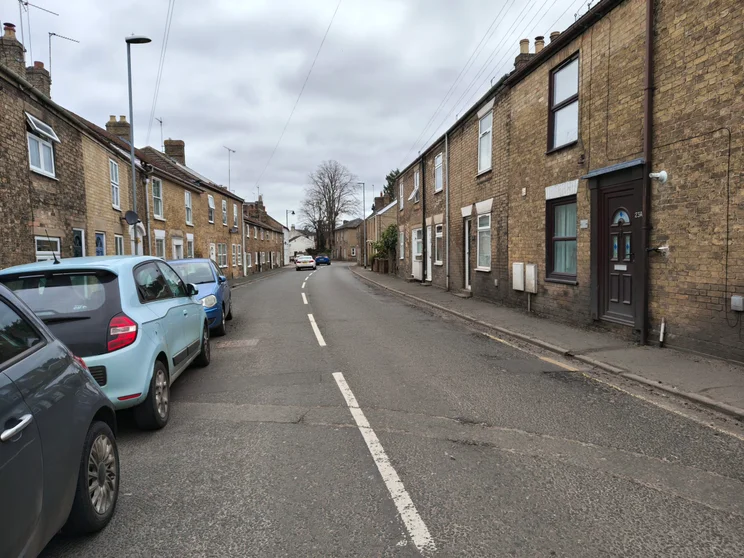
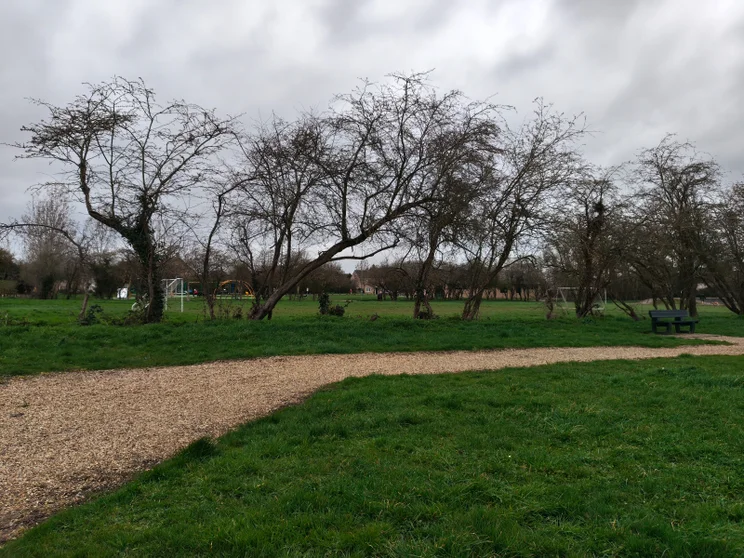
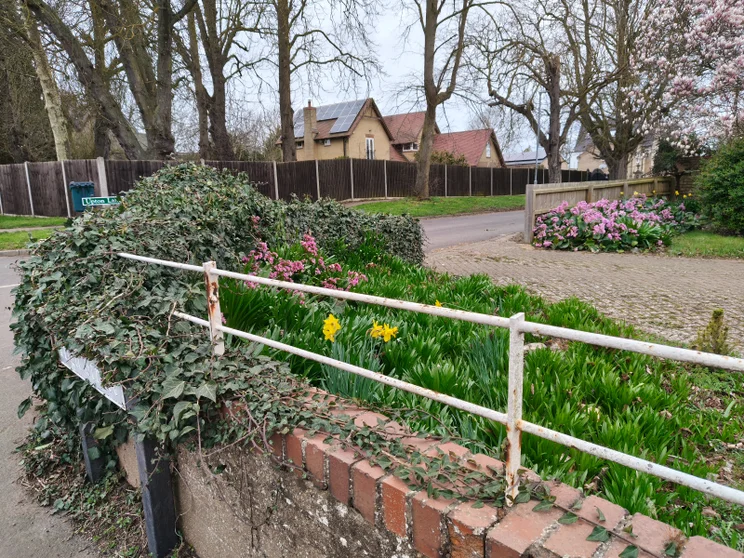
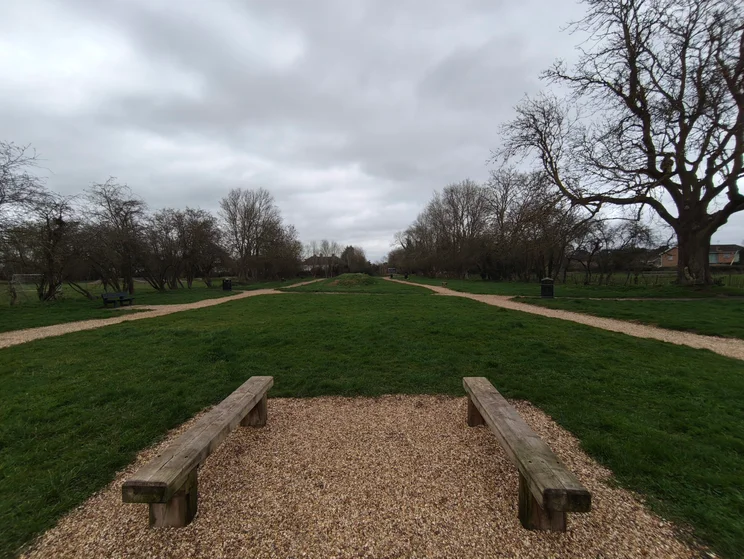
The 50-megapixel (f/1.9) main camera performs very well in good lighting conditions, snapping up sharp, well-exposed shots with lovely natural colours and solid dynamic range – just look at the definition in the grey, wintry sky below.
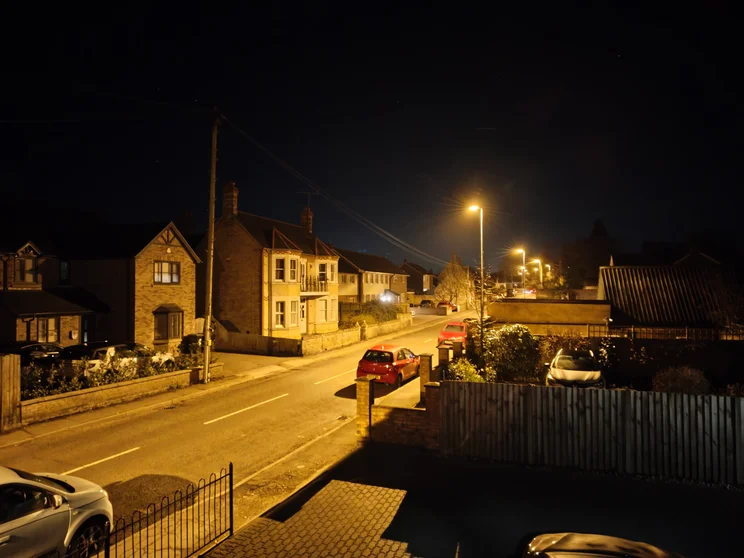
The relatively narrow f/1.9 aperture does mean that it struggles a little after dark, however. The brightening is acceptable enough and colours still look good but the level of detail retained leaves something to be desired.
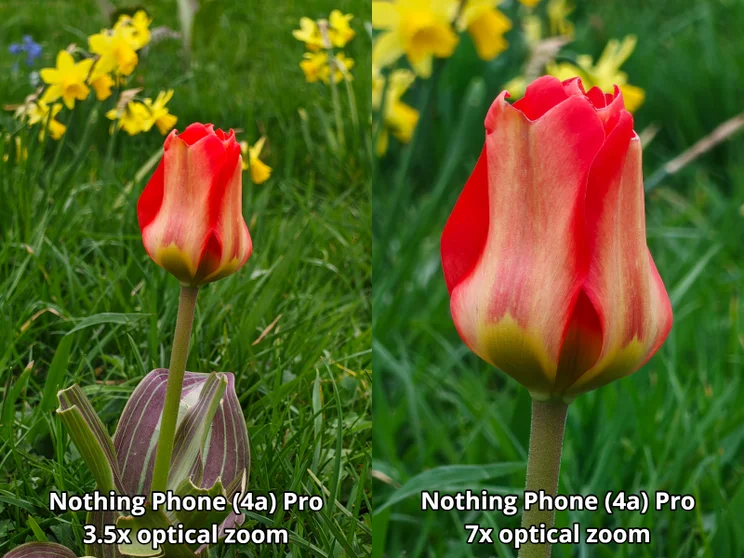
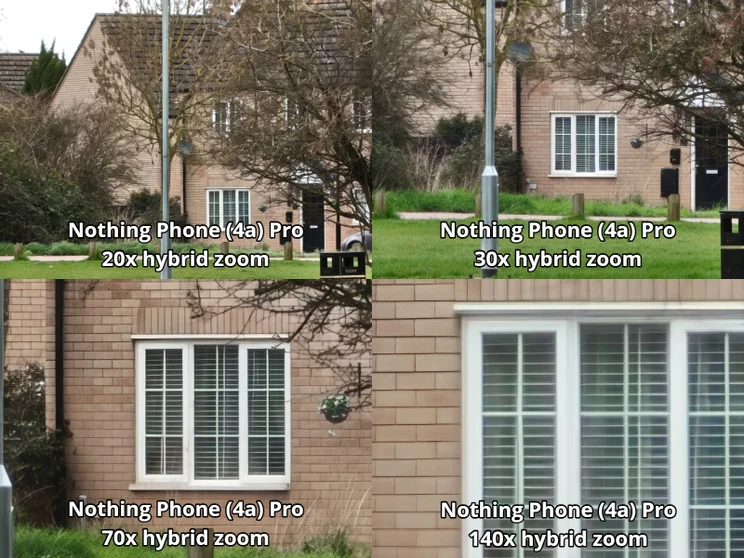
The 50-megapixel (f/2.9) telephoto camera is my favourite of the lenses. At the 3.5x optical zoom, detail is razor sharp and colours are wonderfully vibrant, and you can get some striking portrait shots with the 7x hybrid zoom.
The hybrid zoom technically goes all the way up to 140x but this is purely a gimmick. You’ll do okay up to around 70x, at which point detail is massively smoothed out, but there’s little point going much further.
The 8-megapixel ultrawide is something of a letdown, too. Detail is mediocre throughout and the lighting is overly dull compared to the main sensor.
Over on the front, the 32-megapixel selfie shooter snaps solid portrait pics with natural-looking skin tones and decent focus on the subject. Video extends to 4K/30fps, which is a little behind the competition for this kind of money – both the Pixel 10a and the OnePlus Nord 5 shoot 4K up to 60fps.
Nothing Phone (4a) Pro: Verdict
By far the biggest concern with the Nothing Phone (4a) Pro is just how similar it is to the standard Phone (4a). The metal body and faster processor are great, and the Glyph Matrix is fine I guess, but do they warrant the additional £150 premium? I’m inclined to say no.
Even if they did, this hefty price hike puts the Nothing Phone (4a) Pro squarely up against the best options in this price range. Sat between the twin powers of the Google Pixel 10a and the OnePlus Nord 5, the only leg that the Phone (4a) Pro has to stand on is its telephoto camera. Once again, this brings us back to how much less you have to pay for the standard Phone (4a).
If you want the best you can get for this kind of money, choose the Pixel 10a. If you want the telephoto camera and Nothing’s unique style, there are very few reasons to choose the Nothing Phone (4a) Pro over its much cheaper sibling.