To help us provide you with free impartial advice, we may earn a commission if you buy through links on our site. Learn more







- The best battery life of any Pixel
- Satellite SOS
- Unrivalled software support
- Barely any hardware improvements
- No telephoto camera
- No PixelSnap magnets
The Google Pixel 10a feels like a missed opportunity. While the relentless yearly update cycle can make new phone releases feel like nothing to get excited about, there’s something special about reaching a milestone like the tenth generation. Take the rest of the Pixel 10 family, for instance – Google celebrated this landmark release by adding the much-anticipated PixelSnap magnets to the lineup.
We have no such celebratory evolution here. In fact, compared to previous generations, the Pixel 10a feels like a safe, almost half-hearted, update. Which is a real shame, because Google’s A series has, for a while now, been the benchmark of excellence in this price range. It probably still is – the Pixel 10a, for all its disappointments, is still an incredibly polished phone – it’s just that what should have been a victory lap feels more like begrudging box-ticking.

Google Pixel 10a: What you need to know
The headline here is that the Google Pixel 10a is, for the most part, a dead ringer for last year’s Pixel 9a. The chipset, RAM and storage options are the same, the camera loadout is identical, the general build is near-enough unchanged, and the battery is once again a 5,100mAh cell.
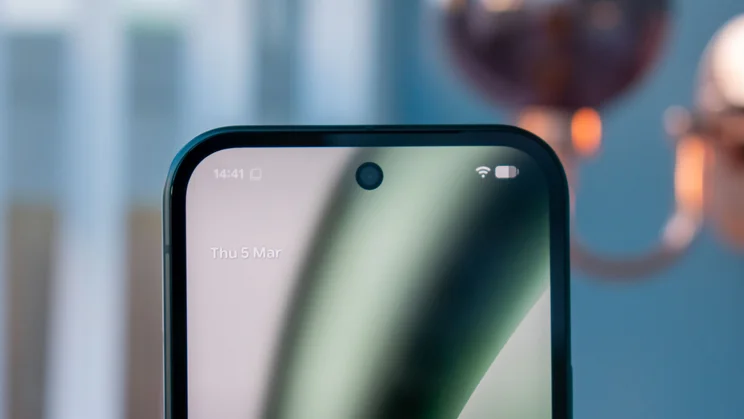
The display specs are mostly the same (6.3in pOLED panel, 2,424 x 1,200 resolution, 120Hz peak refresh rate), but there have been a couple of minor tweaks. The protective glass is upgraded from Gorilla Glass 3 to Glass 7i, the bezels around the screen are marginally slimmer and peak brightness is now rated up to 3,000 nits, up from 2,700.
Otherwise, we have a smattering of small improvements elsewhere: charging speeds are upped from 25W wired and 7.5W wireless to 30W and 10W, Bluetooth 6.0 is now supported, the Satellite SOS feature has been added, and there are a couple of new AI camera tools in Auto Best Take and Camera Coach.
Price and competition
Considering the meagre list of improvements, it’s disappointing to see that the Pixel 10a starts at the same price as its predecessor. £499 will get you the base 128GB model, while the 256GB version will set you back £549.
This is normally the part where I’d point you towards last year’s Pixel 9a, which has steadily been decreasing in price over the past 12 months, and highlight how much better value it is than its successor. Interestingly, and surely coincidentally, the deals on the Pixel 9a abruptly dried up a couple of weeks ago, just in time for the 10a to release. So right now, most places will charge you the same price for the 9a as they do for the new model.
This convenient spot of price inflation won’t last forever, and soon enough you’ll see the 9a back to more affordable prices – I’ve seen it go as low as £329 in sales events like Black Friday. So, if you can wait, I’d say hanging around for a discounted Pixel 9a is the smart move. If you need to buy a new phone ASAP, however, the Pixel 10a is better value for money. Just about.
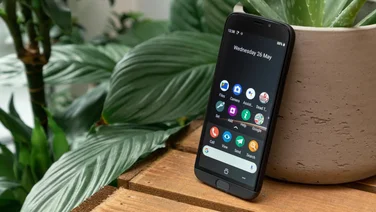
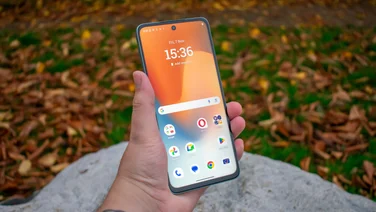
As for options from other brands, we have a few key players in this price bracket; the OnePlus Nord 5 offers exceptional performance and battery life for a bargain price, costing £349 for 8GB of RAM and 256GB of storage or £429 for 12/512GB. Until we have a full review of the upcoming iPhone 17e, last year’s iPhone 16e is still the Apple phone we recommend in this price range, starting at £499 for the 128GB model. Finally, the Honor Magic 8 Lite has class-leading battery life and costs £399 for the sole 512GB version.
Design and key features
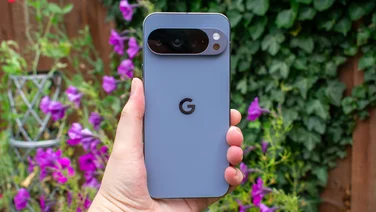
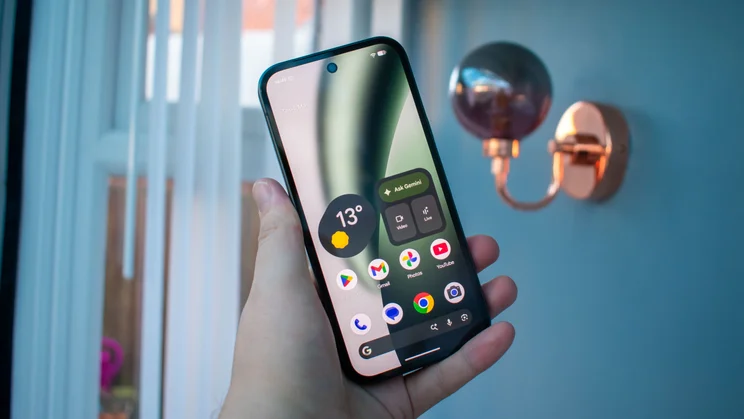
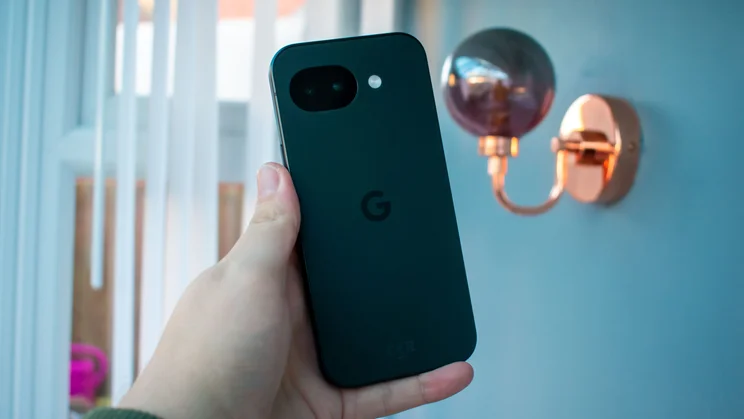
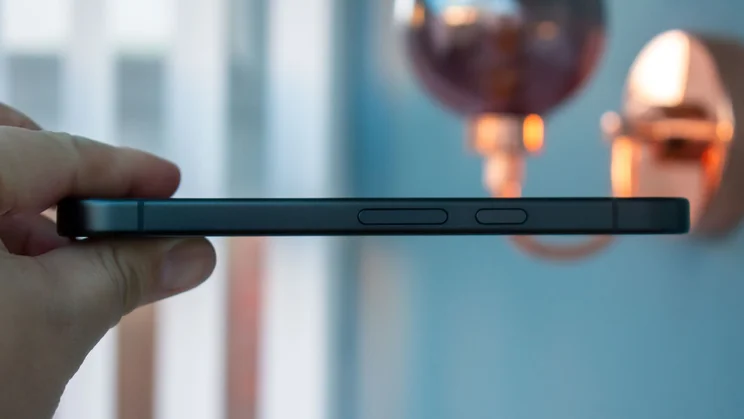
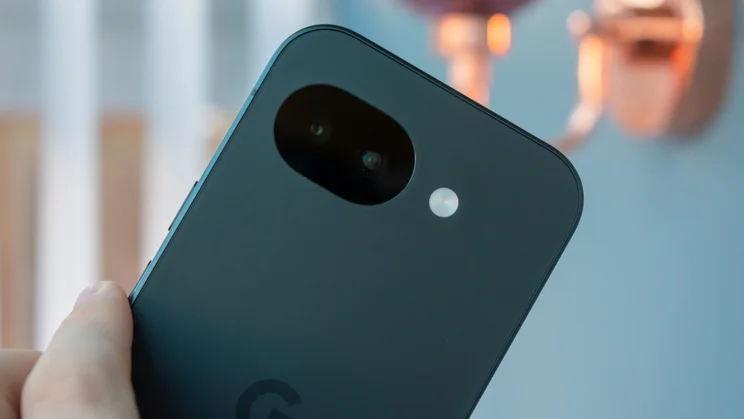
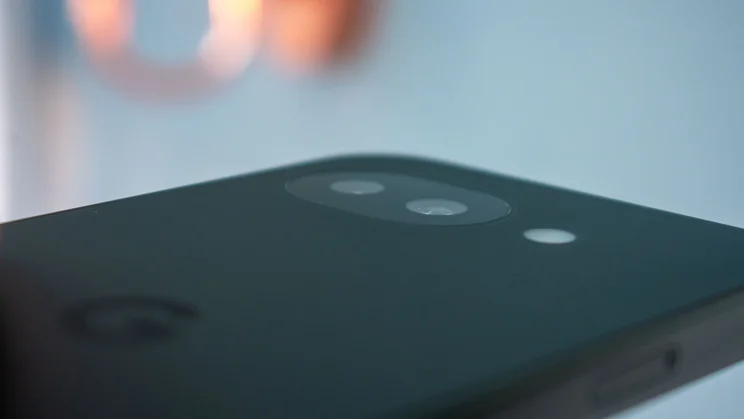
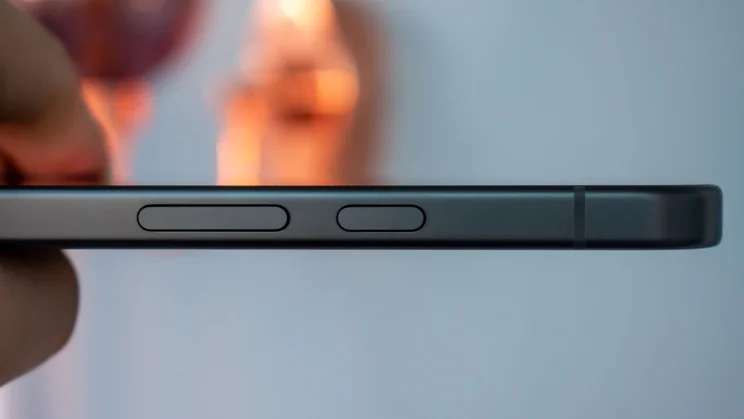
As mentioned above, the design of the Pixel 10a is barely distinguishable from the Pixel 9a. We’ve once again got the flat sides, flat rear, rounded corners look, though the tiny, pill-shaped camera module now sits properly flush with the rear, whereas its predecessor protruded a millimetre or so.
The dimensions account for this change, with the Pixel 10a being 9mm thick, compared to the 8.9mm Pixel 9a. Height and width are roughly the same (154 x 74mm), but it weighs a couple of grams less than before, at 183g.
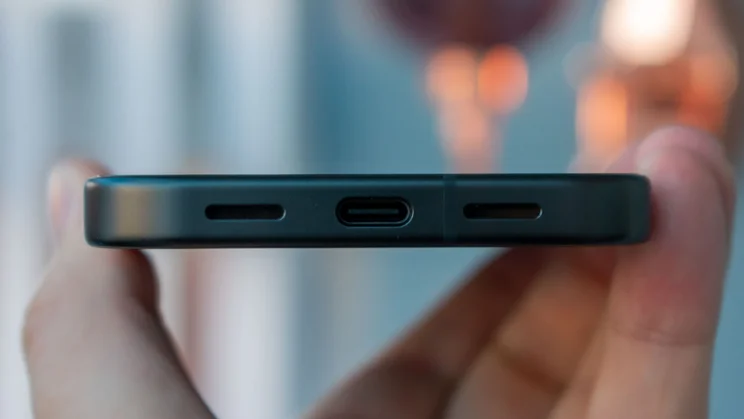
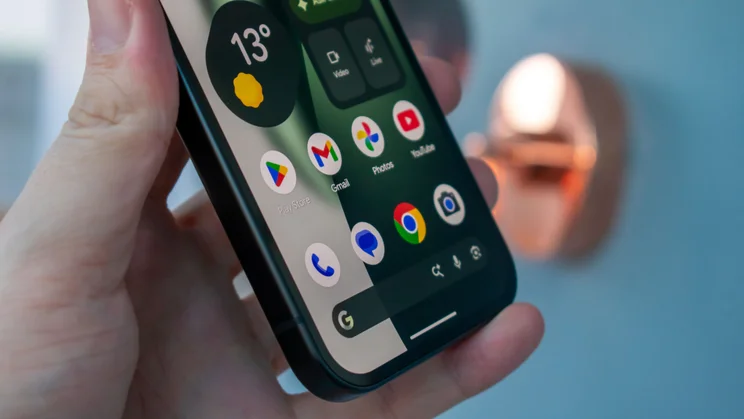
The protective glass over the display is now Gorilla Glass 7i, but the rest of the makeup is the same, with an aluminium frame, plastic rear and IP68 dust and water resistance rating. You get four colour choices this year, with the default Obsidian style pictured here joined by the subtly green-hued Fog, the bright red Berry and, my favourite, the self-explanatory Lavender.
Otherwise, we’ve again got a speedy and accurate optical fingerprint sensor and equally efficient face unlocking via the selfie camera, Bluetooth 6.0 is now supported – though there’s no Wi-Fi 7 compatibility – and Satellite SOS makes its way over from the flagships. This handy little tool is especially great for hikers and those who regularly find themselves in areas with no service, allowing you to contact emergency services via satellite connection.
One thing that may disappoint some is that the Pixel 10a does not get the built-in PixelSnap magnets that adorn the rest of the 10-series. Especially when the recently announced iPhone 17e is confirmed to be getting Apple’s MagSafe and Qi2 wireless charging.
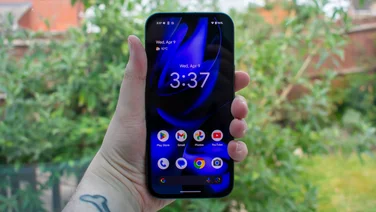
Software is consistently a strength of Pixel phones, and the 10a is no different. It runs Android 16 out of the box, with a refined launcher and blissfully few preinstalled apps to sift through. Support once again matches the flagships at seven years for OS updates, security patches and Pixel feature drops, surpassing anything else in this price range.
Display
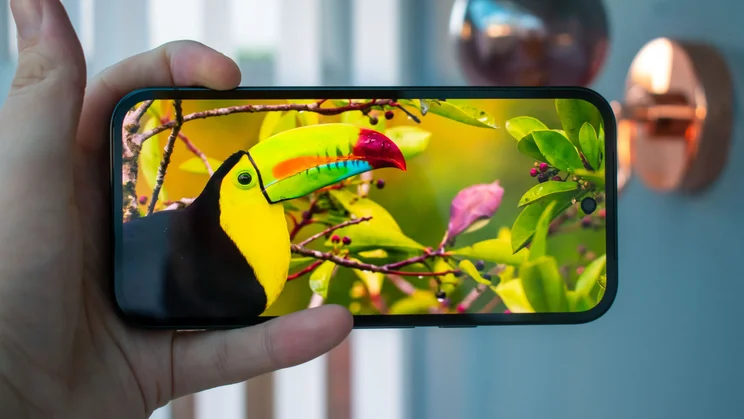
One of the few improvements touted by Google is a higher peak brightness, and that was reflected in my testing. With the brightness set to adaptive and a torch shining on the light sensor, I recorded a fantastic peak of 1,850cd/m2 (~450 nits higher than the Pixel 9a), and when displaying HDR content, it hit a brilliant ceiling of 2,001cd/m2 – again, higher than the Pixel 9a’s result of around 1,800cd/m2.
Colour accuracy impressed, as well. There are two colour profiles to choose from, with the default Adaptive mode switching between sRGB and DCI-P3 profiles depending on the content you’re viewing, which is very useful for making sure your streaming and gaming really pop, while Natural aims for authentic reproduction of the sRGB gamut. Here, I recorded a gamut coverage of 97.8% with a total volume of 98.2%, and the 0.82 average Delta E score is well under our target of 1.
Performance and battery life
Perhaps the most controversial choice with the Pixel 10a is that Google is reusing last year’s Tensor G4 chipset, instead of fitting the 10a with the faster Tensor G5 chip used by the rest of the Pixel 10 family. The Pixel 10a still feels speedy enough, but it’s hard not to feel a little short-changed. Just look at the chart below to see how much of a performance improvement was made with the leap to the Tensor G5.
The Pixel 9a was already an excellent pick for mid-range gaming, and I’m pleased to say that the Pixel 10a manages to be a little better. In the Geekbench 6 Vulkan GPU test, the Pixel 10a scored 10,060, compared to the Pixel 9a’s 7,667 result. Higher numbers in this test indicate better efficiency and stability with 3D processing, so this shows that the Pixel 10a is a slightly stronger gamer than its predecessor.
And my real-world testing reinforced this. I shot around a few tracks in Asphalt Legends and never noticed any instances of frame rates dipping, while textures remained suitably crisp as they whizzed past.
Google will never admit it, but I have my suspicions that the Tensor G5 chipset was dropped from the 10a to ensure that it maintained one of the Pixel 9a’s greatest strengths – excellent battery life. Where last year’s 9a delivered some of the best stamina we’ve ever recorded, the Tensor G5-powered Pixel 10 family all fell rather short in my testing – if the 10a were to follow suit, it would have severely hampered its appeal.
Whether or not that is the case, the result is the same, and that’s the Pixel 10a delivering the best battery life of the 10-series by a country mile, lasting for 38hrs 24mins in our looping video battery test. That’s also better than the Pixel 9a (and any Pixel to date) and one of the best results we’ve ever recorded.
Charging is a tiny bit faster here than on the Pixel 9a, too. In my testing, it hit 50% after 28 minutes plugged in (whereas the 9a took 33 minutes) and a full charge took 1hr 29mins, compared to last year’s model taking 1hr 36mins. Not massive improvements, but a slightly quicker charging is always appreciated.
Cameras
If reusing the same chipset as last year wasn’t the main albatross around the Pixel 10a’s neck, then surely that award must go to the lack of camera hardware improvements. That’s not to say they were particularly needed – the Pixel 9a had excellent cameras – it’s just that the competition has been growing more fierce over the past year, and Google is acting like it has a much larger lead than it actually does.
Chiefly, my focus is on the continued lack of a dedicated telephoto camera. Considering that the Pixel 10 only finally received one of these shooters this generation, I wasn’t expecting to see the A-series getting in on the fun – but the fact remains that several of the Google Pixel 10a’s rivals now sport telephoto cameras. If Google wants to remain the photography leader in this price bracket, this omission will need to be addressed sooner rather than later.
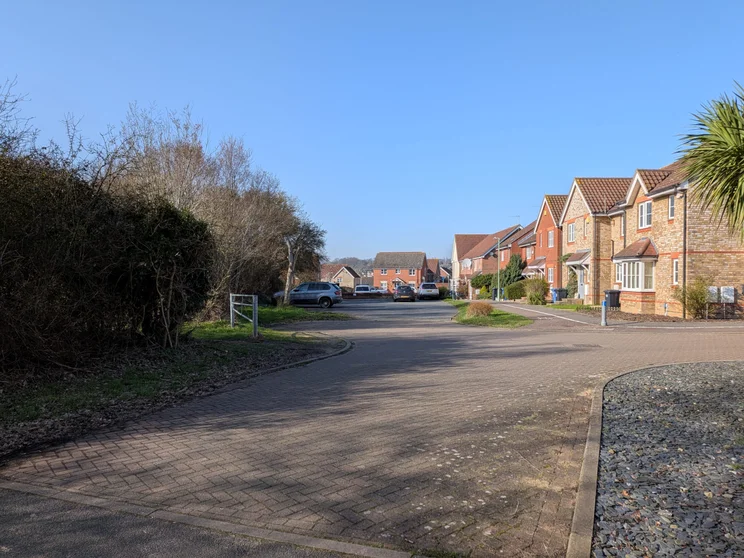
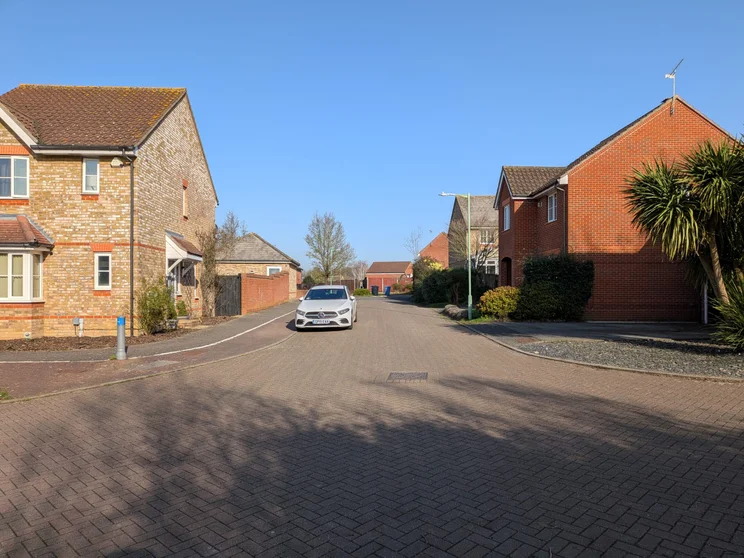
With that complaint out of the way, let’s focus on the lenses that we do get. The suite is spearheaded by a 48-megapixel (f/1.7) main camera that once again proves adept at capturing gorgeous shots in all light conditions, maintaining excellent levels of detail and delivering striking dynamic range.
Night photography is swift and effective, snapping the shot after just a couple of seconds and suitably brightening the scene without overblowing the colours or flooding the sky with artificial noise. It does a great job at preserving detail in tricky light conditions, too, such as this particularly foggy evening:
And the 13-megapixel (f/2.2) ultrawide lens continues to be one of the best in the business. The scope is effectively expanded without sacrificing too much detail in the corners, and the colour tone is essentially identical to that of the main camera.
Video continues to be a cut above most around this price, shooting 4K up to 60fps with both electronic and optical image stabilisation (the latter only kicks in for 1080p footage, though), and the 13-megapixel (f/2.2) selfie camera excels, too. Skin tones are pleasingly natural, and the focus in portrait shots is swift and accurate.
As for the new software inclusions, I’ve never found Camera Coach particularly appealing – having an AI choosing the shot focus and angle feels like it takes the human touch out of photography – but Auto Best Take is useful enough. This is essentially just an enhanced version of Best Take that automatically sifts through similar group shots and produces one in which everyone is looking their best. Again, it feels like it’s sanitising the personal component of photography, but if you want a group pic where everyone has their eyes open, it does a decent job.
Google Pixel 10a: Verdict
Even with the disappointment of how few upgrades are included here, I’m struggling to rate the Pixel 10a particularly negatively. The bottom line is that it’s an exceedingly well-rounded phone that builds on the strengths of its predecessor, albeit in small ways. If you want the very best of phones in this price range, it frustrates me to admit that this is it.
If you value bang for your buck more highly, however, I can’t recommend the Pixel 10a. Not yet, at least. The sad reality of the cyclical phone market is that, sooner rather than later, Google will make it very difficult to buy the Pixel 9a new, to better shepherd you towards the latest model. Until that point, however, I’d strongly recommend hanging around for the discounts to start back up and getting a Pixel 9a for over £100 less than this.