To help us provide you with free impartial advice, we may earn a commission if you buy through links on our site. Learn more
Motorola evoked full nostalgia when it re-launched the Razr in 2019 and has continued to provide folding phone fans with stylish choices in the years since. While Samsung is often seen as the leader in folding phones, according to IDC, Motorola holds over 50% market share in the US.
That means that the Moto Razr family is a big deal. At an event in Los Angeles, the 2026 models were unveiled, including the Motorola Razr 70, Razr 70 Plus and Razr 70 Ultra.
The Plus, at least, is new ground but otherwise, there’s a great deal of familiarity here: the Razr 70 is almost exactly the same as the Razr 60 from 2025, while the Razr 70 Ultra is basically the Razr 60 Ultra reborn. I got my hands on the new models to see what’s actually different.
Motorola Razr 70 Ultra: Specifications and price
- 4.32GHz Qualcomm Snapdragon 8 Elite
- 16GB of RAM
- 512GB of storage
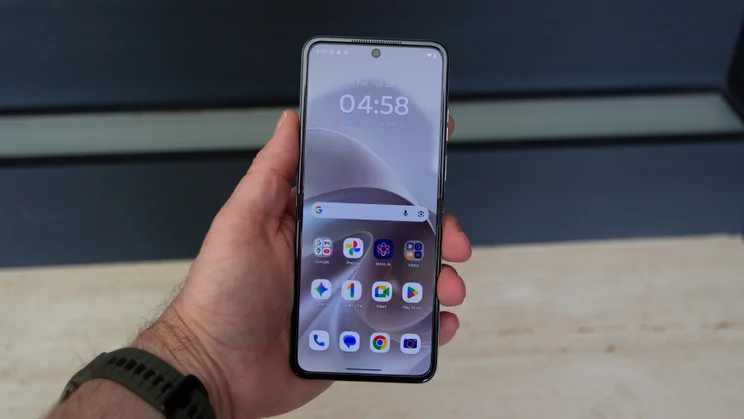
- 6.96in, 2,992 x 1,224, 165Hz, LTPO OLED internal display
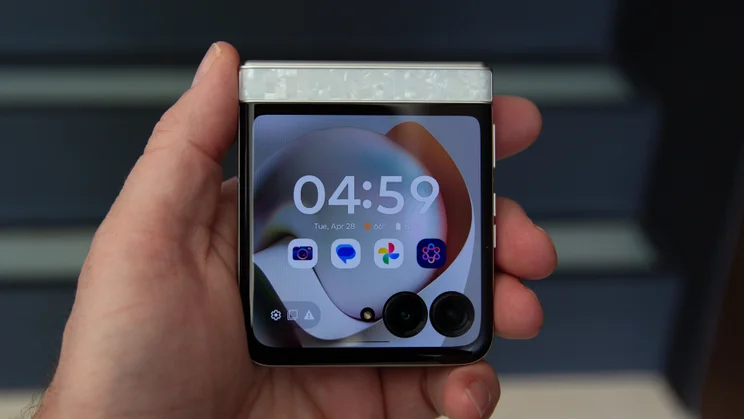
- 4.0in, 1,272 x 1,080, 165Hz, LTPO OLED external display
- Rear cameras: 50MP (f/1.8); 50MP (f/2.0) ultrawide
- Front camera: 50MP (f/2.0)
- 5,000mAh battery
- Charging: 68W wired; 30W wireless
- IP rating: IP48
- Dimensions (WDH): 74 x 15.7 x 88mm (folded); 74 x 7.2 x 172mm (unfolded)
- Weight: 199g
- Colours: Pantone Orient Blue (Alcantara); Pantone Cocoa (wood veneer)
- UK price: £1,199
- UK release date: Out now | Check price at Motorola
Motorola Razr 70 Plus: Specifications and price
- 3.0GHz Qualcomm Snapdragon 8s Gen 4
- 12GB of RAM
- 512GB of storage
- 6.9in, 2,640 x 1,080, 165Hz, LTPO OLED internal display
- 4.0in, 1,272 x 1,080, 165Hz, LTPO OLED external display
- Rear cameras: 50MP (f/1.8); 50MP (f/2.0) ultrawide
- Front camera: 32MP (f/2.4)
- 4,500mAh battery
- Charging: 45W wired; 15W wireless
- IP rating: IP48
- Dimensions (WDH): 74 x 15.3 x 88mm (folded); 74 x 7.1 x 171mm (unfolded)
- Weight: 189g
- Colours: Pantone Mountain View (woven)
- UK price: £1,000
- UK release date: Out now | Check price at Motorola
Motorola Razr 70: Specifications and price
- 2.6GHz MediaTek Dimensity 7450X
- 8GB of RAM
- 256GB of storage
- 6.9in, 2,640 x 1,080, 120Hz, LTPO OLED internal display
- 3.63in, 1066 x 1056, 90Hz, LTPS OLED external display
- Rear cameras: 50MP (f/1.7); 50MP (f/2.0) ultrawide
- Front camera: 32MP (f/2.4)
- 4,800mAh battery
- Charging: 30W wired; 15W wireless
- IP rating: IP48
- Dimensions (WDH): 74 x 15.9 x 88mm (folded); 74 x 7.3 x 171mm (unfolded)
- Weight: 188g
- Colours: Pantone Hematite (woven); Pantone Sporting Green (soft luxe); Pantone Bright White (acetate)
- UK price: £799
- UK release date: Out now | Check price at Motorola
Motorola Razr 70, Razr 70 Plus and Razr 70 Ultra: Design and key new features
- Great colours and finishes
- New camera sensors
- Bigger battery
- No processor upgrade in Ultra
- Price increase for Ultra
- Thicker than rivals
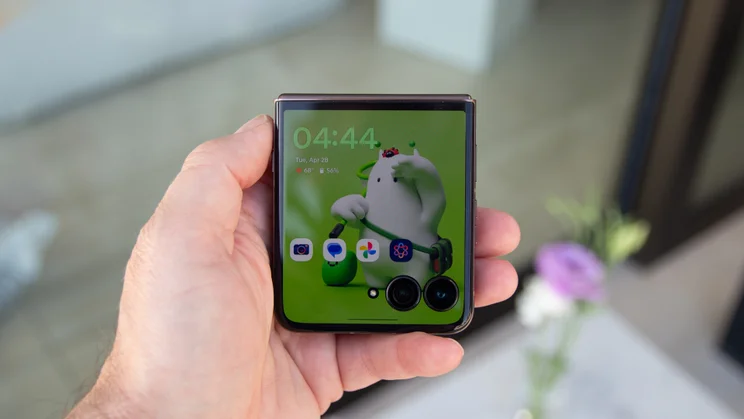
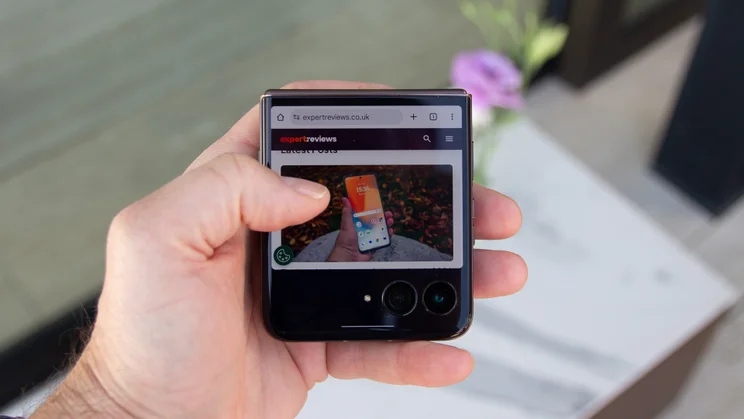
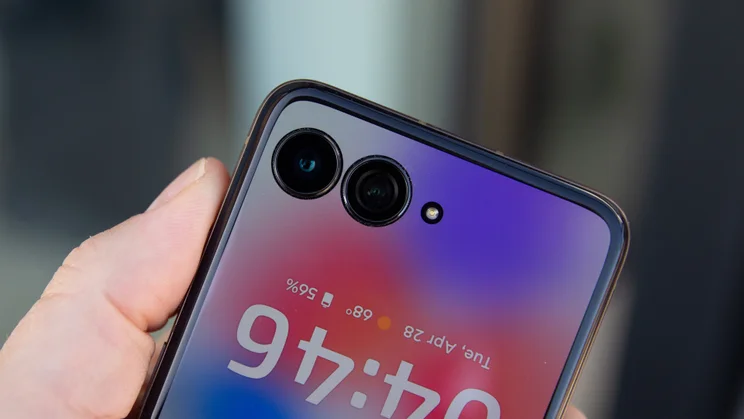
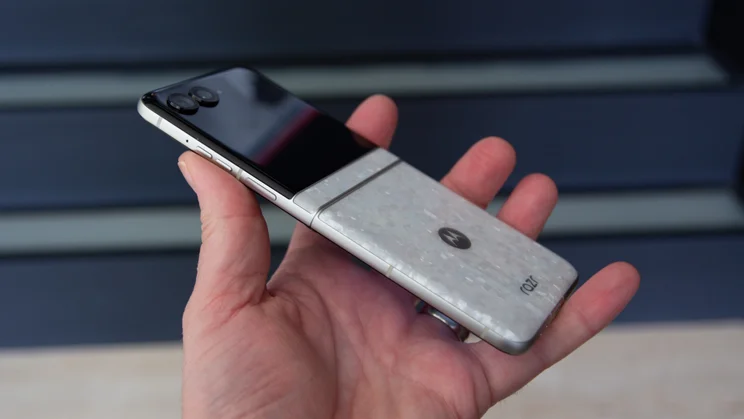
The Motorola Razr family introduced its first Ultra model in 2024 with the Razr 50 Ultra which really took the initiative, with an external display that covered the lid of the phone and encompassed the cameras.
It was a move that set Samsung on the back foot, something of a design masterstroke from Motorola. I’m not going to say that Motorola is resting on its laurels, but not much has changed in the intervening years: indeed, the Motorola Razr 70 Ultra has the same dimensions, weight and overall design as the Razr 60 Ultra.
It’s not just the design either: many of this phone’s specifications are the same as the previous model, while the price has increased. So what’s going on?
Design
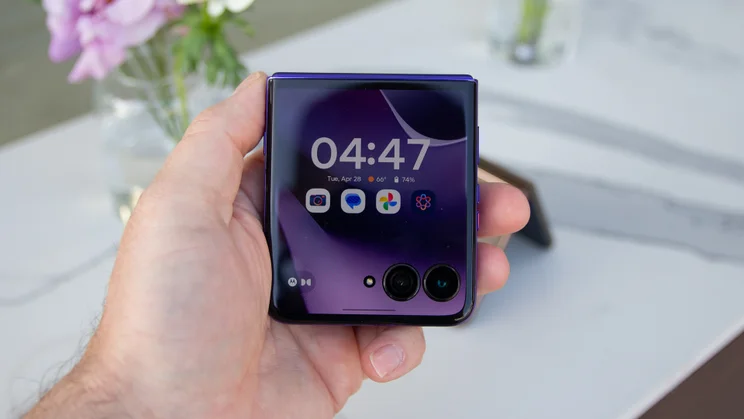
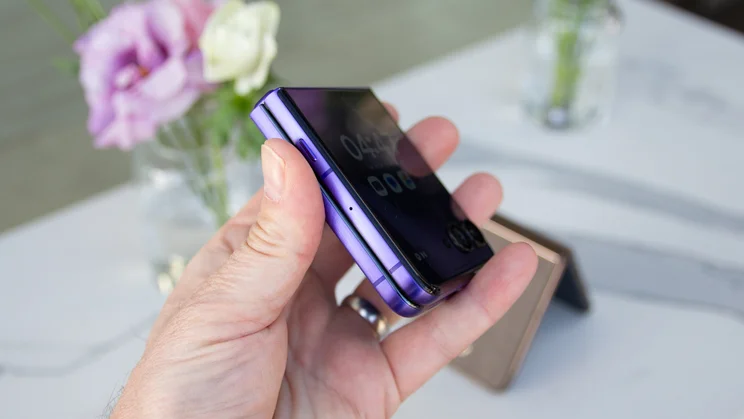
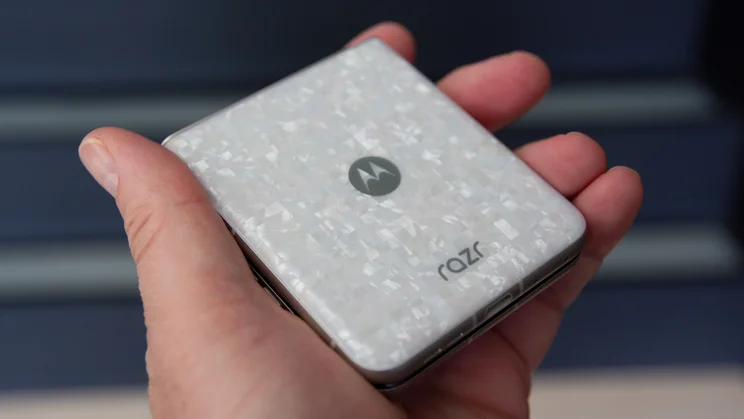
Motorola wants to move the conversation on from the hardware specs, putting a lot of emphasis on the design of this device. It’s not just about the physical design, but the colours and the materials that Motorola uses.
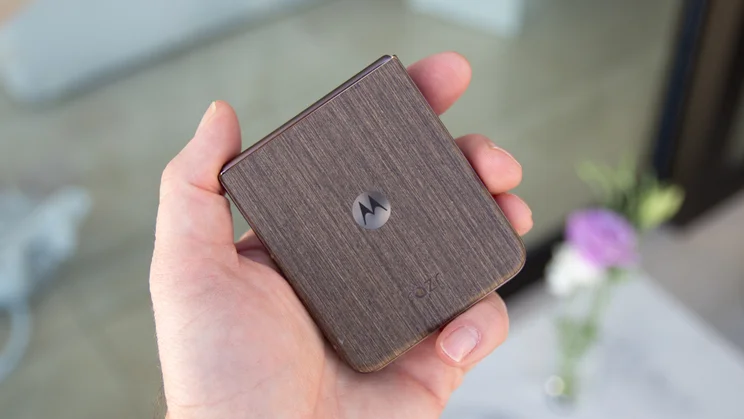
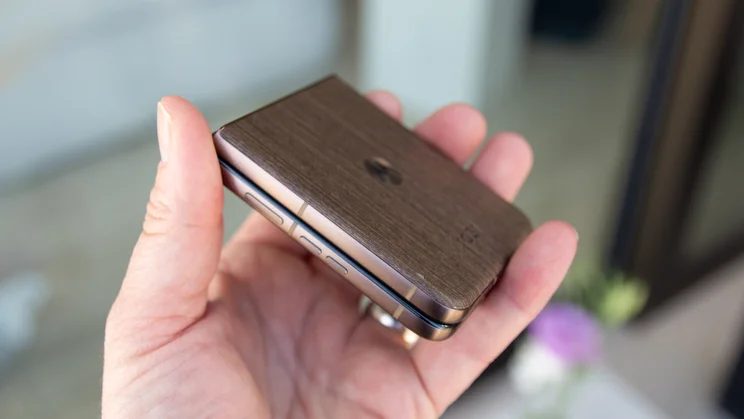
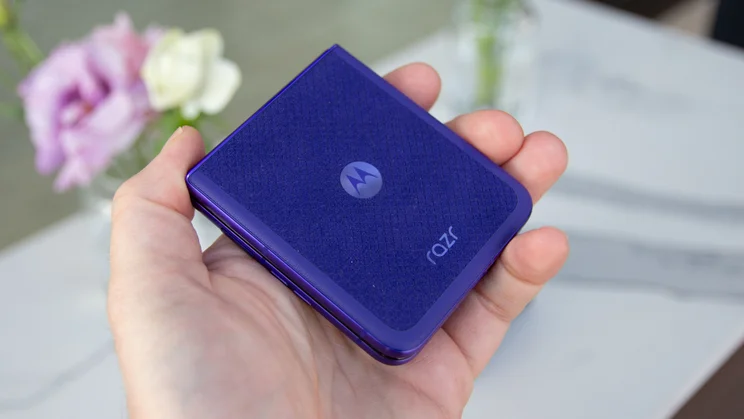
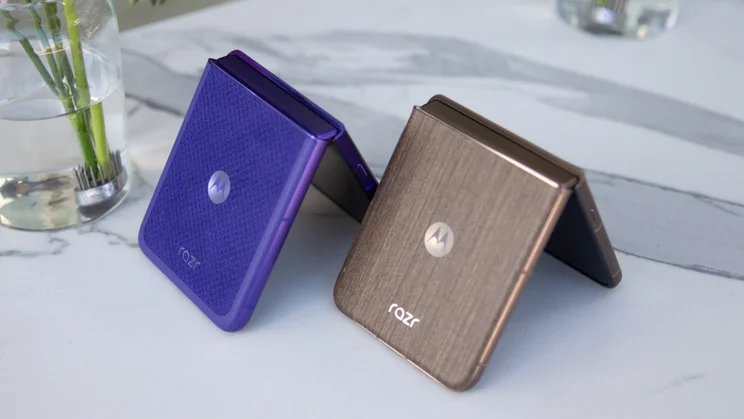
New for 2026 is the Pantone Orient Blue colour, which is bright, vibrant and finished in Alcantara. While the material was also used for the Razr 60 Ultra, it’s a new colour. It’s joined by Pantone Cocoa, which has a wood veneer finish. Again, we’ve seen this before – but it’s a world away from what you’ll find on rival devices.
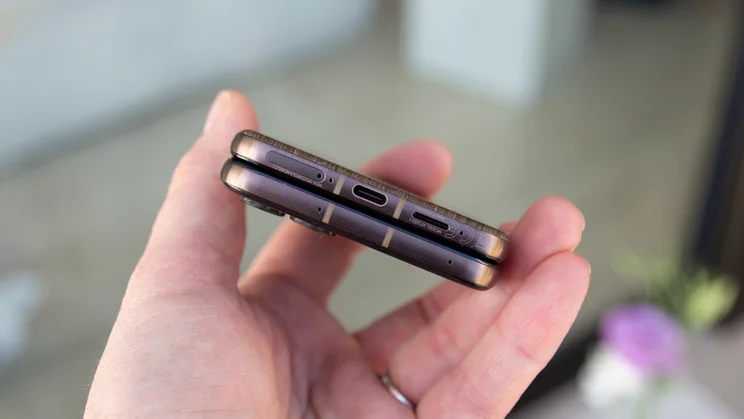
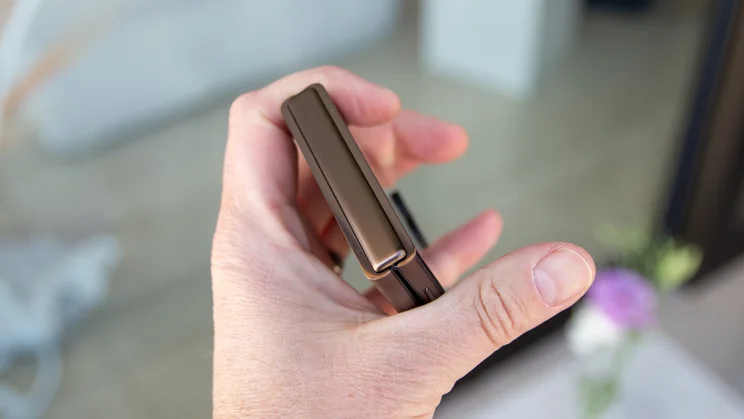
In that we find some of the challenges that this phone faces: Motorola hasn’t tried to match the slimness that you get from the Samsung Galaxy Z Flip 7, so the 7.19mm thickness has a little more heft than Samsung’s 6.5mm.
Motorola is pitting a fashion focus against Samsung’s industrial design and that might see it appealing to a different set of customers buying into the trend rather than the tech.
The Razr 70 Ultra still feels like a great phone and I love the feel of the Alcantara – it’s a phone you’ll never want to put in a case – while the ongoing partnership with Pantone is delivering some of the most refreshing colours you’ll find on modern smartphones.
That also applies to the Razr 70, which is the same design as the Razr 60, albeit with new colours – otherwise, there’s little to tell these phones apart. The Razr 70 Plus falls somewhere in the middle, looking like the Ultra but backed up by less powerful hardware, and it’s only available in one colour.
Hardware
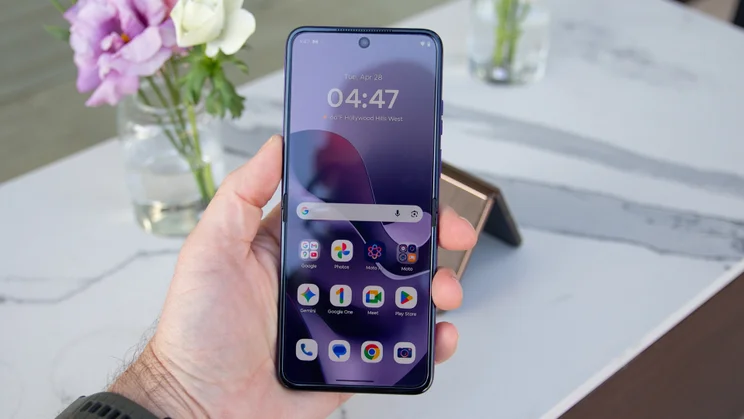
The tech that defines the Razr 70 Ultra hasn’t seen a huge change. It’s still powered by the Snapdragon 8 Elite, it still has a 6.96-inch internal display, which has the same resolution and 165Hz refresh rate as before. The only real change is an increase in brightness to 5000 nits, over the 4500 nits of the previous device.
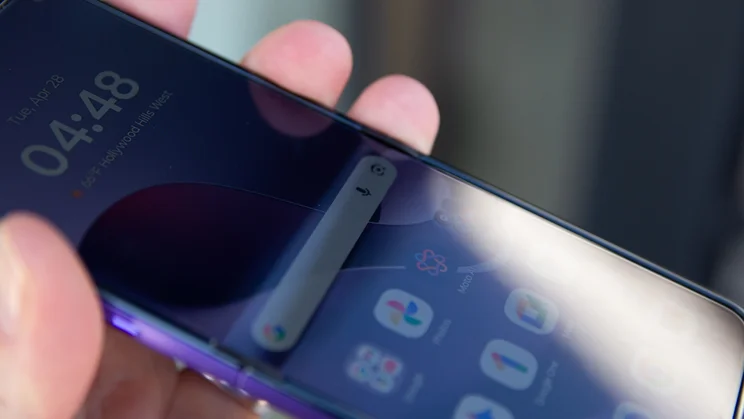
On the cover display, it’s still 4 inches, again, staying much the same as it was before. Thankfully, the Razr had set the bar high: there’s no change, but in the displays there perhaps didn’t need to be.
For the Razr 70 it’s a slightly different story: it moves from the Dimensity 7400X to the 7450X, which is a tiny change to a newer version of the same tier of hardware.
The Razr 70 Plus is a blend of the two, with the Snapdragon 8s Gen 3 SoC offering a middle-ground of performance and the inner display matching the Razr 70’s size and resolution, but with the refresh rate of the Ultra. Equally, the 4in external display is the same as the Ultra’s but it’s protected by the same Gorilla Glass Victus as the standard Razr 70.
The biggest change to the Ultra comes with the battery, which steps up to 5,000mAh, a meaningful upgrade over the previous 4,700mAh. The Razr 70 moves up too, from 4,500mAh to 4,800mAh. Interestingly, the Plus model is the weakest, settling for the same 4,500mAh cell as last year’s (cheaper) Razr 60.
The charging sticks at 68W wired and 30W wireless in the Ultra, so this is one area where Motorola is still leading the way, while the Razr 70 Plus reaches 45W wired and the Razr 70 hits 30W, with both offering 15W wireless charging.
Cameras
The camera experiences bring about a subtle but significant change: the main camera sticks to 50-megapixels in the Ultra, but has changed to a LOFIC type sensor. This type of sensor is designed to offer better performance, with Motorola saying it increases the dynamic range six fold.
That should mean that there’s less chance that it under- or over-exposes, so photos should look better. This is supported by a new imaging pathway that’s both more power efficient and faster, reducing shot-to-shot times.
While the main camera has changed, the ultrawide and selfie cameras in the Ultra stick to 50-megapixels, the same as they were before, although everything benefits from the boost in image processing.
For the Razr 70, it moves from a 13-megapixel ultrawide camera to a 50-megapixel sensor, which should bring a meaningful boost in performance, and the Razr 70 Plus starts its career with 50-megapixel main and ultrawide cameras.
Motorola has also introduced a couple of interesting new camera features. The first is called Frame Match, which is similar to the Pixel’s Add Me feature. It allows you to take a photo to “frame” the shot, producing an overlay ghost image. Then you can hand the phone to someone else and step into the scene, with that person then lining up your ghost image – it means you can get the framing you want with you in the picture, with someone else taking it.
It’s incredibly easy to use, but I’m sure that explaining it to the random person you’ve asked to take the picture will be a challenge.
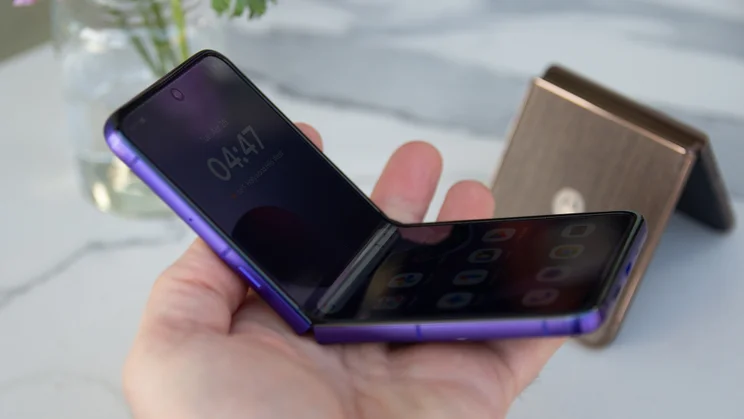
The second interesting new feature is tilt to zoom when in camcorder mode. The Razr models have a great feature where you can open the phone 90 degrees and rotate it (like a camcorder), which triggers video. It’s great for one-handed filming. The new feature allows a slight rotation of the phone to trigger zooming in or out.
This means no poking the screen, no pinching or anything else – just tilt it slightly and it will smoothly and slowly zoom in. As long as you’re gentle, the stabilised video will stay level too.
Software
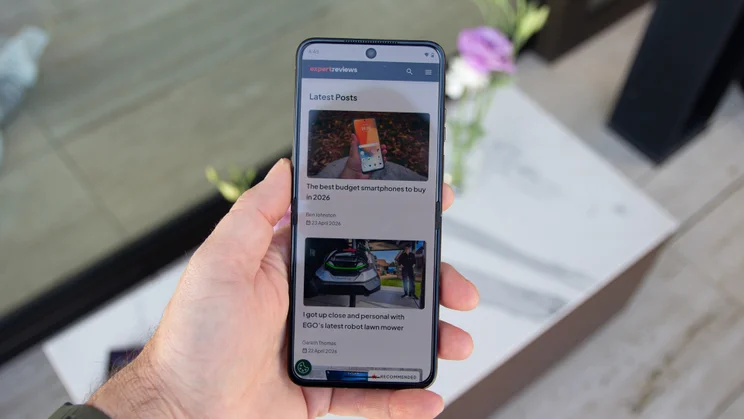
From my time with the new Razr 70 series, the software in Hello UI layered over Android 16 looked much the same as other Motorola devices. There’s a multi-pronged approach to AI, with Moto AI injected into various areas of the phone, while pushing Gemini, Perplexity and CoPilot – for better or worse.
I’m not a huge fan of the direction that Motorola’s software is heading: it’s gone from a fairly clean Android build, into a skin that’s loaded with bloat, including advertising and “news” in menus and the lockscreen, AI searching where you don’t want it and a whole lot more.
The Razr 70 series also suffers from one of the problems that plagued the Razr 60 series: it only has three OS upgrades, albeit with five years of Android security updates.
That sets it a long way behind the seven-year support promise that Samsung offers – not a good look when paired with such a big price increase.
Motorola Razr 70, Razr 70 Plus and Razr 70 Ultra: Early verdict
With the price of the new Razr 70 Ultra increasing to £1,199 (the Razr 60 Ultra was available from £999), you’re paying a lot for a phone with not a lot of support and not a lot of changes.
But with that said, Motorola sets a high bar with the Razr 70 Ultra: it’s still pretty powerful, the battery expansion is welcomed and the new camera sensor has promise. The design is great (if a little thick), but I can’t fault the appeal of Motorola’s colours and materials.
But in sticking to a familiar path, the Razr 70 Ultra hands Samsung an opportunity with the forthcoming Galaxy Z Flip 8, which could be thinner, lighter, cheaper, and offer better software support – but with a smaller battery, slower charging and without the fun colours and finishes.
Could the more affordable, and still eye-catching Razr 70 and Razr 70 Plus prove to be more popular this year? Check back in soon for our full reviews to find out.