To help us provide you with free impartial advice, we may earn a commission if you buy through links on our site. Learn more













oplus_271589408



- Class-leading cameras
- Phenomenal battery life
- One of the fastest phones around
- Crazy expensive
- On the bulky side
- Rivals have better software support
Amid the swirls of rumours that the brand is contemplating pulling out from the European smartphone market entirely, Oppo appears, in fact, to be making a strong move in the opposite direction, bringing its top-end model to the UK for the first time. The Oppo Find X9 Ultra is the pinnacle of Oppo’s ambitions, taking the already very impressive Find X9 Pro and throwing in even more bells and whistles.
From the uniquely expansive camera system and top-tier performance to the exquisite display and eye-catching design, the Find X9 Ultra is every bit the premium smartphone it purports to be. It’s undeniably very expensive but, if you have the cash to spare, the quality here is without compromise, and the cameras are simply unrivalled.
Preorders for the Oppo Find X9 Ultra have sold out but general sales begin on 8 May 2026 – check back in then to see where you can nab one for yourself.
Oppo Find X9 Ultra: What you need to know
So what does that Ultra suffix bring with it? The banner feature is the camera setup, which includes a 50-megapixel 10x telephoto shooter, a 50-megapixel ultrawide and two hefty 200-megapixel units, the latter comprising the main camera and a second telephoto with 3x optical zoom. Rounding out the suite is a 50-megapixel selfie camera at the front.
If that isn’t enough for you, you can also opt to add an external teleconverter kit that snaps on to the 3x optical zoom and transforms it into a 13x optical zoom (300mm equivalent). This is sold separately, however, and costs £499.
oplus_271589408
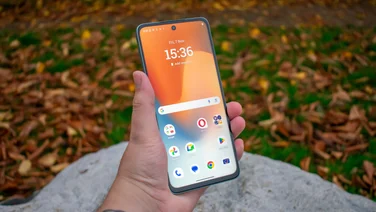
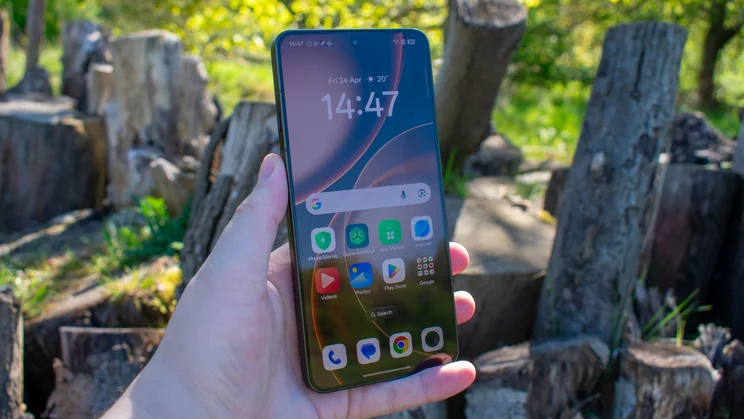
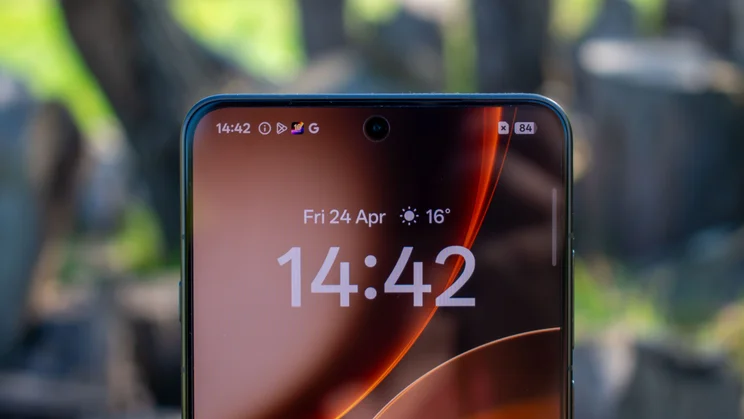
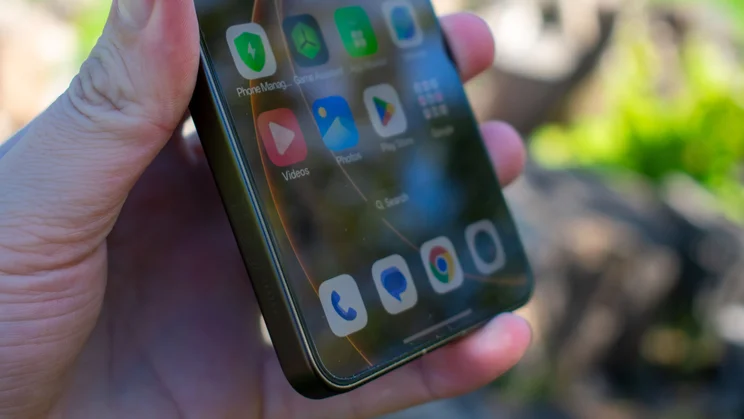
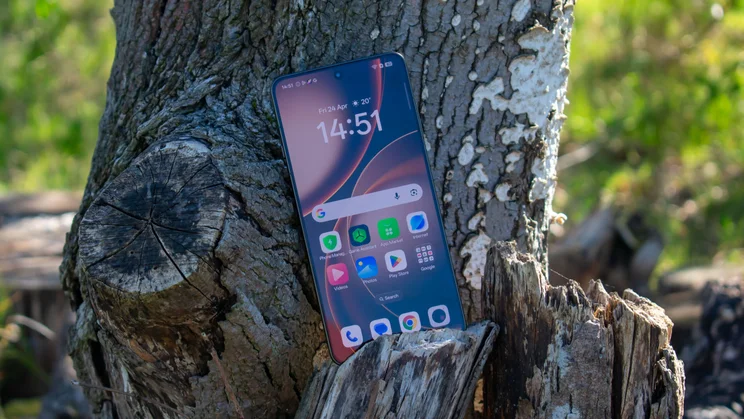
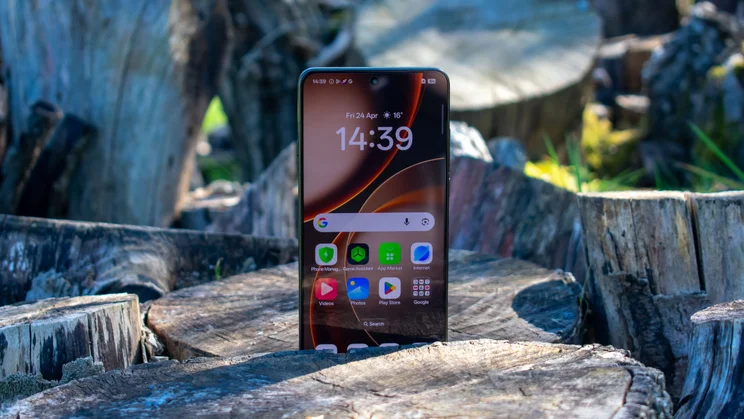
Back to the phone itself, the display is a high-class 6.82in AMOLED panel with a razor-sharp 1,440 x 3,168 resolution and an LTPO refresh rate that can dynamically adjust between 1 and 120Hz in general use and rise to 144Hz for specific games.
Tucked inside, we have the top-tier Snapdragon 8 Elite Gen 5 chipset, paired with 12GB of RAM and 512GB of storage space. The battery is a high-capacity 7,050mAh cell that supports wired charging at up to 100W and wireless at 50W.
Price and competition
Those in the know will be braced for the other thing that comes with the Ultra label: hoo boy this thing is expensive. There’s only one configuration, which comes with 12GB of RAM and 512GB of storage, and that costs £1,449.
Putting aside foldables, this is as expensive as smartphones get right now; all the X9 Ultra’s main rivals are either similarly expensive or cheaper. For the same £1,449, you can get the Samsung Galaxy S26 Ultra with 12GB of RAM and 512GB of storage, although there’s also a 256GB model for £1,299.
oplus_271589408
The iPhone 17 Pro Max is a little cheaper on all accounts, with the 256GB model at £1,199, and the 512GB costing £1,399. And then we have the Xiaomi 17 Ultra, which is £1,299 for the 512GB version.
The last phone I’ll mention here is the OnePlus 15. This is significantly cheaper than the above selection, costing £849 for the 256GB model or £979 for the 512GB version, and yet it manages to go toe-to-toe with the Ultras and Pro Maxes of the world in several areas, with particularly strong performance and battery life.
Design and key features
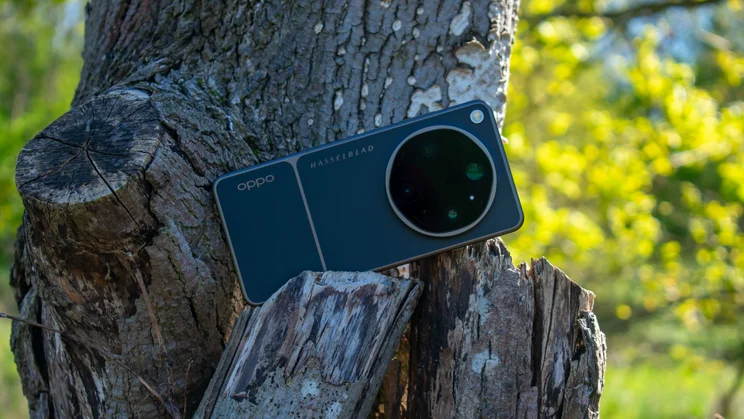
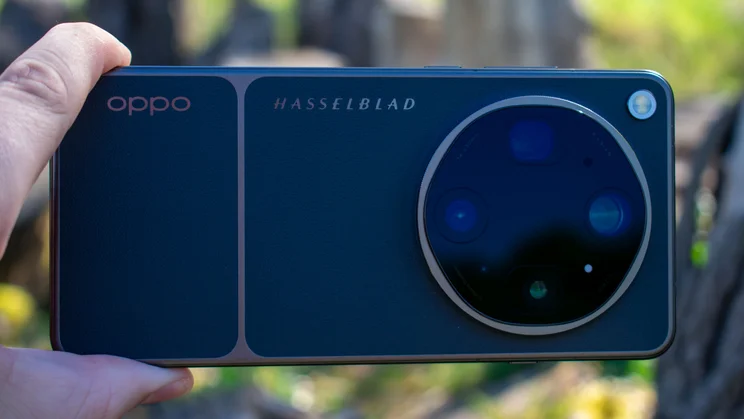
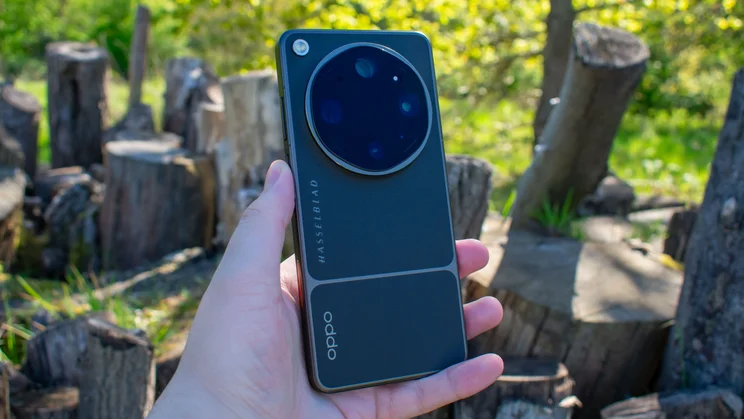
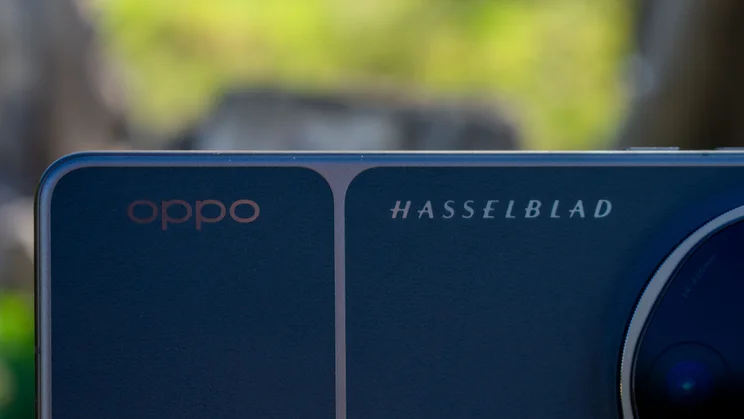
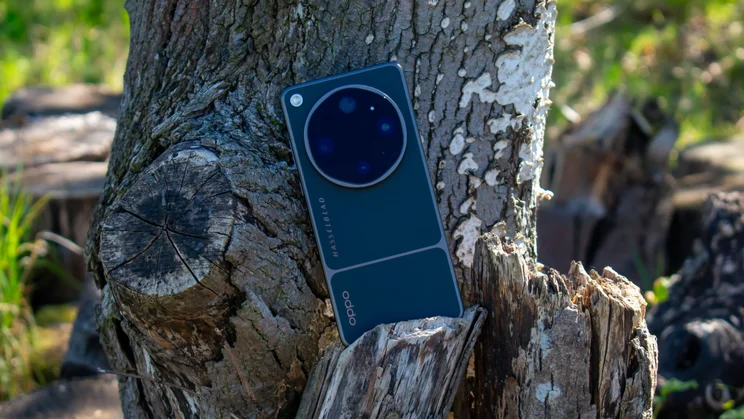
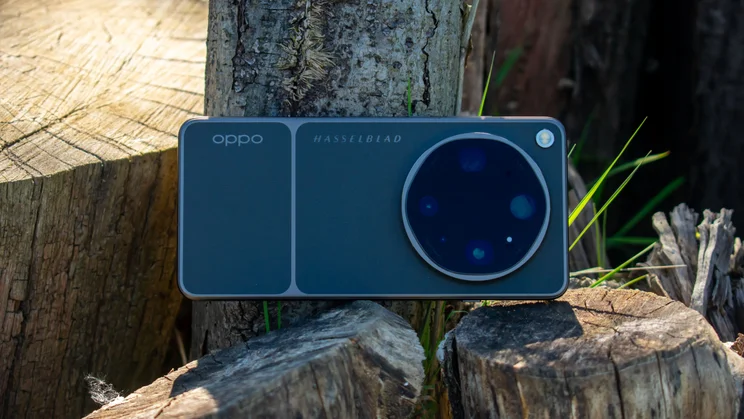
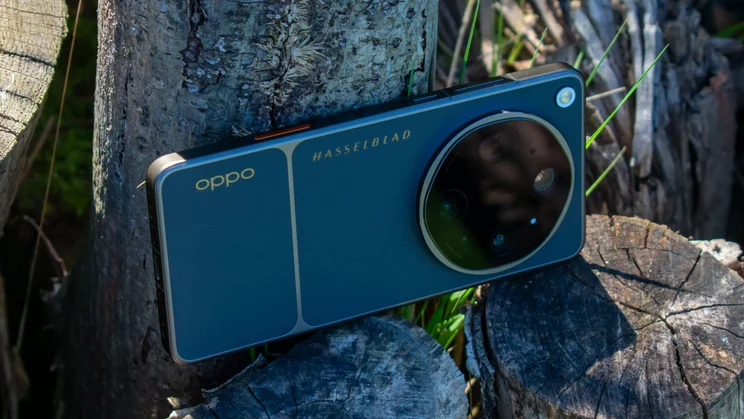
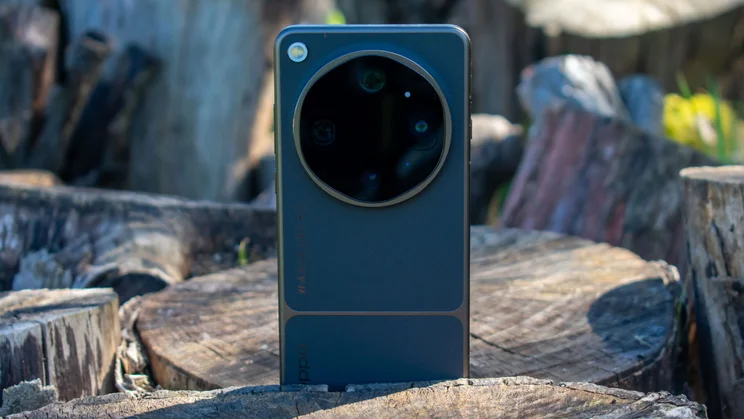
There are two colourways coming to the UK: my review sample came in the Tundra Umber style, which pairs matte aluminium with two panels of vegan leather (paying homage to the classic, rangefinder camera look) in a two-tone grey colouring.
oplus_271589408
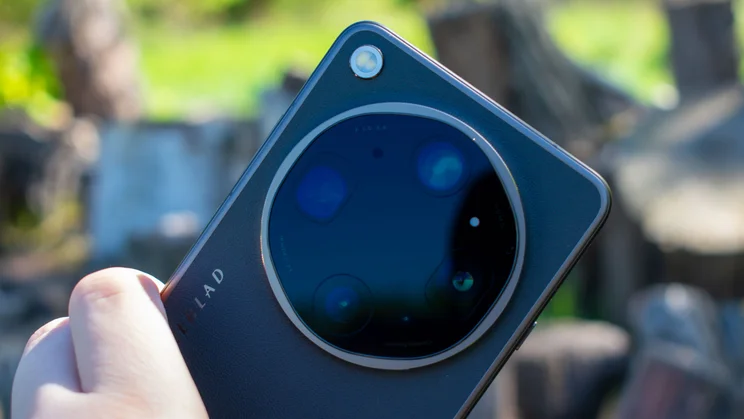
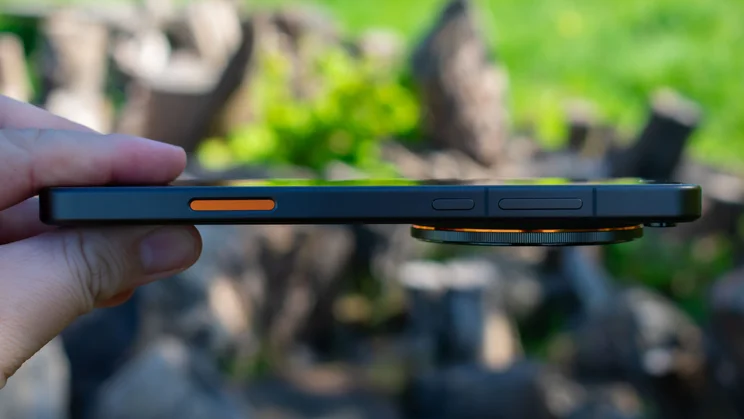
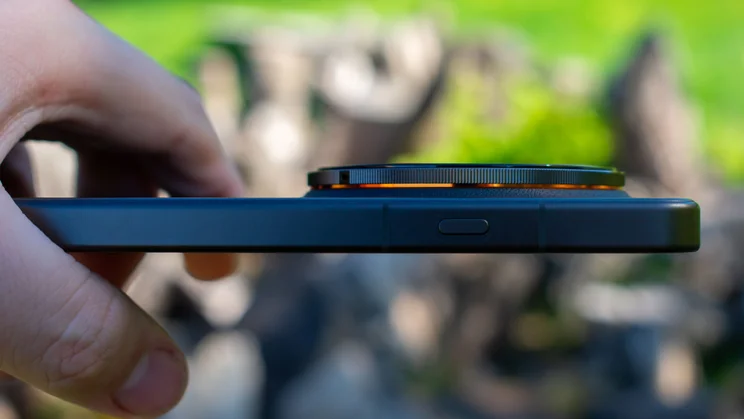
There are two splashes of colour to brighten things up: the dedicated camera button is a vivid orange and there’s a metallic orange ring around the base of the camera module, too. It’s striking and conveys the phone’s intentions as a high-class camera phone effectively.
If you’re more in the market for splash than class, the Canyon Orange style will be more your vibe, with an etched glass rear that features swirling effects layered over a punchy orange background.
The latter is a little slimmer (8.7mm compared to 9.1mm) and lighter (235g vs 236g) than the Umber model, but otherwise the two measure the same 77 x 163mm (WxH). They also have the same Gorilla Glass Victus 2 display glass and robust IP68/IP69 dust and water resistance rating.
oplus_271589408
In more nods to classical camera design, both models come with the newly designed camera module, which incorporates a hexagonal shape into the circular housing and a knurled metal ring surrounding it. And although this is bulky, it’s not the chunkiest I’ve ever come across, which is impressive given it houses a 10x periscope lens.
There’s also a lightning fast ultrasonic in-display fingerprint sensor, and both it and the face unlocking via the selfie camera proved consistently effective. High up on the left edge is the Snap Key, which saves content to Oppo’s Mind Space app by default, but can also be set to perform other actions, like toggle the torch or cycle between loud, vibrate and silent modes.
oplus_271589408
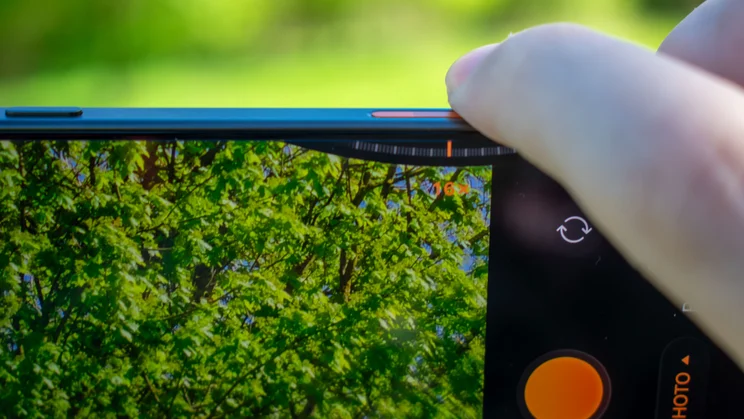
The other external button is the bright orange Quick Button, which sits lower down on the right edge. As standard, a double tap on this will open the camera, and you can then press lightly to lock focus, go harder to snap the shot or swipe up or down to adjust the zoom. This is fine enough for right-handers – hold the phone in landscape and it will sit under your index finger, like a traditional camera shutter button – but southpaws like me may find it annoying.
As for software, the Find X9 Ultra is built around Oppo’s ColorOS 16, which is underpinned by Android 16. This is generally smooth and easy to get on with, with the unintrusive Mind Space being one of my preferred implementations of smartphone AI. There’s a little too much bloatware preinstalled, however, and long-term support isn’t as extensive as rivals. You get five years of OS updates and six of security patches, which is good, but Samsung, Honor and Google all offer seven years apiece.
Display
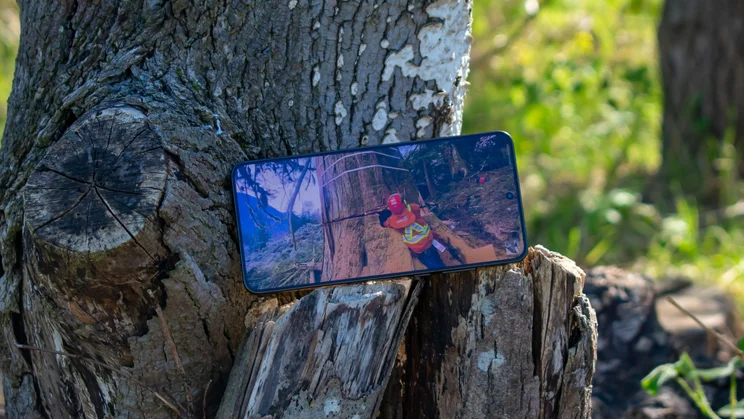
The 6.82in AMOLED display has one of the sharpest resolutions on any phone, at 1,440 x 3,168, and the LTPO refresh rate can smoothly adjust up to 120Hz and all the way down to 1Hz.
It’s a technically brilliant display, though you’ll need the right conditions to see it at its brightest. Shining a torch at the phone’s light sensor, I measured it reaching 1,112cd/m2 in auto-brightness mode with SDR content, and this soared to 2,377cd/m2 in HDR.
oplus_271589408
So what does that Ultra suffix bring with it? The banner feature is the camera setup, which includes a 50-megapixel 10x telephoto shooter, a 50-megapixel ultrawide and two hefty 200-megapixel units, the latter comprising the main camera and a second telephoto with 3x optical zoom. Rounding out the suite is a 50-megapixel selfie camera at the front.
In settings, the Find XP Ultra provides three display profiles to choose from. Vivid mode dials up the saturation, best for making your movies and games really pop, while Natural and Standard aim for accurate sRGB reproduction with different temperature levels.
I found the Standard profile to be the most accurate, with sRGB coverage of 97.2% and an average Delta E error of 0.97 – as good as it gets, essentially.
Performance and battery life
The 4.6GHz, octa-core Snapdragon 8 Elite Gen 5 is the most powerful processor on any Android phone right now, so the Oppo Find X9 Ultra really couldn’t afford to use anything less. And it’sjust as much of a powerhouse here as elsewhere, delivering Geekbench 6 CPU results that line up with the likes of the OnePlus 15 and Honor Magic 8 Pro for multi-core results and the Samsung Galaxy S26 Ultra and Xiaomi 17 Ultra in the single-core test.
Both Samsung and Xiaomi rivals were slightly ahead in multi-core performance, and the iPhone 17 Pro Max marginally nudged ahead of the Oppo for single-core, but in all honesty, we’re talking about such ridiculous speeds that these minor discrepancies aren’t going to be noticeable. The Oppo Find X9 Ultra, just like the rest of the competition, is a blisteringly powerful phone.
You might argue – reasonably, in my opinion – that this massively high price should come with no corners cut. It’s therefore a little disappointing to see the base Find X9 Ultra only getting 12GB of RAM, where the Xiaomi 17 Ultra and even Oppo’s own Find X9 Pro come with 16GB of RAM as standard.
You can see in the chart below that this shortcoming doesn’t hurt the Ultra’s gaming performance, at least. I found that it was able to run Genshin: Impact at maximum graphics without breaking a sweat and it fell roughly in line with the other Snapdragon 8 Elite Gen 5 handsets in the Geekbench 6 Vulkan GPU test – though the OnePlus 15 and Samsung Galaxy S26 Ultra both performed a tiny bit better.
Oppo already held the record as the second-best battery life we’ve ever recorded with last year’s Find X9 Pro – and come to think of it, it technically holds the top spot, too, as OnePlus is a subsidiary of Oppo – but it’s now supplanted the Pro with the phenomenal results of the Find X9 Ultra. Running our looping video for a total of 43hrs 32mins, the Ultra outlasted the Pro by an hour, settling nicely in behind the OnePlus 15 on the leaderboard.
For those keeping count, that’s all three spots atop our rankings now taken by phones that fall under the Oppo umbrella. Impressive stuff.
I was equally pleased with the Find X9 Ultra when it came to charging. Its hefty 7,050mAh battery supports speedy 100W wired charging, which saw the bar go from empty to 50% in just 22mins in my testing, and on to full in just under an hour.
Cameras
And now we get to what feels very much like the main event for the Find X9 Ultra: its cameras. As you would expect for this kind of money, Oppo has thrown everything and the kitchen sink at the camera suite, with two 200-megapixel and three 50-megapixel cameras – all tuned in collaboration with the photography legends at Hasselblad – phase detection autofocus (PDAF) on all lenses and optical image stabilisation on the main rear camera and both telephotos for super-steady, razor-sharp shots.
oplus_271589408
The 50-megapixel (f/3.5) 10x periscope telephoto camera is the biggest deal here, so let’s start with that one. This isn’t quite the first time that we’ve seen such a far-reaching optical zoom on a smartphone – Samsung used to include a 10x lens on its Ultra models – but Oppo does so with far more impressive hardware than we’ve seen before.
Where the Samsung Galaxy S22 Ultra and S23 Ultra used 10-megapixel 1/3.52in sensors, the Oppo Find X9 Pro uses a larger 50-megapixel 1/2.75in sensor, differences that promise more light intake and brighter, sharper pictures.
And my testing certainly attests to that. The 10x telephoto is a wonderfully versatile camera, proving adept at everything from portraits and landscapes to detailed close-ups, with excellent dynamic range and crisp definition. Here are some of my favourite shots captured with this fantastic camera:
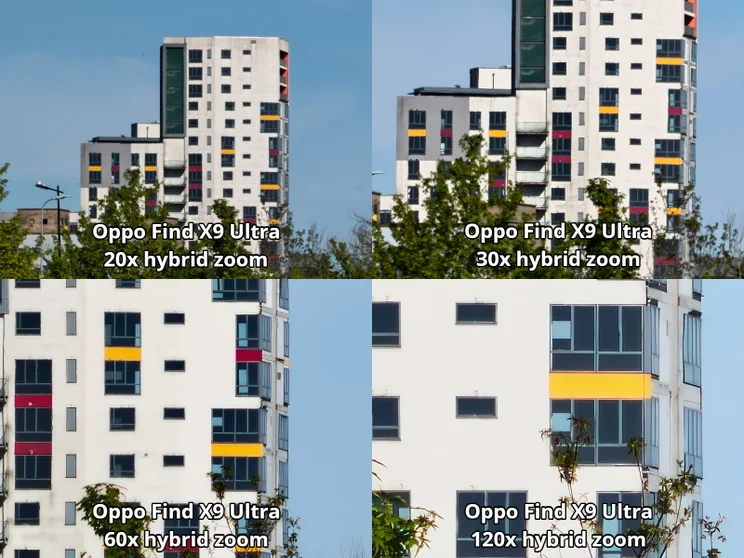
The strength of the 10x optical zoom means that 20x hybrid shots are nice and sharp, too, with better detail retention than any other smartphone I’ve tested. Images produced in 30x and 60x zoom are great, too, and you can go all the way up to 120x – although by that point, the AI smoothing effect takes the wheel and the results end up looking a little uncanny.
Don’t let the fanfare around the 10x zoom overshadow the 3x telephoto, though. This 200-megapixel (f/2.2) lens performs beautifully with portrait photography and landscapes alike, with exceptional detail and punchy colours. The relatively broad aperture means that it performs very well after dark, too.
Our other 200-megapixel lens is the main camera, with a bright f/1.5 aperture. Shots captured with this lens are lit beautifully, with nicely natural colours and broad dynamic range. Detail is plenty sharp on the pixel-binned 28-megapixel shots that are produced as standard, but if you want to take things even further you can slide over to the Hasselblad High-Res mode to shoot at the full 200-megapixels.
That wide aperture comes in very handy after dark, brightening the scene without washing out the shadows, delivering detailed, well-coloured shots that still retain some of that moody “night” feel.
The best thing I can say about any ultrawide camera is that it doesn’t feel too different from the main lens, and that’s very much the case here. The colour tone is near-enough identical and detail retention is solid, with only a little blurring in the corners.
The 50-megapixel (f/2.4) selfie camera is excellent, too, capturing rich, natural skin tones and sharply focused portraits. It shoots video up to 4K/60fps, too, but if video is what you’re interested in, then the rear cameras are where it’s at.
You can shoot at up to 4K/120fps and 8K at 30fps and there are also options to record in 10-bit Dolby Vision HDR format at up to 4K/120fps and capture LOG footage all the way up to 8K at 30fps. It’s a fantastically deep and versatile video offering, rivalling the very best in the business.
Oppo Find X9 Ultra: Verdict
The main appeal of the Oppo Find X9 Ultra is its camera offering. In fact, I feel confident in stating this is the best phone camera that I have tested to date, with incredible zoom capabilities, extensive video options and exquisitely detailed and punchy results from all lenses.
Beyond that though, the Oppo Find X9 Ultra is an excellent smartphone across the board. Performance is up there with the best, the display is sharp, bright and colour accurate, the software is slick and battery life is the second-best we’ve ever recorded.
That hefty price tag won’t be for everybody, and those who want to get the most years possible out of their next smartphone will be better served by the Samsung Galaxy S26 Ultra. But if you want the best cameras in the business and you aren’t daunted by the asking price, the Oppo Find X9 Ultra is the smartphone to beat in 2026.
oplus_271589408