To help us provide you with free impartial advice, we may earn a commission if you buy through links on our site. Learn more










- Slick, albeit derivative, design
- Excellent battery life
- Six years of software support
- Big price increase
- Some camera flaws
- MagicOS isn’t the best
The Honor 600 Pro represents movement and ambition for the brand. In years gone by, its numbered smartphone series catered to the mid-range market, while the premium arena was the sole domain of the Honor Magic 8 Pro and its forebears.
A big price hike for this generation, however, boots the 600 Pro out of mid-range territory and lands it firmly among the flagships, putting it up against a new breed of competitors. In some ways, the Honor 600 Pro is well-prepared for this new position, but can’t keep up with more established rivals in some key areas.
The result is a solid all-rounder with particularly strong battery life that probably should have retained its cut-throat pricing to stay in the fight. As things stand, the Honor 600 Pro struggles to go toe-to-toe with the best in this new price range.
What you need to know
Compared to last year’s Honor 400 Pro, the Honor 600 Pro makes a fair few changes: the display has shrunk from 6.7in to a more compact 6.57in AMOLED, with a 2,728 x 1264 resolution and a dynamic refresh rate of up to 120Hz.
The processor is the 4.32GHz Snapdragon 8 Elite, backed up by 12GB of RAM and 512GB of onboard storage. The battery is now a 6,400mAh cell, up from 5,300mAh last year, and wireless charging again supports up to 50W. Wired charging has dropped slightly, however, from 100W to 80W, which feels like a backwards move, given the extra battery capacity.
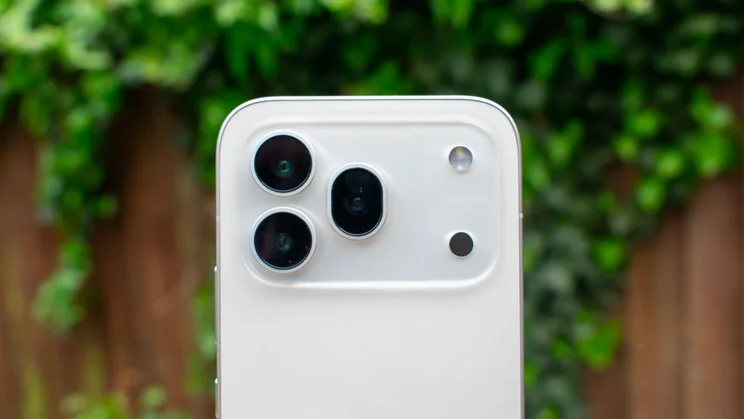
Cameras are largely the same as last year. The 200-megapixel (f/1.9) main lens and a 12-megapixel (f/2.2) ultrawide are carried over, but the 50-megapixel telephoto camera now has a 3.5x optical zoom, up from 3x. Over on the front, we have the same 50-megapixel selfie camera as last time, but Honor has dropped the 2-megapixel depth sensor that previously sat beside it.
Price and competition
When I say big price increase, I’m talking £200: the Honor 600 Pro costs £899, where its predecessor was £699. Even accounting for the supply issues that are currently plaguing the smartphone industry (and the tech world at large), this massive leap feels tough to justify.
Until the inevitable Xiaomi 17T Pro is unveiled (perhaps with a big price increase of its own), the nearest competitor for the Honor 600 Pro is last year’s Xiaomi 15T Pro. With comparable performance and a superior 5x telephoto camera, albeit with weaker battery life and fewer years of software support, the Xiaomi 15T Pro is far better value for money, costing just £549 for the 512GB model at the time of writing.
Around the same price as the Honor 600 Pro is the OnePlus 15, one of my favourite phones right now and an absolute beast of performance and battery life. It starts a little cheaper, at £799 for the 256GB model, while the 512GB version can be picked up for around £859.
Finally, the big three have presence here, too, with the Google Pixel 10 and iPhone 17 both starting at £799 (with 128GB and 256GB of storage, respectively), and the Samsung Galaxy S26 a little more expensive, starting at £879 for the 256GB model.
Design and key features
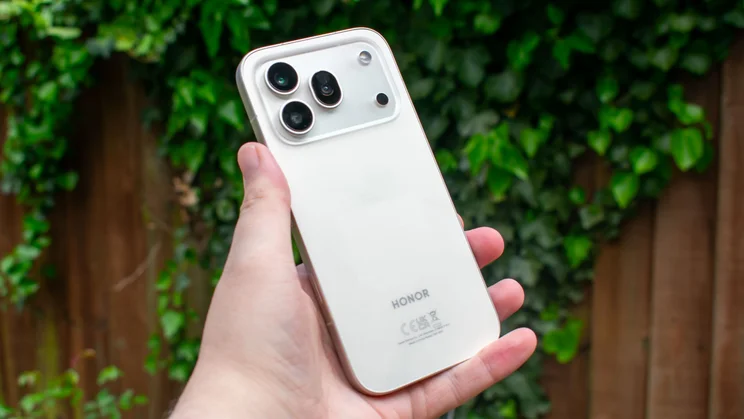
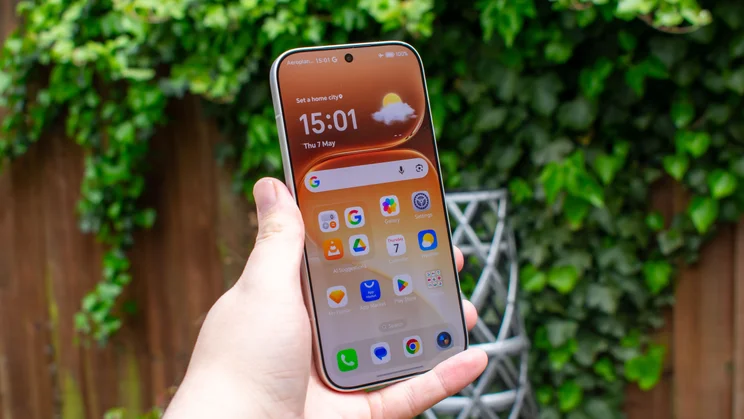
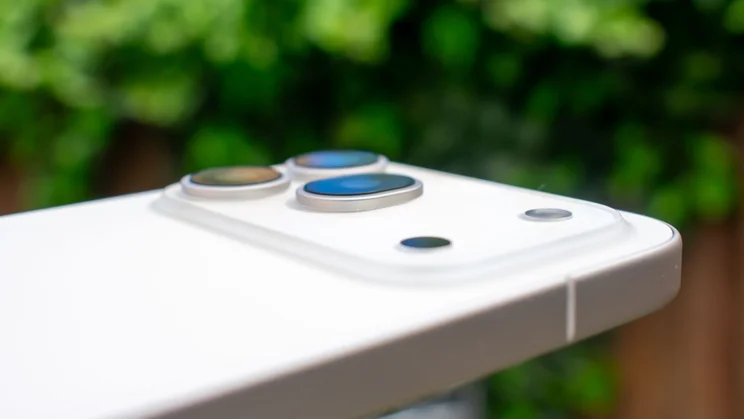
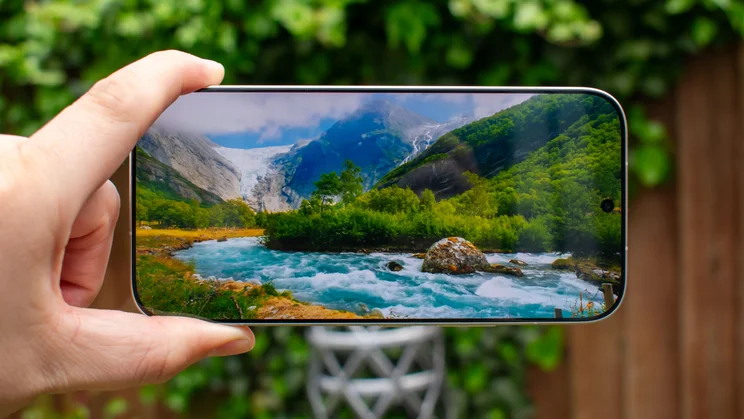
Honor isn’t exactly shy about taking design cues from Apple, but this might be its most egregious imitation yet. I’m a strong proponent of brand individuality and critic of Android devices that overtly worship at the altar of the iPhone, but even I have to admit – the Honor 600 Pro is a looker.
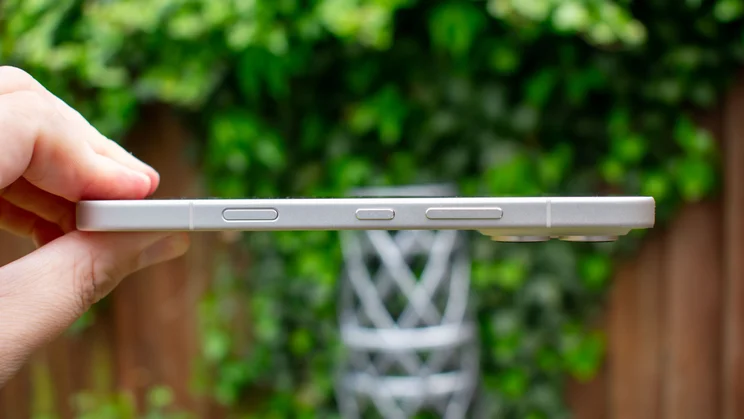
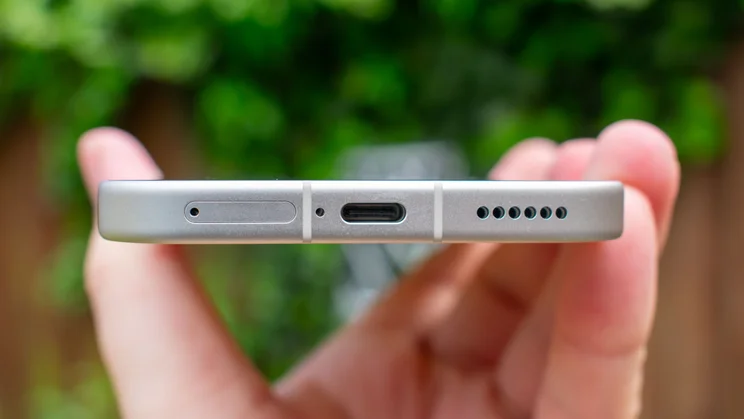
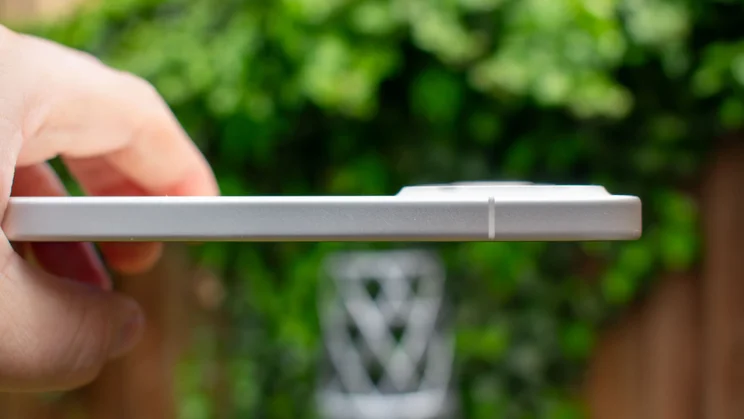
Specifically, it’s the iPhone 17 Pro that the design team seem to have slapped up on their vision board. From the flat, matte aluminium edges and the camera control button low-down on the right edge to the width-spanning camera “plateau” and the triangular lens arrangement, you can see Apple’s influence all over this thing.
On the one hand, it’s a shame to see Honor not taking a swing at originality. On the other hand, Honor’s number series has never managed to nail its own distinct style – the Honor 90, Honor 200 and Honor 400 all vary in aesthetics, with no clear design language carrying through the generations – and the 600 Pro does wear Apple’s look very well.
In fact, it improves upon the Apple template in a couple of ways. It measures 75 x 7.8 x 156mm (WDH) and weighs 185g, so it is both thinner and lighter than the iPhone 17 Pro, and its display is a little bigger, too, at 6.57in (compared to 6.3in on the iPhone).
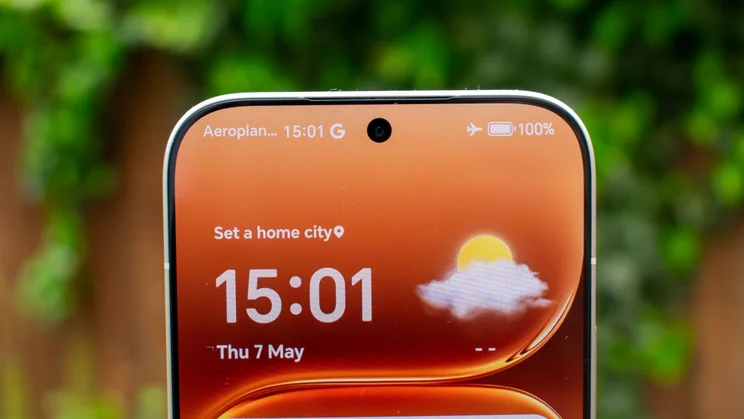
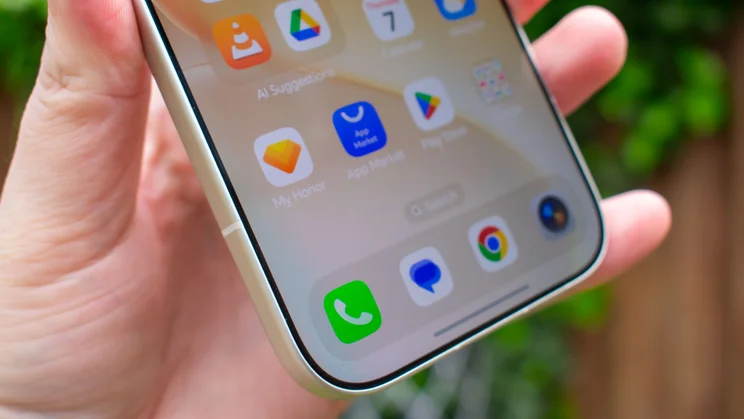
I’m a big fan of this size, as it gives you plenty of display real estate in a very manageable build, and finds a comfortable middle ground between compact and full-sized flagship displays. The bezels around the display are under 1mm thick, too, which Honor claims is the skinniest on the market. The black lines on my Pixel 10 Pro certainly do look rather chunky by comparison.
The other advantage over iPhones is the IP68/IP69K dust and water resistance rating. This isn’t much of an improvement over the IP68 rating seen on modern iPhones; the 69K simply certifies it as able to withstand high-pressure, high-temperature jets of water from all directions, but it’s still an impressive credential.
With all this aping, you’d think that Honor would pick up what I consider the biggest advantage in Apple’s playbook and bring some eye-catching colours to the 600 Pro. My Golden White review sample is very sleek, and the standard black model looks as classy as ever, but that’s all the choices we get for the Pro here in the UK – the standard Honor 600 gets a punchy Orange shade that further completes the iPhone imitation and is sorely missed here.
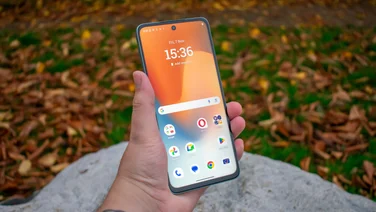
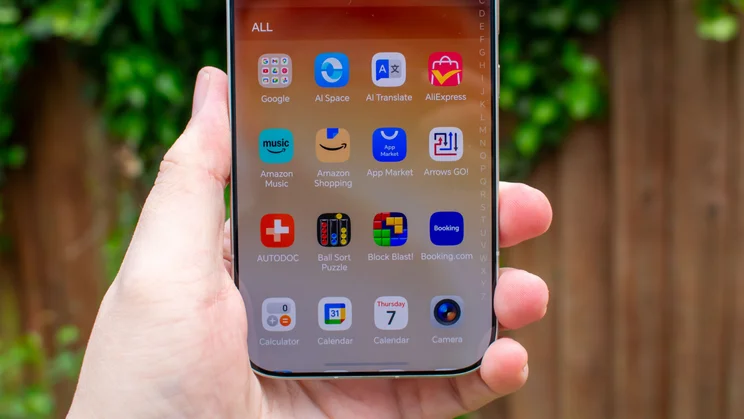
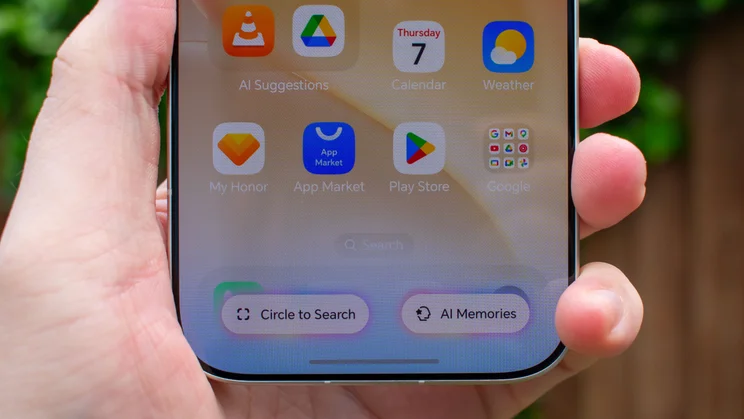
The software sees the debut of Honor’s MagicOS 10.0, based on Android 16. This is generally slick and accessible (especially to those coming from the similarly designed iOS), but it has an annoying excess of AI options that range from the pointless (AI app suggestions) to gimmicks that will quickly lose their appeal, especially when they start charging for use (AI Image to Video 2.0 comes to mind).
There’s too much bloatware preinstalled, too, with the likes of Ali Express, Booking.com and Temu clogging up my app drawer along with a handful of equally uninviting mobile games. On the bright side, Honor offers solid software support, with six years of OS updates and security patches – though again, the price increase puts it up against superior foes, with Samsung and Google both ponying up seven years apiece for this kind of money.
Display
In addition to being an excellent size, the 6.57in AMOLED display is just a brilliant panel all around. The 2,728 x 1,264 resolution is nice, and the 3,840Hz PWM dimming is better eye protection than we see on most phones around this price.
Brightness proved brilliant in my testing, hitting 683cd/m2 with adaptive brightness turned off and rising to 1,234cd/m2 on adaptive brightness with a torch shining on the light sensor and then hitting 1,557cd/m2 when displaying HDR content.
The default Vivid colour profile produces strong, punchy shades that were my go-to for streaming and gaming, but anyone after a more accurate image can opt for the Normal or Professional colour tuning. They accomplish the same task, but Professional is the one I’d recommend, covering 97.8% of the sRGB gamut and producing a 0.82 average Delta E. This is about as accurate as phones get.
Performance and battery life
The 600 Pro’s Snapdragon 8 Elite chip delivers a massive performance improvement over the Snapdragon 8 Gen 3 chipset used by the Honor 400 Pro. In the Geekbench 6 tests, the 600 Pro outperformed its predecessor by 47% in the single-core benchmarks and 22% in the multi-core.
Among a new group of competitors, however, the Honor 600 Pro is one of the weaker performers. The iPhone 17e, OnePlus 15 and Samsung Galaxy S26 are far superior, and even the Xiaomi 15T Pro ekes out a slim 9% lead in the multi-core stakes.
When we’re talking about these kinds of speeds, you’re unlikely to notice such discrepancies, and the Honour 600 Pro will still prove adequately powerful for most users. If you want the most power for your money, however, you’d be better off with the OnePlus 15 or Samsung Galaxy S26.
Gaming performance is massively improved, too: as you can see below, the Honor 600 Pro scored 69% higher than its predecessor in the Geekbench 6 Vulkan GPU test (in which higher results indicate stronger GPU performance). It scored a little better than the Xiaomi 15T Pro, too, though the OnePlus 15 and Samsung Galaxy S26 both proved stronger still.
In practice, I found the Honor 600 Pro well-equipped to handle my usual bevvy of mobile gaming tests, running through Asphalt Legends and Genshin: Impact (on default graphics settings) without dips in frame rate or getting too warm.
The new battery, combined with the smaller display, delivers stamina that far surpasses that of the Honor 400 Pro. In our standard looping video test, the Honor 600 Pro lasted for a total of 39hrs 31mins, almost 11 hours better than its predecessor. This is a brilliant result, beating all competitors here bar the Olympian efforts of the OnePlus 15.
Dropping the charging from 100W to 80W seemed like a bad idea to me at first, but in practice, I never felt like speed was lacking. Plugged into my 120W charger, the Honor 600 Pro went from empty to 50% in 24 minutes, with a full charge taking roughly 58 minutes.
Cameras
The 200-megapixel main camera is a solid shooter that carries over from the last generation. As standard, shots are pixel-binned to 12.6-megapixel photos, with decent detail and good colouring. For even better detail, the hi-res mode shoots with the full 200, and delivers wonderfully crisp results (albeit with massive file sizes that will quickly fill up that 512GB of storage).
The f/1.9 aperture isn’t the widest, but night photography doesn’t suffer much. Detail is solid, and colouring is natural – my only complaint is that, when shooting with the 3.5x telephoto lens, artificial light sources such as streetlamps had a tendency to produce massive blooming effects. For the best night results, stick with the main lens.
In good light conditions, the telephoto proved far more competent. The 50-megapixel sensor captures a decent amount of detail, best-suited to producing striking portrait shots or honing in on complex objects – just see how well it defines each cobblestone in this church tower:
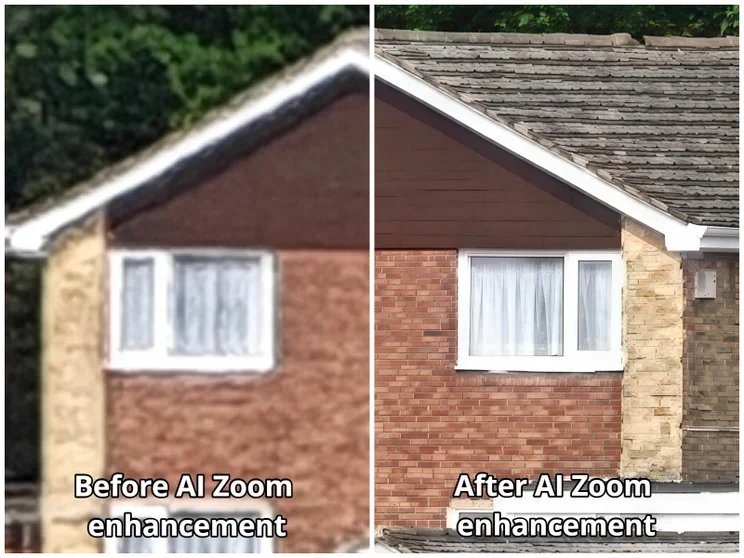
Along with the farther-reaching telephoto, we also have a far higher maximum zoom distance here, up from 50x to 120x. Shots towards the latter get blurry, but you do have an AI Zoom Enhancement feature that attempts to clean them up. The results are a little janky and overly smoothed out but, if you desperately need to capture 120x zooms (such as the below), it’s effective enough.
The 12-megapixel (f/2.2) ultrawide is the biggest giveaway that this camera suite isn’t up to the flagship standards. The colour tone is fine, broadly matching that of the main lens, but detail is sorely lacking, particularly towards the edges of shots.
The 50-megapixel (f/2.0) selfie camera captures fantastically detailed selfies with rich skin-tones and a smooth background bokeh. You can also record 1080p video at 60fps or 4K at 30fps, while over on the rear, shooting extends to 4K/60fps. This is solid enough, but once again, it places Honor behind the competition: the Samsung Galaxy S26, OnePlus 15, and Xiaomi 15T Pro all include 8K video at 30fps, and the latter two also achieve 4K at 120fps.
Honor 600 Pro: Verdict
The Honor 400 Pro was a big fish in a relatively small pond, standing out among its mid-range peers with quality hardware and above-average software support. By kicking the price up so high, Honor has supplanted the 600 Pro into the ocean, where it doesn’t cast nearly as large a shadow.
Performance remains solid, thanks to the upgrade to Snapdragon 8 Elite, battery life is fantastic, the display is bright and accurate, and those six years of software support are still highly valuable. A decidedly non-flagship camera suite and the bloated OS hurt the overall appeal, however, with the likes of the Samsung Galaxy S26 and OnePlus 15 offering superior photography.
Moreover, the Galaxy has an extra year of software support, while the OnePlus has even better battery life and performance, both for less money than this. The Honor 600 Pro is competent enough, but it lacks that little extra something to make it stand out against such strong competition.