To help us provide you with free impartial advice, we may earn a commission if you buy through links on our site. Learn more
- Elegant design
- Excellent upgrades to display and front camera
- Great battery life
- No zoom capabilities beyond 2x
- No major design changes compared to iPhone 16
- Only one size option
If you have ever found yourself trying to decide between the regular iPhone and the iPhone Pro, you’re not alone. We’ve all been there. For the last few years, it’s been a frustrating trade-off: best screen, power and camera performance, or save a few hundred quid. The sensible choice has long been the regular model, of course, but the sensible option isn’t always as fun, and it’s hard to resist the temptation of those slightly better specs. Nobody likes to miss out, after all.
I’ve been reviewing iPhones for the last decade and the iPhone 16 was the first time I thought Apple blurred the lines between the two ranges since the introduction of the Pro in 2019. But then the iPhone 17 came along, and those lines have now become pretty much non-existent.
The headlines at launch were stolen by the super slim iPhone Air and the controversial ‘plateau’ design of the Pros (I’m still getting used to that), but the iPhone 17 was – and still is – the biggest story. It introduced the most significant update to the base model in half a decade – beauty is skin deep, and there’s a lot more to this phone than initially meets the eye.
Having used all the latest iPhones for the last four months, here’s why I still think the iPhone 17 is the iPhone worth buying in the current lineup.

What you need to know
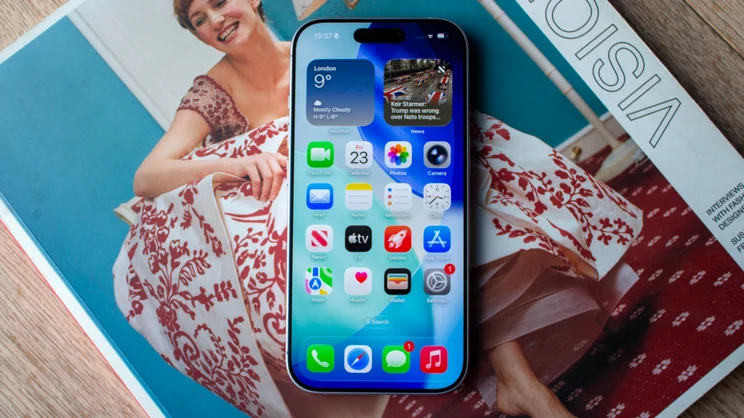
The Apple iPhone 17 ushers in several significant upgrades compared to the iPhone 16, and when I say significant, I mean it. The design hasn’t changed apart from the colours, with everything still wrapped up in a lightweight aluminium chassis, but the display has been eating its greens, expanding to 6.3in from 6.1in to match the iPhone 17 Pro while retaining the relatively compact body.
The battery life has improved too, which is only ever a good thing, and there’s a fancy new front camera that also matches the iPhone 17 Pro models and offers a feature I can’t understand why no one has thought of before. Apple isn’t usually first, but it is for this idea, and it’s executed brilliantly.
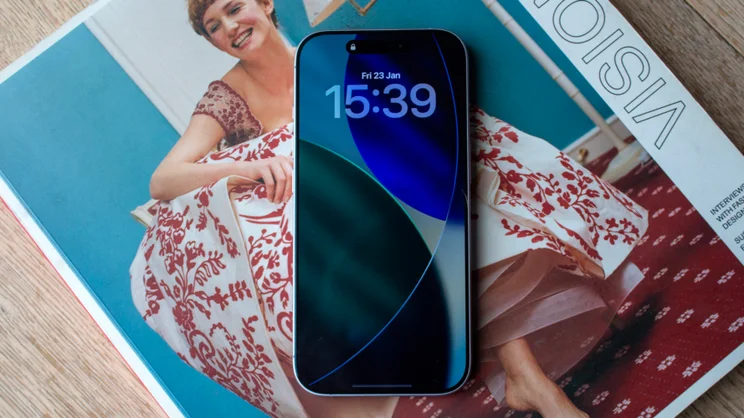
Arguably the most notable upgrade of this humble regular iPhone, however, is the inclusion of Apple’s ProMotion technology on the screen, which is the 120Hz dynamic refresh rate that, while standard on most Android phones, has previously been a Pro exclusive for iPhone. This tech also enabled an Always-On display for the first time on the regular iPhone, which frankly is about time. It’s the feature I missed most when using the regular iPhone over the Pro in previous years.
Under the hood, the iPhone 17 runs the new A19 chip (a slight step down from the A19 Pro in the iPhone 17 Pro and iPhone Air), features a more durable Ceramic Shield 2 front – something that does actually seem to hold true four months in, and introduces a higher resolution ultra wide camera for those landscape shots.
That’s about it for the major changes, with the iPhone 17 retaining the dual-camera vertical layout and the tactile Camera Control and Action Button introduced on the iPhone 16. On the surface, then, everything is as it was, but in use this is a very different experience to the last regular iPhone.
Price and competition
Starting at £799, the Apple iPhone 17 sits in its traditional price bracket, costing the same as the iPhone 16 did when it first launched in 2024, but with double the base storage at 256GB compared to 128GB. If you’re anything like me and my 60,000 photos (no, I am not joking), you’d probably still need the next model up – which is 512GB for £999, but no one is complaining about the extra base storage.
The starting price positions the iPhone 17 as £200 more than the iPhone 16e, £200 less than the iPhone Air, £300 less than the base model of the iPhone 17 Pro and £400 less than the cheapest iPhone 17 Pro Max. It comes in five colours: Black, White, Sage, Lavender and Mist Blue, which is more than all other current iPhone models.
Its primary competition outside of Apple’s own stable comes from the soon-to-be-replaced Samsung Galaxy S25, with Samsung’s Galaxy S flagship smartphones having featured 120Hz screens for years, as well as dedicated zoom lenses. Google’s Pixel 10 series is another obvious alternative, taking some of the best still images around, alongside delivering a clean software experience.
But Apple has some die hard fans, so if you’re considering the iPhone 17, there’s a chance you might have already decided you want an iPhone, period. The competition within Apple’s own portfolio is fiercer than ever, too, though.
The iPhone 16 remains a strong contender, especially now it is at least £100 cheaper, although it is lacking compared to the iPhone 17. The iPhone Air is a wonderful piece of engineering with its impressively slim profile, but it asks for a premium price and compromises in the camera department. Meanwhile, the iPhone 17 Pro remains the choice for those after a dedicated telephoto lens and raw power. But for most of you, the regular iPhone 17 renders the Pro a much harder sell, delivering much better value.
Design
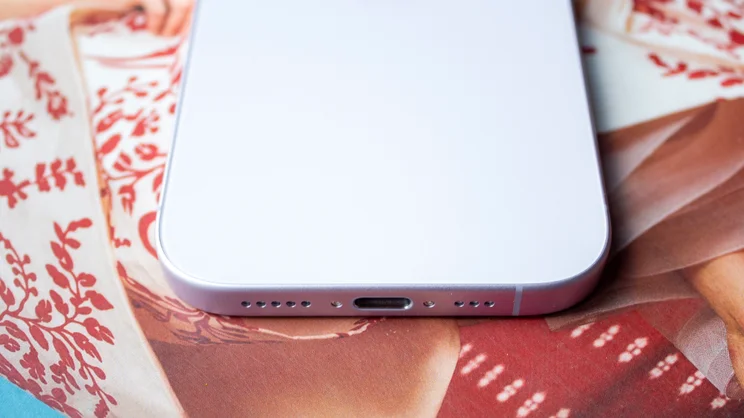
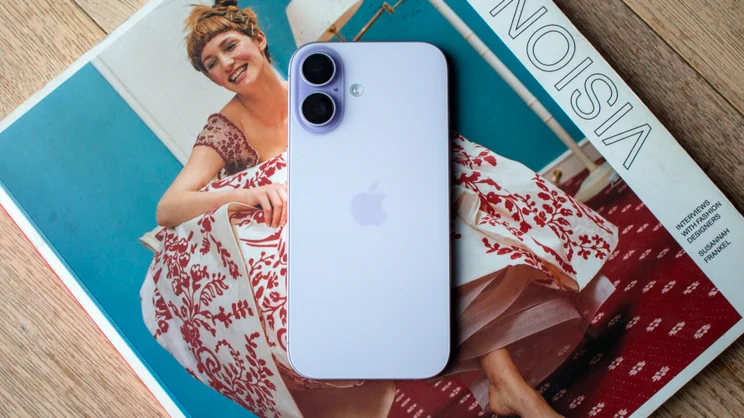
I’ve already said the Apple iPhone 17 retains the same design as its predecessor, so if you’ve read up until now, then that isn’t going to surprise you. What might do is that it’s not intended as a criticism. If you’re coming from an iPhone 16, then no, the iPhone 17 doesn’t offer any new immediate thrills like the iPhone Air or iPhone 17 Pro will. But I’d argue this regular model’s design remains a winning formula.
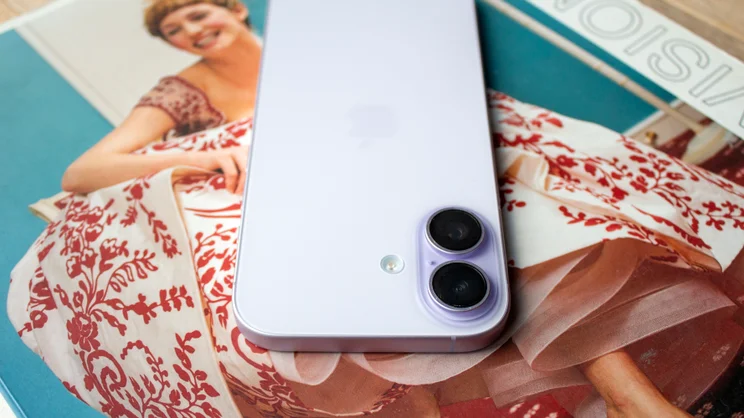
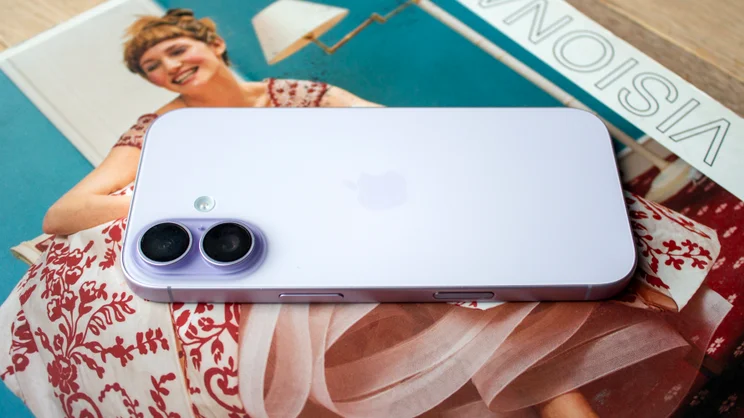
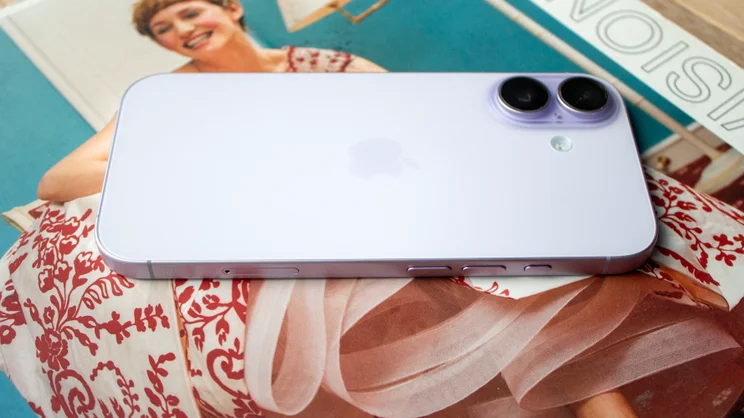
It’s simple, elegant, and, best of all, it doesn’t have a two-tone finish on its rear. I’m all good with the “plateau” on the iPhone 17 Pro models, especially as it stops them rocking when on a table, but I find the two-tone finish too rugged-looking. That is personal preference, of course, but I think the refined finish of the iPhone 17 and its notably more subtle colour options are nicer. I could take or leave Black and White – though the options of those are good for those after a plain finish – but the Lavender, Sage and Mist Blue are gorgeous in the flesh
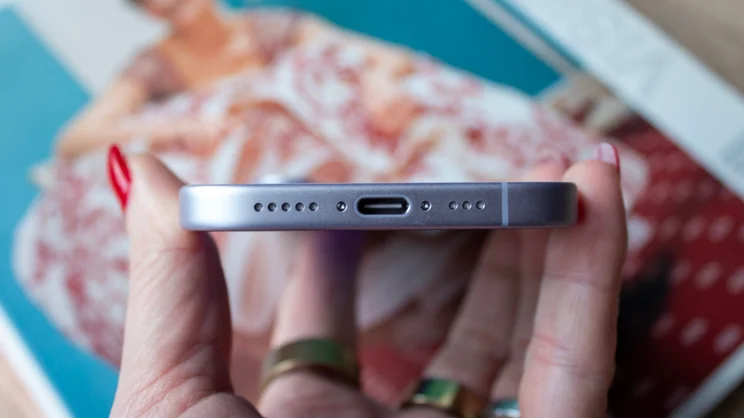
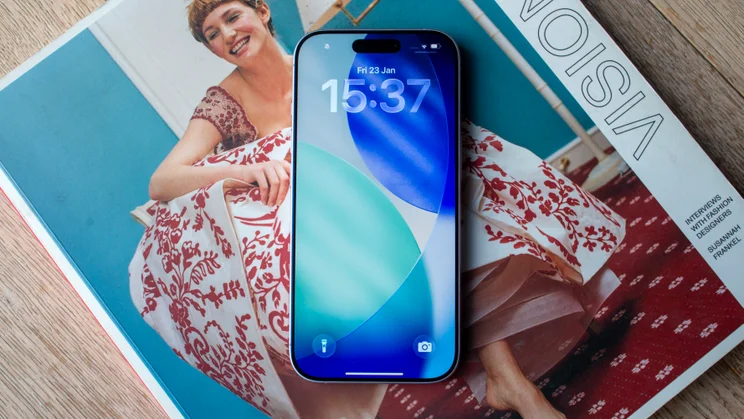
The aluminium frame makes the iPhone 17 lightweight too at under 180g, while the size is nicely balanced for one-handed use, not something I can say for the iPhone 17 Pro Max where my thumb has to perform the splits to flick down notifications from the top. The move to the larger 6.3in screen was achieved by shrinking the bezels rather than significantly increasing the phone’s footprint, so it still feels nicely compact and it’s lovely to use day-to-day.
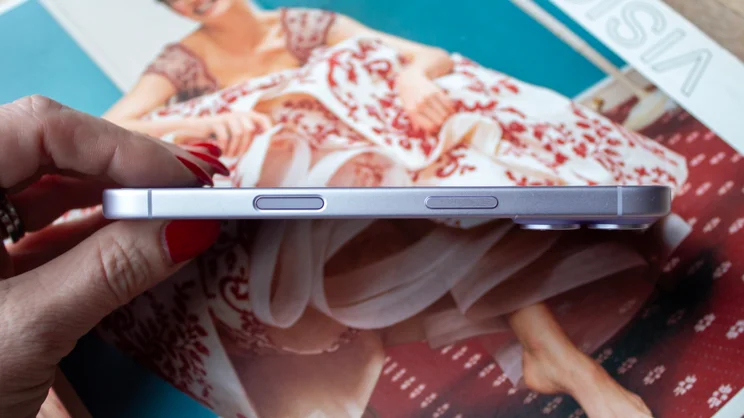
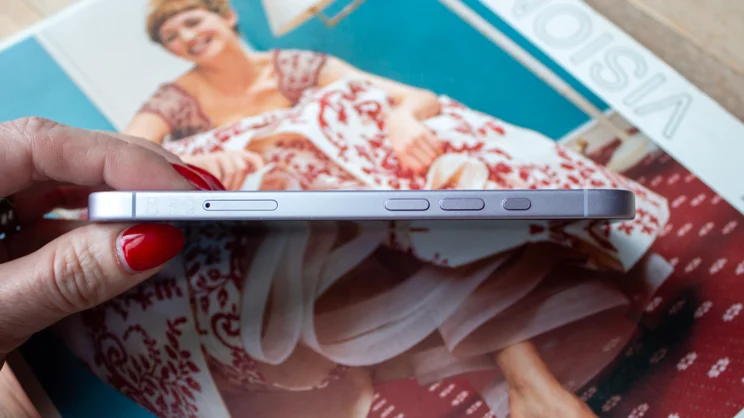
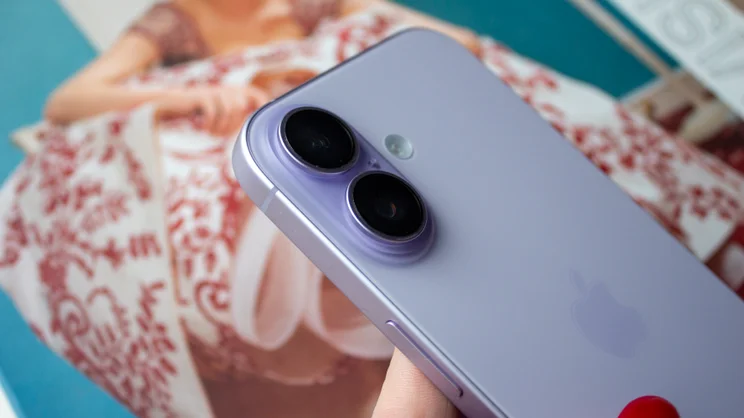
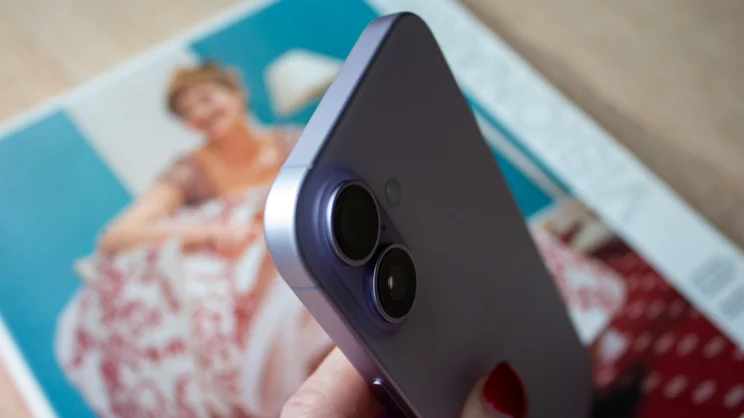
The matte finish of the glass rear makes the iPhone 17 a pleasure to hold, too – albeit a tad slippery sometimes, while confining the dual camera lenses to the small pill-shaped housing in the top left keeps everything much cleaner than other models in the latest line up. As with the iPhone 16, there’s the Action Button at the top of the left edge, which I use to launch WhatsApp, while the Camera Control button remains positioned at the bottom of the right edge. I probably use that button 50 times a day, both to launch the camera and take photos, but it can be sensitive and I do find it irritating when I unintentionally change the aperture, which I do more times than I would care to admit.
From a durability point of view, the iPhone 17 has the IP68 water resistance that is pretty much standard for flagship phones, so no huge surprises there. The addition of Ceramic Shield 2 on the front makes it the most scratch-resistant entry-level iPhone yet, and while that is difficult to test without keying it, which I am not prepared to do, I’m pleased to say I haven’t picked up any scratches in the last four months despite not using a case.
Display
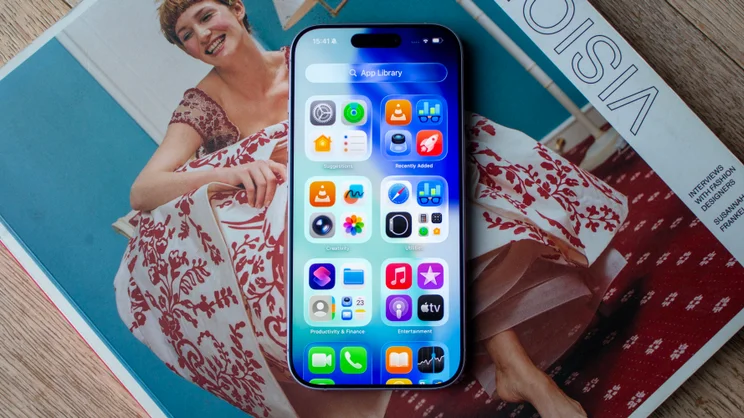
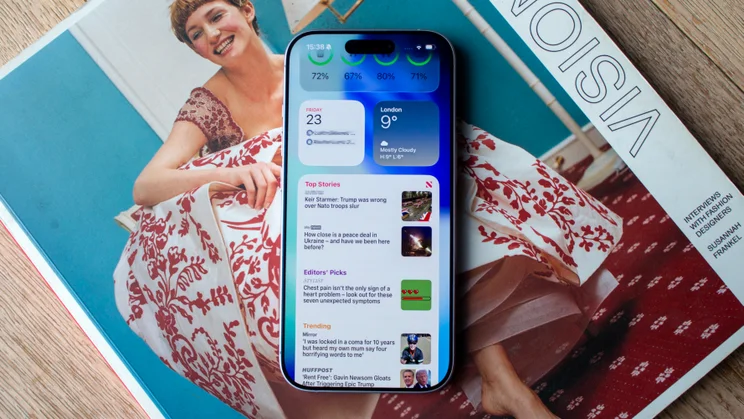
It’s the display where the iPhone 17 wins, though. After years of being stuck in a 60Hz rut, the jump to the 120Hz ProMotion display makes a real difference in use. Doomscrolling social media is much more satisfying, let me tell you, but it’s helpful for a variety of situations, from gaming to reading the news. As it automatically adapts to whatever you’re doing, everything is nice and fluid.
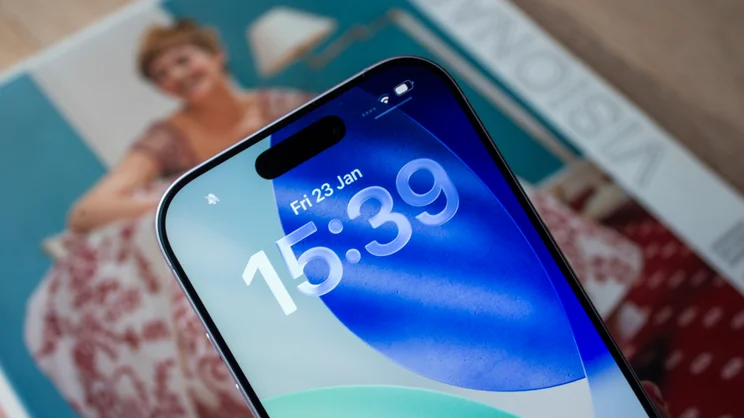
The LTPO technology allows the screen to scale down to 1Hz, too, enabling the Always-On display that, as I mentioned, is the feature I missed the most when moving from the Pro to the regular iPhone in the past. If you’ve never had an Always-On display, you probably won’t care about this element as you’ll know no different, but given it’s been a feature on Android phones for years, including mid-range models, it’s about time the regular iPhone got it. The Always-On display shows time and notifications at a glance, without you waking the display up and without it having a significant impact on battery life.
Brightness has also seen a huge boost on the iPhone 17, peaking at 3,000 nits like the iPhone 17 Pro models and the iPhone Air. In direct sunlight (I tested this phone in Hawaii initially and it’s been to Vegas with me too so it has actually seen the sun unlike we have in the UK), the screen remains perfectly legible and easily cuts through glare. It will also drop down to 1 nits, which is superb for nighttime viewing.
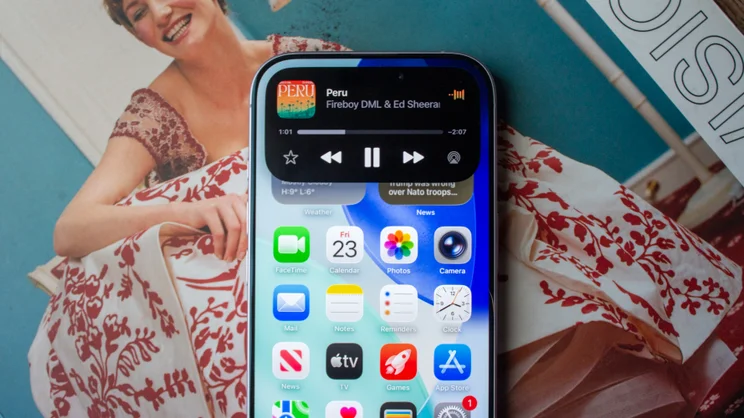
The colours are rich and vibrant, the black level is deep, and the extra 0.2in of real estate makes the iPhone 17 brilliant for watching content. I’m also going to give a little shout-out to Dynamic Island at the top, which appears from the pill-shaped cutout that houses the front-facing camera and the Face ID sensors. It’s been on the regular model since the iPhone 15 in 2023 so it’s not unique to the iPhone 17 by any means, but it is one of the features I appreciate most day to day.
Appearing when useful, the Dynamic Island will present things like timers, Live Activities, music playback controls and calls. Like I said, it isn’t new, but it is another area where Apple has blurred those lines between regular and Pro over the last couple of years, resulting in this model that’s now closer than ever to its “Pro” counterpart.
Cameras
But if there was any danger of the regular iPhone and iPhone Pro becoming too similar, then you only have to focus on the rear camera setup to understand there is still a level of distinction between them, and a reason to opt for Pro.
The iPhone 17’s rear camera setup remains a dual-lens affair, featuring a 48MP main sensor and a 48MP ultra-wide sensor. Let it be known that it is in fact one lens more than the more expensive iPhone Air, however, so don’t stick your nose up just yet.
Ultimately, with the regular iPhone, as has long been the case, you miss out on the Pro’s telephoto zoom, which this year is also a 48MP sensor that allows for an impressive 4x optical zoom (and 8x “optical-quality” zoom).

So, if you’re interested in getting closer to your subject without actually moving, then you may as well stop reading now and opt for the iPhone 17 Pro. If you’re happy to sacrifice zoom, the 48-megapixel main sensor on the iPhone 17 allows for a respectable 2x optical-quality crop so you can get a little closer.
Overall, images from the iPhone 17 are great and typical for Apple, with natural colour balance, excellent detail and reliable performance in low light. I’ve taken some lovely photos of my kids, dog and the places I’ve had the pleasure of going over the last four months. I am far from a photographer, but the point-and-shoot approach that Apple does so well means it is very difficult to take a bad photo and there’s plenty to be said for that.

The real surprise, though, is the front camera and the fact that it does match the Pro models despite the rear cameras missing out. Honestly, it would be enough on its own to make me upgrade to the Pro, so I am surprised the regular model got it. Moving to 18-megapixels from 12-megapixels with a new square sensor and Centre Stage technology, the front camera on the iPhone 17 makes taking selfies much easier and video calling is a significantly better experience, too.
The sensor allows you to switch between landscape or portrait selfies without you having to rotate the phone – you just press a toggle on the screen instead, and it automatically zooms in and out depending on how many people are in the shot – similar to what the Samsung Galaxy Z Flip 7 does with Auto Zoom in Flex Mode. It’s a small but very clever improvement that you’ll find yourself using daily if you’re a selfie taker.
Performance and battery life
The Apple iPhone 17 runs on the company’s A19 chipset, which the eagle-eyed among you might spot is missing the ‘Pro’ suffix compared to what the iPhone Air and iPhone 17 Pro models are powered by.
You still get a six-core CPU and a five-core GPU like the Air however (the Pros have a six-core GPU ), and in real-world use you would be hard-pressed to tell the difference for day-to-day performance. In terms of benchmarks, the iPhone 17 sits between the Google Pixel 10 Pro and the Samsung Galaxy S25 Edge. It’s not the top scorer, but it’s still playing the game.
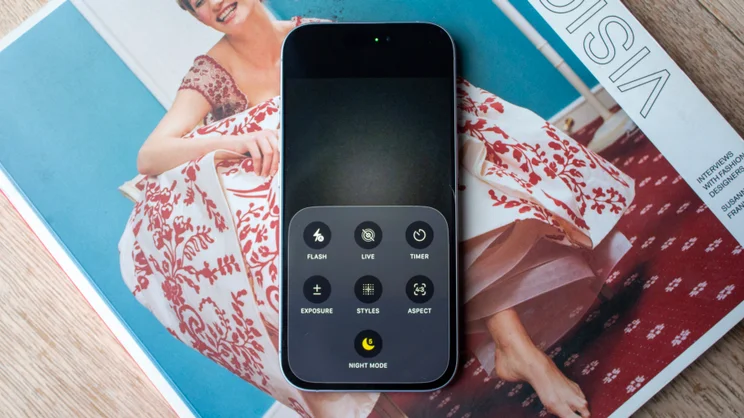
The regular model doesn’t have a vapor chamber like the iPhone 17 Pro models so it does heat up a little quicker when it comes to gaming and sustained use, but the general experience is a snappy phone that delivers seamless multitasking, smooth operation and the swift launching of apps. The iOS 26 software runs nicely, with its new Liquid Glass design offering a fresh look and a few new features, like the ability to change the duration of the snooze on your alarm (game changer, this), along with a simplified Camera app and redesigned Phone app.
We’re still waiting on the smarter Siri that has been promised since WWDC 2024, though things have started to move on that front with Apple confirming Google’s Gemini is coming on board, and while Apple Intelligence is still some way behind Gemini, it has some nice features if you use native Apple apps. Priority Notifications is a firm favourite of mine, with accurate summaries most of the time, and I also think Priority Inbox in Mail works well.
In terms of battery, the iPhone 17 puts in a good showing here, too. Despite the larger and more demanding 120Hz screen, the iPhone 17 comfortably lasts through a full day of heavy use. Having used this phone for several months, I have yet to approach midnight without at least 25 per cent left in the tank and many of those days involve getting up at 6AM and commuting so using Apple Music, CityMapper and Google Maps regularly throughout the day. In our video playback battery tests, the iPhone 17 lasted 29h 13mins, putting it between the Samsung Galaxy S25 Edge and the Apple iPhone 17 Pro.
Charging speeds have also seen a modest bump – finally – and while they aren’t anywhere close to some of the Android phones out there, the regular iPhone 17 can be topped up to 50 per cent in 20 minutes with a 40W power adapter. Do keep in mind, though, that you’ll need to provide your own compatible brick to hit those speeds.
Apple iPhone 17: Verdict
The Apple iPhone 17 is the iPhone most people should buy. For years, the regular iPhone has felt like it was holding back to protect the Pro’s territory but that’s no longer the case.
By finally giving the standard model a larger 120Hz ProMotion display, upgrading its ultra-wide rear sensor and giving it the same front camera treatment as the Pro, Apple has removed some of the biggest reasons to spend more on its flagship.
The iPhone 17 is a superb all-rounder that combines a stunning display, all-day battery life, and a highly capable dual camera system into a design that is a joy to use. Unless you are looking for raw power, or you are a professional photographer who lives and dies by a zoom lens, this is the best iPhone for the money.