To help us provide you with free impartial advice, we may earn a commission if you buy through links on our site. Learn more









- Privacy Display works brilliantly
- The fastest phone we’ve ever tested
- Impressively thin and light for its size
- Wobbly on flat surfaces
- Price increases across the board
- Falling behind rivals with Si-Ca batteries
In the age of AI, hardware advancements are becoming more and more of a rarity in the smartphone world, so Samsung dropping the Galaxy S26 Ultra with its new Privacy Display is certainly an event worth celebrating.
This useful new tool joins a spec-sheet that is the definition of excess: the phone is huge, the display incredibly sharp, the cameras numerous, the performance ridiculously fast, and there’s again an S Pen stylus tucked in the bottom-left corner. In many ways, it continues to be the ultimate Android phone.
You do, of course, have to pay for the privilege, with a new price hike cementing the S26 Ultra as one of the most expensive flagships on the market. And yet, it’s hard to argue that it doesn’t deserve to be. You won’t find the best value here, but if money is no object, the Samsung Galaxy S26 Ultra is as refined and polished as flagships get.

Samsung Galaxy S26 Ultra: What you need to know
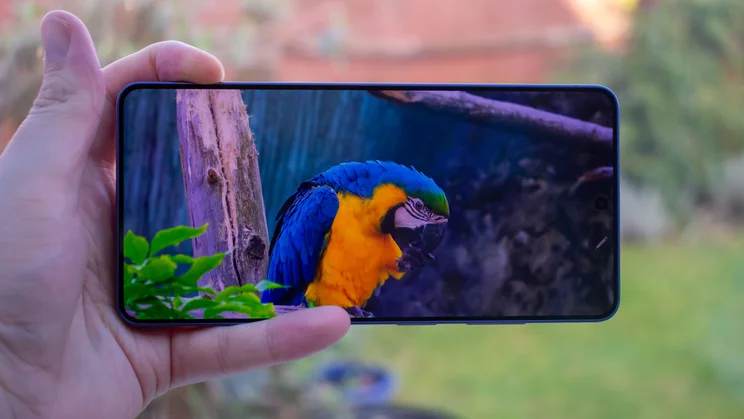
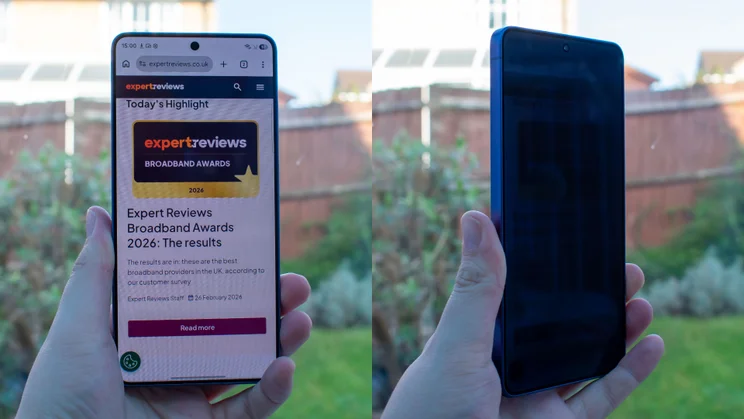
The most notable new feature of the Galaxy S26 Ultra is its Privacy Display, a pixel-level setting that you can turn on and off at will, which darkens the display when viewed from any of the four sides, while still keeping the front-on view clear. It’s an impressive new tool that will be particularly useful for keeping your chats, passwords and the like secret when you’re on public transport or in a crowded office.
Otherwise, we have the expected upgrade to the 4.74GHz Snapdragon 8 Elite Gen 5 for Galaxy chipset, again backed up by either 12GB or 16GB of RAM and 256GB, 512GB or 1TB of storage. The battery is the same 5,000mAh cell, but charging has been improved this year, now supporting 60W wired and the 25W Qi2.2 wireless standard.
The hefty squad of cameras on the rear once again comprises a 200-megapixel main lens, a pair of telephoto cameras, offering 3x and 5x optical zooms, respectively, and a 50-megapixel ultrawide. Over on the front is a 12-megapixel selfie camera.
Price and competition
Let’s get the bad news out of the way: the Galaxy S26 Ultra sees increased prices for all three variants. The 256GB model gets off relatively lightly, only rising from £1,249 to £1,279, but the 512GB and 1TB models see bigger jumps, at £1,449 and £1,699, respectively.
If you have your heart set on a higher storage configuration, it’s worth jumping on the Galaxy S26 Ultra sooner rather than later; as an introductory offer, Samsung is running a double-storage deal, getting you the 1TB model for the price of the 512GB, and the 512GB option for the price of the 256GB.
The iPhone 17 Pro Max starts a little cheaper, at £1,199 for the 256GB model, and also comes in 512GB (£1,399), 1TB (£1,599) and 2TB (£1,999) configurations. And then we have the Xiaomi 17 Ultra. There’s no 256GB model, so it starts at 512GB, but that’s only £20 more than Samsung’s starting price, at £1,299. The 1TB model, meanwhile, is £1,499.
Undercutting them all is the OnePlus 15, which costs £849 for the 256GB model or £979 for the 512GB version. The cameras aren’t quite as strong as the above models, but it still delivers outstanding performance and the best battery life we’ve ever recorded.
Design and key features
For several generations (since the Galaxy S22 Ultra, to be precise), Samsung has differentiated the Ultra from its lesser siblings with a bold and severe-looking squared-off design. These sharp corners have lessened a little over the years, but the silhouette has remained relatively unchanged.
With the Galaxy S26 Ultra, however, Samsung has nudged the design closer to the base and Plus models than ever before, with truly rounded corners that completely shrug off the previously iconic broad-shouldered look.
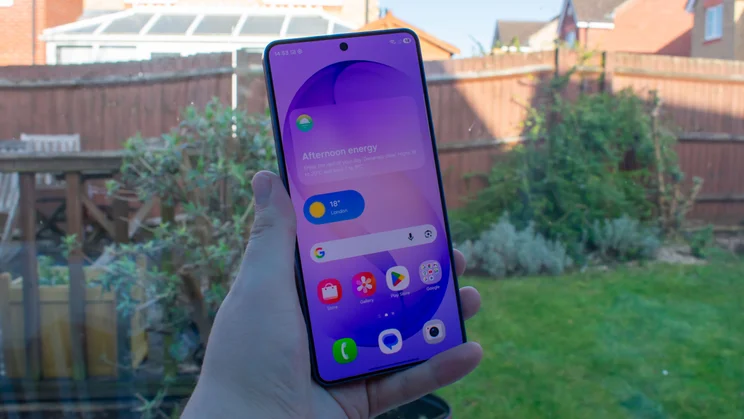
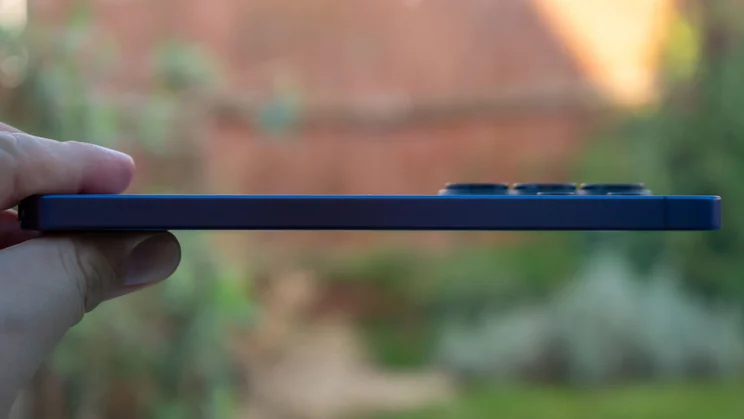
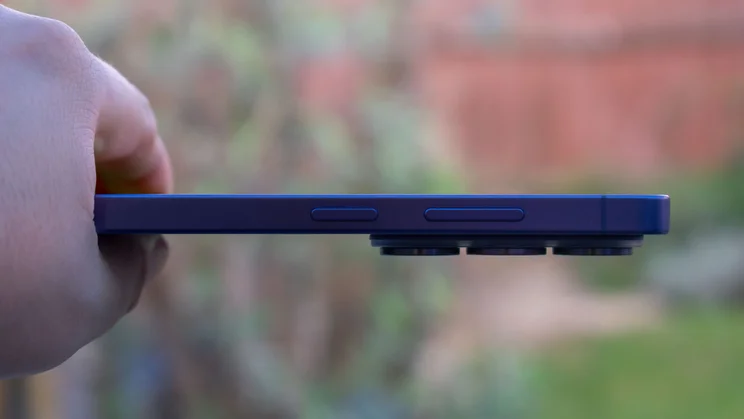
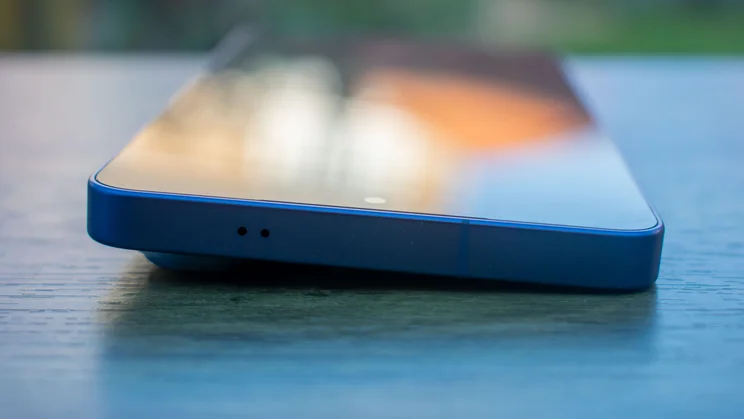
I’m usually the first to complain about the dilution of iconic design and the hegemony of phone aesthetics, but even I have to admit, this new look works a lot better. In particular, I find that the S26 Ultra sits more comfortably in my hand than the S25 Ultra did – aided by a tweaking of dimensions that make it 0.3mm thinner (now 7.9mm) and a few grams lighter, at 214g.
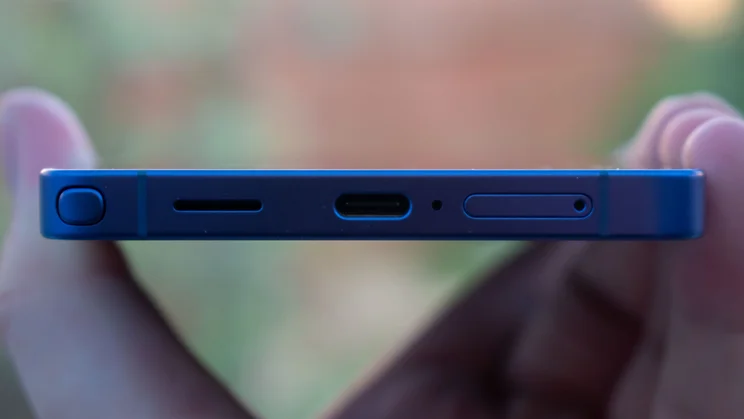
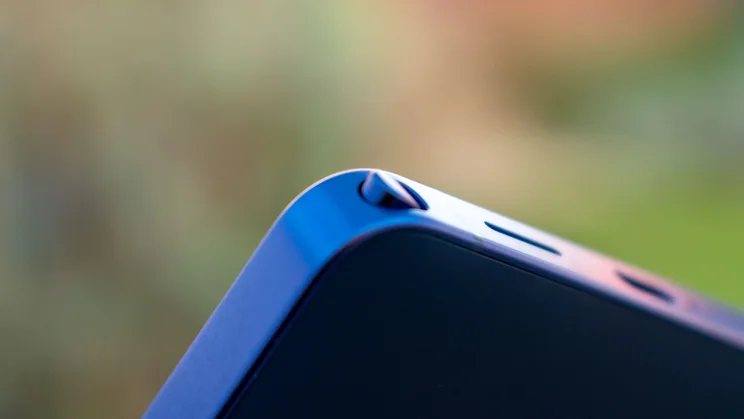
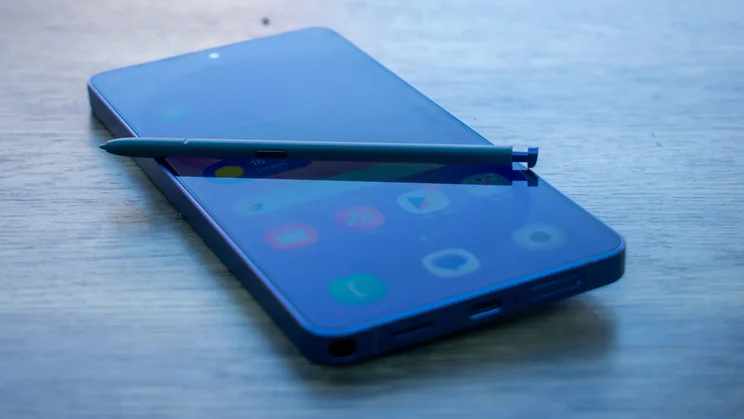
My one tiny complaint with the new rounded corners is that there is now a “wrong” way to stow the S Pen stylus. Where the S25 Ultra’s stylus had a flat end that sat neatly no matter which way round you slotted it in, this version slopes to one side, to better conform to the corner curve. Put it in backwards, then, and you’re left with a corner jutting out slightly. It’s not the biggest deal in the world, just slightly more fiddly.
Also changed is the material: the S25 Ultra was the last ride in Samsung’s experimentation with titanium. Just like Apple with its latest Pro handsets, Samsung has reverted to aluminium for this generation – specifically, its own Armor Aluminium 2.0.
I don’t find this to be much of a problem; it still looks and feels as premium as ever, and durability isn’t a worry, with Gorilla Armor 2 over the display, Gorilla Glass Victus 2 on the rear and an IP68 dust and water resistance rating, it’s set to be just as robust as its predecessor.
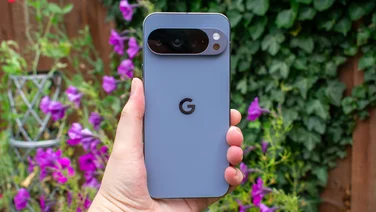
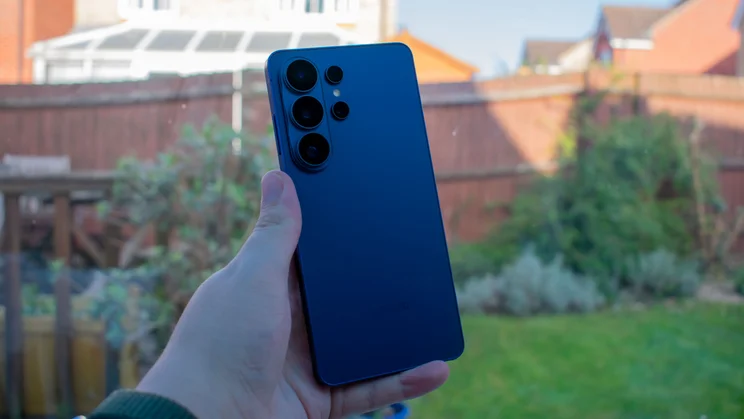
This year, we have a total of six colours to choose from: the purplish-grey Cobalt Violet pictured here, along with Black, Sky Blue and White, can be picked up at any retailer, while the Gold Pink and Silver Shadow colourways are exclusive to samsung.com.
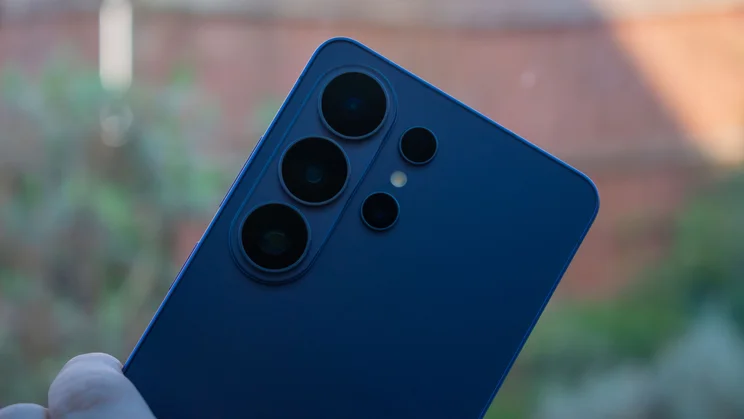
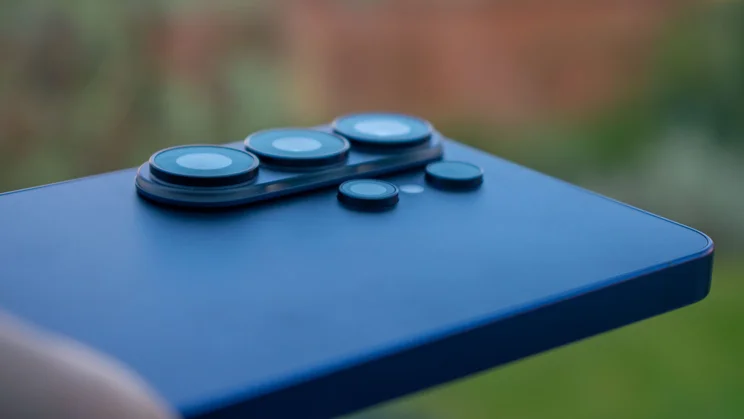
Where previously, Galaxy S-series phones had the individual camera lenses sat “floating” on the rear, without any uniform housing around them, the S26 Ultra introduces a pill-shaped housing on the left that wraps the main, ultrawide and 5x telephoto lenses in a traffic lights style system, with the 3x telephoto and the autofocus module sat floating beside it.
Aesthetically, it’s fine, and creates some nice cohesion with the looks of other Samsung phones, ranging from the mid-range Galaxy A56 to the top-end Galaxy Z Fold 7. The problem is that the housing sticks out a little more than the floating lenses, and creates quite a lot of wobble when placed on flat surfaces.
The software is OneUI 8.5, built on Android 16, and comes with seven years of software support. DeX support returns, allowing you to connect to a monitor and run the phone like a desktop, and the Now Brief system adds the new Nudge feature. This dynamically suggests actions like adding an event to your calendar based on the content on your screen, similar to Google’s Magic Cue.
Display
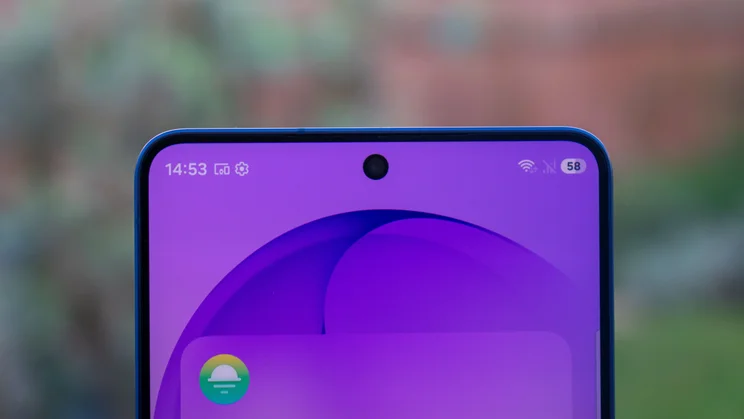
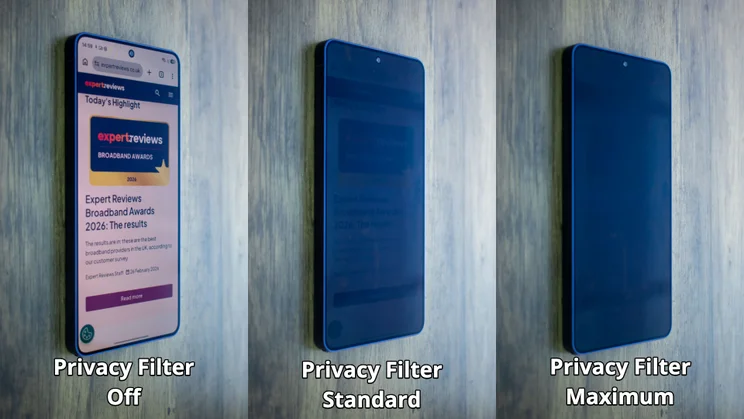
The privacy display is a clever piece of kit. Instead of slapping over the top of the display like similar filters you can buy for a few quid, this technology is implemented at pixel level, with a combination of wide and narrow pixels that can be lit independently, firing a clear image forwards while obscuring the screen from the sides.
Not only does this allow you to switch the filter on and off with a simple tap in the control centre, but it can also be set up to only block specific areas or engage under certain conditions – masking your pop-up notifications or stepping up when you input a password, for example. There are also two levels of protection, with the standard version obscuring the screen a fair amount while the Maximum Privacy Mode, as the name suggests, offers full-strength protection.
Switching the filter on does dim the screen somewhat – in my testing, I cranked the brightness as high as it would go on manual mode (618cd/m2) and then turned on the privacy filter, where the brightness dropped to a steady 260cd/m2. This was still perfectly usable, even in bright conditions, but it’s worth noting.
Brightness without the filter proved decent in my testing, hitting 1,273cd/m2 on adaptive mode with a torch shining on the light sensor and reaching 1,371cd/m2 when displaying HDR content. Samsung claims an overall peak of 2,600 nits, which is plenty bright but the same as the S25 Ultra – it would be nice to see some movement in this area with the next generation.
There are two colour profiles you can jump between, with the default Vivid dialling colours up for more punchy streaming and gaming, while the Natural mode shoots for authenticity. On the latter, I recorded an sRGB gamut coverage of 96.1% with a volume of 96.7%. The average Delta E colour variance score came back at 1.6, which is above our target of 1 or under, but it’s far better than we saw on the S25 Ultra (2.38).
Performance and battery life
The Snapdragon 8 Elite Gen 5 was already a ridiculously powerful chipset before Samsung got its mitts on it, but the “for Galaxy” modification makes it even more impressive, clocking it up to a crazy fast 4.74GHz.
In the Geekbench 6 CPU tests, this overpowered chipset blew away the competition. Of the Android stock, we have never seen results this high in either single-core or multi-core operations, and it even surpassed the iPhones in the latter test, too – though the 17 Pro Max maintains a tiny lead in the single-core results.
When we’re talking about these kinds of speeds, it’s unlikely that anyone would be able to tell the difference between, say, the Galaxy S26 Ultra and the OnePlus 15 in daily use. It’s even less likely that you would need that extra horsepower. For those to whom it matters, however, the fastest Android phone in the world is now the Samsung Galaxy S26 Ultra.
And, of course, with great power comes great gameability, too. In the Geekbench 6 Vulkan GPU test – in which higher numbers indicate more efficient and stable 3D processing – the S26 Ultra landed right at the top of the pile, alongside the OnePlus 15 and Xiaomi 17 Ultra.
More importantly, however, is that it delivers swift framerates and gorgeous textures without getting too hot. Samsung has apparently redesigned the vapour cooling chamber with repositioned “thermal interface materials” that allow for more efficient heat dissipation.
That certainly tracks with my testing; I booted up Genshin: Impact and dialled the settings up to 11 to push the S26 Ultra as hard as I could; even though the game warned me about overheating, the phone never got uncomfortably warm.
Samsung’s supremacy skids to a sudden stop as we turn our peepers to the battery tests. To be clear, the Samsung Galaxy S26 Ultra has excellent battery life, running our standard looping video for 35hrs 19mins. That’s better than the S25 Ultra and still one of the best results we’ve ever recorded.
The issue is that Samsung has stuck with a 5,000mAh lithium-ion battery while rivals have begun delivering far larger capacities thanks to advancements in silicon-carbon battery technology. The OnePlus 15 and Oppo Find X9 Pro, for instance, use 7,300mAh and 7,500mAh batteries, respectively, and both went beyond 40 hours in our test.
Even the iPhone 17 Pro Max has better battery life than the Galaxy S26 Ultra, when, for the past few generations, this has consistently been Samsung’s one clear advantage over Apple. I’m not saying the battery life here is bad, but something is going to need to shift if Samsung wants to remain competitive. And that something should probably be battery capacity. Embrace the silicon, Samsung.
It’s nice to see Samsung upping its charging provisions, at least. The 60W wired charging claims to bring the battery from empty to 75% in 30 minutes, but my testing actually showed that to be a little conservative; after exactly 30 minutes, the battery was sitting at 80%, while a full charge took around 50mins.
Cameras
The camera loadout is mostly the same as on the Galaxy S25 Ultra, but a couple of the apertures have widened for this generation. This should theoretically allow the sensors to take in more light and deliver brighter and sharper images, especially in low light. The 200-megapixel main camera now has an f/1.4 aperture (compared to f/1.7), and the 50-megapixel 5x periscope telephoto lens now has an aperture of f/2.9 (compared to f/3.4).
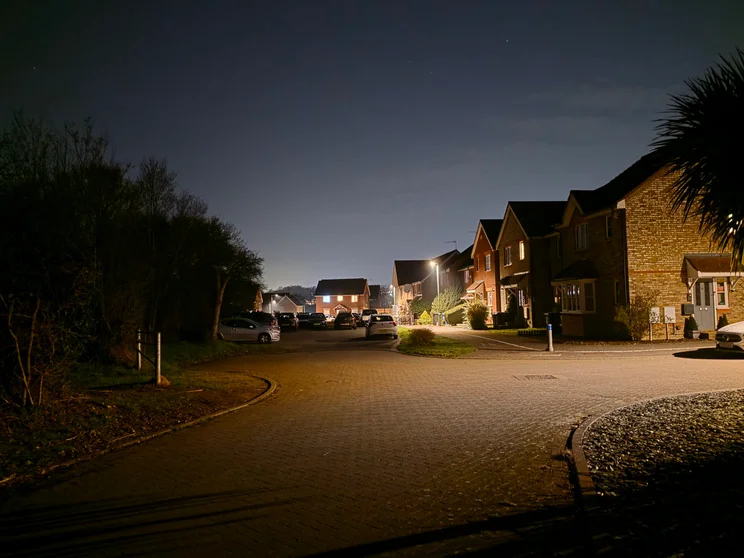
I was already very pleased with the night photography on the Galaxy S25 Ultra, so scope for improvement was quite slim, but the S26 Ultra at least matches the quality of its predecessor. Brightening is effective, without flooding big blocks of darkness like the sky with visual noise, and colouring is punchy without drifting too far into oversaturation.
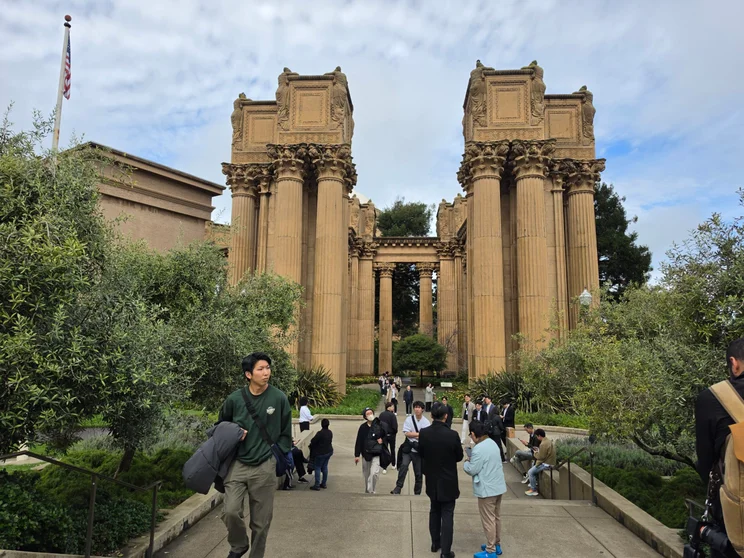
Shots in good lighting are lovely too, with razor-sharp detail, gorgeous colours and broad dynamic range. Just look at the definition that’s retained in the shadowy areas of these plants, for example:
A minor tweak to the 5x telephoto camera results in the minimum focus distance being quite a bit longer than the previous model, meaning that telemacro shots are more the responsibility of the 3x lens now. Otherwise, both perform excellently, especially when playing around with different focuses for striking portrait shots.
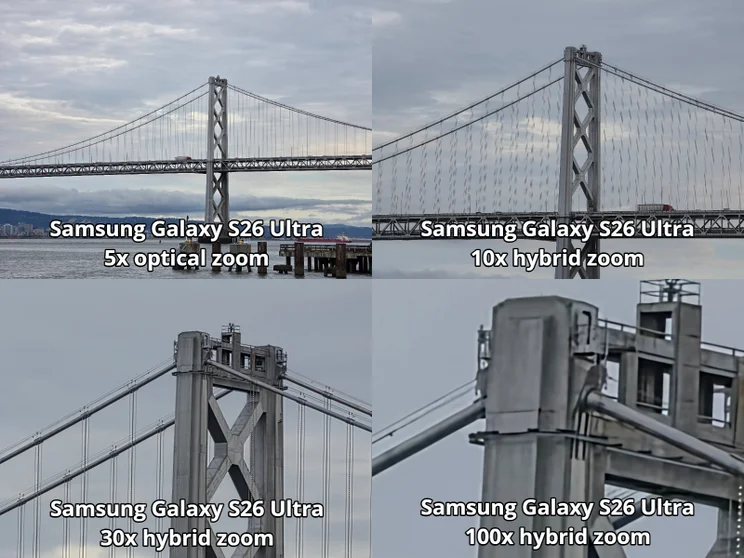
And as before, the S26 Ultra can reach a maximum zoom of 100x, with detail looking fantastic up to around the 30x mark, and slowly slipping away from there. Full magnification is a little fuzzy, but to Samsung’s credit, it’s not plasticky or artificial-looking with AI interference like some rivals produce.
That’s not to say that you don’t have AI at your disposal if you want it; the editing suite has a handful of questionable tools that can transform your pictures into a variety of styles (like the below oil painting look), change details, add in other pictures and more. It’s as gimmicky as it gets and not the sort of thing I’m inclined to use more than a couple of times for a laugh, but it’s there and works well enough.
The 50-megapixel (f/1.9) ultrawide does a great job, too, keeping the colour tone close to that of the main lens and plucking out plenty of fine detail. The corners are a little blurry, as we see on so many of these lenses, but broadly, it’s a good effort.
Finally, the video suite continues to be one of the best in the business, shooting up to 8K at 30fps, 4K up to 120fps and including features like 10-bit HDR recording and LOG, while stabilisation gets upgraded with the effective Horizon Lock. This feature uses the gyroscope and accelerometer to determine which way is up and keep your video locked steadily in the same orientation, even if you rotate the phone 360 degrees.
Samsung Galaxy S26 Ultra: Verdict
It is a shame to see Samsung falling behind in the battery life stakes after leading the pack for the past few years, but even still, the stamina remains excellent. Pair this with the fastest performance of any Android phone around, a wonderfully sharp display with the useful new Privacy Display feature and a fantastic suite of cameras, and this is another incredibly well-rounded, premium flagship phone from Samsung.
Those who find the price tag too hard to stomach will find excellent performance and superior battery life from the OnePlus 15 – but be prepared to compromise a bit on camera quality and software support. For the best all-round flagship, however, your money goes a lot further with the Samsung Galaxy S26 Ultra.