
To help us provide you with free impartial advice, we may earn a commission if you buy through links on our site. Learn more
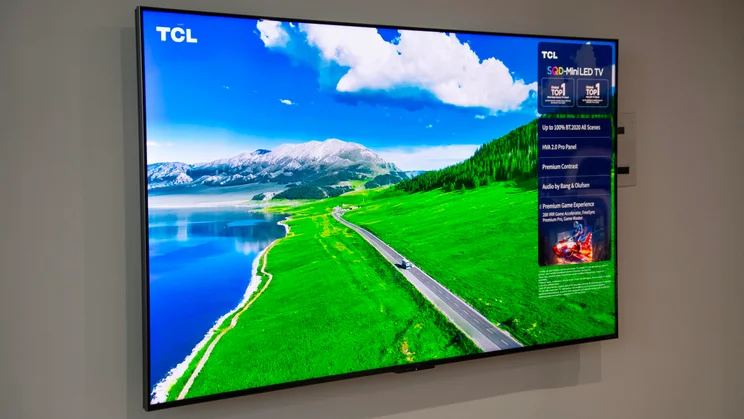
TCL made a splash with new Super Quantum Dot technology at its CES booth, with TVs boasting insane brightness, groundbreaking numbers of dimming zones and 100% coverage of the BT.2020 colour gamut.
I’ve since had the opportunity to spend a bit more time with the SQD TVs that the brand is bringing to market in the UK this year, and a couple of them are probably my most anticipated sets of 2026.
The TVs in question are the TCL C7L and TCL C8L. They’re the successors to two of our favourite televisions from last year, the Google TV-powered TCL C7K and TCL C8K, both of which received top honours in our tests.
It’s this pedigree, alongside the potentially huge benefits of super quantum dots, that make them so exciting. That, and how ruthlessly competitive the pricing of the C-series Mini LED TVs was last year. The more premium models have seen a price hike this year, but still look set to be great value for what they offer.
TCL X11L: The Super Quantum Dot range-topper
Before breaking down the specifications of both TVs, I should note that they’re not the pinnacle of the brand’s SQD offering. That position belongs to the X11L, which I got my eyes on at CES, and will be released in three sizes: 75in, 85in, and 98in.
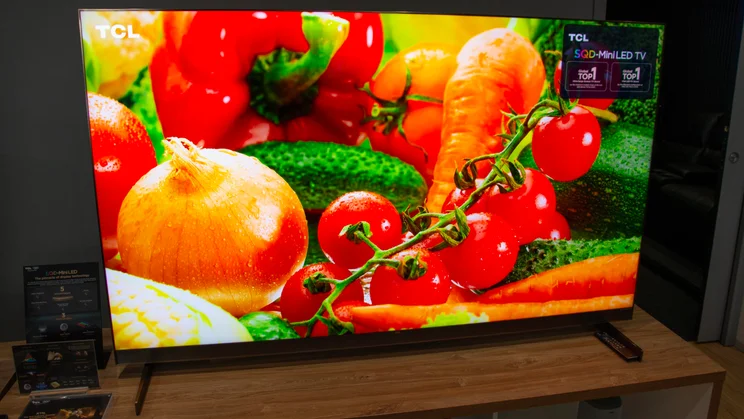
TCL says the largest of those can hit brightness peaks of up to 10,000 nits and has over 20,000 independent dimming zones. It’s the brand’s flagship TV this year and looks fantastic. But for me, the models just below it hold more appeal.
TCL C8L: A Super QLED crowd pleaser
By adding 55in and 65in screen size options to the three super-large options the X11L is available in, the TCL C8L immediately becomes a much more accessible proposition. It doesn’t cede much to its more advanced stablemate in specifications, however. The 55in and 65in models can output 3,000 and 5,000 nits of peak brightness, respectively, which is more than enough for bright living spaces, and they do so while covering the whole BT.2020 gamut.
In addition to these headline-grabbing specs, you’ve also got 4K/144Hz support across all four HDMI 2.1 ports and support for up to 288Hz with lower-resolution sources, making this a great TV for gaming. There’s also Dolby Vision 2 Max compatibility (when it eventually arrives), and Dolby Atmos audio from a sound system co-designed with Bang & Olufsen. Couple this with thousands of dimming zones controlling a very bright backlight, and you’ve got a real force to be reckoned with.
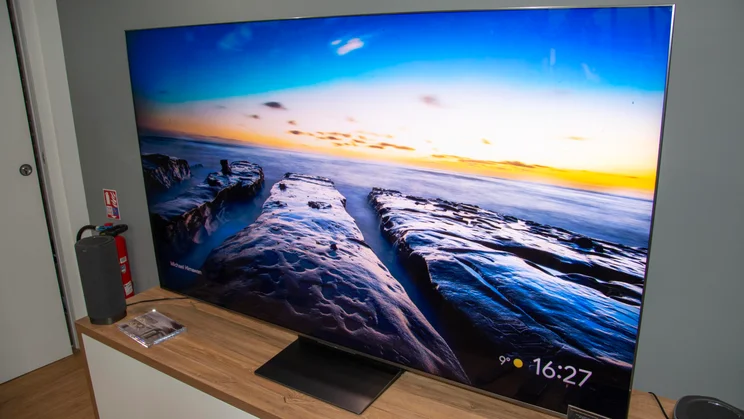
Like the range-topping X11L, the C8L uses TCL’s WHVA (Wide High Vertical Alignment) 2.0 Ultra panel, which combines ultra-wide viewing angles, a ZeroBorder, bezel-less design, and ultra-low-reflectivity finish. Watching demo content on the C8L was a joy. I was even taken aback by how good some of the Google TV screensavers looked when the TV had been idle for a little while.
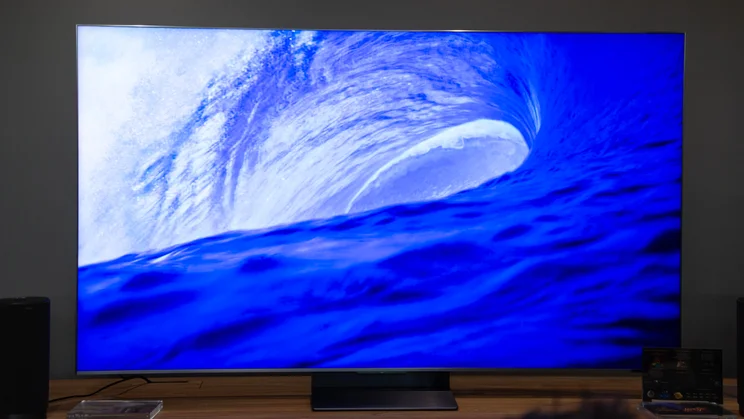
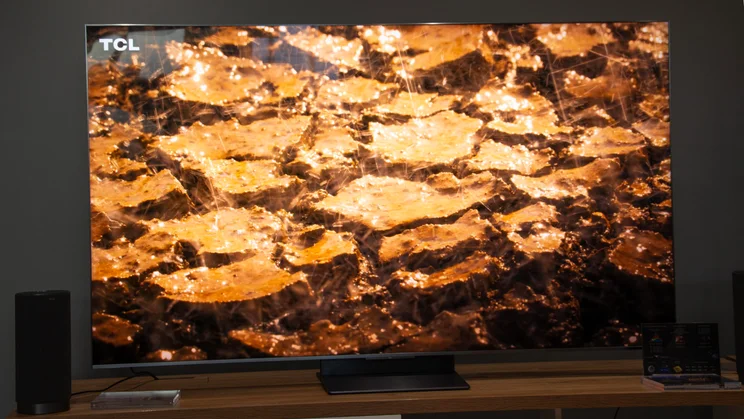
Though not particularly accurate with colour and grayscale, the images in Standard mode were gloriously vivid. The wave below looks like no sea I’ve ever swam in, but my goodness, does it look impactful (and potentially fatal).
The screen also dazzled when displaying highlights that push the panel to the limits of its peak brightness. The specks of white light danced around the image below and practically jumped off the screen, and the darker elements of the picture demonstrated engrossing levels of shadow detail. You may notice, however, that the anti-reflection finish on the TCL C8L doesn’t completely remove pesky glare.
As mentioned above, the C8L will cost a little more at launch than its predecessor, though I’d expect discounts within months of the TV’s release.
- 55in TCL C8L: £1,199
- 65in TCL C8L: £1,899
- 75in TCL C8L: £2,299
- 85in TCL C8L: £2,999
- 98in TCL C8L: £3,999
If you don’t want to wait for this year’s models, the TCL C8K can currently be picked up for the bargain price of £1,199 in 65in.
TCL C7L: The best-value Mini LED TV of 2026?
When I tested the C7K, I couldn’t quite believe how well it measured – and performed subjectively – given its price. The 55in model hit peak brightness of 2,820cd/m2 in Standard mode, reproduced colours and greyscale very accurately in Filmmaker Mode (Delta E was recorded below the visible threshold of three), and covered 78% of the BT.2020 colour gamut.
All things bright and beautiful
Brightness is said to be similar on the 55in model this time around (and slightly higher on the 65in, 75in, 85in and 98in variants), but the new super QLED panel elevates BT.2020 gamut coverage up to 100%. The number of dimming zones has also crept up across the range, meaning the new C7L should deliver more precise light control and improved contrast, alongside brighter, richer and purer colours.
Based on a brief viewing session at TCL NXTHOME in Paris last month, it looks set to live up to the hype. It doesn’t have the gorgeous ZeroBorder design of the C8L, which is a shame, nor does it have quite as wide viewing angles. However, I was very impressed by how the C7L rendered colours, particularly primaries. In the shot below, you can see just how deep the blue sea looks, and how subtly the water’s different shades are handled across the panel.
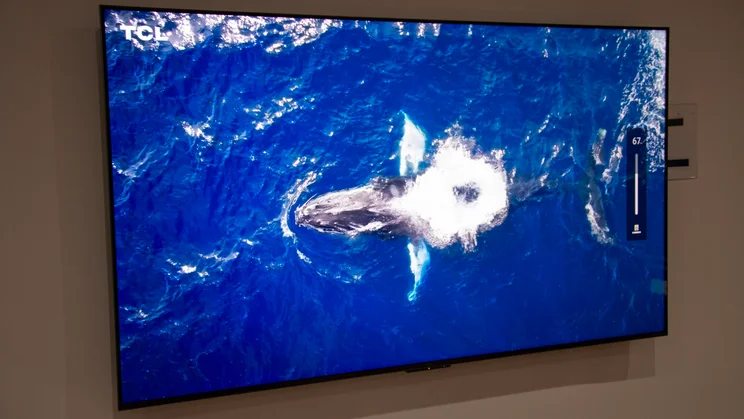
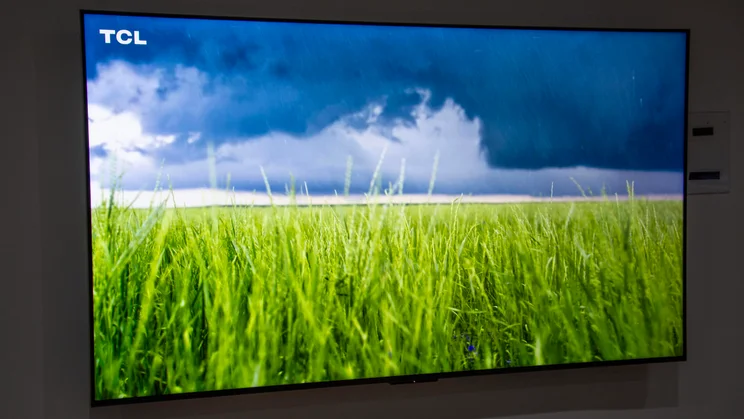
The dimming capabilities of the SQD panel really helped bring contrasty images to life on screen. The lush green field below juxtaposes excellently with the dark, foreboding sky, while the gradation of the lighter clouds is nuanced and natural.
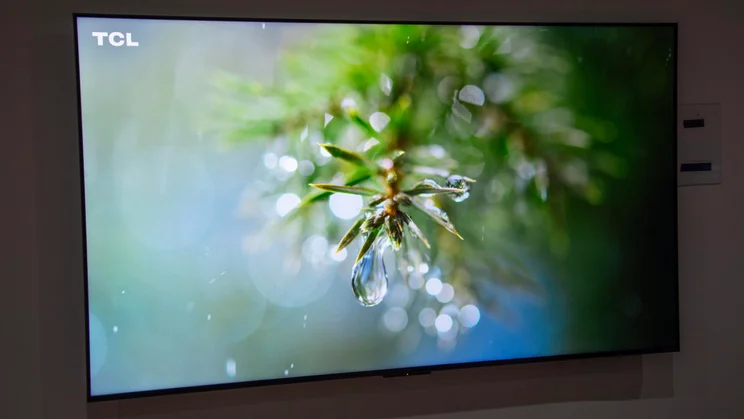
This final image demonstrates the level of detail the C7L can draw out and how well it handles specular highlights. There’s more than enough brightness to capture how the light catches and reflects off the water droplets, but this brightness remains in keeping with the rest of the image, with colours remaining punchy and vibrant.
The C7K is the TV I currently recommend to most people, and the C7L is a significant upgrade based on what I’ve seen. As a result, it’s quite a bit dearer than the 2025 model. Here’s what you can expect to pay if you’re an early adopter:
- 55in TCL C7L: £1,099
- 65in TCL C7L: £1,899
- 75in TCL C7L: £2,299
- 85in TCL C7L: £2,999
- 98in TCL C7L: £3,299
Cuthroat pricing on last year’s C7K
The C7K remains a fantastic option if you don’t have your heart set on an SQD TV and, as you’ll see from the prices below, can be picked up pretty cheaply given what’s on offer.
- 55in TCL C7K: £699
- 65in TCL C7K: £849
- 75in TCL C7K: £1,099
- 85in TCL C7K: £1,499
- 98in TCL C7K: £1,999
- 115in TCL C7K: £7,499
TCL’s TV range runs deep and wide
The Super QLED TVs discussed above are a small but crucial part of the brand’s extensive television lineup this year.
It’s also got the premium RM9L and RM7L RGB Mini LED TVs, and P8L and C6K non-Super Quantum Dot Mini LED ranges. The latter is actually a continuation of last year’s entry-level Mini LED offering.
Below those models, you’ve got basic 4K QLED options offering different operating systems in the form of the P7L and V6D ranges. And bringing up the rear is the V5D range, which uses a Full HD panel rather than a 4K one. UK pricing for the cheaper products in the range is below.
TCL P8L: Mini LED without the suped-up quantum dots
Panel type: QD-Mini LED; Operating system: Google TV; Refresh rate: 144Hz
- 55in P8L: £649
- 65in P8L: £849
- 75in P8L: £1,049
- 85in P8L: £1,399
TCL P7L: No-fuss, affordable QLED
Panel type: QLED; Operating system: Google TV; Refresh rate: 60Hz
- 43in P7L: £399
- 50in P7L: £449
- 55in P8L: £499
- 65in P8L: £699
- 75in P8L: £899
- 85in P8L: £1,299
TCL V6D: The Fire TV option
Panel type: QLED; Operating system: Fire TV; Refresh rate: 60Hz
- 43in V6D: £259
- 50in V6D: £329
- 55in V6D: £379
- 65in V6D: £499
- 75in V6D: £649
TCL V5D: The FHD option
Panel type: QLED; Resolution: 1,920 x 1,080p (Full HD); Operating system: Google TV; Refresh rate: 60Hz
- 32in V5D: £199
- 40in V5D: £239
- 43in V5D: £259


