To help us provide you with free impartial advice, we may earn a commission if you buy through links on our site. Learn more
- Easy to use
- Looks nice on the counter
- Coffee is average but consistent
- Middling espresso
- Overpriced for what it offers
- No option to manually adjust the grind size
With manual espresso makers, bean-to-cup and pod coffee machines popping up everywhere, every brand wants its coffee machine to stand out. But few have come up with a solution quite like the Philips Baristina. It aims to make producing “real” espresso from whole, fresh beans an easy affair for beginners, and in some ways it succeeds, combining the simple approach with some fun touches to modernise the experience.
But it’s also a bit weird: a strange hybrid that sits between a manual espresso and a fully automatic bean-to-cup. It has a built-in grinder that also doses and tamps for you, but still requires you to dispose of the puck yourself. It has no built-in milk steaming, and you can only make two drinks: espresso or lungo.
It’s a coffee machine for people who want something better than a pod, with the vibe of espresso, but don’t care all that much about getting the most from the beans. And while there’s nothing wrong with that, it doesn’t quite hit the mark.

What do you get for the money?
At £300 (or £380 if you opt for the milk frother bundle), the Philips Baristina is looking to position itself as an “affordable” bean-to-cup espresso machine. And at first glance, it does look that way. After all, fully automatic bean-to-cup machines can set you back anywhere up to a thousand pounds and more for the all-singing, all-dancing varieties.
However, you don’t have to pay too much more to find basic machines that do more for you than the Baristina. And one of our favourites at around this price is the Delonghi Magnifica Evo Next. For around £500 at the time of writing, this machine does everything for you. It grinds, it can make espresso, as well as milk-based drinks, and it even tamps and disposes of the puck into a separate bin.
It’s fully hands-off and it isn’t bad at making espresso, either. A good manual espresso machine will also cost you about the same, but of course you’ll also need to factor in the cost of a grinder and the time taken to learn how to use it properly.
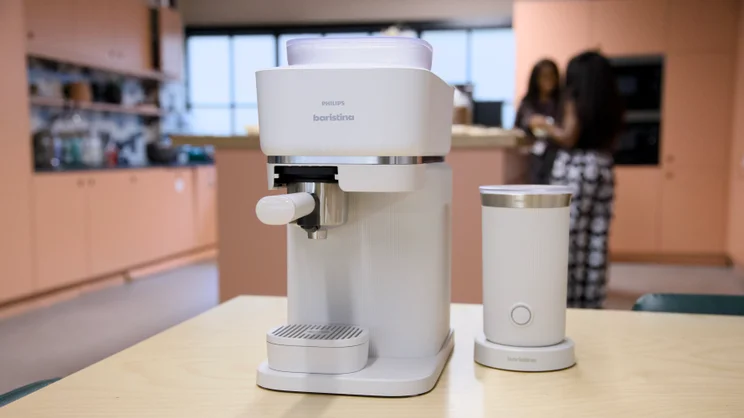
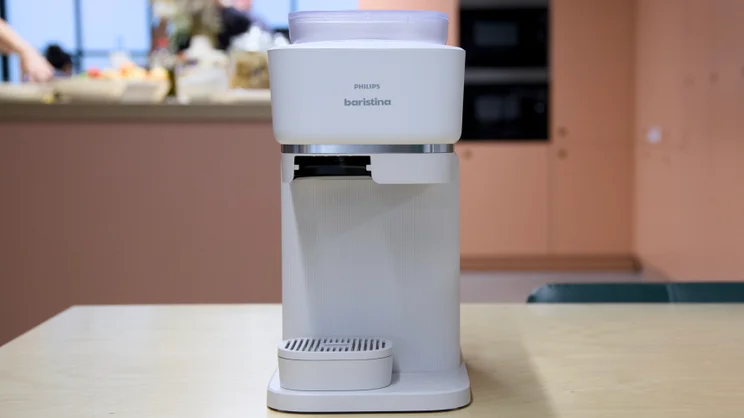
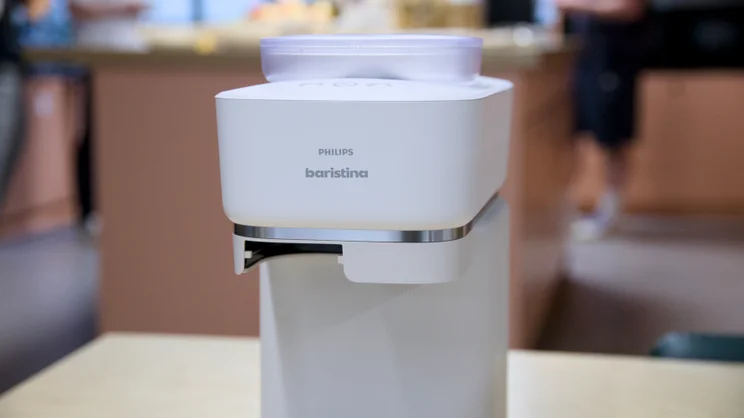
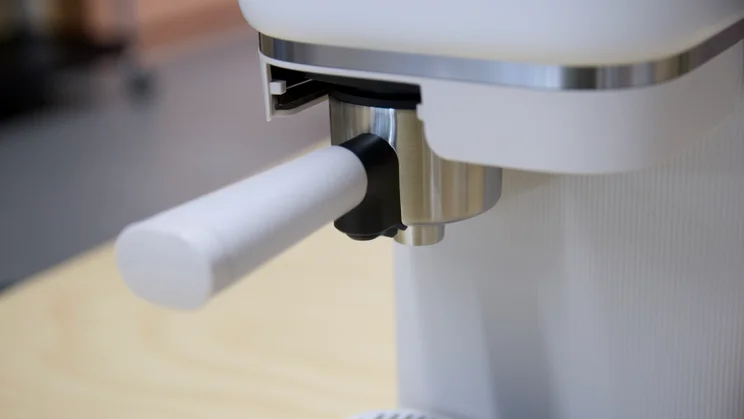
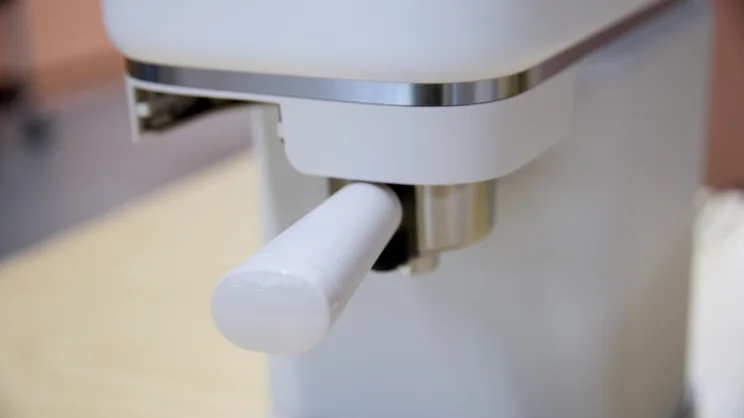
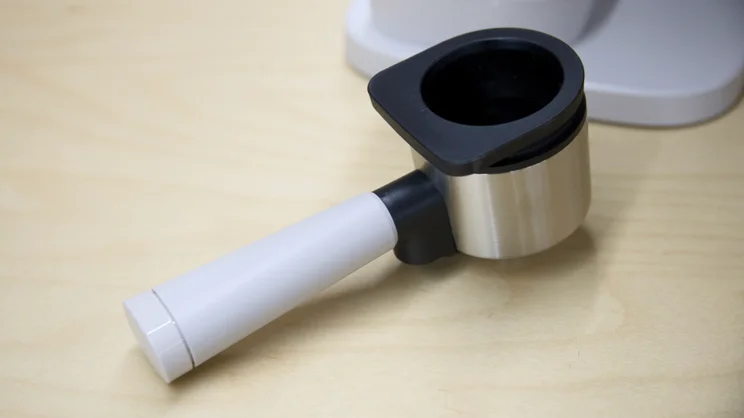
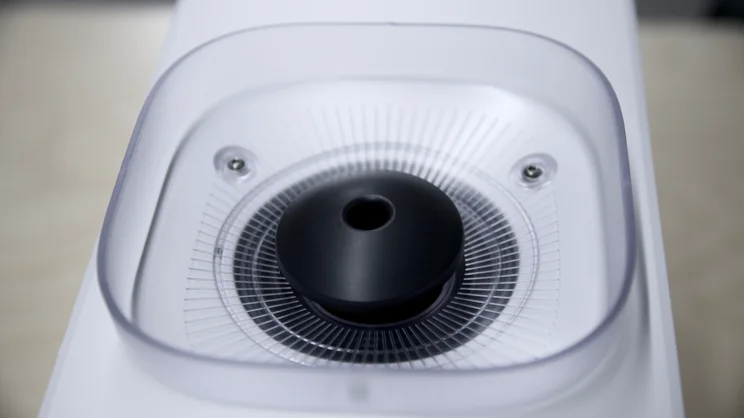
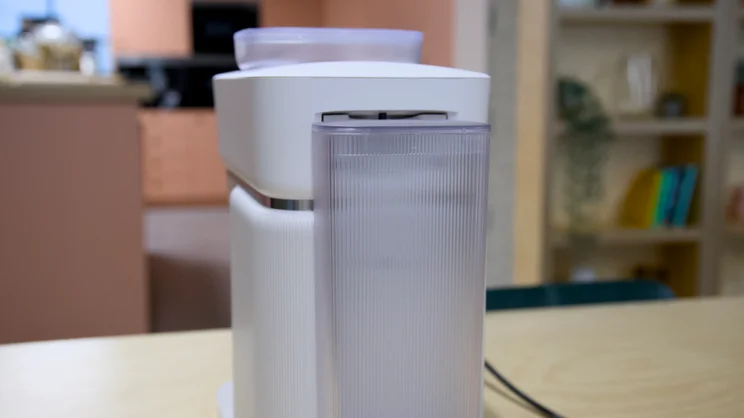
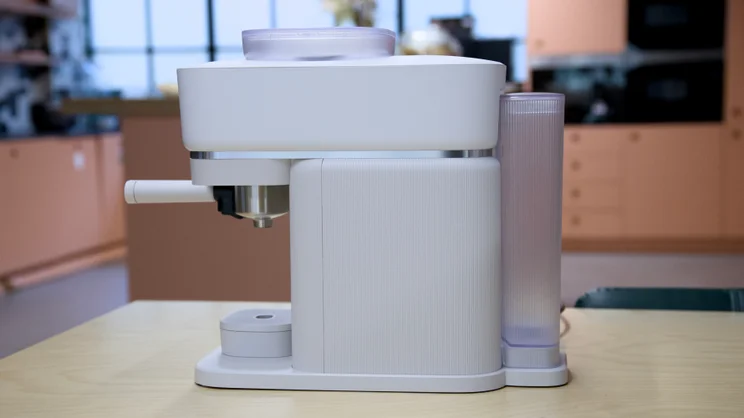
Despite the low price, the Baristina is reasonably well equipped and looks the part. It’s compact and sleek, though most of its body is made from plastic. It comes with an integrated ceramic burr grinder, a 1.2L water tank, a hopper for up to 170g of fresh whole beans and a very unusual custom portafilter.
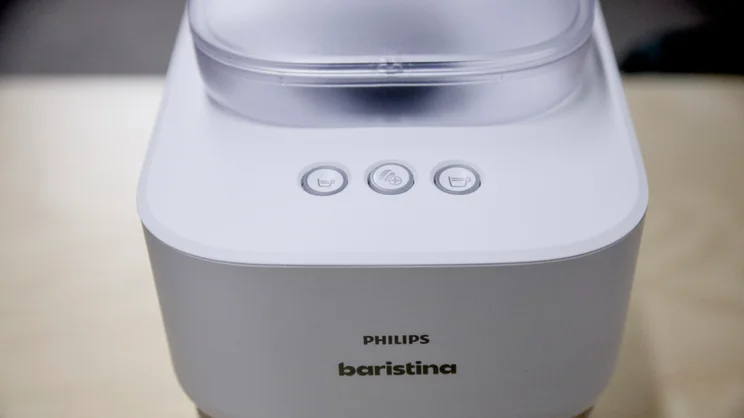
There’s no milk steaming included, unless you buy the bundle with the separate milk frother. You can choose to make espresso or lungo using the buttons on the top and there’s also a button to increase the strength. This grinds an additional 1.5g of coffee before brewing.
How easy is it to use?
This is the Baristina’s biggest and best selling point: it is ridiculously easy to use. Beans go in the top, portafilter slots in at the front, you select the drink you want at the top, then push the portafilter over to the right and the machine does the rest.
It even moves the portafilter back over the to the left for you automatically before brewing coffee. This doesn’t necessarily save you a whole lot of time, but it’s a fun little feature nonetheless.
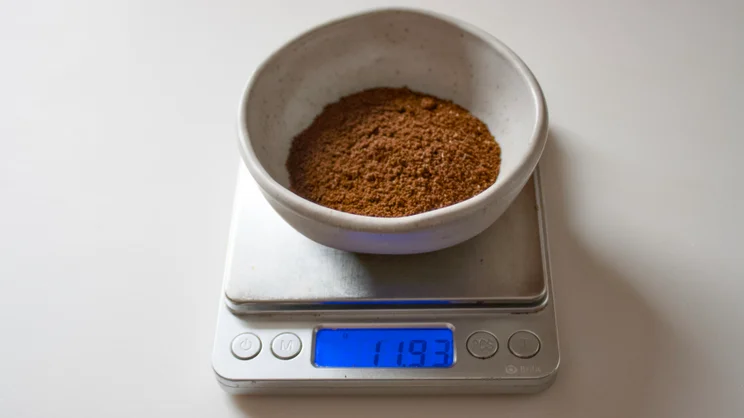
This machine dispenses a double espresso’s worth of coffee for you using a built-in system it calls “smart dosing”. Essentially, it weighs the ground coffee coming out so you always get around 12g in per shot and around 40g out.
The lack of features and adjustment options is ideal if you’re trying to move away from capsule coffee and want something easy, but if you want to produce a range of drinks there’s no real option for that here. You’ll even need a separate milk frothing option if you prefer milk based drinks. However, my recommendation would be to just opt for a machine that already has this integrated if you don’t already own a frother.
Can you make adjustments to the Philips Baristina?
While ease of use is the Baristina’s strong point, adjustment is where it falls apart. That’s because this machine has no way to change the grinder settings at all. According to Philips the machine has 15 settings but these aren’t accessible to the consumer. Instead, the machine automatically adjusts these based on the weight of the ground coffee.
This does mean in theory the machine should adjust to your beans getting older, but it still gives you no flexibility if you’re switching between bean types that might require a finer or coarser grind. Add to that the machine’s non-standard portafilter and it means you are essentially locked out of making any tweaks to your espresso.
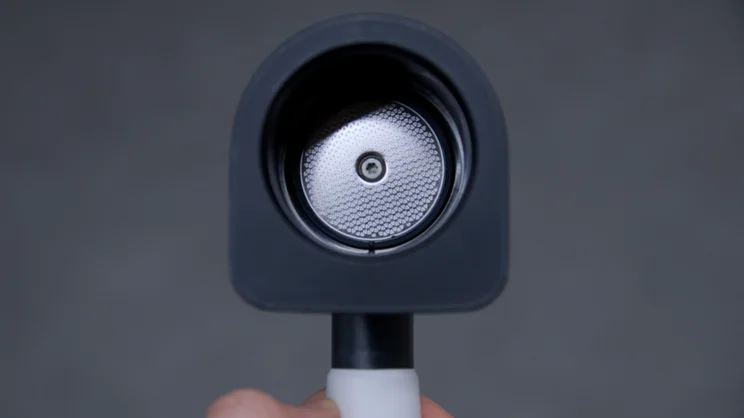
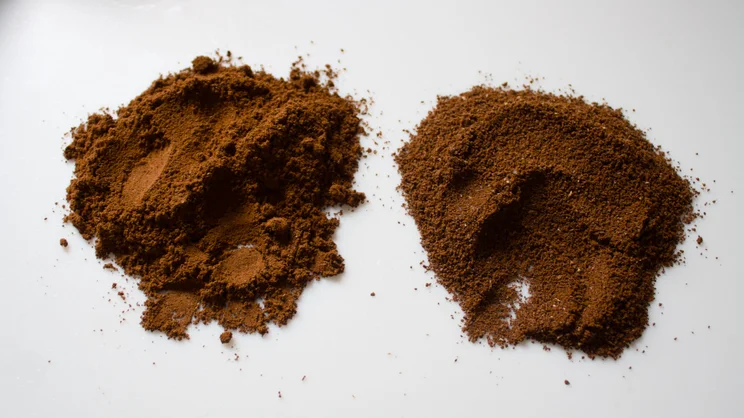
Now, all of this would be fine if the resulting coffee was ground fine enough for a good espresso. However, in my tests I found this not to be the case. The grind was on the coarser side, which is likely because the machine uses a pressurised filter basket with a single exit valve – both of which can easily clog with a super fine grind. This means you can’t achieve anywhere near an espresso grind despite the fact Philips itself says on its website: “ideal grind size, accurate dosing, that’s how real espresso is made.”
Grinds from the Philips Baristina (right) compared with grinds from a Sage all in one
Grinds produced by a Sage all-in-one (left) versus grinds produced by the Philips Baristina (right)
What is the espresso like?
Despite my initial concerns, the espresso actually wasn’t all that unpleasant. However, having made espresso with the same good quality beans for years (I use Curve Coffee’s house espresso for all my testing), I could immediately tell something wasn’t right.
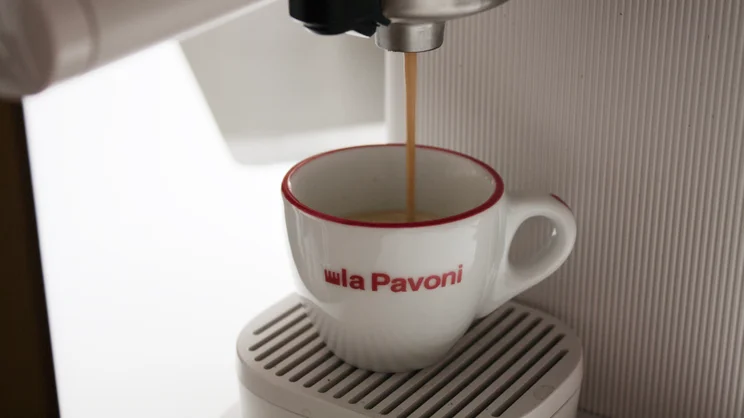
The pour was on the quicker side at around 17 seconds, and with no way to adjust the grind size, I was stuck with this. The automated nature of this machine means that getting a full ‘test cycle’ of measuring ground coffee in and espresso weight out was impossible.
However I could and did take these measurements separately and during multiple tests, the Baristina was averaging around 12g of coffee in and 40g of espresso out (plus and minus a couple of grams out occasionally) and it also poured at a fairly consistent rate of 16.5 to 17.5 seconds.
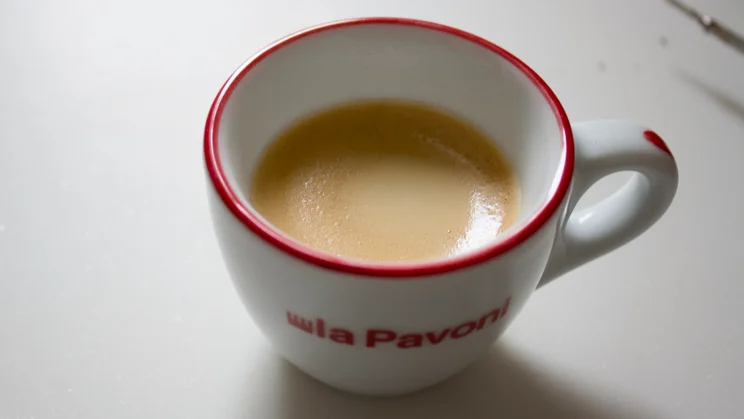
While there was little sourness from its speedy pour, there wasn’t really much in the way of complexity. It was essentially a very okay espresso, but with none of the pizzazz you can achieve from a manual machine coupled with a good grinder, or even from a half-decent semi-automatic. I’d even go as far to say it’s akin to something you might get from a good, basic pod machine such as the Philips L’OR Barista Sublime.
Can you steam milk with the Philips Baristina?
The Baristina doesn’t come with milk frothing as standard. Instead, you can buy the machine bundled with an automatic Baristina-branded milk frother for £380. The frother itself is perfectly fine but it only has one foam setting, so you can’t personalise it to make other drinks like flat whites, lattes, it’s very cappuccino in its froth.
If you are considering the Baristina, my advice would be to buy the machine on its own and then look for a different frother in the sales, something like the Nespresso Aeroccino or Lakeland milk frother, which give you more flexibility.
Should you buy the Philips Baristina?
Unless you’re willing to either put in a) the time to learn a manual machine or b) the money into a prosumer machine like a Sage, there are always going to be sacrifices and it’s well worth being aware of that.
However, given you can spend around £100 more and get a good entry-level manual setup (you could pair the Delonghi Dedica and Baratza Encore, for example), which will yield better results in time or spend around £400 on a fully loaded budget bean-to-cup, which has more features, the Baristina is a tough sell.
Indeed, I cannot in good conscience recommend this machine to someone who is looking to make genuinely good espresso at home, because it can’t do that. That isn’t to say it’s not suitable for anyone. If you like the look of it, understand you’re not going to get the absolute best flavour and just don’t want the faff, then it might very well fit your needs. I’ve just seen the other side and it’s tastier.