

To help us provide you with free impartial advice, we may earn a commission if you buy through links on our site. Learn more
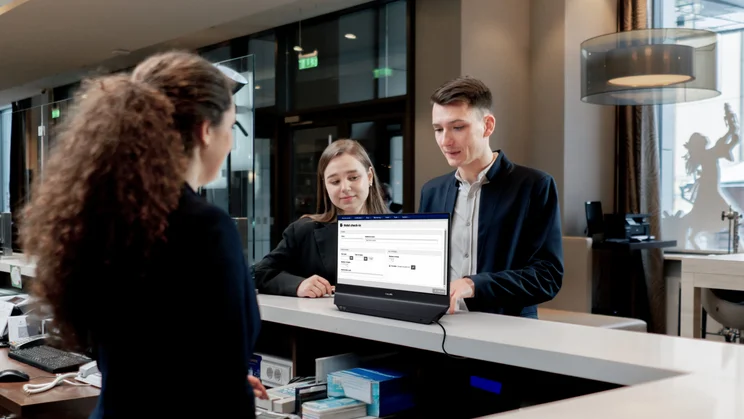
Shared desks have become especially popular in recent years for tasks such as couples working from home together, students sharing a flat, or a small office where two people are limited on space to work across from one another. These are tricky scenarios that a traditional monitor isn’t necessarily designed for.
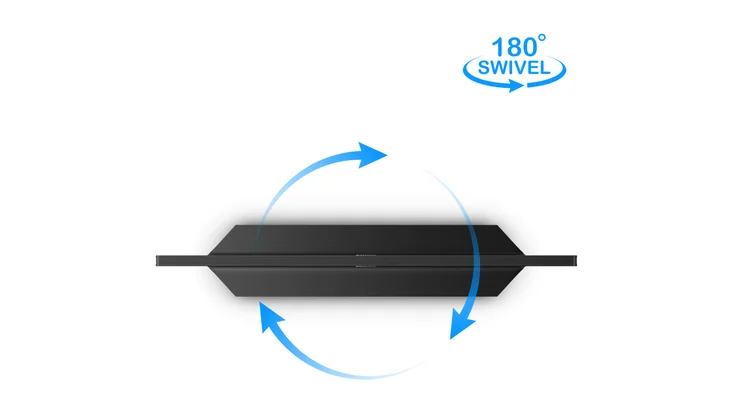
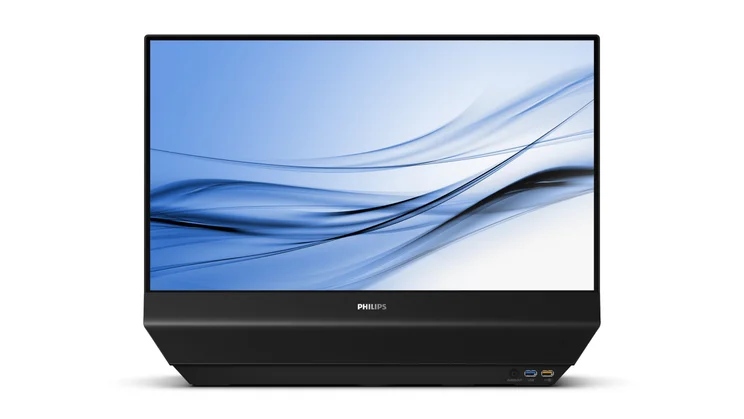
That’s where the Philips 24B2D5300 comes in – it’s the world’s first dual-sided display, which means it’s a single monitor with a full-sized 24in Full HD screen on both the front and back. It’s one stand and one power cable powering two screens, making it an ideal choice for space-saving scenarios where you don’t want to compromise on form or function.
Philips 24B2D5300: At a glance
Philips 24B2D5300
23.8in IPS (both sides) | 1920 x 1080 Full HD (both sides) | 120Hz (both sides) | 178°/178° viewing angles | 2x HDMI, 2x USB-C | USB-C 65 W Power Delivery | DualView: extend, clone or dual-source | EU Energy Class: D | 5-year warranty | Best for: Shared desks, face-to-face workspaces, space-constrained home offices and small customer-facing setups | £360
1. Two complete screens in one device
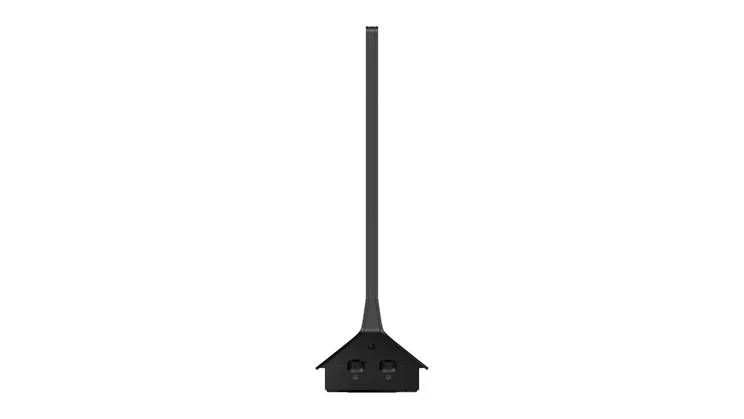
Having two dedicated monitors can be quite bulky for the kinds of workflow the 24B2D5300 is designed for, and even two portable ones don’t offer the same degree of flexibility, often also being in smaller sizes than the 23.8in Full HD IPS screen that this Philips screen offers on either side.
It means you get a compact, but still more traditionally-sized office screen, whether you’re on the front or back of the screen, meaning both people get a consistent experience. Likewise, one footprint serving both seats keeps things compact, and there’s only one stand and power lead needed, reducing needless clutter.
2. DualView adapts to how you work
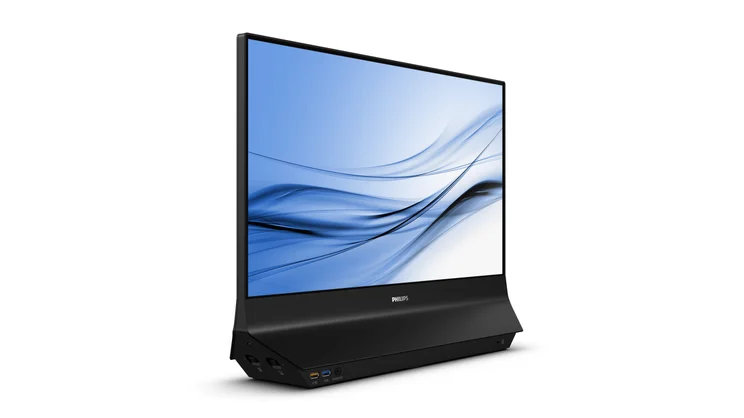
To get the most out of the 24B2D5300, Philips has put its innovative DualView feature into the screen, which allows the unique dual-sided design to support several distinct modes of operation. Hook up a single PC or laptop, and both screens can display the same source and mirror each other, which can be useful for presenting to someone opposite, or working through a task together.
Likewise, you can also use this as a more conventional dual-screen system and extend your desktop across both panels for more desktop workspace, or connect two separate devices and run each screen independently, with each person viewing their own source.
Having such flexibility makes the 24B2D5300 a potent pairing for small customer-facing setups, too, such as use in retail or on a reception – you can work on one side, while the customers see what they need to do on the other, all without the need for separate monitors, stands or brackets that can take up valuable space in a smaller environment.
3. Consistent performance on both sides
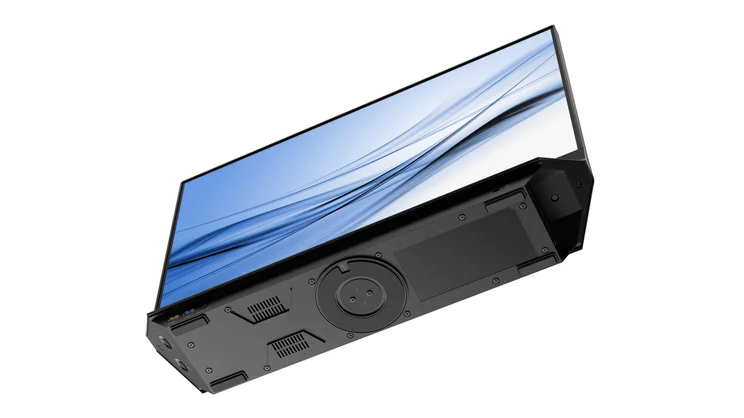
The 24B2D5300’s two panels are functionally identical, too, ensuring consistent performance on both sides. Both have a compact 23.8in size, plus a Full HD resolution that ensures enough detail on a smaller screen for the productivity tasks this screen is designed for.
The 120Hz refresh rate is also a nice touch for increasing the overall responsiveness for desktop navigation, and isn’t a given at the more affordable price point this screen targets. Lots of other office screens are still stuck at 60Hz, which is a noticeable step down in zippiness once you try a higher refresh rate screen.
The IPS panels here also offer excellent colour accuracy and consistent viewing from all angles, with Philips stating they hold consistent colour and contrast to 178° horizontally and vertically. For a monitor designed for use at uncommon angles for screen sharing or general use, and used from the front and back, that consistency is mighty important.
4. One cable connectivity keeps things easy
Philips has also been consistent with the port offering for the 24B2D5300, employing two USB-C and HDMI ports. The USB-C port is the star of the show here, carrying both video output and 65 W Power Delivery, meaning a compatible laptop gets both a display connection and charging through a single cable.
With two of those ports, it means people on both sides of the screen can extend or mirror their own laptop’s display for productivity work, such as word processing or presentations, technically providing up to four screens with minimal cabling (counting the two on the monitor and two from a laptop). The addition of HDMI just provides another convenient option.
5. One footprint for two different desks
The 24B2D5300 is designed for a different workflow than a traditional dual-screen setup and solves a different problem. It’s designed for two people working independently, facing each other, in a space that’s usually designed for one setup. It’s completely different to a traditional desk space, and a usual second monitor in any form of MacGyver-type manner doesn’t really solve the issue.
For space-constrained environments, such as student accommodation, hot-desking setups, shared home offices or customer-facing desks, the consolidation afforded by the 24B2D5300’s dual screens in a minimal space is immensely valuable. Likewise, at £360 with a five-year warranty included, it’s more affordable than other niche display products and comes backed with confidence from Philips that it’s the kind of product you’re likely to use rather than put into the office store cupboard never to be seen again.
The Philips 24B2D5300 is available now at £360 with a five-year manufacturer’s warranty. For full specifications and stockist information, visit philips.co.uk/c-p/24B2D5300_00/business-monitor-lcd-monitor.


