To help us provide you with free impartial advice, we may earn a commission if you buy through links on our site. Learn more
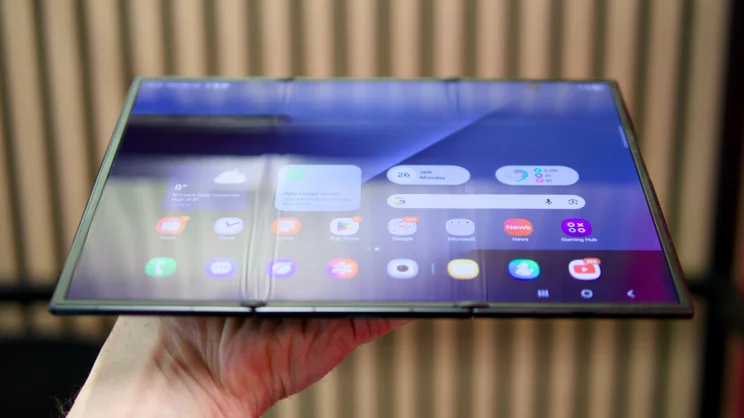
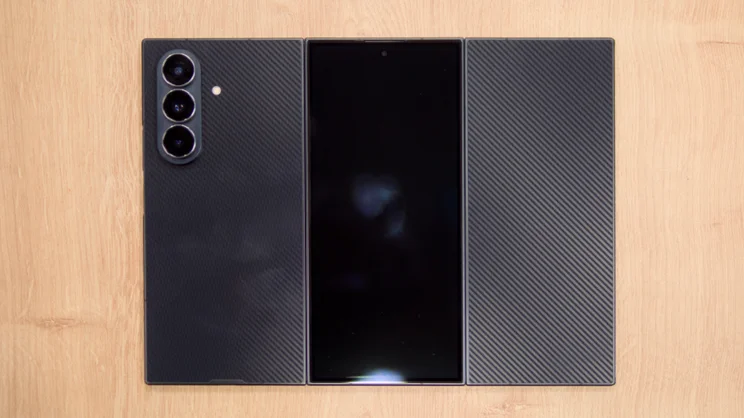
Folding phones have been around a few years now but, to me, they still feel futuristic. The ability to fold up what is essentially a small tablet and slot it into my pocket is, frankly, a wondrous invention. Which is why I’m absolutely all for the concept of the trifold phone, pioneered by Huawei with its crazy Mate XT Ultimate Design, and – I am happy to confirm having had my undeserving mitts on one for an hour or so – polished to perfection in the Samsung Galaxy Z Trifold.
The one big catch – and let me get this out of the way right now – is the prices manufacturers are asking for these things. The Mate XT Ultimate Design cost roughly 3,500 Euros (it was never officially available in the UK) and the Samsung folder is going to be similarly costly at $2,899 (US). If you’re willing to pay the import fees, that is, as it too is not slated for launch in the UK. Yet.
Key specifications, availability and price
- 6.5in external 120Hz Super AMOLED 2X, 1,080 x 2,520 display
- 10in folding internal 120Hz Super AMOLED 2X, 2,160 x 1,584 display
- Qualcomm Snapdragon 8 Elite for Galaxy processor
- 16GB RAM, 512Gb or 1TB of storage
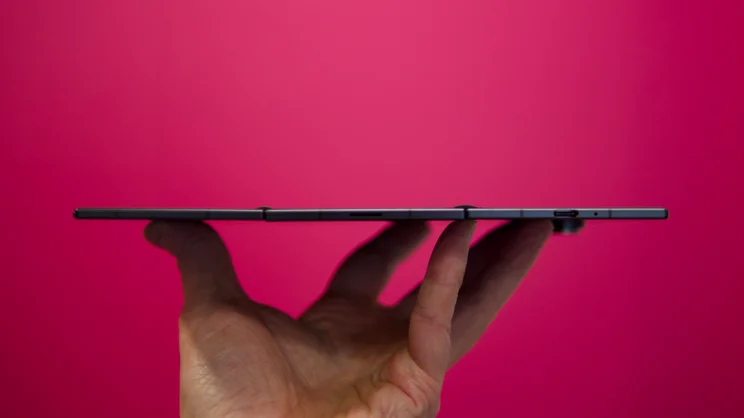
- As thin as 3.9mm thick, up to 4.2mm thick unfolded (214 x 3.9-4.2 x 159mm)
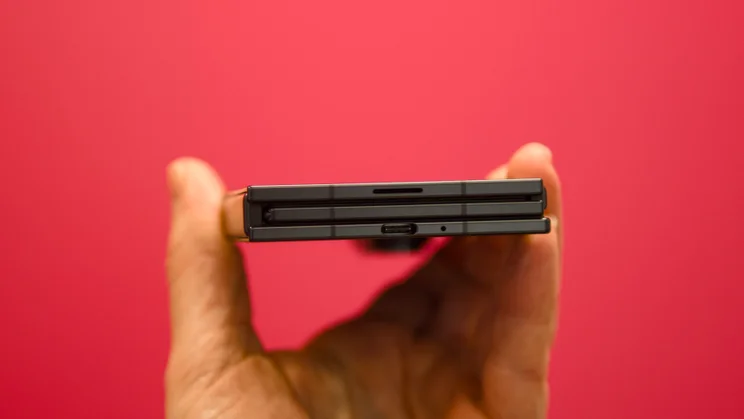
- 12.9mm thick folded (75 x 12 x 159mm)
- 309g
- IP48 dust and water resistance
- 5,600mAh battery capacity
- Android 16, One UI 8
- Availability: No confirmed UK release date
- Price: $2,899 US
Key features and first impressions
It’s a shame that Samsung isn’t bringing this to the UK because anyone who picks this thing up and plays with it for longer than a minute or two is going to come away seriously impressed. The hinges feel sturdy and smooth, it’s slim enough in folded form to be easily pocketable, and I don’t have the same reservations about damaging the folding screen that I did with the Mate XT trifolder because the way it folds is different.
Instead of folding in a Z, the Samsung Trifold folds up in a U shape, keeping the whole surface of the 10in folding screen on the inside, protecting it against scuffs and scratches when in folded mode. That necessitates an extra screen on the outside, so it can still be used without having to unfold it, but that doesn’t appear to have affected the phone’s overall size in a negative way.
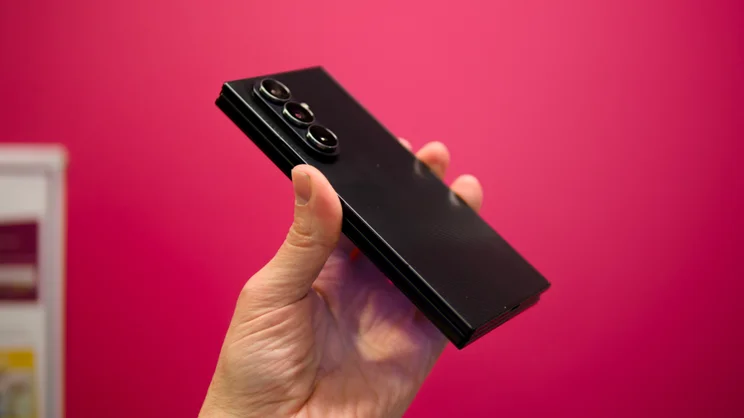
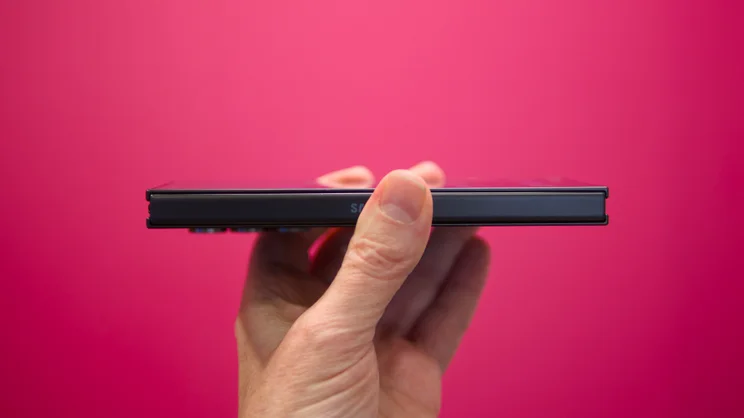
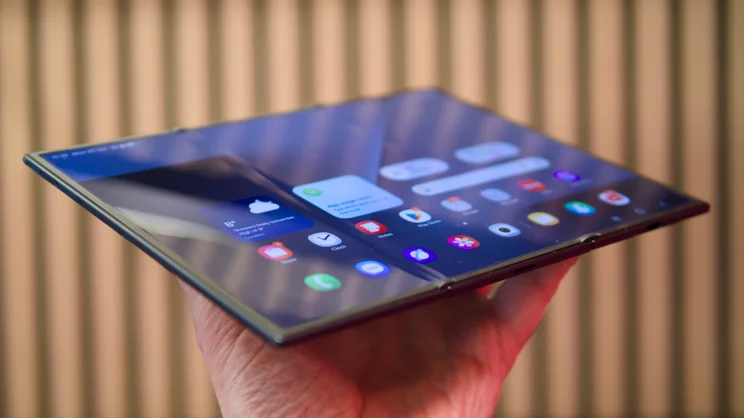
I was shocked at how thin the Galaxy Z Trifold was when unfolded. At its slimmest, it measures a mere 3.9mm and at its thickest it’s 4.2mm. Yes, there’s a rather chunky camera module to contend with that adds a fair bit extra, but when unfolded, this phone is not much thicker than the cardboard used to package your Amazon deliveries.
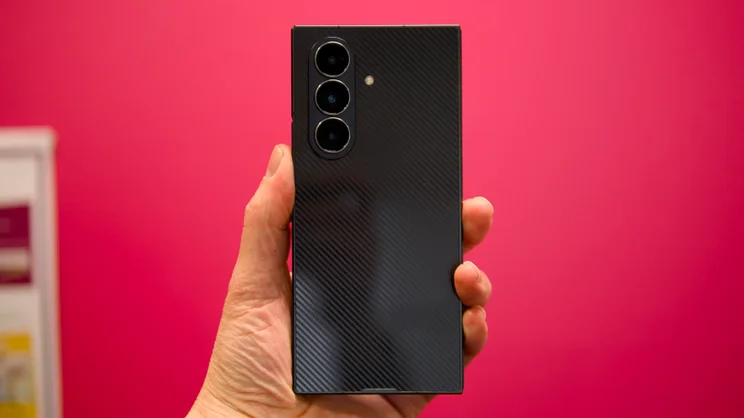
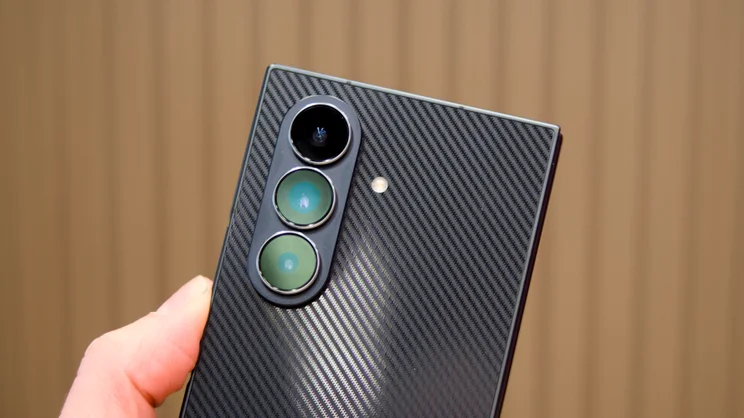
It is, quite frankly, an extraordinary feat of engineering and it’s topped off nicely with some great material choices. The fibreglass composite used on the rear of the phone feels and looks great and the Gorilla Glass Victus Ceramic 2 on the external display should keep scratches and scuffs to a minimum.
The phone’s titanium lattice skeleton keeps it all feeling remarkably rigid and stiff and I love the way Samsung uses magnets to keep the screen perfectly clamped shut when folded – with no gap between each panel – and perfectly flat when folded out.
And yet, despite the engineering challenges faced in squeezing all this into a package that weighs 309g and measures a mere 12.9mm thick when folded, there appear to be remarkably few compromises elsewhere.
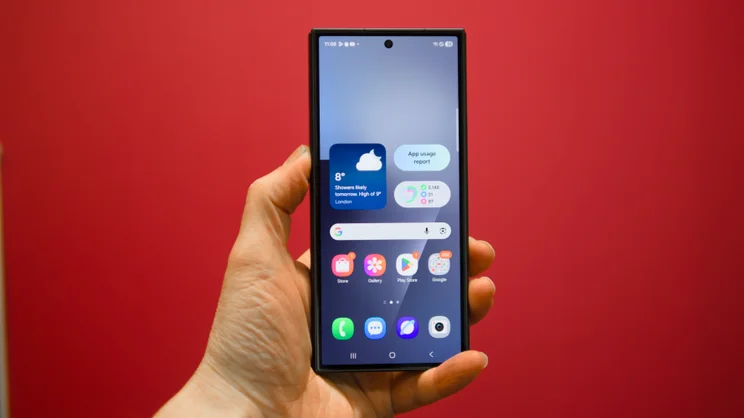
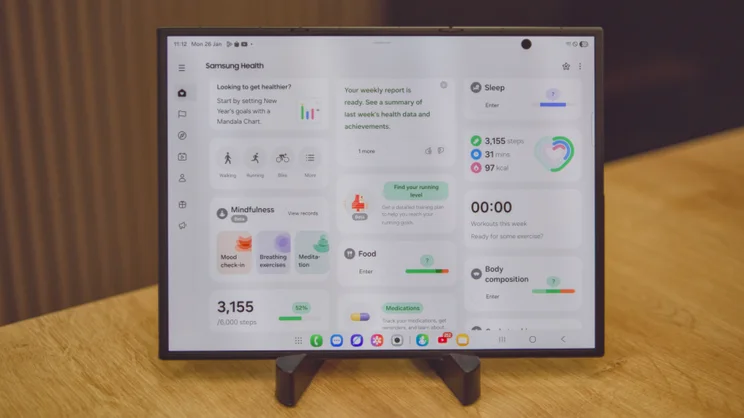
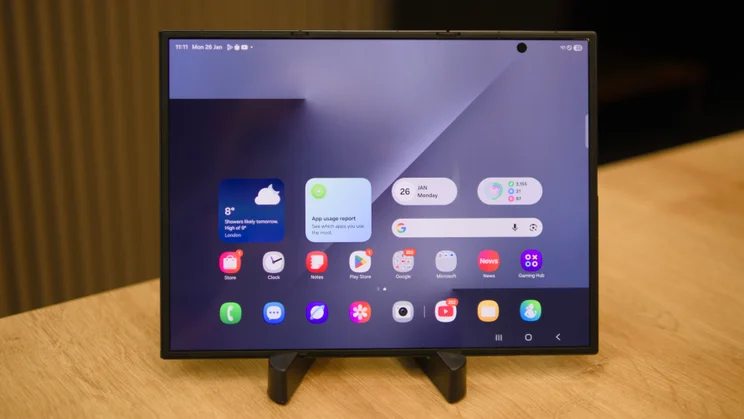
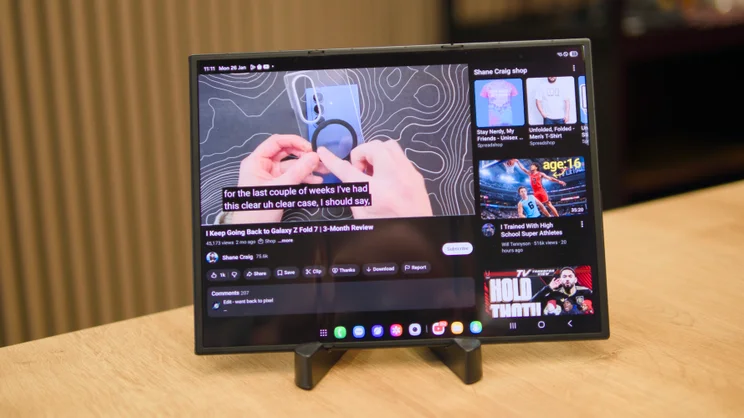
The screens themselves look great: you get a 6.5in Dynamic AMOLED 2X 120Hz Full HD+ screen external display with a maximum brightness of 2,600 nits, while the 10in internal display is another 120Hz display – QXGA+ this time – rated at 1,600 nits. You’ll need to be aware that the latter has two folds in it rather than the usual one, but neither is particularly distracting with the phone fully extended and the display switched on.
What I was most impressed with, however, was the size of the battery. Samsung has somehow managed to squeeze in 5,600mAh of capacity here; it has done so by splitting it into three packs and hiding one inside each of the three display segments.
That makes the overall battery capacity larger than any Samsung folding phone to date – not to mention higher than non-folding Samsung phones like the 5,000mAh Galaxy S25 Ultra – and should help to mitigate the power draw of the phone’s large 10in internal screen. I’ll update you on the details just as soon as I’m able to get my hands on one for a little longer and put it through our usual performance and battery tests.
As for charging, the Z Trifold supports 45W wired charging – the best in a Samsung foldable so far – 15W wireless charging and has 4.5W wireless powershare as well. I’m not entirely sure where it has found the room for all this stuff, and it has also managed to wring an IP48 dust and water resistant rating out of the Trifold for good measure.
The cameras haven’t taken a hit, either. Sure, you’re not quite getting Samsung Galaxy S25 Ultra quality, here, but the Trifold’s camera units are a match for the Samsung Galaxy Z Fold 7’s, with the same 200MP main camera, 3x optical telephoto unit and 12MP ultrawide on the rear, and pair of 10MP selfie cameras on the inside. The camera turret is a little bulky as you can see in the photos, but I’ll forgive Samsung this one indiscretion.
To cap it all, there’s plenty of power on tap, with the Snapdragon 8 Elite for Galaxy keeping this phone feeling snappy and responsive, backed by 16GB of RAM and either 512GB or 1TB of storage. I’d expect the thinness of the chassis to compromise performance in hot environments or under the stress of longer gaming sessions, though.
Incidentally, there’s also a host of software optimisations to help you make the most of that big screen, plus all the usual AI toys, but the best of them is that Samsung’s DeX is present and correct and that it can be run natively, without having to be connected to an external screen, making it as fully functional as a Galaxy Tab S 11 Ultra. In other words, you can hook up a Bluetooth keyboard and mouse to this thing and use it just like a mini laptop.
Samsung Galaxy Z Trifold: Early verdict
The big catch with all this, however, is that it is undeniably expensive – I can’t imagine many will be willing or able to splurge the thick end of three grand on any phone, regardless of how beautiful the engineering is – and that it won’t be available from any UK outlets, at least at first.
And be aware – that price may well rise higher if and when it does appear on UK shores. Not because we’re special, but because the global RAM shortage crisis will have probably got considerably worse by that point, and prices on everything will be rising.
But let me reiterate: the Samsung Galaxy Z Trifold is something rare and something special. It’s a wonderful piece of engineering – a product that reflects Samsung’s R&D and manufacturing expertise perfectly – and if I was a billionaire, I’d definitely buy one.