
To help us provide you with free impartial advice, we may earn a commission if you buy through links on our site. Learn more
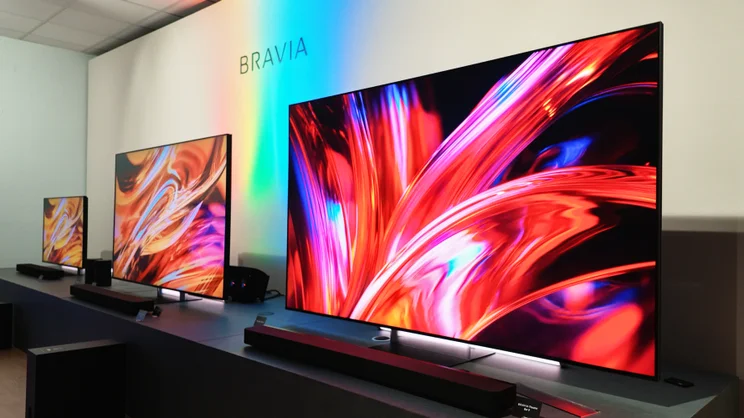
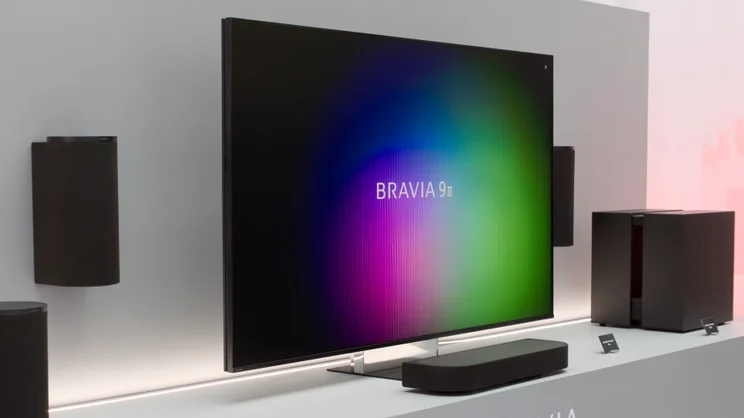
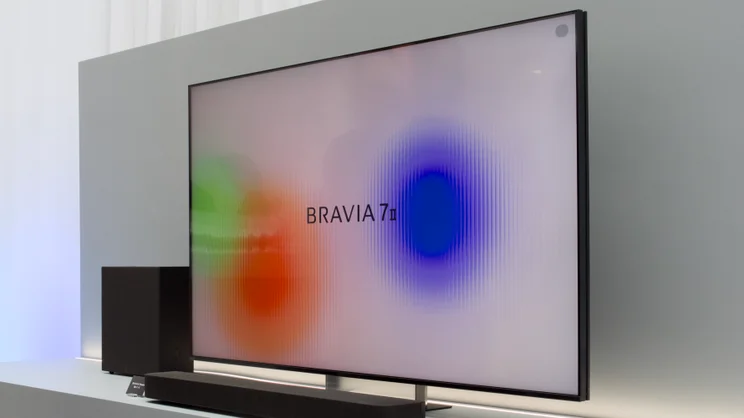
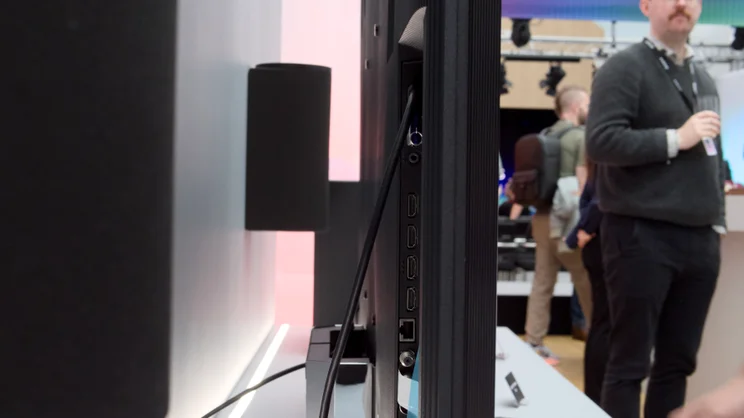
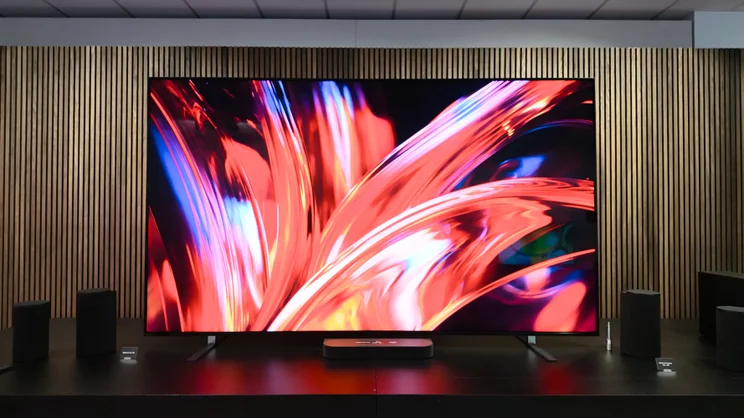
This year, in TV technology terms, has so far been the year of RGB Mini LED. Most of the major manufacturers have now embraced the technology fully, announcing multiple different models with the latest panel tech on board. And it’s now the turn of Sony, which has announced two new RGB Mini LED TVs: the Sony Bravia 7 II and the flagship Sony Bravia 9 II, alongside a new multi-speaker home theatre audio system: the Bravia Theatre Trio.
Just like other manufacturers, Sony is rebranding the technology, calling it True RGB (Samsung and LG call theirs Micro RGB, while TCL sticks with the standard RGB Mini LED), but it works just like all the others. Instead of a grid of white LEDs sitting behind an LCD panel, each LED consists of red, green and blue LEDs, allowing for a greater depth of colour reproduction than standard Mini LED, and peak brightness that’s just as high.
In fact, Sony is quoting peak brightness of up to 4,000 nits on the Bravia 9 II TVs (half that on the Bravia 7 II), while both models are capable of reproducing the “largest colour volume in Sony’s home TV history” – close to that of the company’s own £26,000 professional mastering monitors and double that of the Bravia 9, which is based on Mini LED QLED technology.
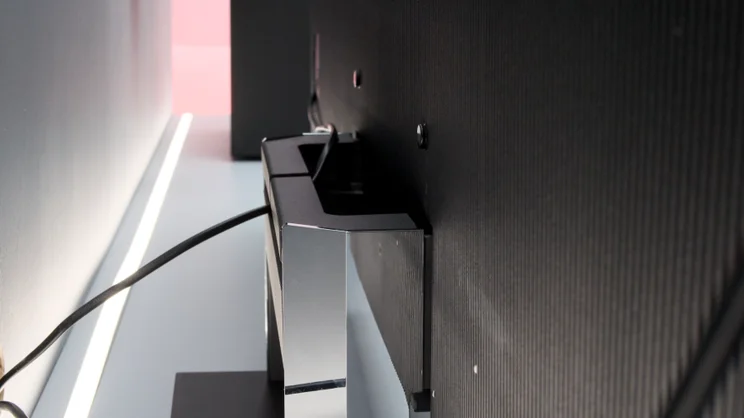
Both models also come with upgraded X-Wide Angle Pro tech, to ensure the TVs look just as good off-axis as they do front-on. There’s a cool new centre stand for most models up to 85in, too, which uses a neat optical trick to keep ugly cabling out of view and yet look transparent. And from an audio perspective, we have Bravia Direct Connect on both TVs, a technology that allows compatible Sony speakers to connect directly to the TV, providing extra immersion and breadth of sound.
Opt for the flagship model, and your eyes will be treated to Sony’s latest “Immersive Black Screen Pro” glare-reduction treatment, expanded colour volume thanks to RGB Triluminos Max and Luminance Booster Pro tech, and an expansive surround-sound system which includes up-firing tweeters for true Dolby Atmos.
Prices and sizes
Sony Bravia 9 II
Sony’s True RGB LED TVs are not going to be cheap. The flagship Bravia 9 II starts at £3,499 for the 65in model, rising to £4,299 for the 75in, £5,499 for the 85in and a hefty £22,999 for the 115in set. These prices are, however, competitive. Hisense’s 116in 116UX TV had a list price of £25,000 when it debuted in 2025, and the Samsung R95H that we reviewed earlier this year costs £3,399 and £4,299 for the 65in and 75in models respectively.
| Size | Price |
|---|---|
| 65in | £3,499 |
| 75in | £4,299 |
| 85in | £5,499 |
| 115in | £22,999 |
Sony Bravia 7 II
The Bravia 7 II is pitched at a lower level than the 9 II and is, as such, available in a wider range of sizes at slightly lower prices. If you’re on a tight budget, though, you’ll probably still want to give these a swerve as the 50in and 55in models still cost £1,899 and £1,999 – that’s considerably more expensive than rivals such as the 65in TCL RM7, which is currently £1,299 and the 55in Samsung R85H, which is around £1,599.
| Size | Price |
|---|---|
| 50in | £1,899 |
| 55in | £1,999 |
| 65in | £2,299 |
| 75in | £2,999 |
| 85in | £3,999 |
| 98in | £6,999 |
First impressions and demos
It’s always difficult to tell with any certainty exactly how good a TV is at any launch event – it’s tough enough when we get review TVs back to our own living rooms – and it’s a task that’s made more difficult by the TV manufacturers themselves, as the demos they use are chosen to show off their shiny new toys in the best possible light.
Sony was keen to show that the new TVs deal with banding in areas of smooth colour graduation much better than before. It wanted to show attending journalists how incredibly bright the new TVs are. And, yep, I can report that they are, in fact, eye-searingly intense. Sony set the Bravia 9 II side by side with its predecessor to show how much better it was, and the difference was pretty clear: the new model was brighter, had more detail in the colours, and less banding – but, then, you’d expect it to, wouldn’t you?
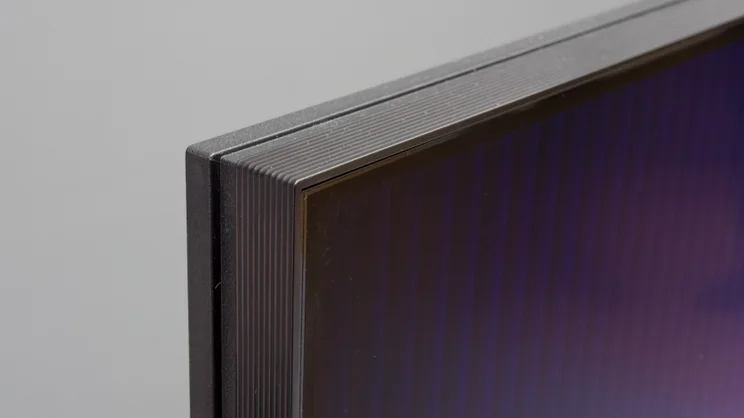
One thing that I was quite impressed with was how good the viewing angles are on Sony’s new TVs. The colours on most LCD-based TVs tend to shift a bit as you move off axis, some more than others, but here Sony’s X-Wide Angle Pro maintains the colours incredibly well, even from quite extreme seating positions. The new anti-glare coating on the Bravia 9 II seemed to work quite well, too, although it is not available on the 115in model, as Sony expects those willing to shell out over £25,000 for a giant TV will have a home cinema room to house it in.
And it was good to see a little behind the scenes. With the LCD panel removed from a 65in Bravia 9 II, I was able to get up close and personal with one of the new RGB backlight panels; an unremarkable thing, other than the fact that this allowed me to count the number of backlights: 6,120, unless I’m very much mistaken. Of course the smaller and larger models will have different backlight counts, but the pitch between them should remain the same – around 1.3cm according to a slide that Sony showed me.
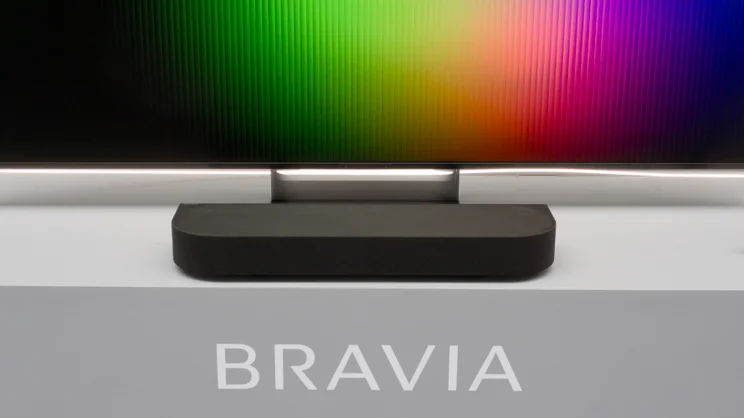
I also quite liked the demo I was shown of Bravia Connect, which allows you to hook up compatible Sony Bravia wireless speakers to your TV wirelessly, instead of having to connect them through a soundbar or tuner. I was shown a system with the TV providing the centre and front left and right channels, with separate speakers at the rear, and a subwoofer providing bass. The effect was reasonably convincing, but if you’re going to be spending this much on your TV, you might as well go the whole hog and buy a full system to go with it.
Sony Bravia 7 II and Bravia 9 II: Early verdicts
As I mentioned above, neither of the new TV models from Sony is particularly affordable. Indeed, compared with similar RGB Mini LED models from TCL and Samsung, the Bravia 7 II is considerably more expensive – but it was ever thus with Sony’s TVs. The company has never wanted to mix it at the bottom of the market, especially when it comes to exotic new technologies such as RGB Mini LED, or True RGB, as the company puts it.
But as far as final verdicts on the new models go, we’ll have to wait until these TVs make their way into the hands of our TV experts. They’re clearly very good, but whether they’re objectively any better than the latest OLED models is what we really want to know.


