
To help us provide you with free impartial advice, we may earn a commission if you buy through links on our site. Learn more
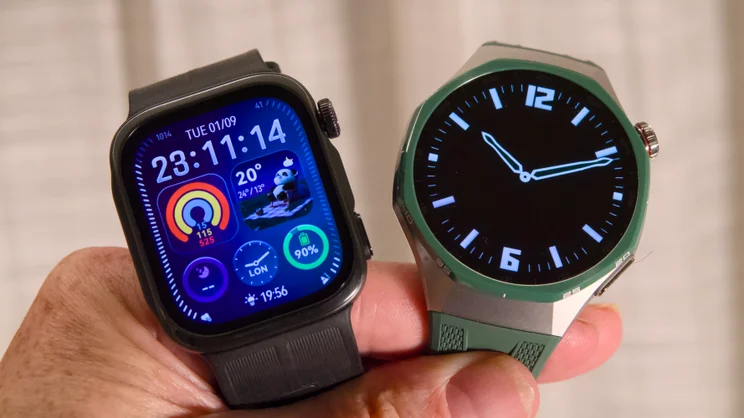
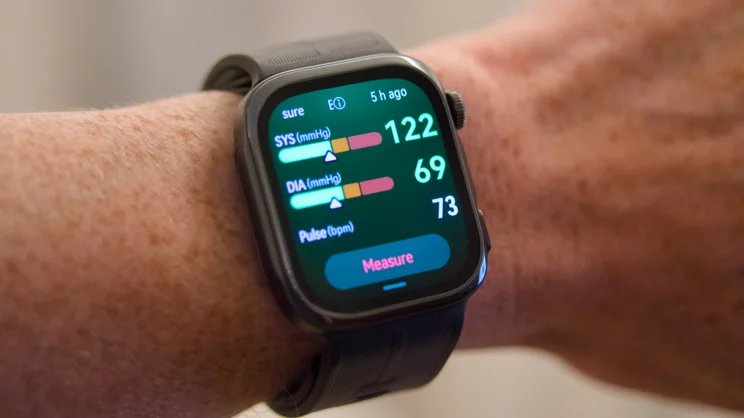
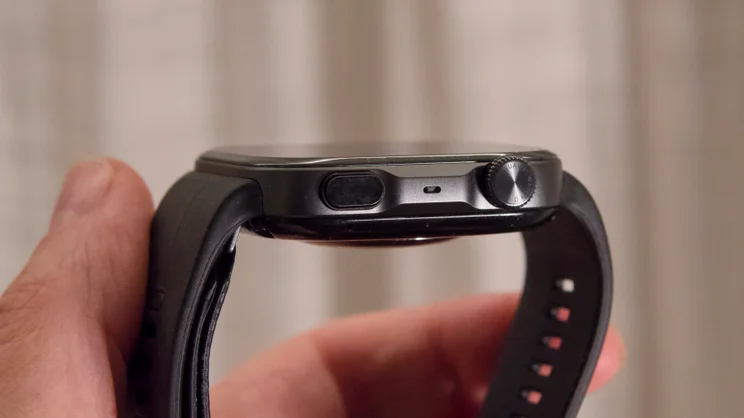
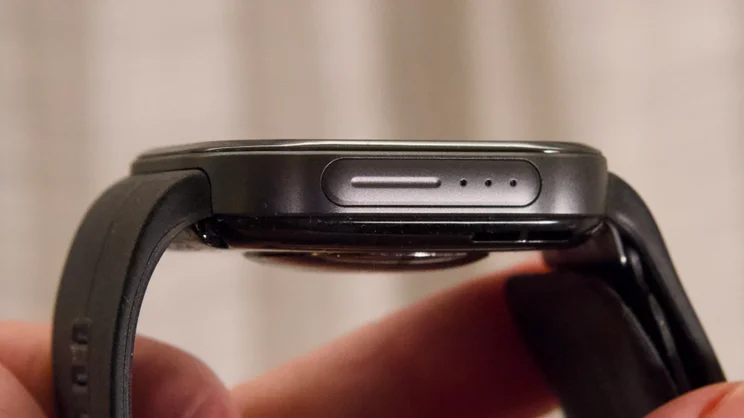
Hypertension, as doctors never seem to tire of telling us lately, is a killer. It affects a lot of people too: according to the NHS, more than 30% of all adults aged 16 or over suffer from it and, if untreated, it can lead to serious health problems like heart attacks and strokes. It’s the main reason Huawei is so excited about its latest wearable release, the Huawei Watch D3.
Launched alongside the latest Huawei Watch GT 7 Pro, the Watch 6 and the FreeBuds Neo, the D3 is the third generation of the Chinese tech giant’s blood pressure watch. However, unlike most other watches that purport to track hypertension or hypertension “trends”, the Watch D3 is medically certified and will provide a real, honest to goodness blood pressure reading.
Huawei Watch D3 headline specifications
- 1.92in AMOLED, 3,000 nit display
- Medically certified blood pressure readings, including pre- and post-exercise
- 11.3mm thin, 40g (case only)
- Up to six days battery life
- Price: £400
- Availability: 23rd September from the Huawei store, Amazon, Currys and Argos among others
Huawei Watch D3 features and what’s new
Using an inflatable bag inside the wristband, the D3 operates much like the inflatable cuffs (or sphygmomanometers, if you’re interested in the technical term) that doctors use when they take your blood pressure in hospital or the GP surgery.
It’s not a new technique. Huawei used similar tech in its D2 watch. But this time it’s more accurate, and you can use the watch to measure your blood pressure pre- and post-exercise, which Huawei says researchers have found is the best way to discover hypertension risk. The watch will also warn you before exercising if your blood pressure is too high.
The watch comes in black, gold or white colourways, and is thinner and lighter than before, at 11.3mm and 40g (a difference of 2mm and 8g respectively). It has a larger 1.92in display with slimmer bezels, and that screen is also brighter than its predecessor (up to 3000 nits).
The watch isn’t just for blood pressure readings, either. You can use it like a regular smartwatch for the usual health and fitness metrics, such as sleep, heart rate, blood oxygen levels and so forth. It has Huawei’s Health Glance mode, which takes a number of different measurements in one sitting to give you an overview of your health status.
There are more than 80 workout modes, the usual smartphone notifications and it can be set to notify an emergency contact if the person wearing it takes a nasty fall. Battery life isn’t as good as other Huawei wearables given how much power the blood pressure monitor takes, but it’s still rated at up to six days, which isn’t too bad.
If you’re interested, the Huawei Watch D3 will cost £400 and it will be available to buy in the UK from 23 September 2026.
Huawei Watch GT 7 Pro: Improved battery life and ski tracking modes
Alongside the Watch D3, Huawei is also releasing its latest flagship smartwatch, the GT 7 series, including the GT 7 and GT 7 Pro. Of the two, it’s the GT 7 Pro that takes centre stage.
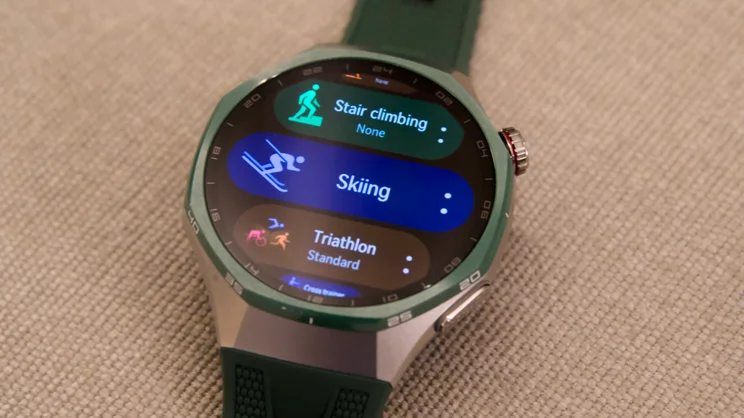
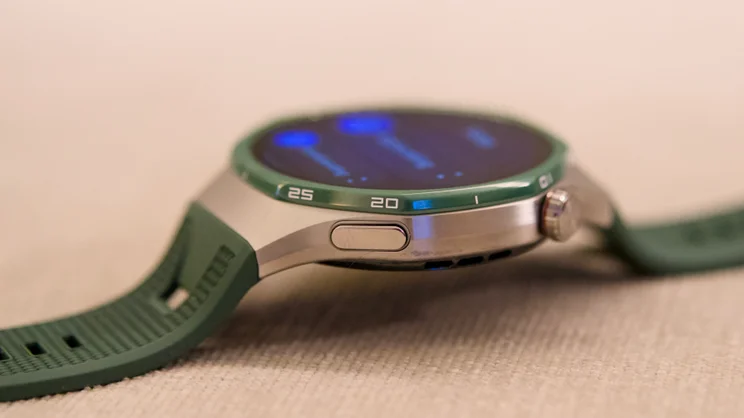
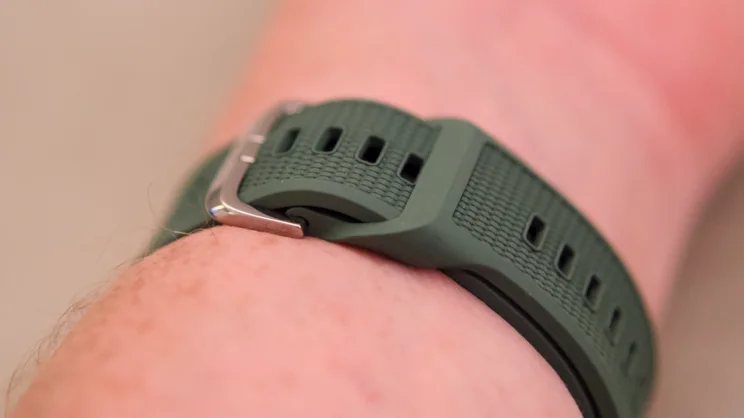
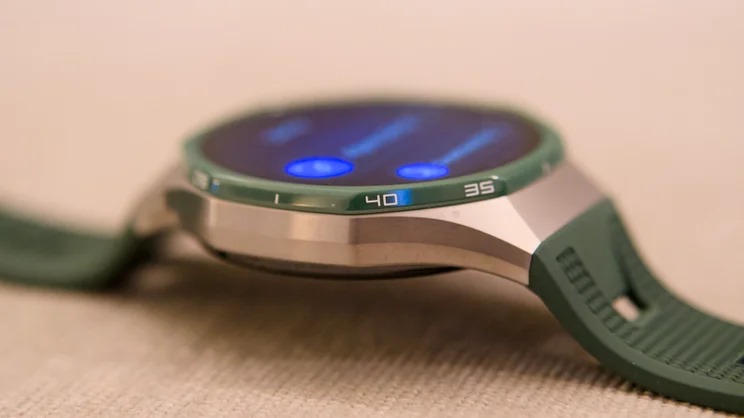
As usual, the watch has an updated design, although it’s still octagonal like last year. It comes in yellow or green colourways with a 46mm titanium case, colour matched ceramic bezel, and a sapphire glass lens topping a 3,000 nit 1.47in display. There’s a new “more comfortable” watch strap with a tuck-under buckle that Huawei says makes it easier to get a snug fit.
Huawei Watch GT 7 Pro headline specifications
- 1.47in AMOLED, 3,000 nit display with sapphire crystal lens
- IP69 / 5 ATM dust and water-resistance rating
- 21-day light use battery life; 51 hour continuous trail running GPS tracking
- Redesigned tuck-under watch strap
- New boosted ski tracking, cycling and golf mode
- Price: From £280 (GT 7) or £380 (GT 7 Pro)
- Availability: 2 September from the Huawei store, Amazon, Currys and Argos among others
Battery life is a touch better than last year. In regular light use, you’re getting the same 21 days as the GT 6 Pro (and 12 days of “typical” use). However, the watch now delivers 51 hours of continuous tracking in trail-running mode (versus the 40 hours the GT 6 Pro was capable of) thanks to its new-fangled “AI-XDR” tracking algorithm.
This uses the watch’s gyroscope and accelerometers to fill in the gaps when it can’t get a GPS signal – under bridges and dense tree cover, or in tunnels, allowing better accuracy in tricky conditions. The technology also allows the watch to poll the GPS satellites less frequently while still maintaining positional accuracy, and that’s what helps save on battery life.
There’s better cycling tracking with a mountain climbing mode that provides pace advice on your planned route so you don’t go all out too early, and warns you on your descents when there’s a sharp corner approaching.
The most exciting new feature with this model, however, has to be the newly boosted skiing mode. The watch comes with route planning in 3,000 ski resorts globally, including lifts, lift types and difficulty ratings. And the ski tracking can provide crazy detailed post run stats, including turn frequency, maximum g-force, turn radius and fall line analysis.
There’s also a boosted golf mode (only on the Pro model), and mini workouts that encourage you to stay active throughout the day. Plus, a new Garmin style Morning briefing provides a physical readiness score so you know how hard to push your daily workouts.
You’ll be able to pick up the Watch GT 7 Pro and the slightly less exotic GT 7 from 2 September at prices from £380 and £280 respectively.


