
To help us provide you with free impartial advice, we may earn a commission if you buy through links on our site. Learn more

- Attractive price
- Balanced and energetic sound
- Lightweight
- No ANC
- They don’t fold and have no case
- Build feels quite cheap
Pricey, flashy models may dominate wireless headphone headlines, but there’s healthy competition in every price bracket. That means even those on limited budgets have several viable options.
For the past three years, one of the most popular picks has been the on-ear Sony WH-CH520, a no-nonsense pair of headphones that excel at the basics. Their successors, the Sony WH-CH530, seek to improve sound quality while keeping a similar look and adding a couple of fresh features. They still lack active noise cancellation; that remains rare on on-ear models, especially budget options like the WH-CH530.
How much has Sony improved upon the WH-CH520? And has it done enough to beat its main rivals JBL and Anker? I’ve been testing them to find out.
How much do they cost?
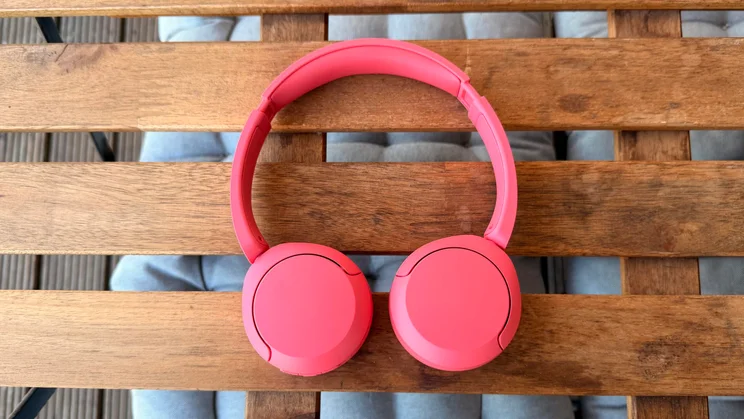
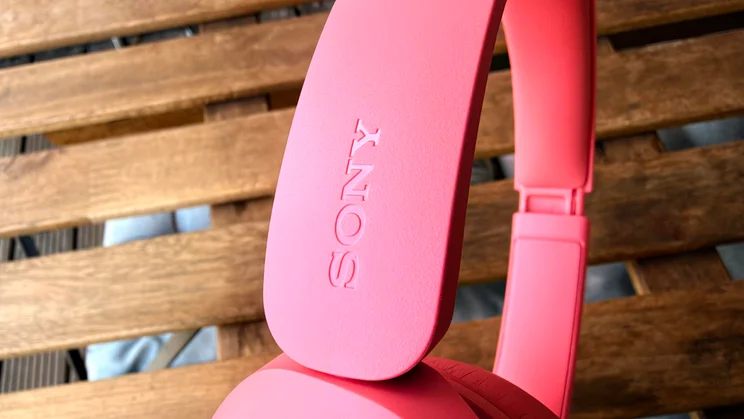
The Sony WH-CH530 cost just £50, making them some of the most affordable wireless headphones on the market. They come in six different colours: pink, coral, cobalt, mint, white, and black.
They’re hardly your only option at under £50, though. You could grab their predecessors while they’re still on sale for only £30. Or, if you prefer noise-cancelling over-ear headphones, the Anker Soundcore Q20i (£40) or FiiO EH13 (£50).
What features do they have?
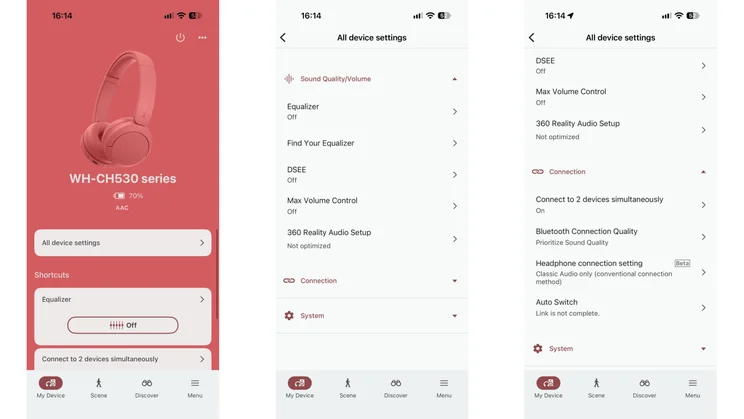
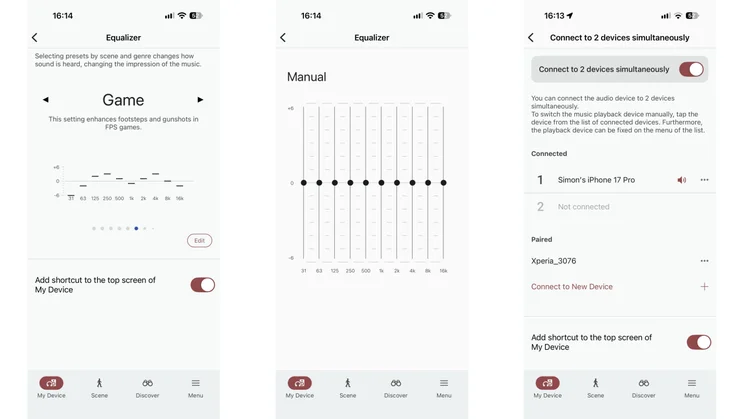
The WH-CH530 cover the basics, but don’t have quite as many features as pricier pairs. You access the extras in the Sony Sound Connect app, where you’ll find a 10-band equaliser to customise the sound, a volume limiter (great for protecting your hearing), a list of your Bluetooth connections, and multipoint control (the ability to connect to two devices simultaneously, which works seamlessly).
There’s also Sony’s Digital Sound Enhancement Engine (DSEE), a setting that restores detail to compressed streaming or MP3 sources. The difference is subtle, but it’s worth trying. I found it slightly improved my immersion in the headphones’ sound.
While there’s little else to tweak in the app, it’s worth highlighting the addition of a Gaming EQ mode that’s designed to enhance the sounds players need to hear in competitive games, like footsteps and gunfire.
The WH-CH530 also have better battery life than their predecessors; total playback has increased from a claimed 50 hours to 55 hours. That’s great battery life for such a lightweight design, and my testing confirmed they’ll last ages. The battery level in the app (reported in 10% increments) didn’t change at all after three hours of playback at 50% volume.
How I tested the Sony WH-CH530
I used the Sony WH-CH530 as one of my main headphones for three weeks across a variety of everyday scenarios. I tested them while travelling on the bus, working from home, at a busy local coffee shop, and walking outdoors in windy conditions.
To test their real-world performance, I wore them throughout working days to evaluate comfort and clamping force, monitored battery drain across long listening sessions, and tested multipoint connectivity by switching audio between devices. I also took voice recordings in simulated loud conditions to assess microphone clarity.
Why you can trust me
I have over a decade of experience writing about consumer electronics and have tested countless pairs of headphones over the years. I’ve written for titles including Esquire and Digital Spy, and was Technology Editor for Good Housekeeping UK.
How comfortable are they?
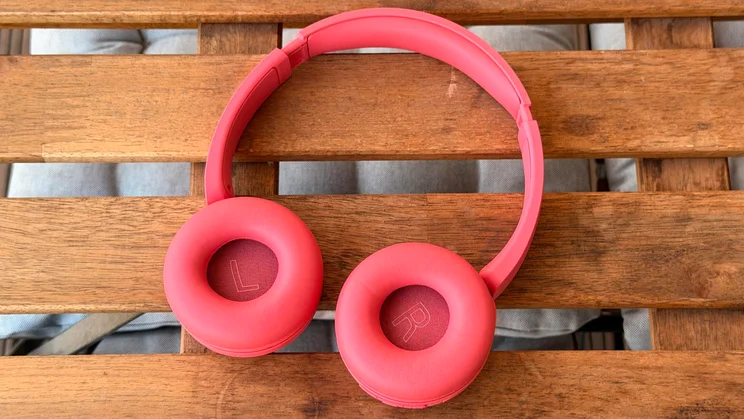
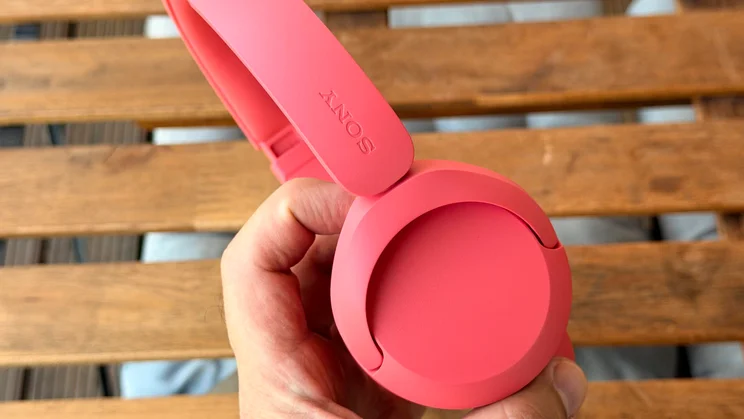
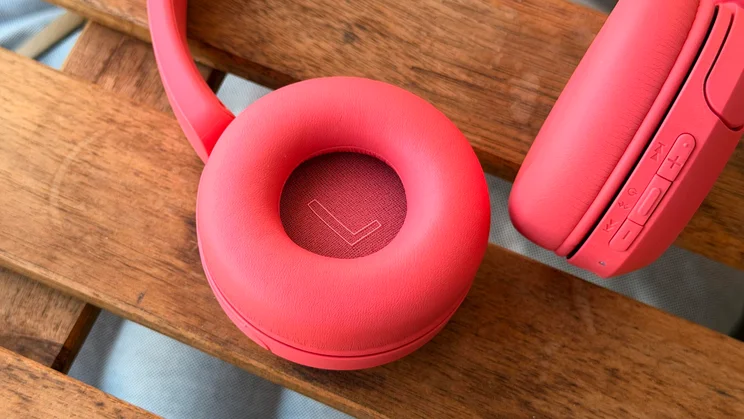
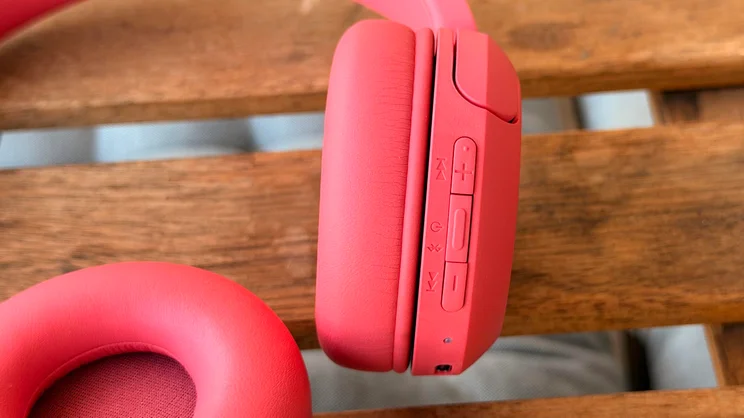
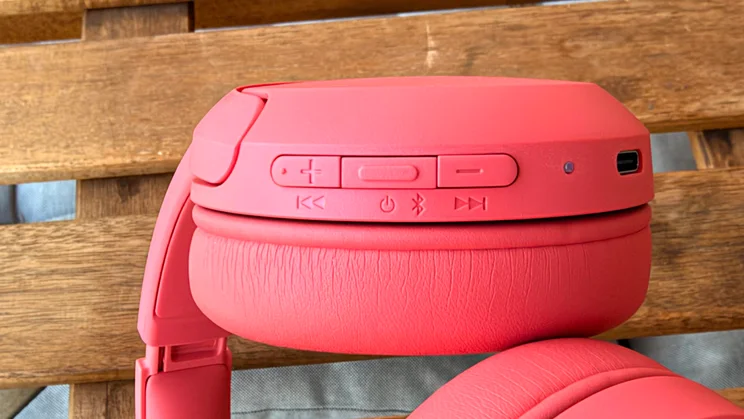
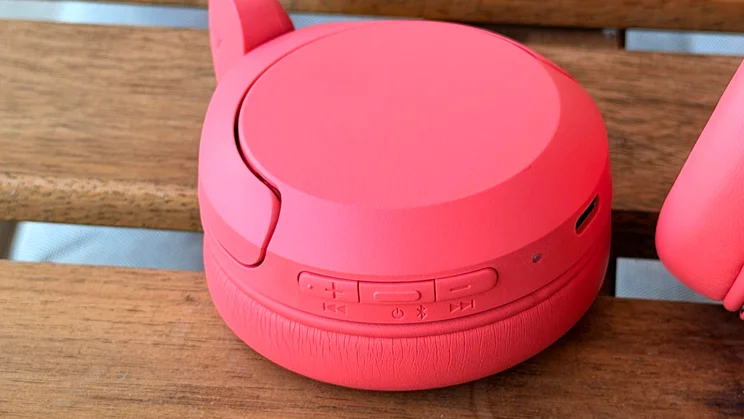
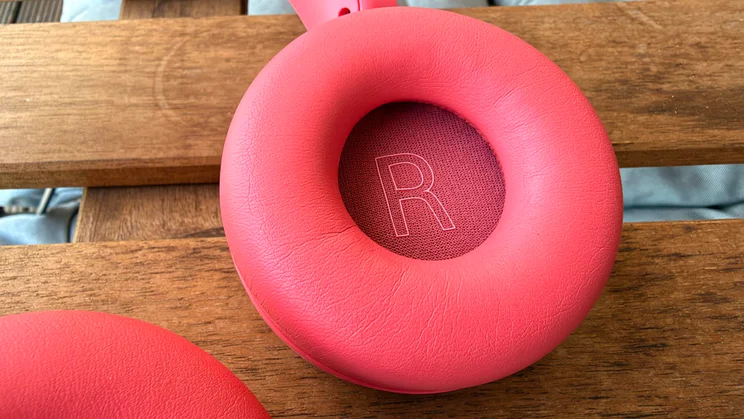
The build is functional, with easy-to-use control buttons, and a lightweight plastic construction that feels a little cheap but does the job. The cushions are soft, with a decent clamp force. They’re comfortable, though they do start to exert a bit of pressure after several hours of wear.
I found I heard much of what was happening around me because they lack noise cancellation (more on that below). It’s a shame, as some cheaper pairs do have it these days.
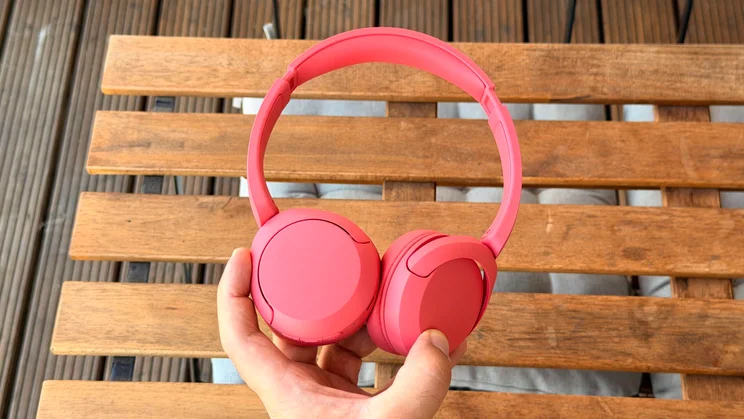
A bigger issue is that Sony hasn’t improved the portability of its budget on-ear offering. They’re undeniably comfortable, but they don’t fold or come with a protective case or pouch, making them difficult to fit in a bag. Many rival on-ear pairs have neater folding designs, with Marshall’s Monitor range a standout example.
What’s the sound quality like?
The Sony WH-CH530 sound excellent for headphones that cost £50. I listen to a variety of music, and I played a lot of pop, rock, ambient and hip-hop tracks while testing out these headphones. I started with the WH-CH530’s default sound settings, but soon turned on DSEE (which upscales recordings for better sound) and found it offered a notable upgrade.
If you like beefy amounts of bass, you’ll appreciate the WH-CH530’s tuning. They’re energetic with pronounced low frequencies, but maintain a clean and detailed midrange on tracks like Kendrick Lamar’s Money Trees and Charli xcx’s party 4 u. Whether you leave on the default settings or turn on DSEE, the sound is clear and warm with minimal discernible distortion, even if you turn the volume up beyond a comfortable level.
Detail levels could be better, and the soundstage is a little narrow compared with pricier models, but the trebles are pleasant, the bass is deep, and it doesn’t interfere with the mids; it’s a tuning that works for a wide range of genres. Sadly, but unsurprisingly, Sony hasn’t included support for its advanced LDAC codec in this budget offering.
How good are they for voice notes and calls?
I also tested the built-in microphones’ noise suppression by recording voice clips while loud traffic and coffee shop sounds played in the background.
Sony’s AI noise reduction worked as promised in both scenarios, filtering out the noise and isolating my voice. The WH-CH530 are a reliable pair of headphones for calls.
How well do they block out noise?
As I’ve mentioned a couple of times now, the WH-CH530 don’t have active noise cancellation. That doesn’t necessarily mean you have to crank up the volume to the max, though.
The soft yet well-made ear cup cushions do a surprisingly good job of limiting how much background noise reaches your ears. This is partly because the earcups tilt and swivel, reducing the gaps that let ambient sound in.
While I wouldn’t recommend them for trains or planes, I’ve used the WH-CH530 in busy coffee shops, while walking and on the bus, and their passive sound isolation is decent. I didn’t need to raise the volume to damaging levels in many environments, but people chatting nearby, public transport announcements and the clatter in the coffee shop were audible.
Should you buy the Sony WH-CH530?
The Sony WH-CH530 are a great option for anyone buying headphones on a budget, especially if you want warm, detailed sound coupled with some clever features. The lightweight build feels cheap but is comfortable, and I’m a fan of the range of fun colours.
The sub-£50 tier is getting pretty competitive, though. If an on-ear fit isn’t a must-have, you can find over-ear noise-cancellers like the Anker Soundcore Q20i or FiiO EH13 at this price. One might also argue that the WH-CH530 aren’t much of a step up from the WH-CH520, which are now much cheaper.
However, their main limitations are that they don’t fold and don’t have noise cancellation. If those issues aren’t dealbreakers for you, the WH-CH530 are worth it. They’re comfortable, lightweight, sound great, and eminently affordable.


