
To help us provide you with free impartial advice, we may earn a commission if you buy through links on our site. Learn more
wo side-by-side screenshots of the Sony Sound Connect mobile app displaying the custom game equaliser preset profile and device Quick Access settings for the Sony WH-CH730N
- Warm, clear and detailed sound
- Great battery life
- Lightweight and comfortable
- No wear detection
- ANC is reliable rather than great
- No LDAC
Sony’s entry-level ANC headphones aren’t designed to be exciting or luxurious. However, the Sony WH-CH730N are a fantastic over-ear choice if you’ve only got £100 to spend. Sony’s best wireless headphones cost around four times as much and, for many, the differences may not matter.
So, what do you get from budget headphones in 2026? Solid noise-cancelling, a refreshed, stylish look, a lightweight, portable folding design, and a huge 50-hour runtime. Sony’s Sound Connect companion app unlocks a few extra features, and the sound quality is relatively refined for the money. All this, and they’re the same price as the WH-CH720N, which we gave a Recommended award three years ago.
To see whether they’re worth buying, I’ve used these as some of my main headphones for just over three weeks, comparing them to other affordable noise-cancelling headphones.
How much do they cost?
At launch, the Sony WH-CH730N come in five colours (white, black, pink, blue and beige) and cost £100, the same as the model they succeed. That’s cheaper than the Anker Soundcore Space 2 (£130) and the Nothing Headphone (a) (£149), the two best affordable options we’ve reviewed this year. The Anker Soundcore Life Q30 are our go-to recommendation for a super-cheap pair at £50.
If you want to step up in Sony’s over-ear range, the WH-1000XM4C cost more than twice as much at £219, while its flagship model, the WH-1000XM6 and its ultra-high-end model, The Collexion, cost £379 and £550, respectively.
What features do they have?
These are well-equipped headphones, but they don’t have as many features as premium pairs. They do have long battery life, though. Sony says it’s 75 hours with ANC off and an impressive 50 hours with it on. I put this to the test with my usual three-hour battery drain and saw a 7% drop. That confirms it’ll take you over 40 hours to run these dry (closer to the full 50 hours if you don’t use some of the features that I enabled, especially DSEE).
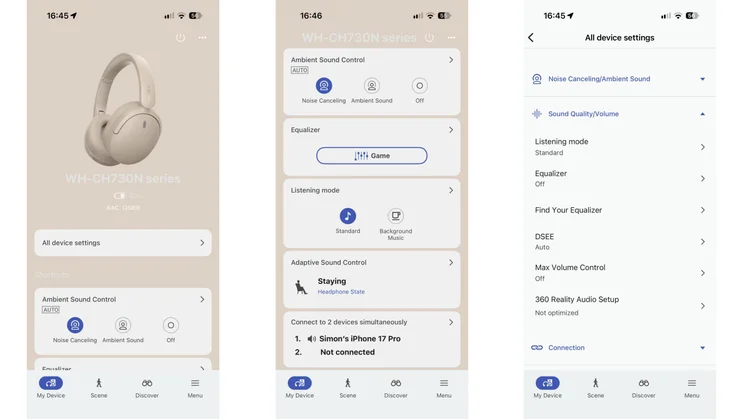
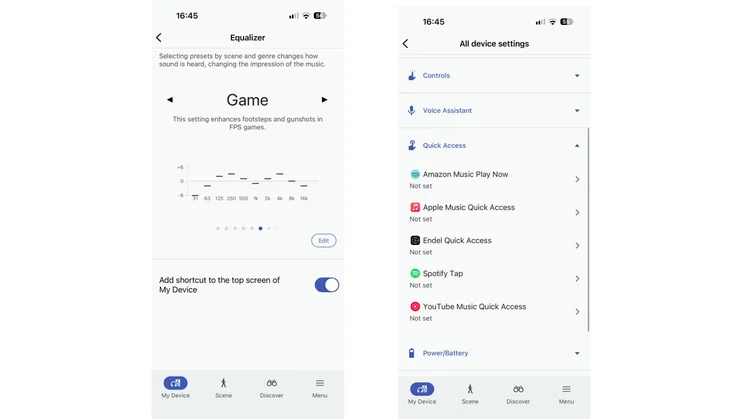
They have reliable Bluetooth multipoint, noise cancellation and awareness modes, and Sony’s DSEE (Digital Sound Enhancement Engine) to upscale compressed audio sources. DSEE is effective; I found it revealed more detail in tracks and improved the spatial imaging and sense of “fullness” in music. They still sound great without it, but it’s nice to have. There’s also a 10-band equaliser to tweak the sound.
wo side-by-side screenshots of the Sony Sound Connect mobile app displaying the custom game equaliser preset profile and device Quick Access settings for the Sony WH-CH730N
In the app, you’ll also find a handy battery-protection option, the ability to assign a specific streaming service to the “Quick Access” control command, and settings for Sony’s Adaptive Sound Control, which handles the WH-CH730N’s noise-cancelling and transparency modes.
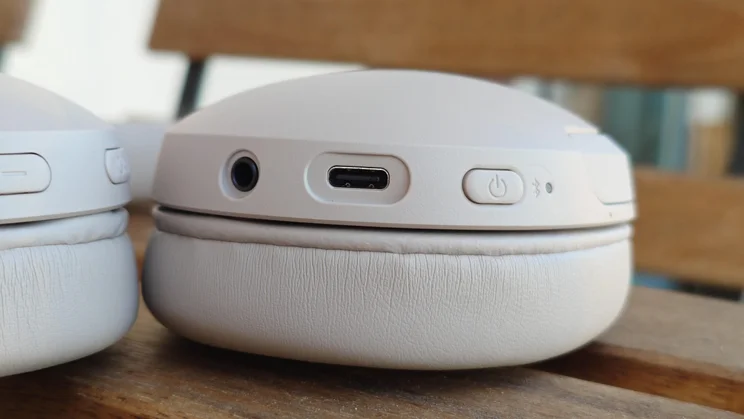
Of course, some premium features are missing. It is a shame Sony hasn’t included support for its high-res LDAC codec, and the headphones, which can now be folded, don’t come with a carrying case or pouch.
wo side-by-side screenshots of the Sony Sound Connect mobile app displaying the custom game equaliser preset profile and device Quick Access settings for the Sony WH-CH730N
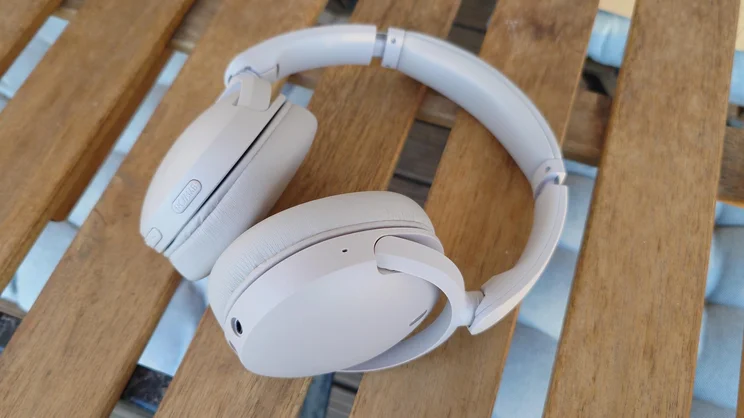
Wired listening over 3.5mm is supported, but like all Sony headphones, the WH-CH730N omit USB-C audio support. Wear detection isn’t supported, either, meaning the headphones don’t automatically pause when you take them off.
How I tested the Sony WH-CH730N
I used the Sony WH-CH730N as my go-to over-ear headphones for over three weeks across a variety of everyday situations. I put their ANC to the test on noisy journeys on the London Underground, working from home, at my local coffee shop, and when walking outside in windy conditions.
To evaluate their real-world performance, I wore them through full working days to test overall comfort, monitored battery drain with ANC enabled, and tested multipoint connectivity by seamlessly switching audio between two devices (my iPhone 17 Pro and the Sony Xperia 1 VIII).
I also used all the features in Sony’s Audio Connect app and recorded voice notes with varying levels of background noise to assess the built-in microphones’ performance.
Why you can trust me
I have over a decade of experience writing about consumer electronics and have tested countless pairs of headphones over the years. I’ve written for titles such as Esquire and Digital Spy, and been Technology Editor at Good Housekeeping UK.
How easy are they to control?
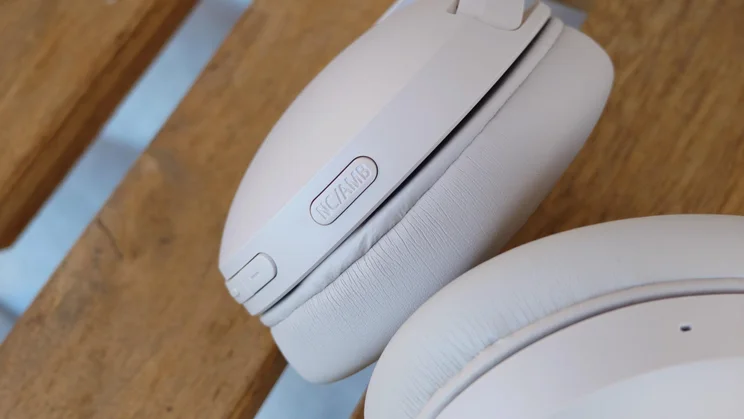
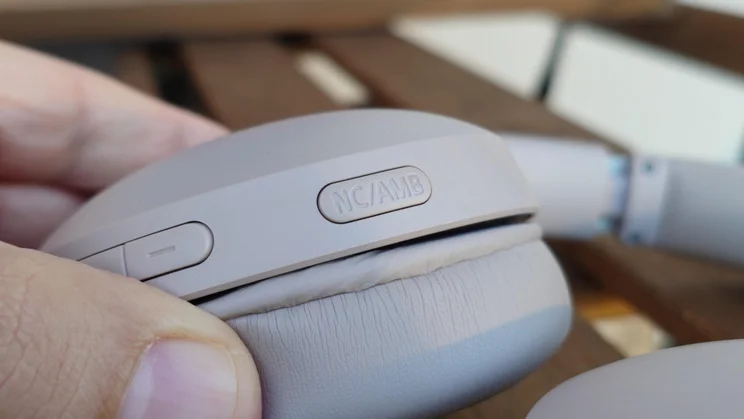
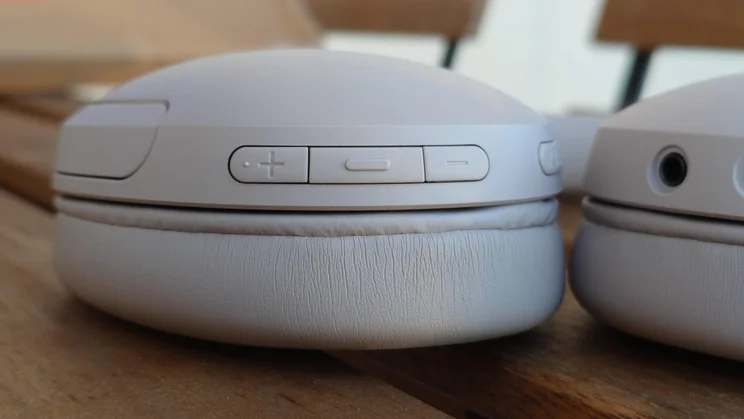
Control is via simple buttons, so there’s no fiddly touch control scheme to learn, and it’s easy to execute commands when wearing gloves, which will become increasingly important in the coming months.
wo side-by-side screenshots of the Sony Sound Connect mobile app displaying the custom game equaliser preset profile and device Quick Access settings for the Sony WH-CH730N
I found some buttons a little tricky to identify by feel alone, but learned their locations over time and haven’t had any issues since.
How comfortable are they?
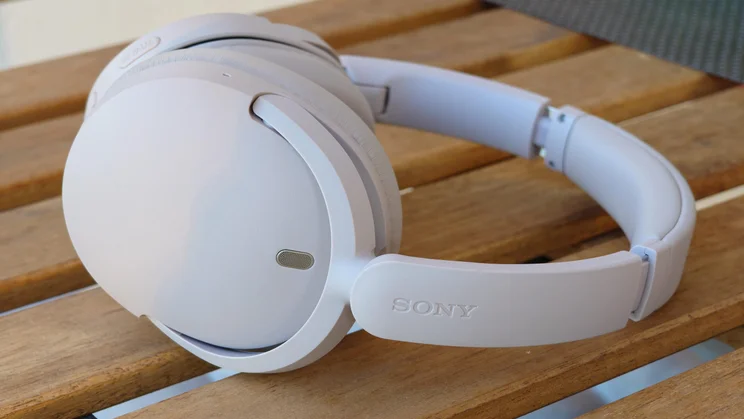
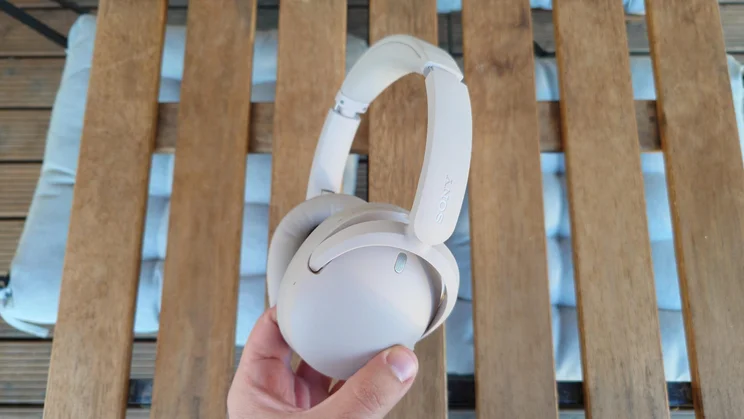
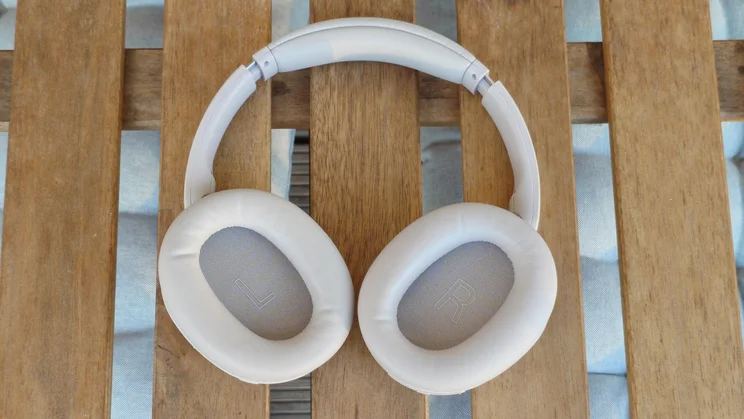
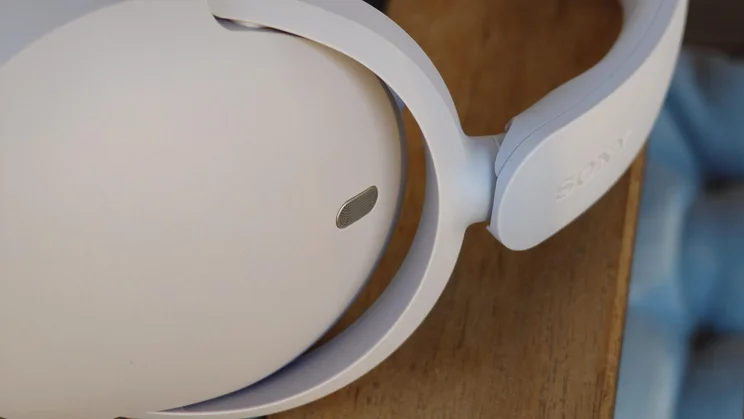
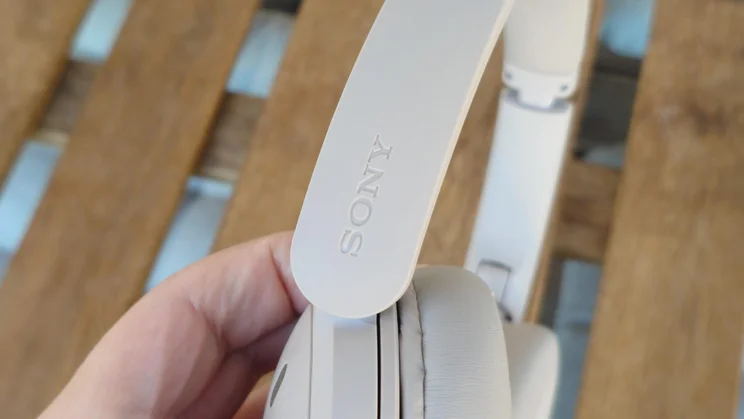
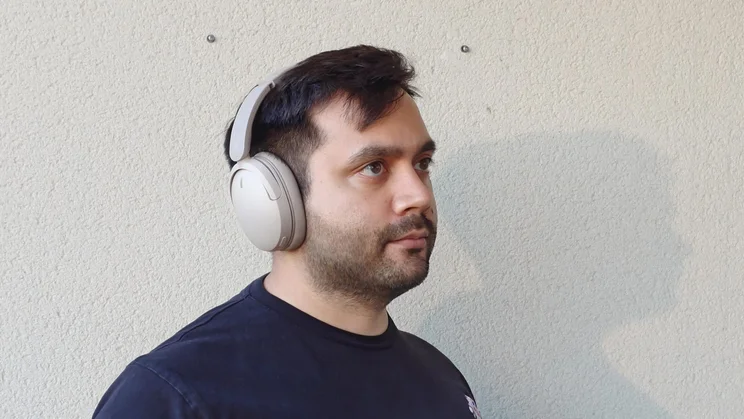
Sony made a few design tweaks from the previous generation model. They’re a little more rounded and curved, but still very comfortable. The WH-CH730N’s earcups are reasonably wide and deep, with enough headband padding and soft, plush earpads. Throw in the fact that they weigh just 207g, and you’ve got the recipe for a highly comfortable pair of headphones. A carrying pouch would’ve been ideal for travel, but there’s little else to critique, as Sony has done a great job making these headphones lovely to wear.
wo side-by-side screenshots of the Sony Sound Connect mobile app displaying the custom game equaliser preset profile and device Quick Access settings for the Sony WH-CH730N
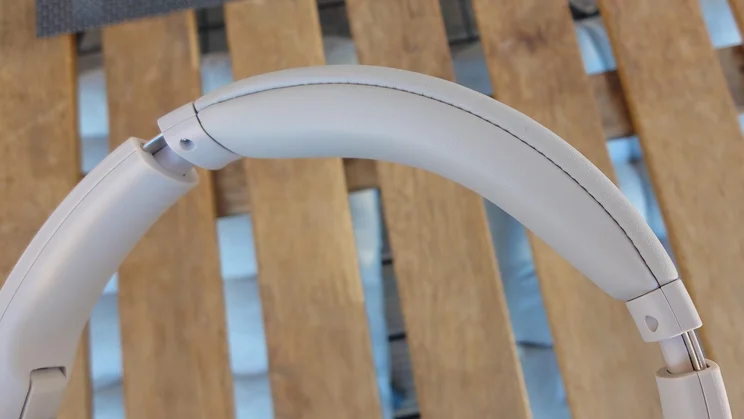
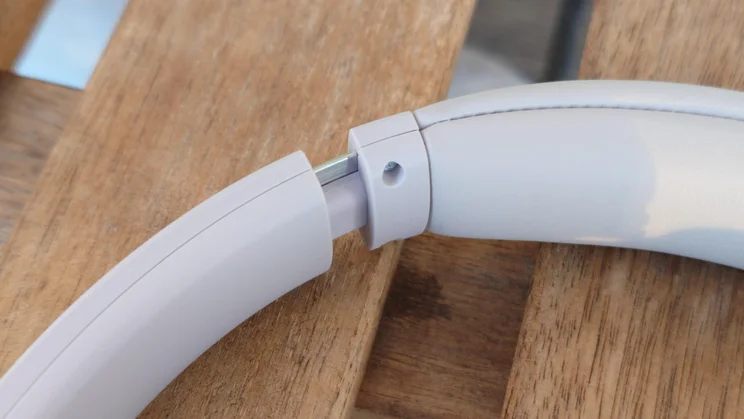
They have a plasticky build, though, and I hear the occasional creak that reminds me of their lower price. The clicky headband adjustments also make them feel less than premium. I’d have loved a smooth sliding mechanism instead, less likely to catch on hair.
What’s the sound quality like?
The WH-CH730N’s 30mm dynamic drivers deliver punchy, bass-focused sound. The thick bassline of Meet Me at Our Spot by The Anxiety sounded more congested than I expected, but the production kept the vocals centred and delivered crisp instrumental separation. Toggle on DSEE if you can tolerate the extra battery drain; it adds spaciousness and makes music sound more natural
wo side-by-side screenshots of the Sony Sound Connect mobile app displaying the custom game equaliser preset profile and device Quick Access settings for the Sony WH-CH730N
Kick drums have real impact, and I noted plenty of vocal detail in Jorja Smith’s I Am. I listened to Radiohead’s Videotape to assess how the headphones handle quieter details and dynamic range. They don’t disappoint; the crescendo builds effectively, the sound is immersive, and nuances remain clear as elements in the mix overlap.
Pricier headphones can deliver more balance on a wider soundstage. But I can’t think of any other cans that sound as enjoyable at this price.
How good are they for calls?
I tested microphone quality by playing street traffic and coffee shop noise over my speakers at loud volumes (probably louder than they’d be in reality) and taking recordings. My voice was a tiny bit crunchy in those voice notes, but every word was intelligible. Those on the other end of calls noted that I sounded a bit processed, but understood everything, which isn’t the case with all headphones at this price!
How effective is the noise cancellation?
The Sony WH-CH730N dampen external noise in loud ambient conditions, but I’d describe their ANC as solid rather than excellent. Understandably, given the price difference, they’re well behind Sony’s class-leading WH-1000XM6.
wo side-by-side screenshots of the Sony Sound Connect mobile app displaying the custom game equaliser preset profile and device Quick Access settings for the Sony WH-CH730N
Despite good passive isolation, they can’t silence more egregious sounds like a train clattering or a plane engine’s drone. These remained audible, just a little less so than without the headphones. They also struggle to attenuate transient noise and voices effectively.
For those new to ANC headphones, the WH-CH730N will do a decent job blocking out external noise, but they aren’t as effective as the Soundcore Space 2, which impressed us on test earlier this year. You can also get the underappreciated Sony ULT Wear for around this price, which inherited the processor from older flagship models and have ANC that competes with the Sony WH-1000XM4. They’re a far better choice for commuters or frequent flyers.
Should you buy the Sony WH-CH730N?
The Sony WH-CH730N are the best headphones I’ve tried at around £100. Their main strengths are their lightweight, comfortable fit and detailed, entertaining sound. They also deliver clear calls and impressive battery life, look good and offer several useful features. Their ANC may not be exceptional, but it’s good enough for general use.
If your budget doesn’t stretch over £100, I definitely recommend them. However, if you can spend a little more, you’ve got options. It’s worth considering a couple of key rivals, the Soundcore Space 2 and Sony ULT Wear, which support LDAC and more convincing noise cancellation.


