To help us provide you with free impartial advice, we may earn a commission if you buy through links on our site. Learn more
- Improved sound quality
- Excellent noise cancellation
- Extremely comfortable
- Sonos 27voice not live at launch
- Audio swap is confusing
Less is more, the best things come in small packages, and appearances can be deceiving are all idioms we should be wary of overusing. All three also apply appropriately to the Sonos Ace Ultra. This is the first update to Sonos’ first flagship headphones, and wisely, it’s kept the changes conservative.
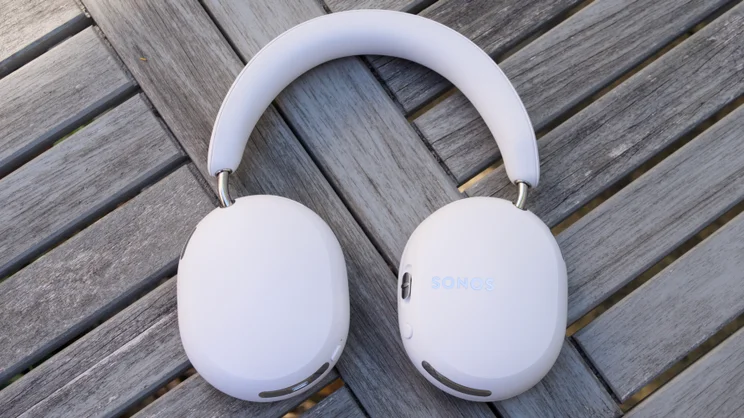
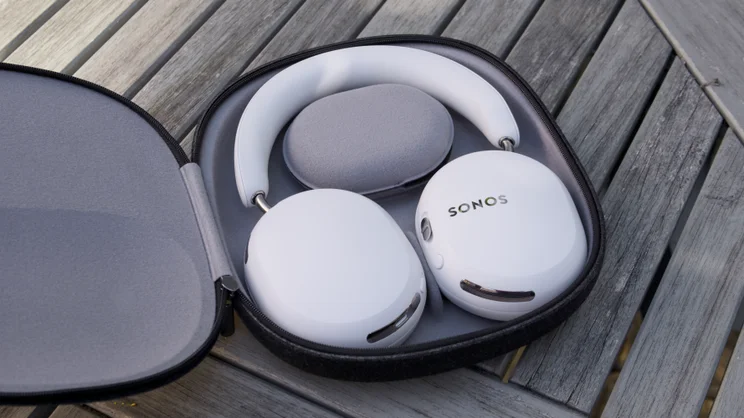
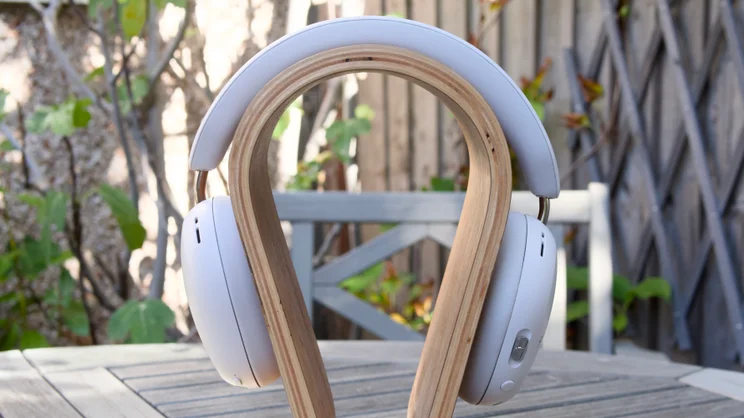
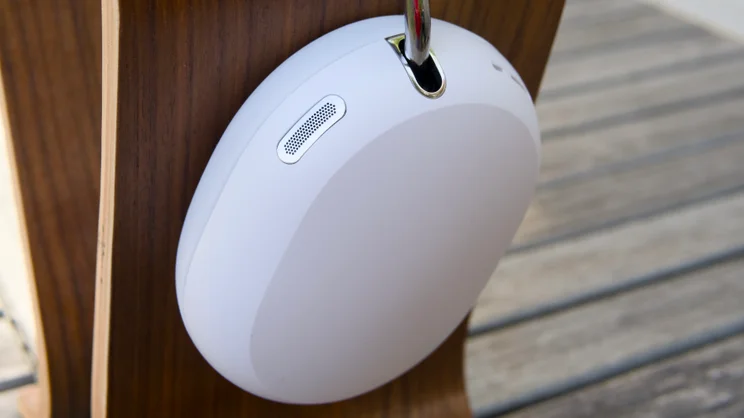
In fact, from the outside, it looks like nothing has changed at all. The design is the same, the low-profile shape remains, and the sensible tactile, physical controls are still there, as is tight integration with the Sonos audio ecosystem and soundbars, albeit with some improvements. There are plenty of improvements, though, all of which have a positive impact.

What do you get for the money?
The most obvious change is the price. Unusually, it’s fallen since the first model emerged back in 2024, dropping from £450 to £399. But while a price reduction is always welcome, the Sonos Ace Ultra remain a premium pair of headphones and, as such, they find themselves in rarefied company.
Their main rivals right now are the Sony WH-1000XM6. They’re the best-value, all-round noise-cancelling headphones I’ve tested, and they’re £50 cheaper than the Sonos Ace Ultra at most retailers. Other top-tier premium headphones include the Bowers & Wilkins Px7 S2 and the Apple AirPods Max 2, although the latter are significantly more expensive at £499.
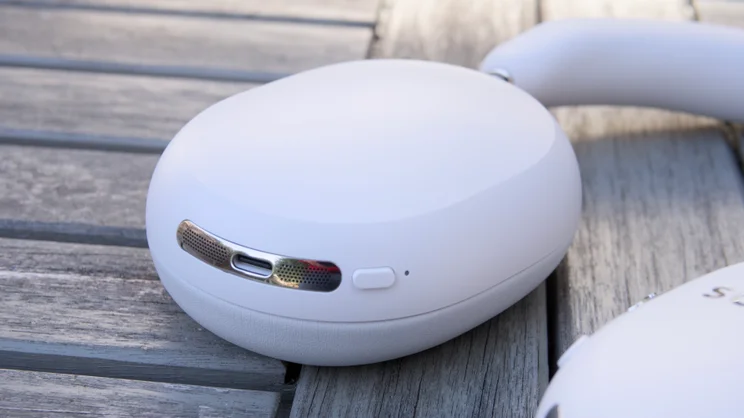
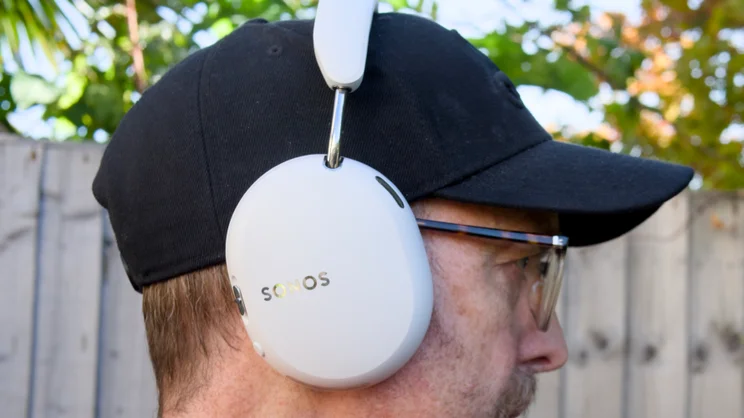
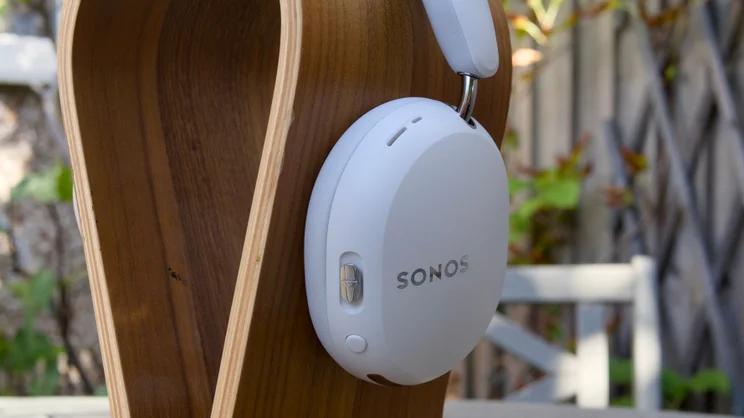
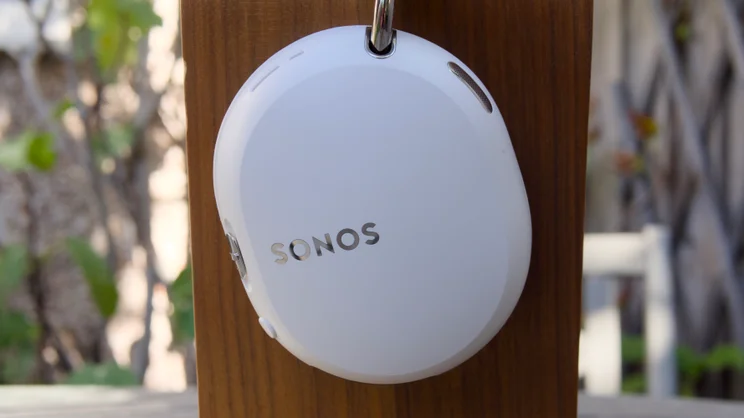
As mentioned, the look and feel of these headphones haven’t changed much, and that’s a good thing. I liked the original’s low-profile, minimalist earcups, and the design has stood the test of time. The smooth plastic finish on the earcups looks and feels more expensive than the Sony WH-1000XM6’s matte finish and won’t pick up as many fingerprints.
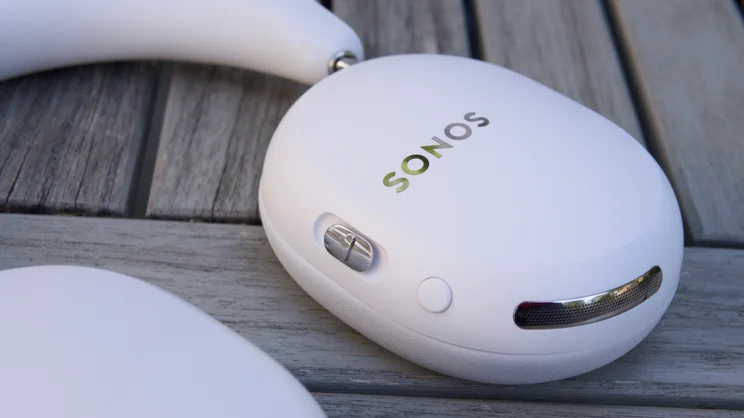
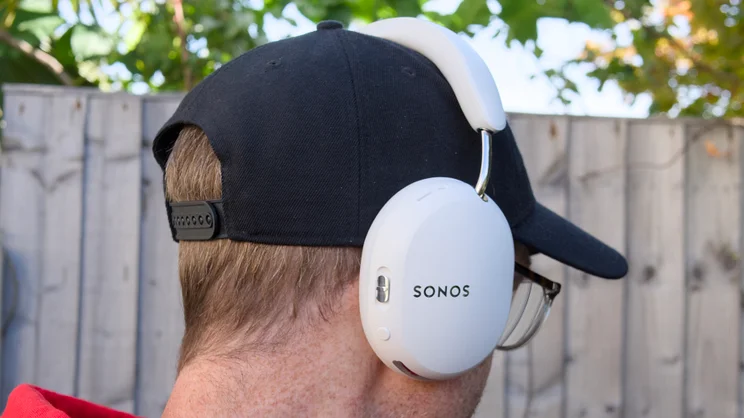
The controls are great, too (no touch-sensitive muck here), and they’re easy to locate once you’ve learnt what each button does. They’re all different shapes and sizes, too, so you’re not often fumbling around. The sliding, clickable control on the right earcup is particularly effective. This adjusts volume up or down, and plays, pauses and skips audio.
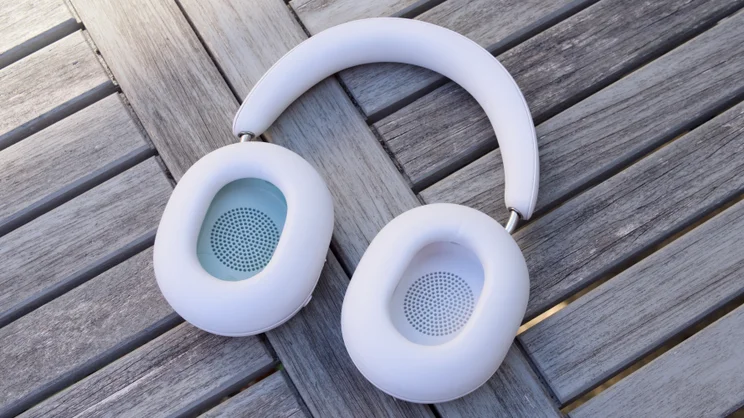
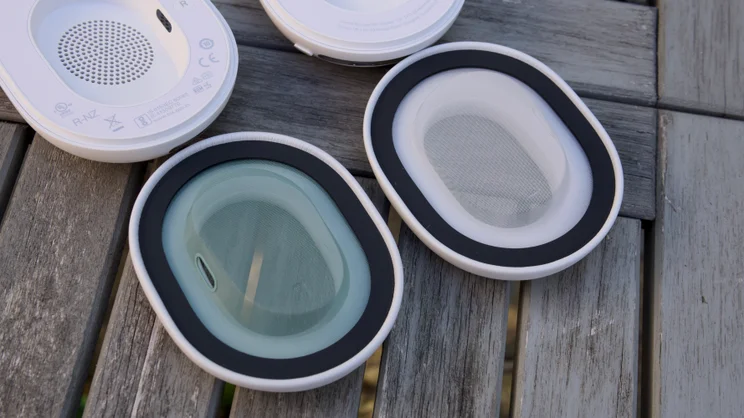
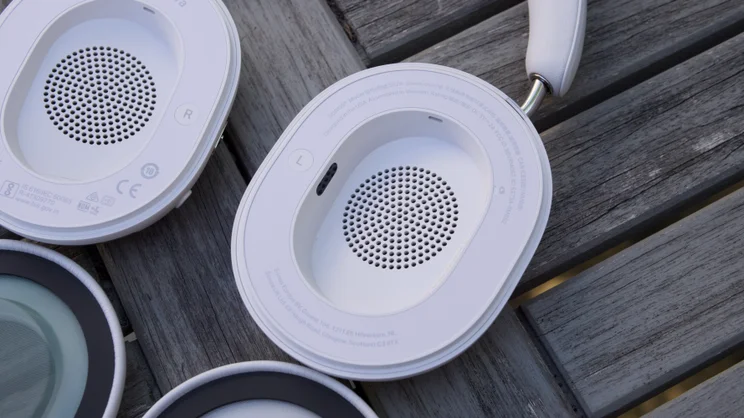
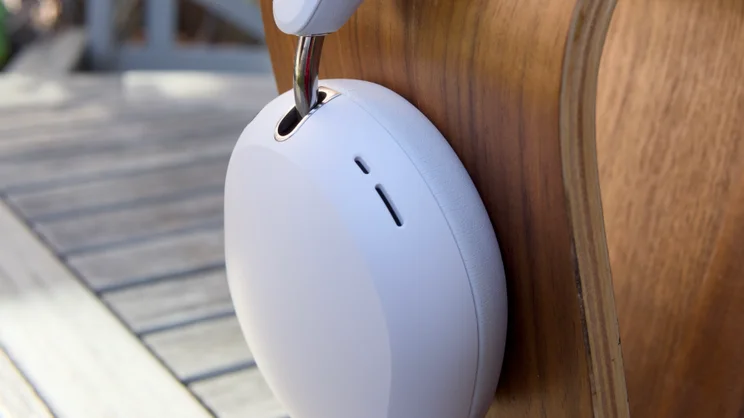
The changes are subtle. The padding around each magnetically removable earcup feels denser, and the shape is different; there’s more material toward the inner circumference and each pad has a flatter inner surface.
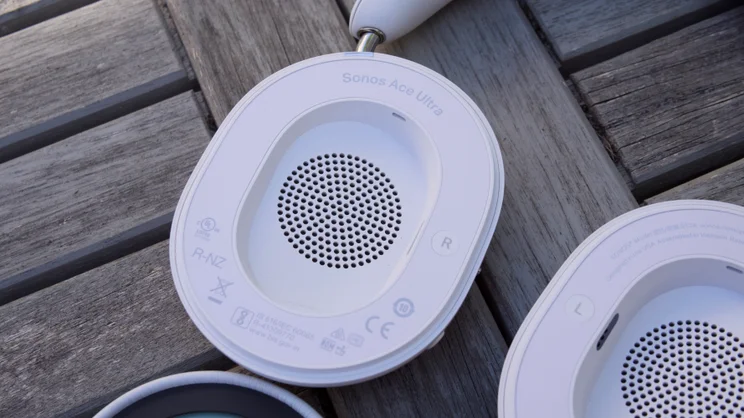
The wear sensor has moved from near the top of the ear to a lower position to make auto pause and resume more reliable. I can’t say I had a problem with this before, and I haven’t this time around. And the battery is apparently now user-replaceable, though I could see no easy way to dismantle the cups to get at the insides.
Most other major changes are hidden away, starting with the component largely responsible for sound quality: the Ace Ultra’s 40mm drivers, which have been redesigned this time around. Battery life now stretches to 35 hours with ANC on, five hours better than the originals and the Sony WH-1000XM6.
Software upgrades
The Sonos Ace Ultra also receive a couple of key software upgrades, courtesy of the new Sonos 27 software platform. The first is “headphone linking”. This uses a technology called Fabric to swap audio from (or to) the nearest compatible Sonos speaker (Move 2, Play, and Arc Ultra), instead of just a soundbar, as the previous models allowed you to do.
I tested it with a pair of Move 2s and Beam Ultra. Once set up in the Sonos app, I only had to walk into the same room as a compatible speaker to move music from the headphones to the speakers and back again by clicking and holding the volume slider button. It takes five to seven seconds from the moment you press the button, and as long as you do it properly, it seems to be pretty reliable.
Alas, if you’re playing music from any source other than the Sonos app, it just doesn’t work, and it won’t tell you why, either. If you’re playing a track from Apple Music via AirPlay to a nearby speaker, it just gives a non-descript “blurp” when you try to move it to the headphones, and the same happens if you try to move audio to the headphones while playing it on your phone via Apple Music and Bluetooth.
This is, to say the least, sub-optimal, which is presumably why the feature is still in “early access”. Either way, I’m still not sure how useful the feature is, or how often I’ll remember to use it. It might come in handy if you’re listening to something on your speaker and want to transfer it to your headphones as you walk out the door, but I can’t say I’d go out of my way for it, especially given how prescriptive it is. It’s just as easy, and more reliable, to do it via your phone.
How effective is the Sonos Ace Ultra’s active noise cancellation?
It took just a couple of minutes of testing to hear the difference between old and new because the Ultra are clearly better than the original Ace at overall noise cancellation.
That’s probably due to a combination of factors: the redesigned ear cushions feel denser and fit more securely around my ears, resulting in less leakage and improved passive noise reduction. Add that to the overhauled noise-cancellation algorithm, and you have dramatically better noise cancellation than on the original headphones.
It can’t quite match the sound-deadening skill of Sony’s WH-1000XM6 or the ANC the Apple AirPods Max 2 deliver, but it’s still very, very good. Ultimately, we’re talking fine margins here.
Where the Sonos Ace Ultra do suffer is features. Sonos has nothing like Sony’s Adaptive Sound Control, which sees the headphones sense where you are and what you’re doing, and automatically adjust ANC. The same goes for transparency: the only extra feature is Sidetone, which lets you hear your own voice on video calls while noise cancellation is enabled.
However, the sound quality that passes through from the exterior microphones to the earcups is very natural. Again, it’s an improvement over the Sonos Ace.
How good is the sound quality?
The Sonos Ace Ultra also sound very different to the first Sonos Ace. That’s not surprising given the re-engineered drivers. Nonetheless, I was surprised by how much better the Ultra sound.
As before, you get decent codec support, including the usual SBC and AAC, alongside aptX Lossless, aptX Adaptive, aptX Adaptive Low Latency, and aptX HD over Bluetooth 5. Whichever codec you use, they sound warmer and fuller, with more satisfying bass and more textured mids.
The thrumming bassline on Joe Satriani’s Thinking of You has more presence to it – a more expansive “drone”, if you will – while the guitar on Declan Zapala’s Philomena has more character and less harshness. Yet on both tracks, that extra low end doesn’t come at the expense of detail. There’s no sense of too much low end, just more of it – a lot more – which I am absolutely fine with.
Sonos said its sound engineers focused on improving the headphones’ reaction to transients, but I think that undersells the improvement. All-round, the Sonos Ace Ultra are better headphones. The question is, are they better than the Sony WH-1000XM6 to listen to?
The Sony headphones have a little more control over instrument separation in the mid-bass region, delivering complex mixes with greater clarity. But there’s no denying the Sonos’ extra weight is more fun to listen to, and, if you want greater fidelity, you can always connect the Ace Ultra via USB-C and skip the Bluetooth compression for CD-quality 16-bit 48kHz audio.
Anyone who doesn’t enjoy the bass-forward default presentation can tweak the sound profile with more granularity than before. Toggle the new advanced switch in the Sonos app and an eight-band EQ adjuster replaces the basic bass/mid/treble controls. Tweakers shouldn’t get too excited, though, as there’s no facility to store presets or choose from a list of Sonos-designed profiles.
What about call quality?
Here, the Sonos Ace Ultra strike a nice balance between ambient noise suppression and overall audio quality. They don’t completely remove background noise, but do enough to ensure the person on the other end can hear you without affecting overall audio quality.
This is a weakness for the Sony WH-1000XM6, which sacrifice quality when things get really noisy. I prefer how Sonos does it. However, the Ace Ultra can’t match the surreally effective noise isolation of Apple’s AirPods Max 2, which eradicate background noise while picking up your voice super clearly.
Should you buy the Sonos Ace Ultra?
The Sonos Ace Ultra are, clearly, better headphones than their predecessors. The question is: should you buy them over the established opposition? That depends on your budget and priorities.
In my view, if you value sound quality over noise cancelling and you’re willing to stump up the extra £50, I’d say get the Sonos over the Sony WH-1000XM6. The Sonos are more comfortable, too, and the build and finish are nicer.
If you want to save a bit of money and want the best noise cancellation money can buy, however, get the Sony. iPhone users who want the best sound quality and noise cancellation, and who don’t mind how heavy or expensive their headphones are, or how bad the battery life is, should buy the AirPods Max 2.