To help us provide you with free impartial advice, we may earn a commission if you buy through links on our site. Learn more
Screenshot
- Comfortable for all-day wear
- Exceptional ANC performance
- Tactile physical controls
- Expensive, and close in price to the Ultra
- Battery life on the short side
- No wear detection, high-res codec support, Auracast or LE Audio
Bose’s standard-tier headphones have long been some of the most popular models around for good reason. They deliver on their name by providing “quiet” thanks to high-end active noise cancellation, and “comfort” with soft padding and a lightweight build.
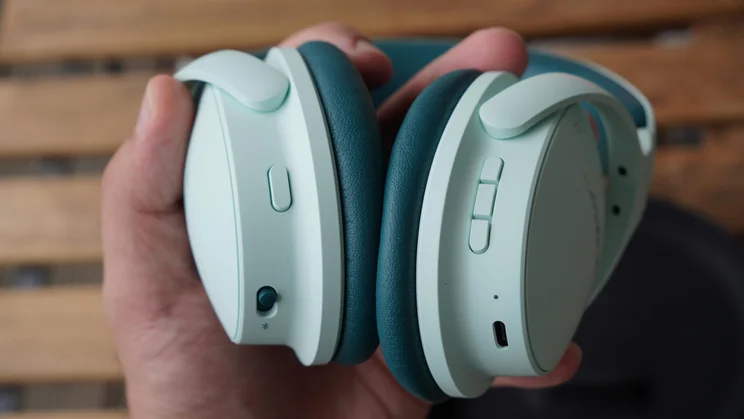
The brand hasn’t changed the successful formula but has brought features and design ideas from its premium Ultra Headphones into this marginally more accessible tier. The QuietComfort Headphones (2nd Gen) – the QCH2 from here on in – now include Immersion Mode and Cinema Mode and support lossless audio over USB-C. This removes the old headphone jack. They also sport a redesigned build for greater comfort, featuring smoother headband adjustments and power/pairing controls on the bottom of the left earcup.
Much is unchanged. They’re still super light, foldable, and available in several colours. They still come with a hardshell carry case, 24-hour battery life (18 hours in Immersion mode), connect to the Bose app for personalisation, and offer a basic EQ to adjust your sound. To see if they’re worth the upgrade, I’ve used them as my go-to over-ears for the past three weeks, comparing them to Bose’s Ultra options and rivals from other brands.
How much do they cost?
The QCH2 cost £300, which is surprisingly close to the £350 price of the Bose QuietComfort Ultra Headphones (2nd Gen).
The Ultra model launched at £450, but retailers frequently discount them. While the new standard model is available at full price, it may make sense to pay extra for the Ultra for the slight improvements in sound and design. The new QuietComfort will inevitably drop in price too, and they go toe-to-toe with the Ultra in so many respects that it may come down to which style you prefer.
Screenshot
Plenty of cheaper options are available, however. The Sony ULT Wear cost £129, the Anker Soundcore Space 2 cost £130, and the first-gen Bose QuietComfort are £230.
What features do they have?
Bose hasn’t messed with one of my favourite features of the first-gen QCH: reliable button controls. I find these intuitive and far easier to use than touch surfaces. So that’s a big win for those of us who prefer things simple and unfussy.
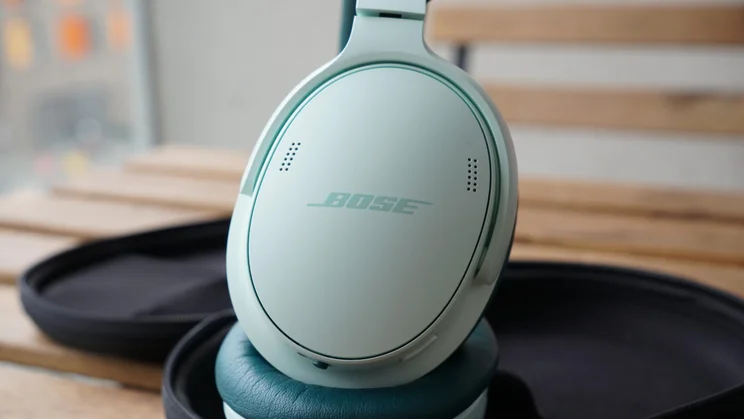
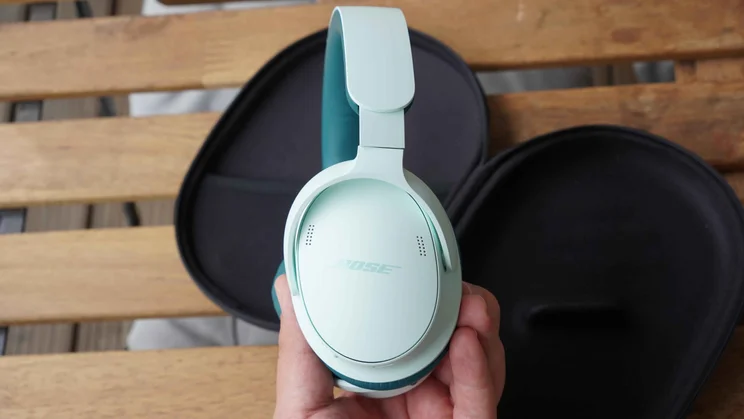
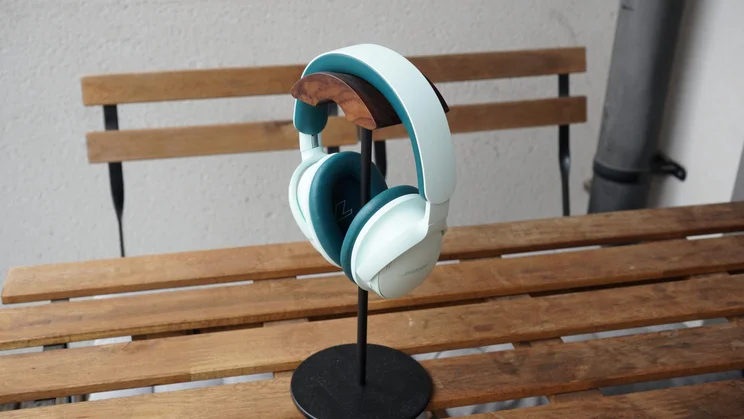
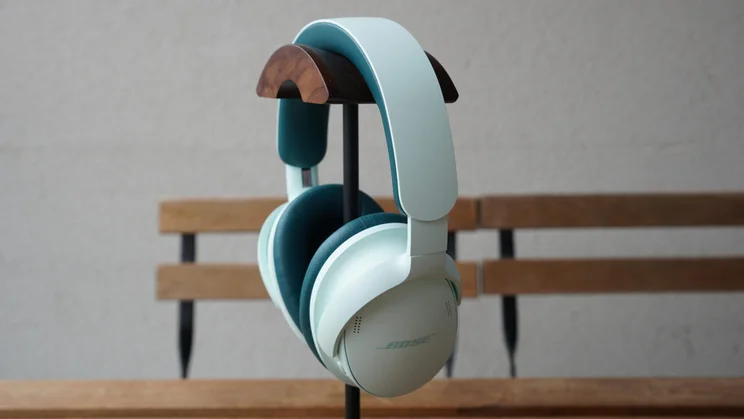
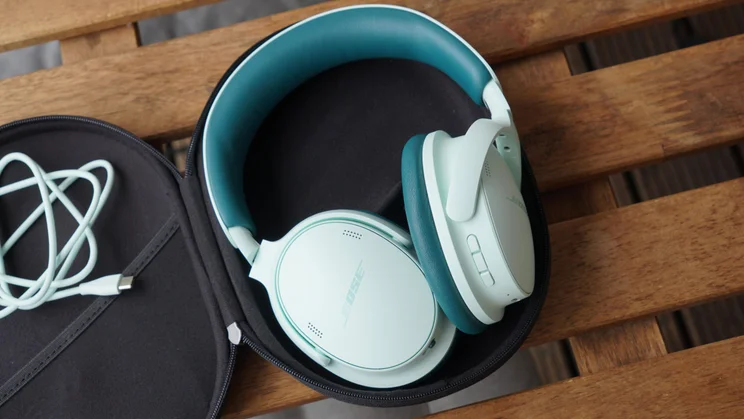
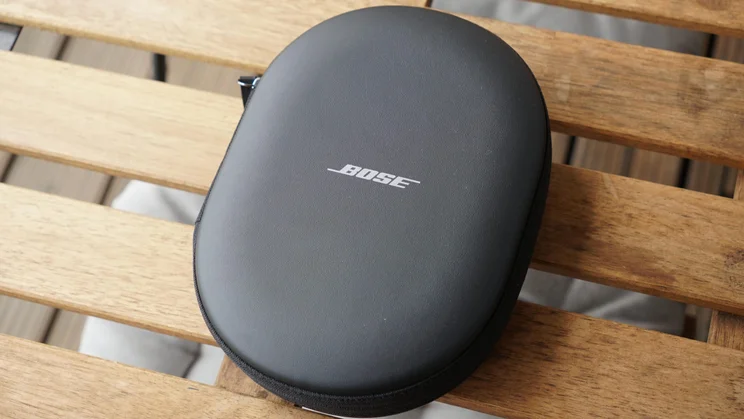
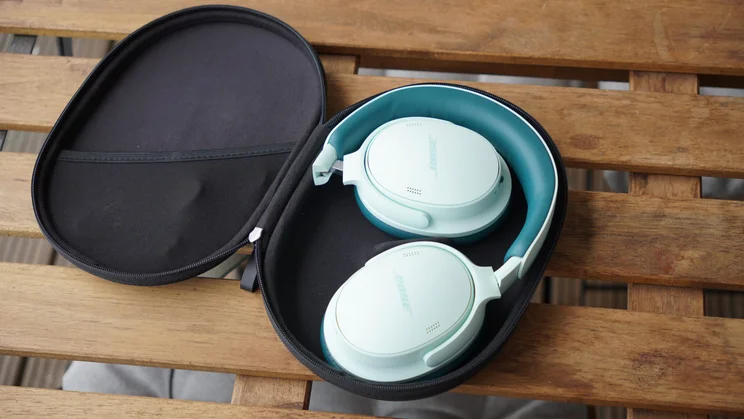
I’m also loving the colour selection: Black, White Smoke, Rosewood Mauve, Eucalyptus Green and the lovely two-tone Dewdrop Mint I tested. They also come with a smaller travel case, which looks almost identical to the one you get with the Ultras.
Screenshot
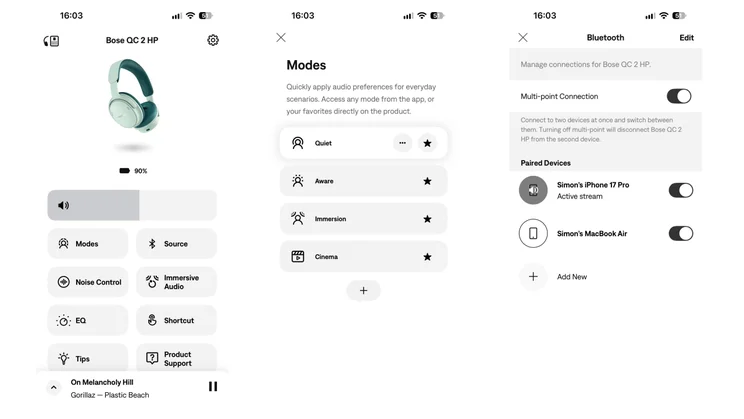
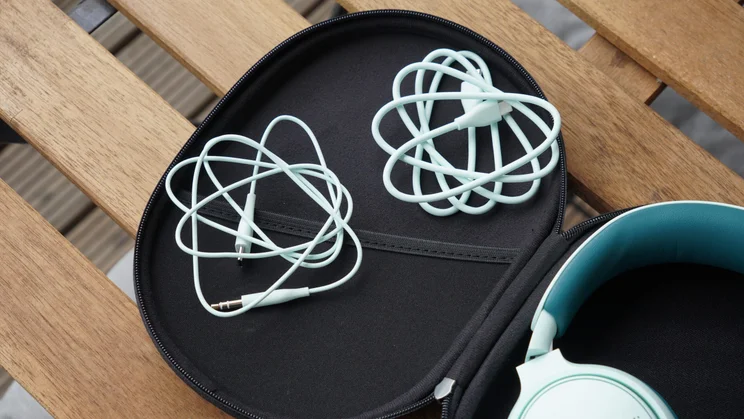
The QCH2 have 24-hour battery life, USB-C lossless audio over the cable (which works for calls), Bose’s Immersive Audio modes, multipoint connectivity and equaliser adjustments via the Bose app. There’s no 2.5mm jack; I think high-res USB-C audio makes up for this, and Bose includes a colour-matched USB-C to USB-C and a USB-C to 3.5mm cable.
Accurate claims, but below-average battery life
While battery life hasn’t improved over the previous generation and falls well short of some top rivals, it lives up to Bose’s claims. In my testing, three hours of Spotify playback at 50% volume showed only a 10% drop in the app. Accounting for the app’s inexact rounding to the nearest 10%, that places real-world battery life around the promised 24-hour mark.
These are also decent for calls. I used them for an hour-long FaceTime call, and the other caller could hear everything I said clearly. Testing their environmental noise cancellation revealed that they reasonably rejected most noise, though heavy background sound slightly muffled voices, and wind noise slipped through easily.
Screenshot
Immersive audio is good, but it’s not for everything. I found it hit-and-miss for songs (Dolby Atmos tends to work a little better, as on the Sennheiser Momentum 5 headphones). However, Cinema Mode is a fun feature for films and TV shows, and I found it made clips from Mad Max: Fury Road and Our Planet notably more engaging with a “surround sound” atmosphere when viewed on my laptop. You can also lock audio in place or use head tracking.
It’s a shame these don’t have Auracast or LE Audio, and they use Bluetooth 5.4, so they also won’t get the improved efficiency and higher data transmission promised by Bluetooth 6.0. Unlike the Ultra models, they also don’t have wear detection for automatic pause and play when you take them off and put them on.
How I tested the Bose QuietComfort Headphones (2nd Gen)
I used the Bose QuietComfort Headphones (2nd Gen) as my main over-ear headphones for three weeks, using them in real-world situations including journeys on the London Underground, working from home, at my busy local coffee shop, and walking in windy outdoor conditions.
I’ve tested battery drain and used the multipoint connection by playing audio from both my laptop and my phone. I’ve worn them for full working days to assess comfort, and I have also made calls and monitored call quality.
Why you can trust me
I have over a decade of experience writing about consumer electronics and have tested countless pairs of noise-cancelling headphones, including the previous Bose QuietComfort Headphones and both generations of Bose’s QuietComfort Ultra headphone lineup. I’ve written for Esquire, Digital Spy, and more, and most recently was Technology Editor at Good Housekeeping UK.
How comfortable are they?
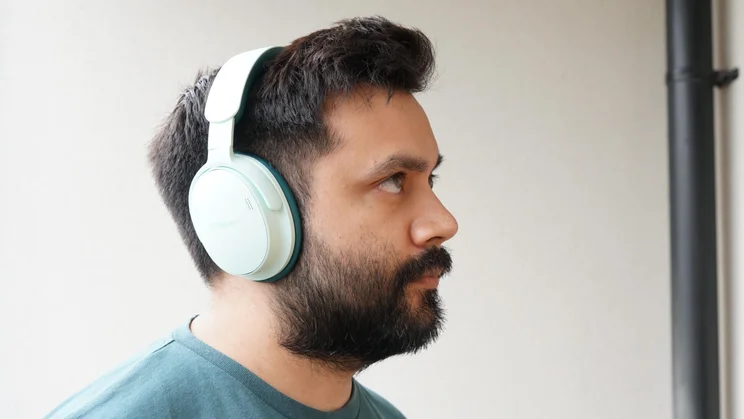
They’re very comfortable. It shouldn’t come as much of a surprise, given that Bose’s whole range is great on the comfort front, but I’d go so far as to say these are the most comfortable ANC headphones I’ve used.
A big reason is weight. In the quest to “feel” premium, many headphones are a bit heavy. Not these. They’re about 230g, around 20g lighter than Bose’s flagship pair, and you can tell. I barely notice when I’ve got the QCH2 on. The tradeoff is that they’re definitely more plasticky than the Bose Ultra, and that can make them feel a little cheaper to hold, even if that doesn’t really matter once you’re wearing them.
Screenshot
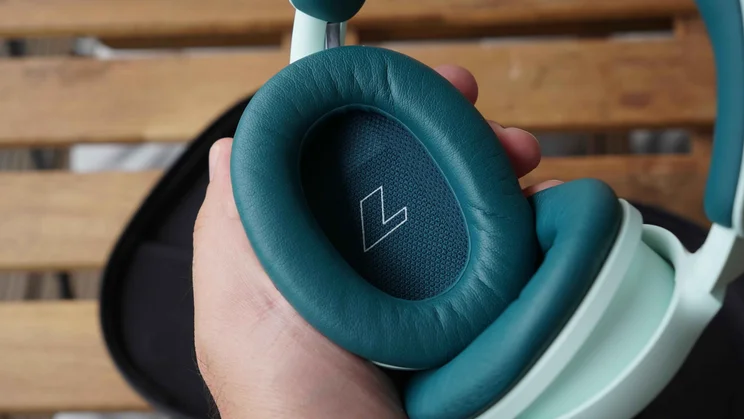
The clamping force is good, a little gentler than some rivals, and the passive isolation is excellent; the QCH2 block a lot of noise from reaching your ears. The headband cushioning is notably improved over the previous-gen and is plush and soft all over. This adds up to proper all-day wearability, and it’s one of the main reasons these are perfect for long-haul travellers.
The design is refined for this generation, with slimmer ear cups, a wider headband, repositioned controls, and sliding headband adjustment that won’t snag on long hair. This is still more a “functional and practical” look than some others, but as someone who doesn’t necessarily need my headphones to turn heads, I like them. Bose will likely add loads more colours, as it has done with previous models. I also love the compact travel case; it’s a space-saving addition that makes these great for frequent flyers and travellers.
What’s the sound quality like?
Bose has got the sound profile right on the QCH2. They’re not out to reinvent the Bose house sound, but they’re bass-forward rather than bass-heavy, with a controlled, textured low end rather than the boom you’d need to fix with EQ on certain other Bose cans.
I’m happy leaving the default sound alone on these; that wasn’t the case with the QuietComfort Ultra Gen 2, which have clever CustomTune tech but still have exaggerated bass and highs that require EQ adjustment. Yes, the Ultra support high-res codecs and deliver superior detail and instrumental separation, but you’d be surprised how close the contest is.
Screenshot
The QCH2 are relaxed and clear, and tuned for musical enjoyment. I can hear a slight boost to the bass and treble in Dua Lipa’s New Rules, but it’s not overcooked. They deliver a great sense of soundstage, plus ample vocal richness and detail.
The lyrics remain clear in Lucky Dimes, from The Temper Trap’s new album, even amid the distorted drums and aggressive guitars. And while Sennheiser’s Momentum 5 have a wider soundstage, I could identify the layers of instrumentation in The Goo Goo Dolls’ Iris.
The Bose sound tuning here is closer to balanced than many of the brand’s releases, so I’d even recommend them to budding audiophiles. However, there are a few shortcomings.
Screenshot
The headphones don’t support high-res codecs, only AAC and SBC. The in-app equaliser is a basic three-band affair, and the Ultra, along with some options from other brands, beat the QCH2 on soundstage breadth and detail.
For lossless support, the included USB-C cable gets the most out of your high-res streaming service. There’s also a USB-C to 3.5mm cable, ideal for connecting to an analogue source or an in-flight entertainment system.
How effective is the noise cancellation?
Bose has a long-standing reputation for some of the best ANC in over-ear headphones, and that’s still true here. They’re essentially as good at silencing background sound as the premium Ultra model – in side-by-side comparisons, I struggle to tell the difference.
They’re class-leading and quietened the din of the London Underground, chatter in my local coffee shop, keyboard clacks, wind noise on walks and much more during testing.
Screenshot
Near my home, a big “deep excavation” project seems to have taken over an entire street. This involves drills, power tools, hammers and heavy machinery, so I’ve relied on strong noise cancellation to get through the day without it driving me up the wall. These headphones have been tremendous at handling a variety of continuous noise.
Bose has also brought over its ActiveSense tech from its Ultra model, which is designed to soften unexpected noise spikes when you’re using Aware mode. It works well, and the ambient (aka transparency) mode here works better than on the predecessor for keeping you aware of your surroundings.
Should you buy the Bose QuietComfort Headphones (2nd Gen)?
These headphones are excellent for travel, as they’re among the most comfortable ANC cans I’ve ever tested. They’re lightweight, have reliable physical controls, sound great and deliver class-leading noise cancellation. If you’re a frequent flyer or commute on loud trains every day, these are sought-after traits.
Aside from comparatively low battery life, the only significant drawback is the price. At launch, the difference between these and the QuietComfort Ultra Headphones (2nd Gen) is pretty minor, so I’d recommend weighing up your options carefully.
The Ultra offer a few more features, high-res support and marginally better sound, so if those matter to you, the extra outlay may be worth it. The QCH2 are lighter and easier to control, though, and require less EQ tweaking.
Both models are a big investment. If you’re not tied to the Bose brand or don’t need its latest model, I’d probably recommend cheaper options like the Sony ULT Wear, Soundcore Space 2 or the first-gen Bose QCH.
But if you want flagship-grade ANC, extreme comfort, a practical design and entertaining default sound quality, I recommend these Bose headphones if they’re within budget. If they’re not, I’d still argue they’ll be a great deal when the price drops in the sales.