
To help us provide you with free impartial advice, we may earn a commission if you buy through links on our site. Learn more
TCL’s booth at MWC was a surprisingly rich vein of new products. The Chinese tech giant is best known in the UK for its reasonably priced TVs, but we’ve also reviewed the brand’s flagship e-ink note-taker (the Nxtpaper 11) and Nxtpaper 60 Ultra smartphone/note-taker hybrid.
I visited TCL’s booth at this year’s MWC trade show in Barcelona, where I saw the latest phones, tablets, note-takers and smart glasses (yes, even TCL is jumping aboard that particular train). Specifically, I saw the new TCL Nxtpaper 70 Pro smartphone; the TCL Tab A1 Plus tablet; the TCL Crystal Clip earbuds; and TCL RayNeo X3 Pro and Air 4 Pro smart glasses.
Here’s what I discovered.
TCL Nxtpaper 70 Pro
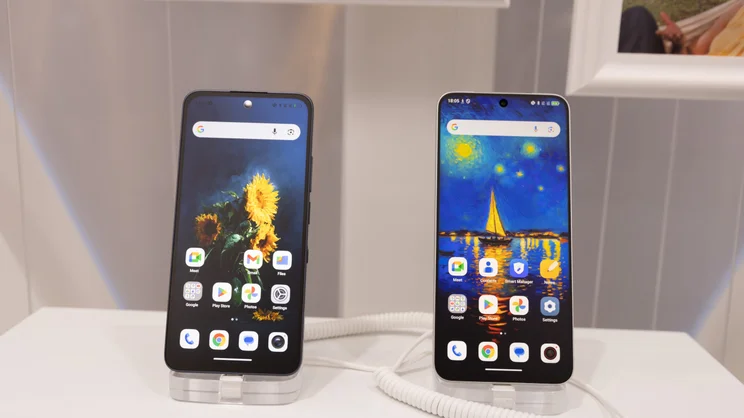
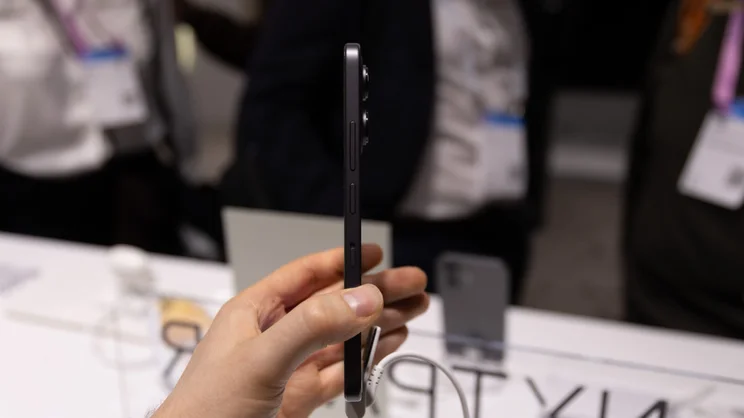
This is by far my favourite of TCL’s upcoming products. The Nxtpaper 70 Pro builds on – or rather, pares back – the formula laid out by the 60 Ultra we reviewed favourably last year, swapping the MediaTek Dimensity 9400 for a less powerful 7300 chipset. it’s a smidge smaller – 6.9in across the diagonal, rather than 7.2in – but uses the same LCD panel with a 120Hz refresh rate and a resolution of 2,340 x 1,080. It’s the same 5,200mAh battery inside, too, with the same memory options (up to 24GB of RAM and 512GB of storage).
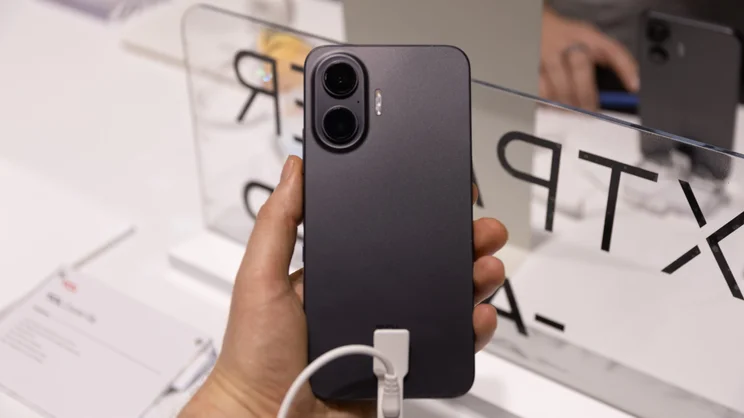
The camera has been slightly pared back to reduce costs, dropping the 50MP telephoto lens on the 60 Ultra and leaving a 50MP main rear camera and an 8MP ultra-wide option. The 32MP selfie camera remains.
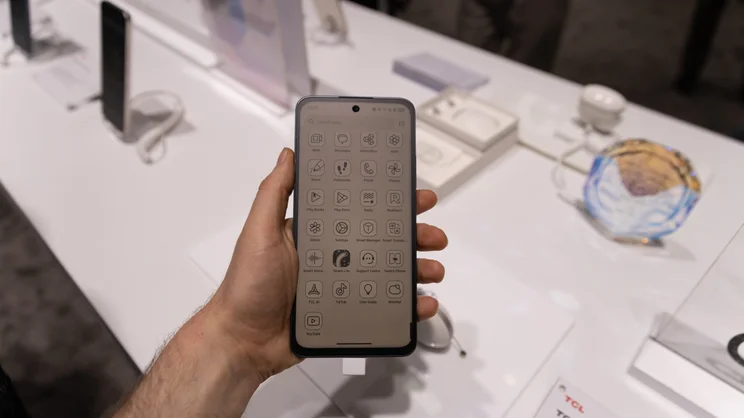
And of course, the most interesting feature remains too: TCL’s Nxtpaper Key. This is a small switch on the side of the phone that instantly activates on of the phone’s three unique simulated e-ink modes: Colour Paper mode, Ink Paper mode and Max Ink mode. You can kind of see how the naming conventions denote how severe the transition between each is – Max Ink mode, for example, shifts the display into full monochrome, at which point I was stunned to note that the estimated battery life exceeded 200 hours:
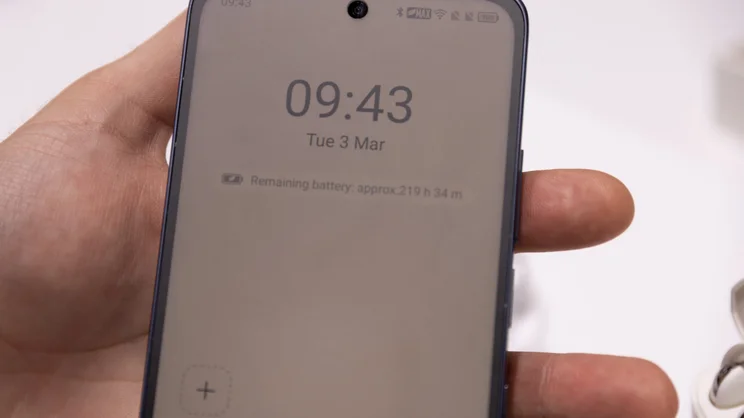
Between these e-ink modes, TCL’s insistence of various forms of eye-care certification and the matte finish on the display – which I initially found off-putting but quickly adjusted to – the Nxtpaper 70 Pro delivers the most comfortable viewing experience of any smartphone I’ve seen.
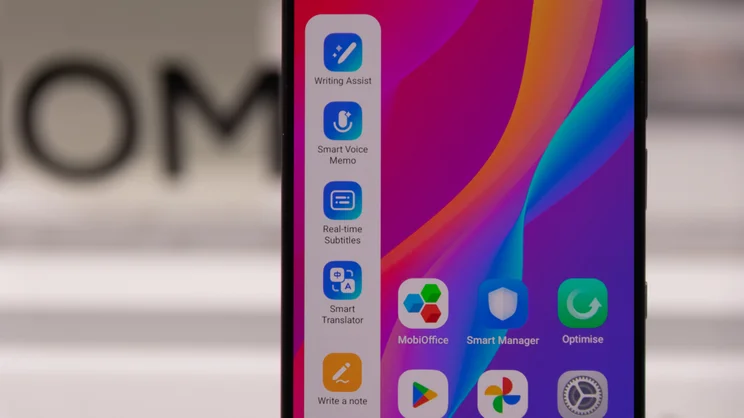
AI also rears its head here, but I’m pleased to report that TCL’s efforts here are responsive and useful. I saw the Nxtpaper 70 Pro translate in real time and create an outline for a birthday party invitation. It did so swiftly, and I found the interface largely very easy to use – you can access a tray containing the key new features by dragging from the left-hand side of the screen. Given the cheap processors inside and the generally dire responsiveness of true e-ink displays, I was subconsciously expecting the entire experience to be a laggy mess – but not so.
The Nxtpaper 70 Pro will cost 299 euros (256GB) or 359 euros (512GB) and is available now.
TCL CrystalClip Earbuds
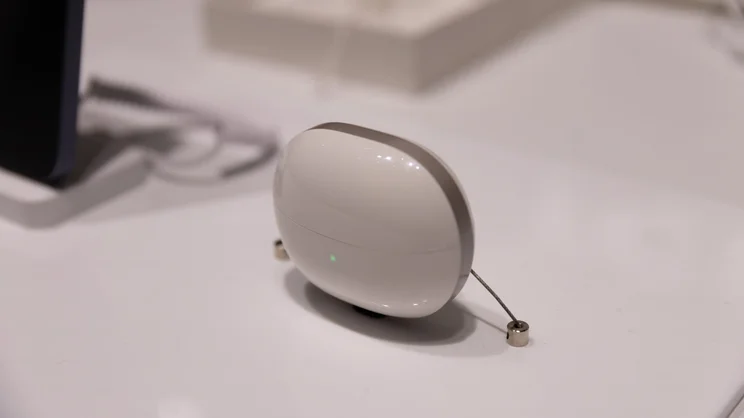
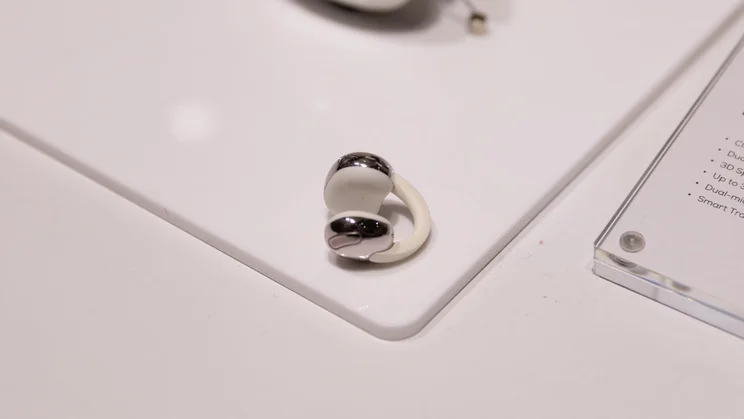
Here’s something you didn’t expect from TCL – headphones. More specifically, open-ear true wireless earbuds: the CrystalClip are unusual, as they clip to your tragus – that’s the cartilage “lid” that sits next to your ear canal. For hygiene reasons I wasn’t able to try this out, but suffice it to say I have my doubts about taking the CrystalClip for a run.
They’re very light – just 5.5g, in fact, a whole gram lighter than the Sony WF-1000XM6 – and IPX4 rated against dust and water ingress. They’re made from titanium, too, so they’re durable enough to survive the occasional fall from your ears. Battery life is rated at 36 hours with the charging case and there’s fast charging on offer here too, although TCL was hazy on the details.
Each bud has a dual magnetic dynamic driver inside, enhanced by an unnamed 3D Spatial Audio technology – as you’d expect, TCL promises impeccable sound quality, but the jury’s out until our audio expert Andy White can get his ears on them. Given their open-ear nature, I’d expect users to stick to podcasts anyway. Dual-mic ENC noise cancellation, meanwhile, will make sure that your voice is audible in busy environments.
Perhaps the most exciting feature here is real-time translation when using a compatible TCL phone. Using the tap controls, you can activate simultaneous interpretation on the move, which I think paired with the open-ear design is a nice touch. The CrystalClip earbuds also support your usual slew of voice assistants, AI or otherwise – Siri, Google Assistant/Gemini and so forth.
The Crystal Clip earbuds will cost 79 euros and will launch in March (UK pricing TBC).
TCL Tab A1 Plus
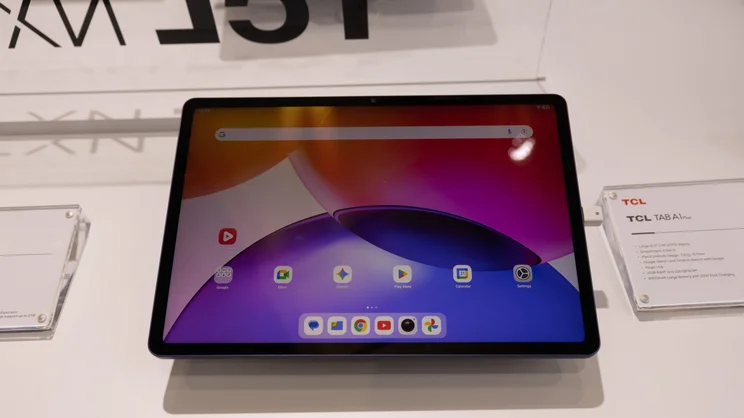
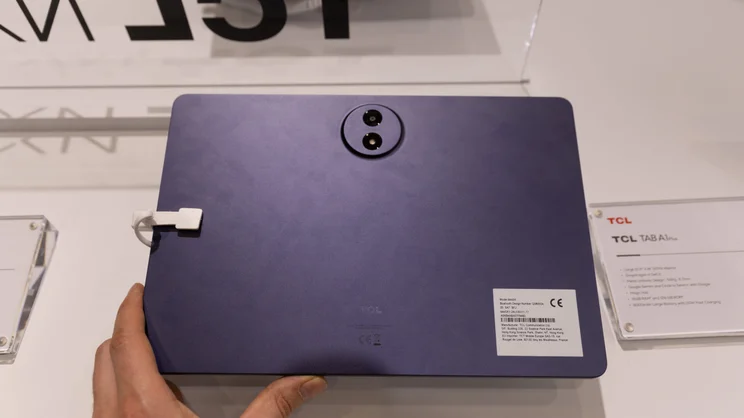
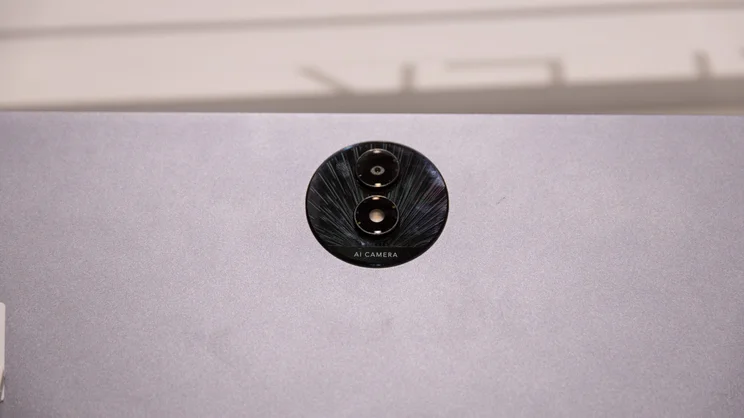
This is a traditional Android tablet – TCL is eschewing their usual simulated e-ink functionality in favour of a classic LCD panel. It’s a 12.2in number with a 2.4K resolution and a 120Hz refresh rate – there’s no Nxtpaper Key here, and no alternative viewing modes. Under the hood you’ll find a Snapdragon 4 Gen 2 processor, plus 16GB of RAM and 128GB of storage, plus a beefy 8,000mAh battery that supports 20W fast charging.
If you couldn’t tell, details are scarce, but obviously the Tab A1 Plus supports the same selection of intuitive and well-designed AI features as the 70 Pro phone above – plus Gemini and Circle to Search by Google. I took the tablet for a spin and found no issues with responsiveness; I also thought the display looked gorgeous and not noticeably oversaturated, which I think bodes well for streaming or light gaming.
The UI includes the Magic Hub, which “saves content in one place for quick access” according to TCL – equating to a favourites folder on-screen. The Tab A1 Plus also supports split-window mode and window resizing, for improved productivity.
There’s been no word on UK pricing or availability, but expect something aggressively good-value – this is about the only way this tablet stands a chance of capturing any market share.
TCL RayNeo X3 Pro and Air 4 Pro
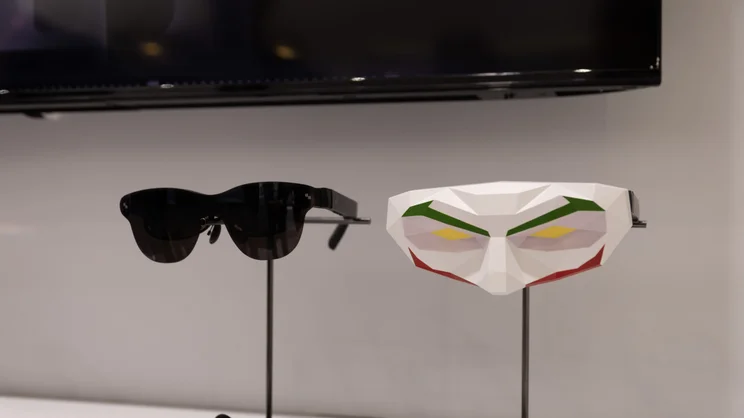
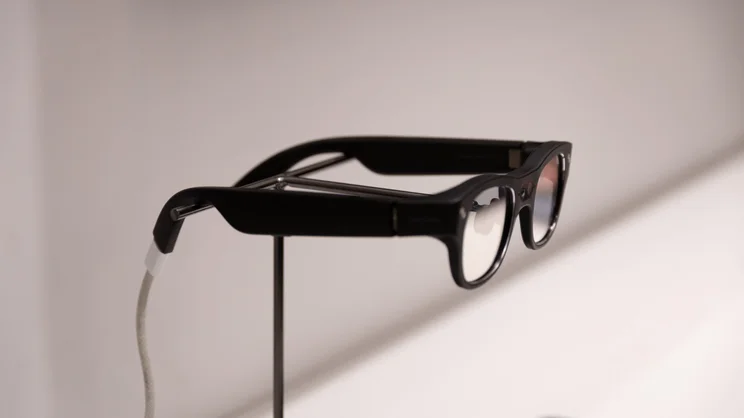
Now for the whacky stuff. Built by TCL subsidiary RayNeo, these smart glasses launched last year, but I still stuck around to try on both pairs. the RayNeo X3 Pro is a pair of Meta Ray-Ban lookalikes that are self-sufficient – ie. they don’t need to be connected to a smartphone. That’s thanks to a Snapdragon AR1 Gen1 processor, which is backed by 4GB of RAM, 32GB of storage and a 245mAh battery.
RayNeo bills the X3 Pro as “the world’s most advanced AI + AR glasses”, which is a bold claim, but the feature set is certainly impressive on paper. I saw them translate spoken word in real-time, displaying the results on the full-colour MicroLED heads-up display built into the lenses; I also used the 12MP camera, which requires a simple tap of the right ear hook. But there’s also more mundane, useful stuff: managing notifications, calendar entries/schedules, reading the news, browsing social media and even navigating via compatible geolocation apps. They’ll set you back £1,199.
The Air 4 Pro glasses are simpler. Once connected to your smartphone via a USB-C cable, they act as a face-mounted display for content of your choosing: the panels inside are 1080p @120Hz and top out at 1,200 nits brightness. They have 360 audio courtesy of Bang & Olufsen and support HDR10 and SDR-HDR “upscaling”. I have to say, I was impressed by the quality of those tiny screens – it won’t blow your mind, but colours were well-represented and the resolution is ample. These cost £289.


