To help us provide you with free impartial advice, we may earn a commission if you buy through links on our site. Learn more
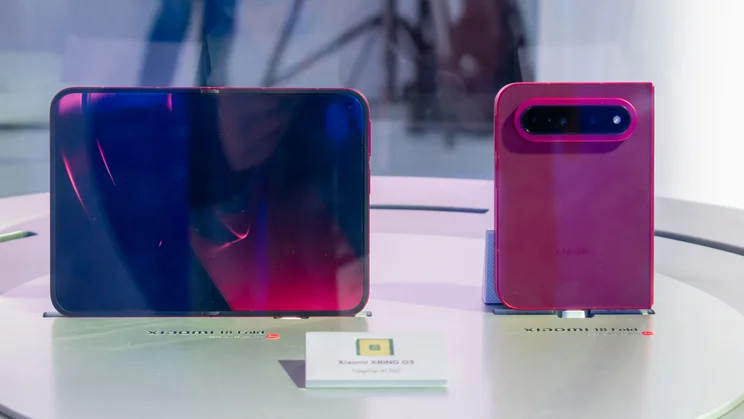
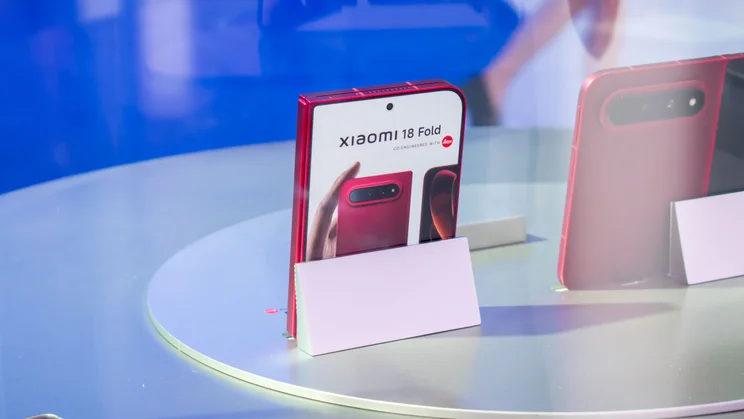
Xiaomi has just unveiled the new Xiaomi 18 Fold smartphone at this year’s IFA trade show in Berlin. I’d say the timing is far from a coincidence, given the brand’s competitive and mildly imitative history with Apple: after all, it’s now less than a week until new CEO John Ternus is suspected to announce the foldable iPhone.
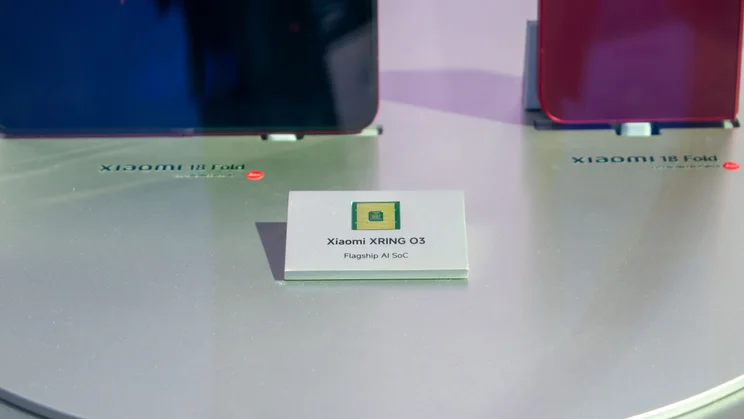
This is new ground for Xiaomi in several ways, as it drops the “Mix” branding of previous Xiaomi foldables, it adopts this currently popular passport shape, both shorter and wider than most foldable phones, and it’s the debut device for Xiaomi’s proprietary Xring O3 SoC. The latter is by far the most interesting, as it sees Xiaomi trying to shift its reliance on Snapdragon silicon and bring chip production in-house.
There is very little information about the Xring O3 at this point, but Xiaomi is calling it a flagship AI SoC, so we can expect it to be somewhat competitive with devices running the latest Snapdragon 8 Elite Gen 5 – or indeed, the incumbent Gen 6. How well it performs will have to wait for testing, but it’s going to need to be seriously impressive to avoid feeling like a downgrade from the excellent performance and battery life I recorded on the Snapdragon-powered Xiaomi 17 series.
What we know about the Xiaomi 18 Fold
Xiaomi has released little information regarding the 18 Fold, too, which strikes as somewhat odd, given that its Chinese release date is mere days away, on 7 September. UK launch is yet to be confirmed but if it does hit our shores, I’d imagine it would be early next year alongside the rest of the 18-series.
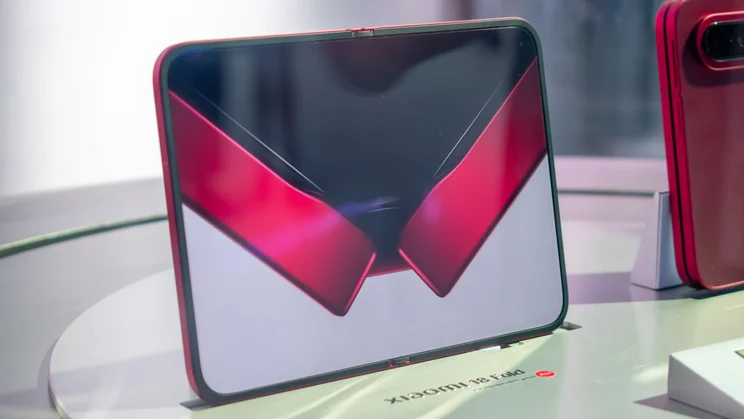
What we do know so far is how it looks. As mentioned, it’s passport-style like the Samsung Galaxy Z Fold 8 and the leaked designs of the iPhone Fold – this shape is clearly in vogue right now, and Xiaomi is getting in just above the ground floor. I was a big fan of this format in my Z Fold 8 review, as it makes for more comfortable one-handed use and split-screen feels less cramped on the main display compared to more squareish rivals.
I didn’t get the exact measurements but the Xiaomi 18 Fold looks roughly the same as the Samsung, though perhaps a little smaller. There is definitely room for some foldable sizes between the standard book-style and the more compact clamshell models, so if Xiaomi is experimenting with a slightly more pocketable foldable, I’m all for it.
Design and cameras
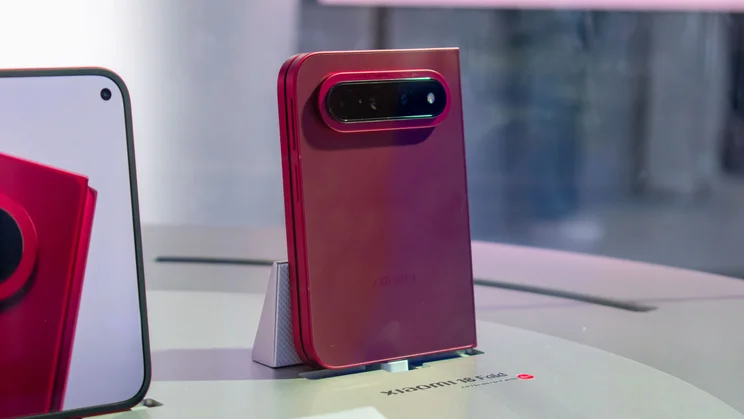
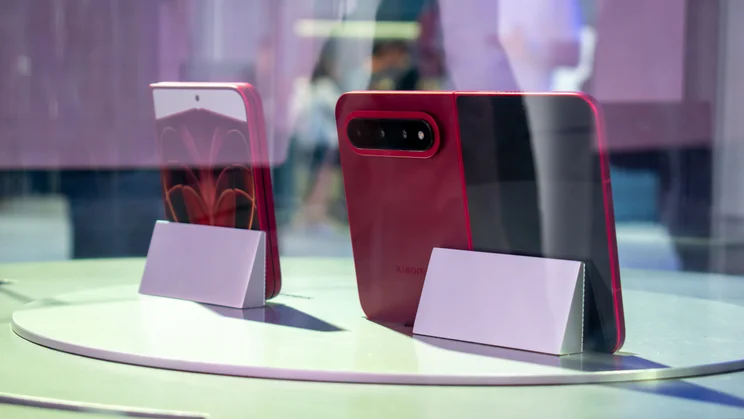
The design is more like the old Pixel Fold than the Galaxy Z Fold 8, with an asymmetrical design when closed that sees the hinged edge flat with 90-degree corners while the other side is more rounded. I don’t love this look personally but it does at least mean nicely rounded corners when you’re using the main display unfolded. I only saw one colour at the event, the pinky red seen here, but it’s certainly eye-catching. Here’s hoping that it’s one of several punchy shades, as Samsung’s palette set a high bar earlier this summer.
One notable advantage that the 18 Fold has over the Z Fold 8 is the cameras. The Z Fold 8’s lack of a telephoto camera was one of its biggest shortcomings for me, so I was elated to see three lenses on the back of the 18 Fold. There were no official specs unveiled at the event but if I had to guess, I’d wager that this will likely be the same zoom camera that appears on the Xiaomi 18 (likely a 3.5x optical zoom) rather than matching the photography prowess of the Ultra model.
Things are really heating up in the foldable game this year, with new formats, new players and old rivalries reaching new heights. I’m here to cover all of it. Check back in soon to see what I make of the Xiaomi 18 Fold when I put it through testing.