To help us provide you with free impartial advice, we may earn a commission if you buy through links on our site. Learn more






- Flawless OLED display
- Excellent cameras
- Qi2.2 wireless charging
- Fingerprint magnet
- Rivals are faster
- Battery life still isn’t great
The Google Pixel 11 is, in many ways, an objective improvement over its predecessor. The search giant’s entry-level flagship smartphone builds on the positives of last year’s Google Pixel 10 with better wireless charging, higher storage variants, another fantastic display and, as is always the case with Google phones, an outstanding suite of cameras.
Performance and battery life are better than the previous generation but the competition remains quite far ahead in both regards – if you value powerful performance and extensive stamina, this one simply isn’t for you.
Those who prioritise camera quality and display excellence, however, will find the Google Pixel 11 to be a great pick, as will anyone who is particularly interested in on-device AI; Google’s Gemini installation is the most effective of any phone AI package, and it annoys me the least.

Google Pixel 11: What you need to know
The big news this year is that the entry-level 128GB model has been discontinued, meaning that the Pixel 11 now starts with 256GB of storage. Google has also added a 512GB variant, for those with higher storage needs. Both versions are paired with 12GB of RAM and the new 4.11GHz Tensor G6 chipset.
The battery is marginally larger than last year’s – 4,985mAh, compared to 4,970mAh – and it now supports the faster Qi2.2 wireless charging, up to 25W. Wired charging remains at the same 30W maximum as before.
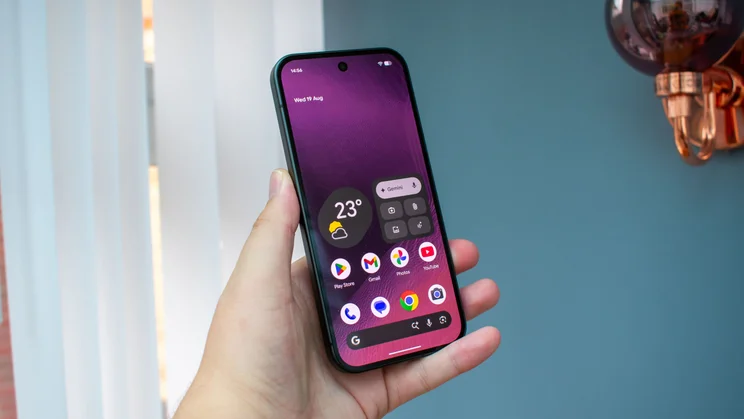
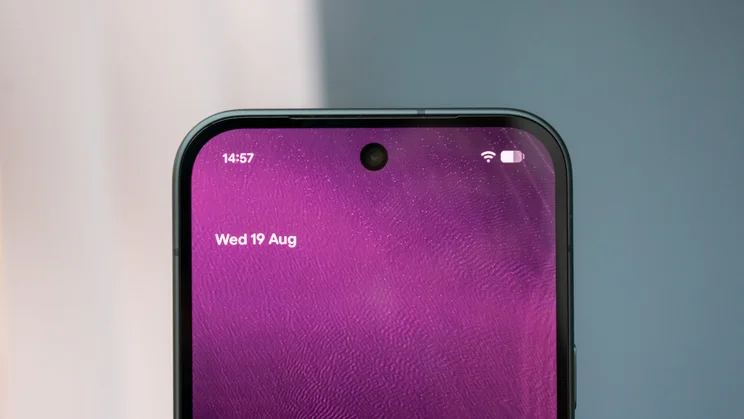
Also identical is the display – a 6.3in OLED with a 2,424 x 1,080 resolution and 120Hz refresh rate – and the camera array. There’s a 10.5-megapixel selfie shooter atop the display, and over on the rear is a 48-megapixel main lens accompanied by a 10.8-megapixel 5x telephoto and a 13-megapixel ultrawide.
Price and competition
With the removal of the 128GB model also comes a higher starting price. The good news is that the 256GB version is slightly cheaper than last year’s, costing £879 instead of £899. The new 512GB variant, on the other hand, will set you back £999.
The Pixel’s two key competitors are a little cheaper at the time of writing, with the Samsung Galaxy S26 starting at £779 and the iPhone 17 costing £799 – both with 256GB of storage. The iPhone range is due a refresh very soon, however, so it remains to be seen how much you’ll need to pay for a brand-new iPhone 18.
The Honor 600 Pro and Xiaomi 17T Pro both started a little higher than the Pixel 11 but have been discounted since launch. You can now nab the Honor with 512GB of storage for £699, while the Xiaomi is currently just £599 for the 256GB model or £649 for the 512GB.
Design and key features
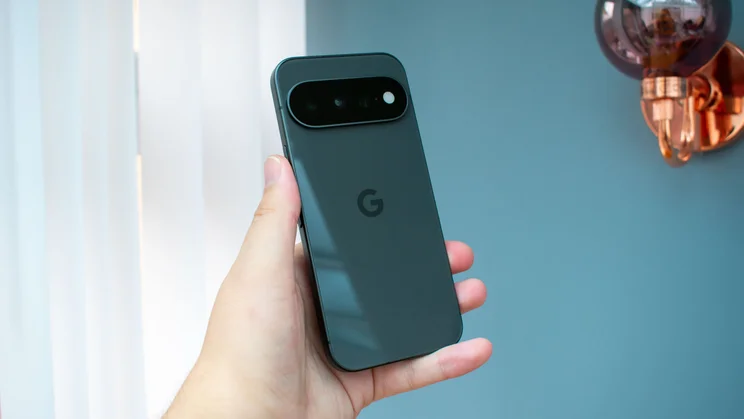
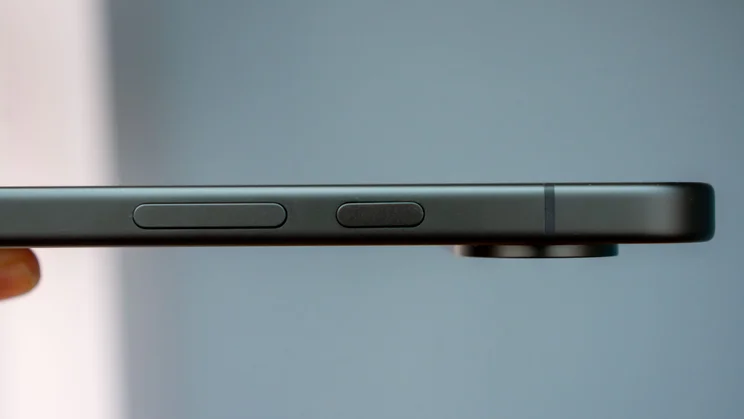
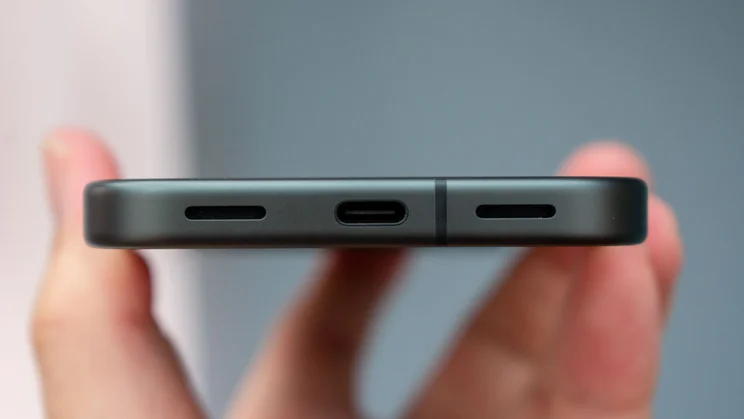
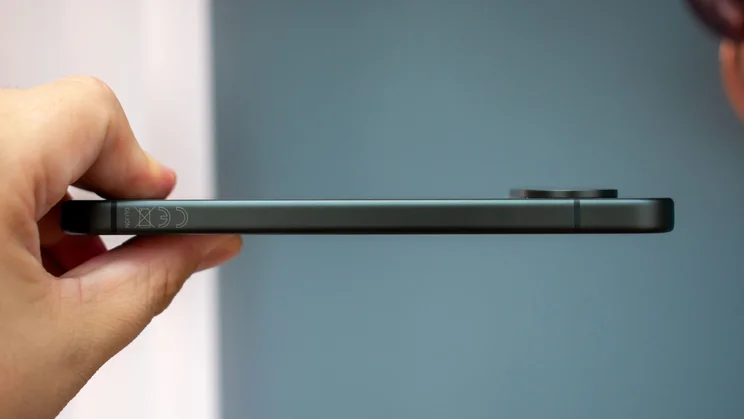
The Pixel 11 has the exact same dimensions as the Pixel 10, measuring 72 x 8.6 x 153mm (WDH), but it weighs a little less, at 197g compared to 204g. The frame is once again matte aluminium, rated IP68 for dust and water resistance, and there’s a layer of Gorilla Glass Victus 2 on the front and rear for scratch protection.
I’d really have liked it if Google had replaced the glossy rear glass with the same matte variety that you get on the Pro Pixels – not only does it feel far more premium, it also sidesteps the issue of fingerprint smudges, which is a common complaint with the Pixel 11.
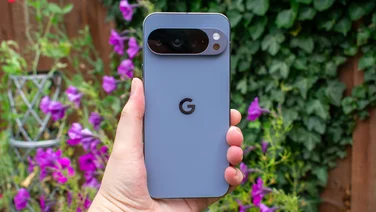
There are four colours to choose from this year: my review sample came in the returning favourite Obsidian but you can also opt for the lilac Frost, shocking pink Hibiscus or Pistachio green.
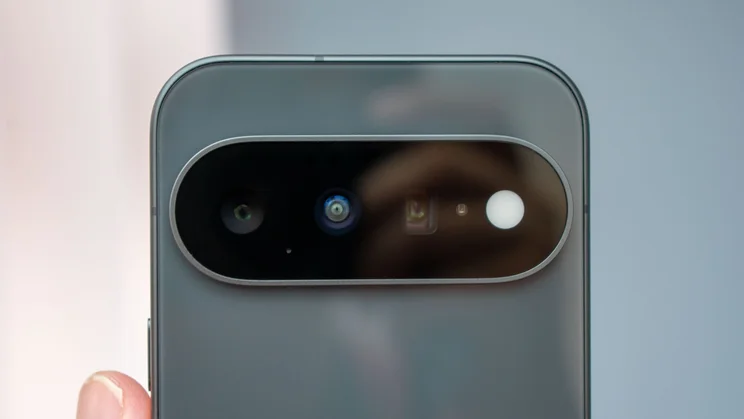
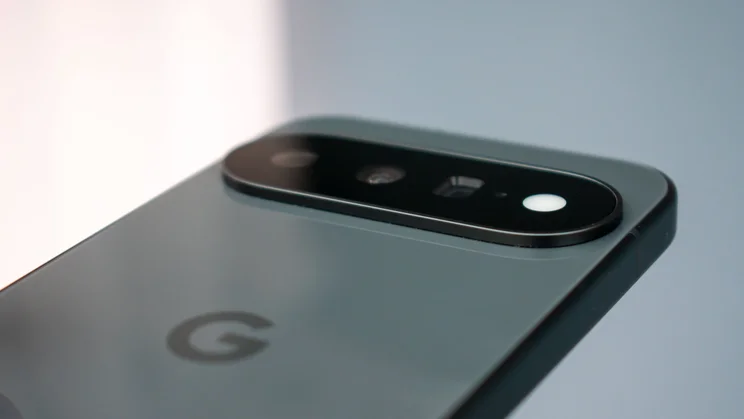
Colours aside, there are just a few small differences to the design: the camera bar has been slimmed down a little – it’s now the most low-profile of any Pixel to date – and like the Pro models, the previous metal panel around the flash has been replaced with an all-glass look. This fits fine enough on my black model but it makes the camera module look a little tacked-on when contrasted against a rich green or punchy pink.
Also notably absent from the camera bar is the HiLight LED array around the flash – one of the few new features that dropped with the Pro models. This is essentially a somewhat flashy (heh) notification light that, at launch, has just two uses: flashing a select colour to indicate which of your contacts is calling you, and demonstrating that Gemini is listening and responding to you. It doesn’t even flash for texts yet (though this incredibly basic feature is coming soon, apparently) so I don’t think it’s much of a loss to omit it here.
Otherwise, the features are the same as last year, with support for Bluetooth 6.0 and Wi-Fi 6E – Wi-Fi 7 is still being held back as a Pro-exclusive – a nippy fingerprint sensor beneath the display, reliable face unlocking via the selfie camera and Pixelsnap magnets on the rear.
The software starts with Android 17 and Google has once again pledged a seven-year update roadmap, delivering OS updates, security patches and Pixel Drops until 2033. Gemini continues to be a slick and consistent AI assistant for those who value such things, seamlessly liaising across Google apps like Messages, Gmail, Calendar and Maps to coordinate and integrate your plans and requests with little restriction. I’m still not a fan of the concept in general but anyone who disagrees with me will find this to be a major benefit of the Pixel 11.
Display
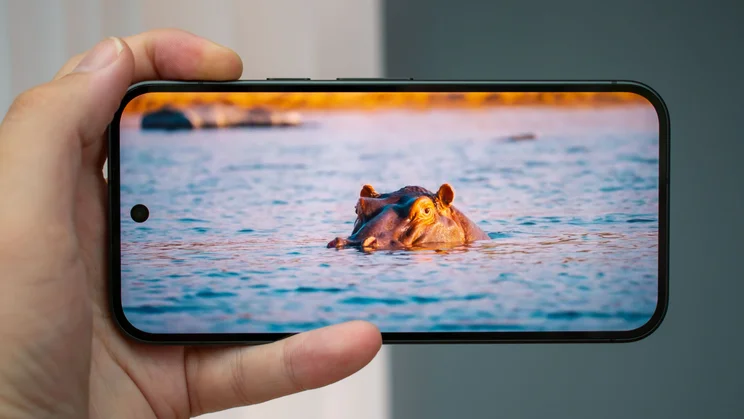
The 6.3in OLED display has the same specs as last year’s model, with a 2,424 x 1,080 resolution and a refresh rate that can adjust between 60 and 120Hz. Peak brightness remains one of the strongest points of Pixel phones, with the Pixel 11 reaching an outstanding 1,300cd/m2 on manual brightness in my testing. Switching to adaptive and shining a torch on it pushed this up to 1,447cd/m2, and it topped out when displaying HDR content, where it reached 1,869cd/m2.
Just as impressive as the brightness is the colour accuracy. The Adaptive colours profile is on by default, and keeps everything looking punchy and vibrant, but if you want authentic sRGB reproduction, switch to the Natural profile instead. Here, I recorded a gamut coverage of 98.1% against a volume of 99.1% – which is better than the results I got from the Pixel 11 Pro XL – and the average Delta E came back at just 0.67. I’m looking for 1 or under here so that speaks to fantastic colour accuracy.
Performance and battery life
Compared to its predecessor, the new seven-core Tensor G6 processor delivered a modest improvement to CPU speeds in my testing. Running the Geekbench 6 benchmarks, it beat the Pixel 10 by 15% in the single-core stakes and 8% in the multi-core.
As you can see below, however, these improved speeds still don’t put the Pixel 11 anywhere near the competition. The Galaxy S26 beats its multi-core score by 64%, the iPhone 17 by 49%, the Xiaomi 17T Pro by 45% and the Honor 600 Pro, the next-weakest, is still 11% ahead of the Pixel.
To put these numbers into perspective, this does not mean that the Pixel 11 is slow. Far from it, this is a smooth and efficient performer for the most part, hopping between apps seamlessly and avoiding lag and slowdown when running intense software. For most people’s daily use, the Pixel is likely all that you need. Those who use their phones for work regularly, or habitually edit 4K video, perhaps, will want to opt for something with a bit more oomph.
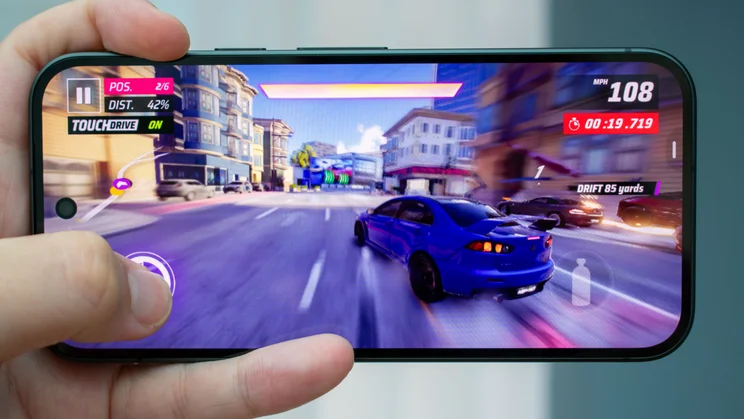
The same holds true on the gaming side of things. Casual and medium-heavy gamers alike will get on fine with the Pixel 11, and I was able to play a few rounds of Asphalt Legends without issue. But those who use their phone as their primary gaming machine will find that the Galaxy S26 or the Honor 600 Pro are better suited to intense bouts of COD: Mobile.
Of Google’s previous crop of phones, the Pixel 10 was the one most in need of a battery life boost. I won’t go as far as to say that the Pixel 11 completely solves this issue, but it is at least better than its predecessor.
The Pixel 11 ran my standard looping video battery test for 25hrs 25mins before tapping out, which is roughly three hours longer than its predecessor and around the same amount of time that the Pixel 11 Pro XL lasted.
This is good battery life, enough to see you through a day of moderate use with something left in the tank by bed-time. Just like the performance, there’s a big swathe of the population who will get on with this stamina just fine. Again, though, anyone whose daily screentime extends past five hours or so may find that the Pixel 11 can’t quite keep up.
The upgrade to Qi2.2 wireless charging is a nice touch, bringing the Pixel 11 in line with its Pro siblings, and the 30W wired charging is decent enough, bringing the battery from empty to 55% in 30 minutes and hitting 100% after around 1hr 15mins.
Cameras
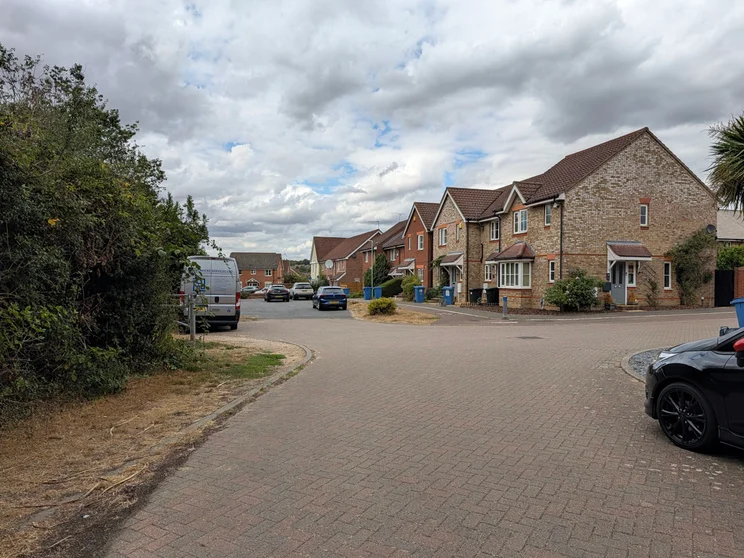
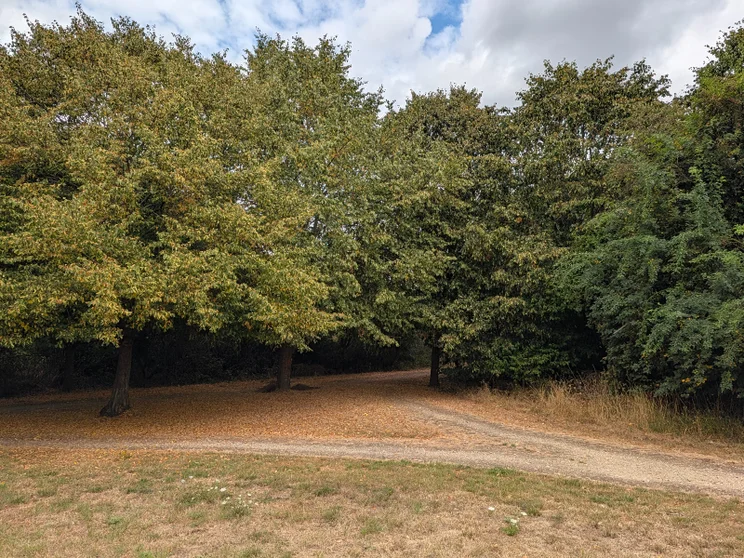
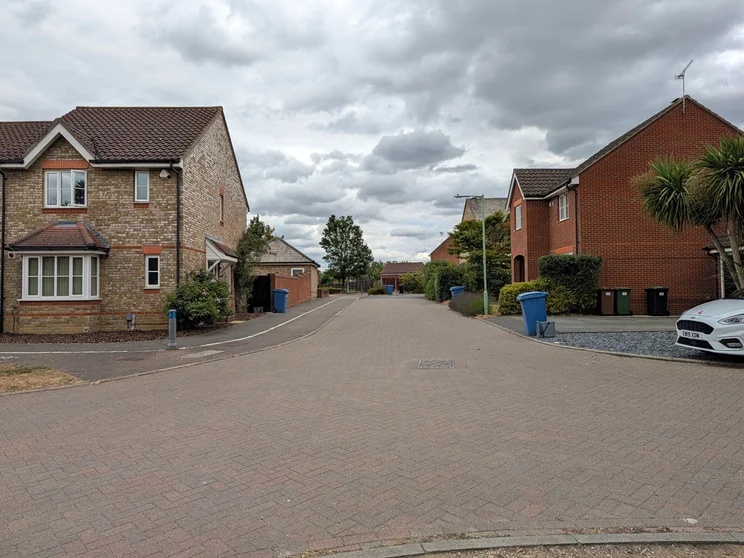
While the camera loadout is almost identical to those on the Pixel 10, the 48-megapixel (f/1.7) main camera has been fitted with a larger image sensor, now 1/1.56in, compared to last year’s 1/2.0in sensor. Results look as crisp and punchy as ever, with broad dynamic range and fantastic detail.
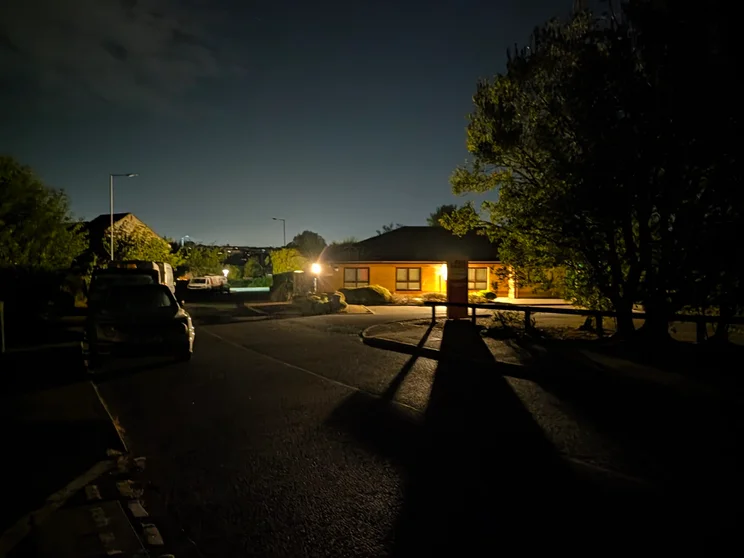
I like the night photography, too; colours are nicely natural and the artificial brightening is very effective while still keeping the sky clear of visual noise. If you’re shooting a frame with artificial light sources, these are handled well, too: I aimed the lens directly at the only light source on this particularly dark night and the resulting bloom was contained and unobtrusive.
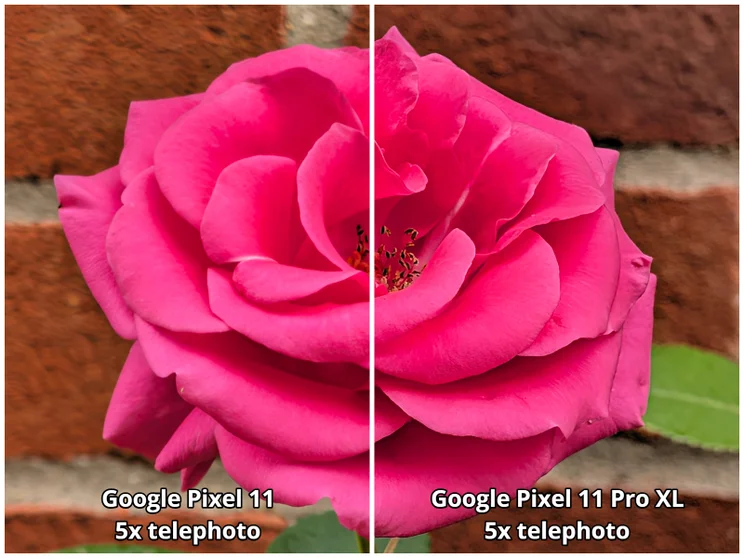
The 10.8-megapixel (f/3.1) 5x telephoto camera is unchanged from last year but it’s still very good for this kind of money. As you can see below, it doesn’t achieve quite the same level of clarity that you get from the Pro models and their superior 48-megapixel sensor, but the fact that it’s this close is impressive.
The maximum digital zoom has been upped from 20x to 30x for this generation. The quality you get at the full reach isn’t amazing but it retains enough clarity to be worth the inclusion. If you want anything better, you’ll need to fork out for a Pro.
The 13-megapixel (f/2.2) ultrawide manages to keep its colour tone consistent with the main camera and delivers a decent amount of detail in the centre of the frame. Things drop off a little towards the edges but, for the most part, this is a solid wide-angle lens.
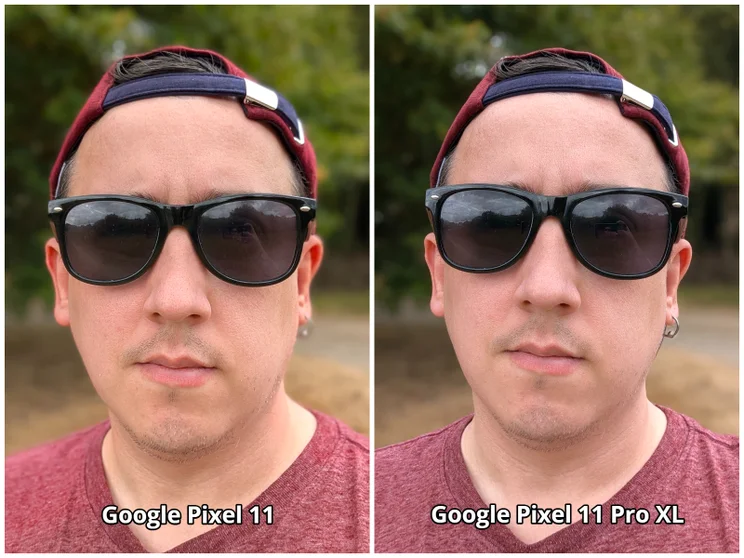
Selfies captured with the 10.5-megapixel front-facing lens are generally solid, too. There’s good focus around the subject and a smooth background blur when using the portrait function. Skin tones are mostly on the money though, as you can see below, it’s just a little off from the results of the Pro models, which I consider to be more accurate overall.
Video remains very good, shooting 10-bit HDR in 4K up to 60fps, and there’s a new dynamic feature this year that should take some of the burden off your shoulders when filming special events. Magic Capture is a set-and-forget feature that records video and automatically pulls high-quality photos from it, allowing you to get footage and photos from birthdays and the like without having to stare at your phone screen the whole time – and if you don’t like its picks, you can scrub through and select your own.
Google Pixel 11: Verdict
There’s a lot to like about the Google Pixel 11. Its display is simply phenomenal: bright, colour-accurate and beautifully responsive. The cameras are some of the best you can get for this kind of money, the Qi2.2 wireless charging is an excellent addition and those who are drawn to the siren’s call of on-device AI will find none better than Google’s own Gemini assistant.
Performance and battery life, while quite far behind the competition, are reasonable enough that most users won’t feel the impact in daily use. This is still the biggest sticking point, however – you’re paying quite a lot for the privilege here, so it does feel a little grating that Google can’t match the prowess of its rivals in two such fundamental areas.