To help us provide you with free impartial advice, we may earn a commission if you buy through links on our site. Learn more
- Superb camera
- Smaller and more useful Dynamic Island
- Excellent performance and stamina
- Modest step up from iPhone 17 Pro
- More expensive than last year’s model
- Colour options play it safe
It’s been a somewhat different year for the iPhone. That’s not only because Apple finally announced a folding model in the iPhone Duo, but also because it didn’t announce a regular model to steal any remaining limelight from the iPhone 18 Pro and iPhone 18 Pro Max, as the iPhone 17 did in 2025.
Despite having one fewer phone to compete with, though, the iPhone Pro has a bit of an image problem this year, through no fault of its own.
It still brings its A-game, but against the folding iPhone Duo, the super-skinny iPhone Air, and the brilliant-value iPhone 17, it initially seems a little, dare I say, boring. It doesn’t bend, it isn’t as thin as a pound coin, and it most definitely isn’t cheap, but the iPhone 18 Pro shouldn’t be overlooked. There’s a lot to love, and in several areas, the iPhone 18 Pro delivers the best Apple has to give.
Whether it’s worth buying depends on what phone you have now. If you picked up an iPhone 17 Pro last year, you can happily forget this model and keep scrolling. If you’re coming from something older, or you’re new to iPhone altogether, stick around. I’ve used the iPhone 18 Pro as my main phone since it was announced, and here’s why it deserves more attention than it’s getting.
What you need to know
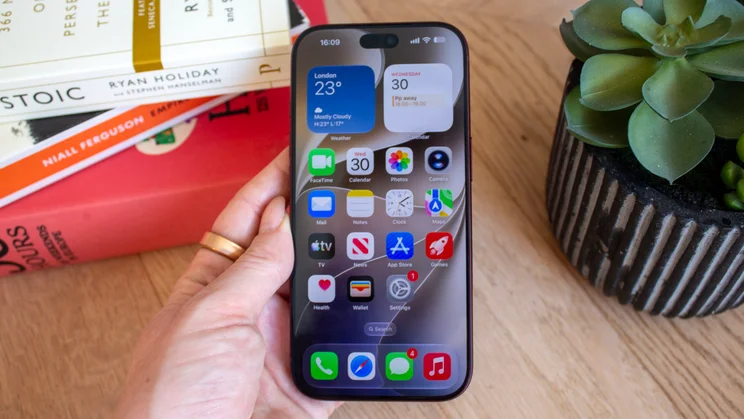
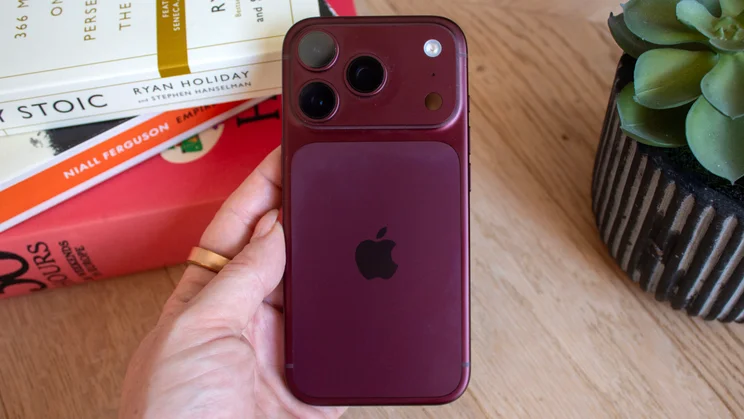
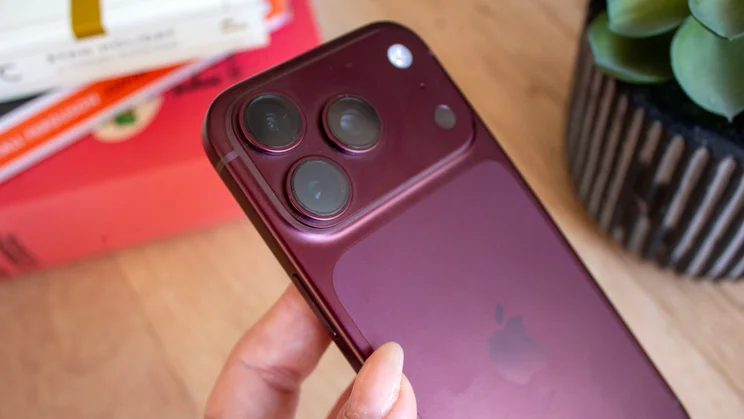
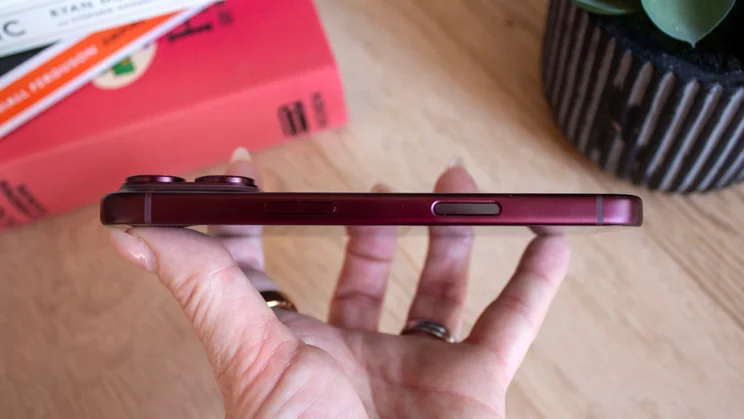
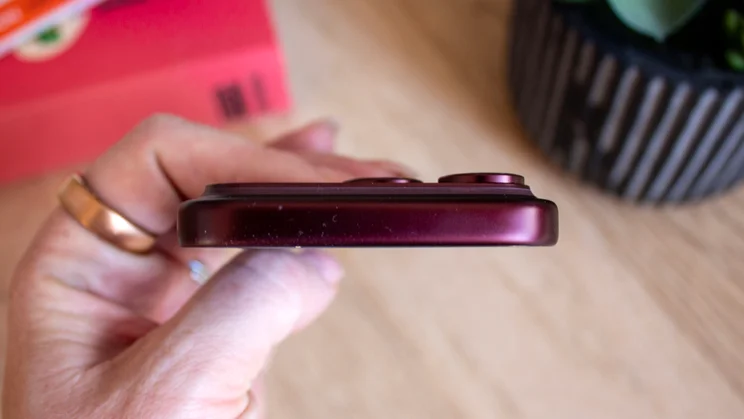
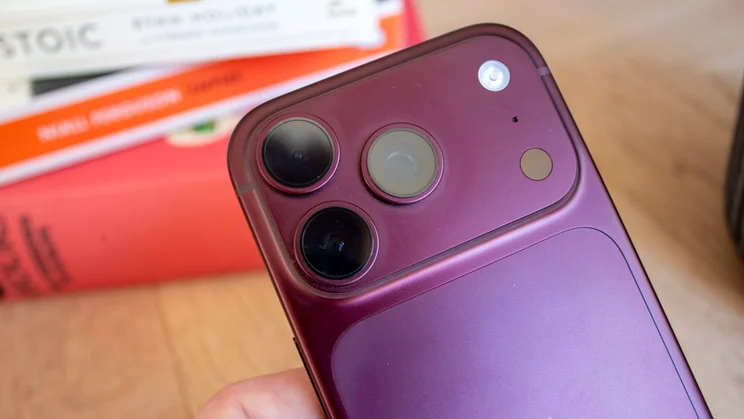
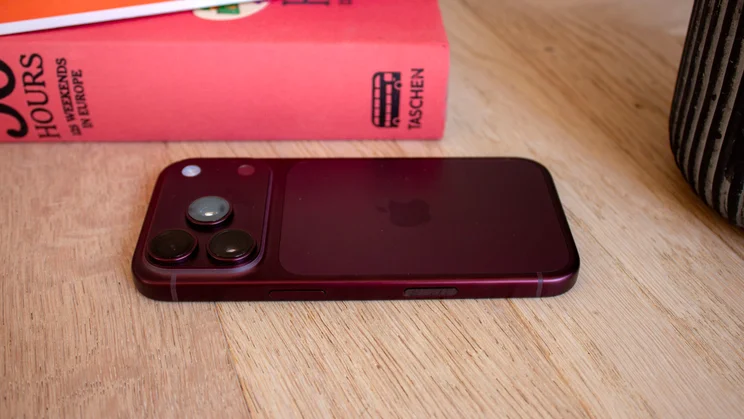
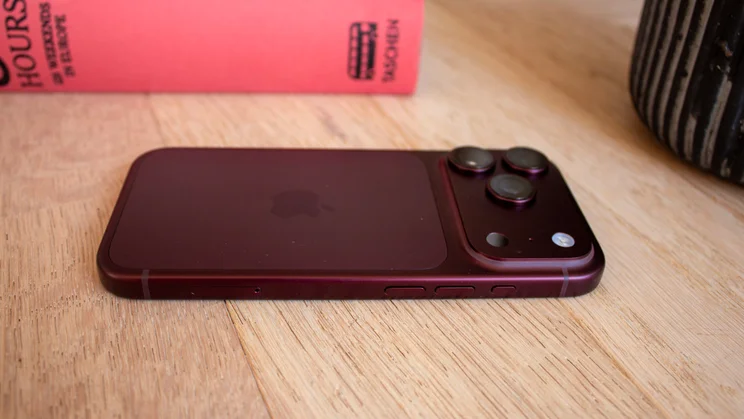
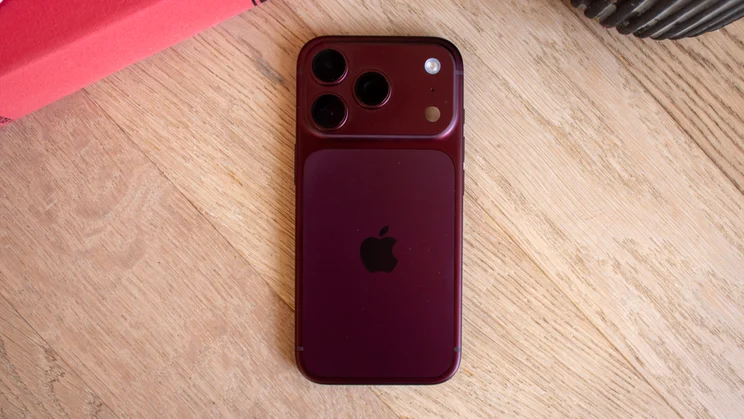
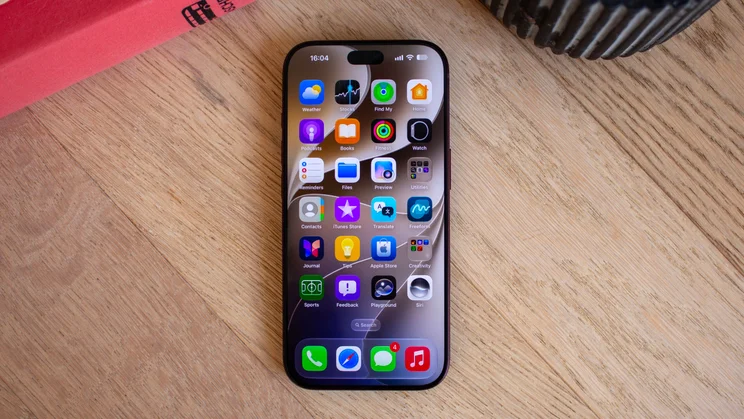
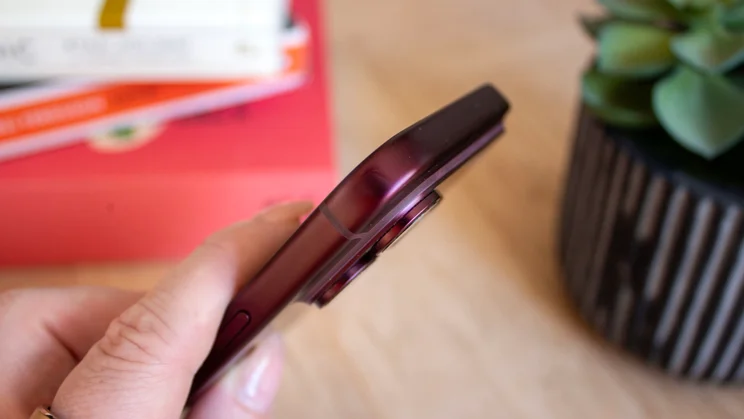
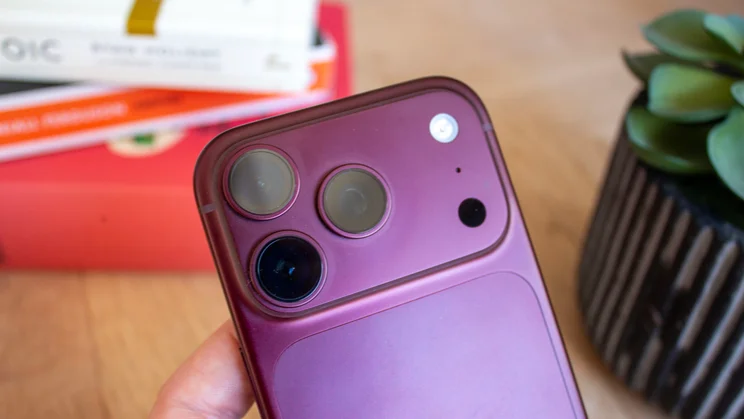
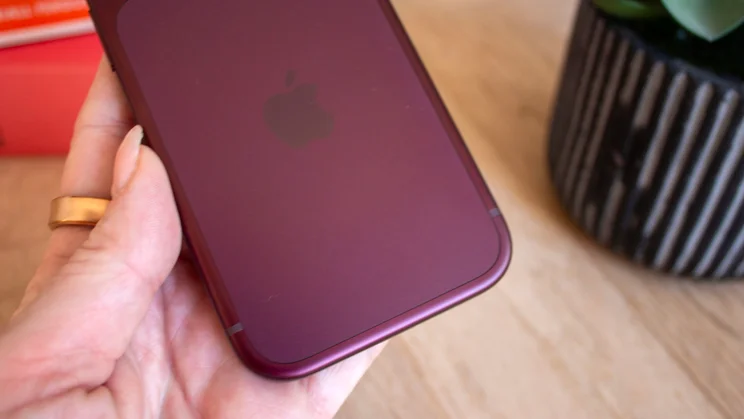
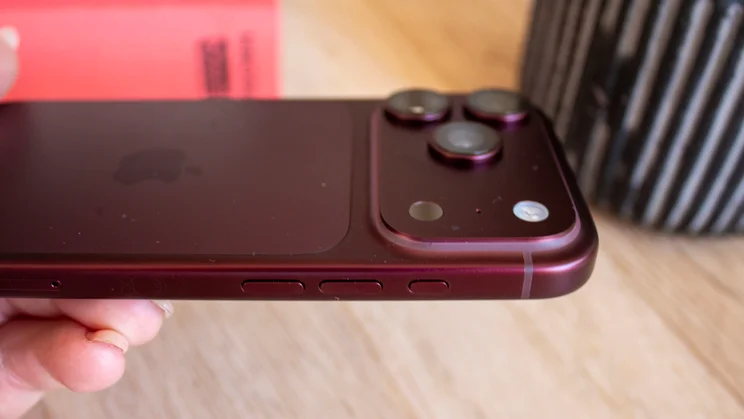
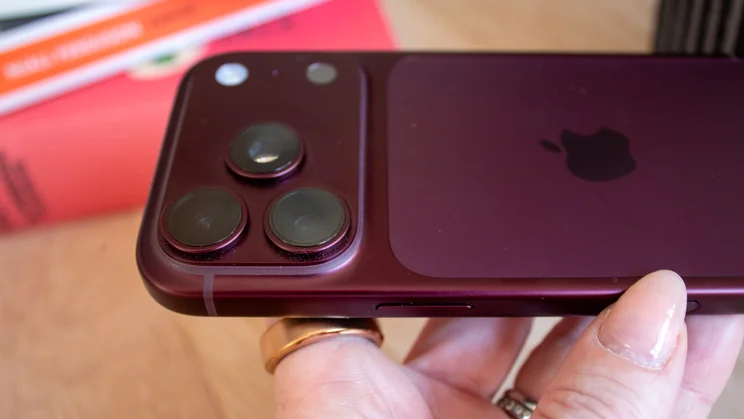
On the surface, the Apple iPhone 18 Pro looks remarkably like the phone it succeeds. The plateau camera bump remains, spanning the width of the rear at the top, and the screen sticks with a compact 6.3in. The back is more seamless, though, with the glass now colour-matched to the aluminium frame, which tones down the dual-material finish I wasn’t sold on last year.
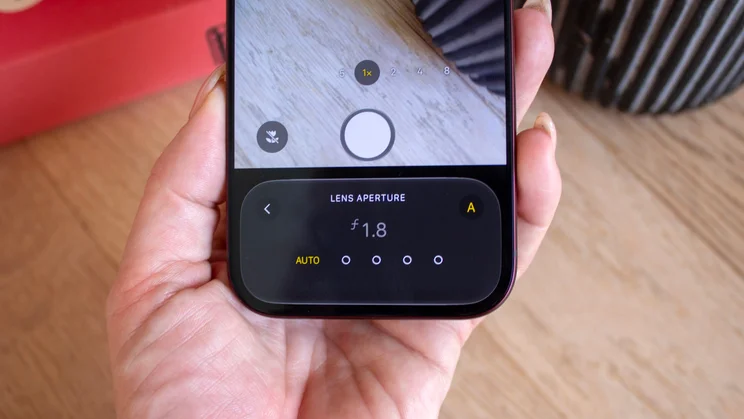
The main difference is in the camera, though. The 48MP main sensor gains a mechanical variable aperture with six physical blades that open and close to move between f/1.48, f/1.8, f/2.8 and f/4.0. It sounds like something only photographers might care about, but it makes a noticeable difference to everyday snaps, even when left in automatic mode.
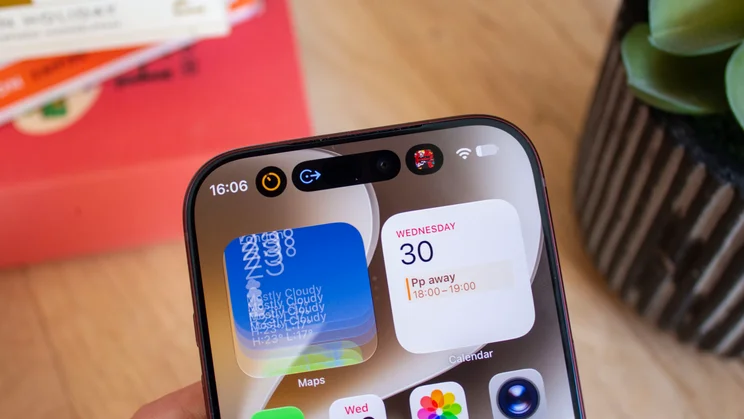
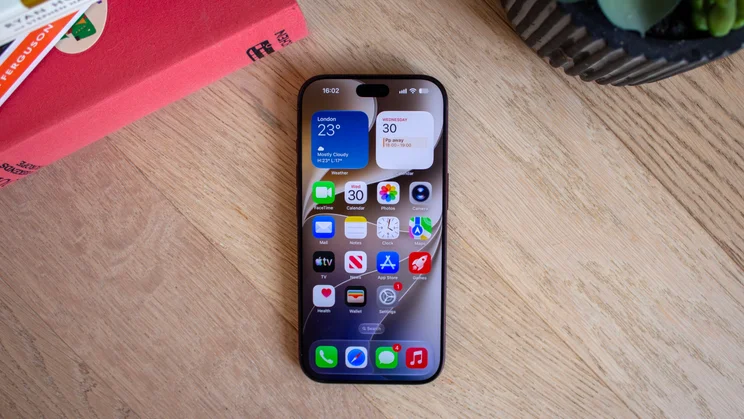
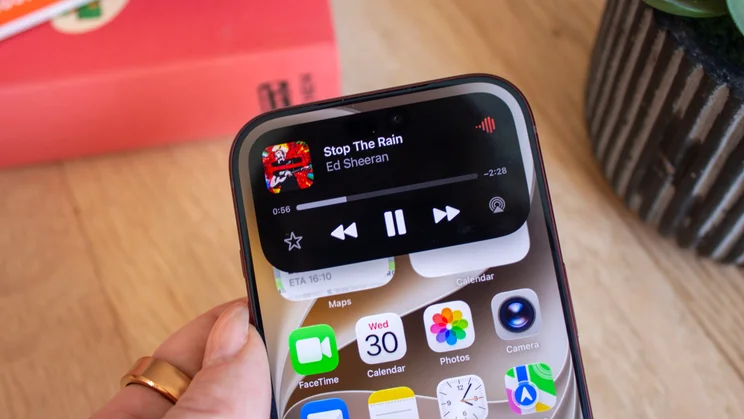
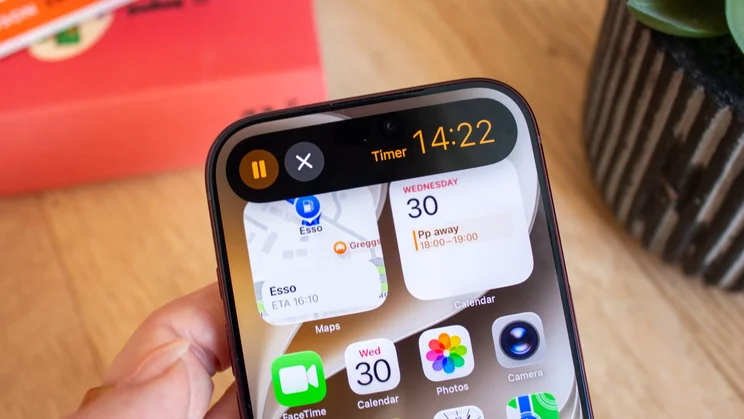
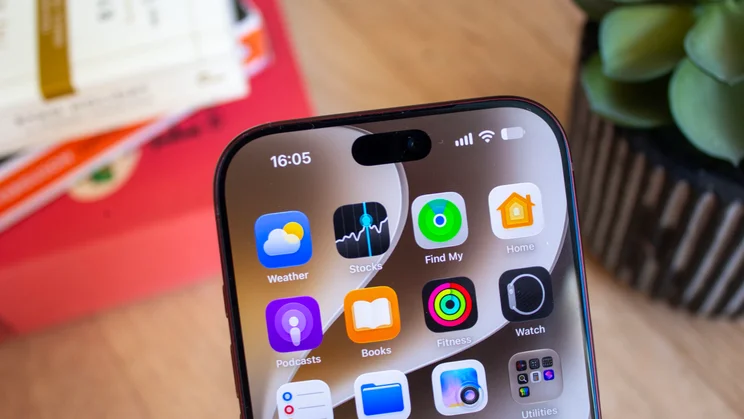
The other notable change is the Dynamic Island, which is about 25 per cent smaller than before and can now handle three Live Activities at once, rather than two. I’ve used the Dynamic Island regularly since it launched on the iPhone 14 Pro, and over the past few weeks I’ve come to really appreciate the extra slot for multitasking.
Beneath the surface, there’s the new A20 Pro chip built on a 2-nanometre process, paired with a redesigned vapour chamber that’s said to have three times the surface area of the one in the iPhone 17 Pro. Battery life has taken a leap, too, with Apple claiming up to 36 hours of video playback, and wired charging is now faster, supporting 60W and reaching 50 per cent in around 15 minutes.
There’s also Apple’s new C2 modem, and the iPhone 18 Pro arrives with iOS 27 and the long-awaited Siri AI. I’ll come back to that, but it’s a huge improvement on the Siri we’ve all been putting up with for the past 15 years. Overall, the changes are relatively minor compared with the iPhone 17 Pro, but in practice they add up to deliver an excellent experience.
Price and competition
The Apple iPhone 18 Pro starts at £1,199 for 256GB of storage, with 512GB, 1TB and 2TB options above that for anyone, like me, whose photo library has spiralled out of control (over 70,000 and counting here). That’s £100 more than the iPhone 17 Pro cost at launch, so the price has crept up this year, unfortunately, just as it has with Apple’s iPads and Macs. It comes in four colours: Black, Silver, Glacier (a pale blue) and Burgundy.
The biggest rivals come from Apple’s own portfolio. The iPhone Duo, which will start at £1,999 and arrive in mid-October, is the more exciting phone, but it lacks a dedicated telephoto lens, swaps Face ID for Touch ID, and omits the Action Button and the higher-resolution front camera. If you want to fold your iPhone, it’s the Duo or nothing, but if you want the best iPhone camera, it’s always going to be the Pro, and that’s especially true for the iPhone 18 Pro.
The iPhone Air remains a stunning piece of engineering, but it can’t match the iPhone 18 Pro in either power or battery life. Then there’s the iPhone 17, which I said earlier this year was the iPhone most people should buy, and I stand by that. It’s a much cheaper phone that shares many of the Pro’s best features.
Outside Apple, the obvious alternatives are Samsung’s Galaxy S26 Ultra, and Google’s Pixel 11 Pro XL, both of which start at £1,279. The latter improved on its predecessor but still fell short of the very best in our testing. You might also consider the Xiaomi 17 Ultra or Oppo Find X9 Ultra. If you already know you want an iPhone, though, the bigger question is whether the Pro is worth paying extra for over Apple’s cheaper models.
Design
I’ll be the first to admit I wasn’t a fan of the two-tone finish on last year’s redesigned Pro models. I was fine with the plateau (despite it picking up scuffs easily), particularly because it reduces wobble when the phone is on a table, but the contrast between the glass panel and the rest of the frame was far from my favourite iPhone design in the past 19 years.
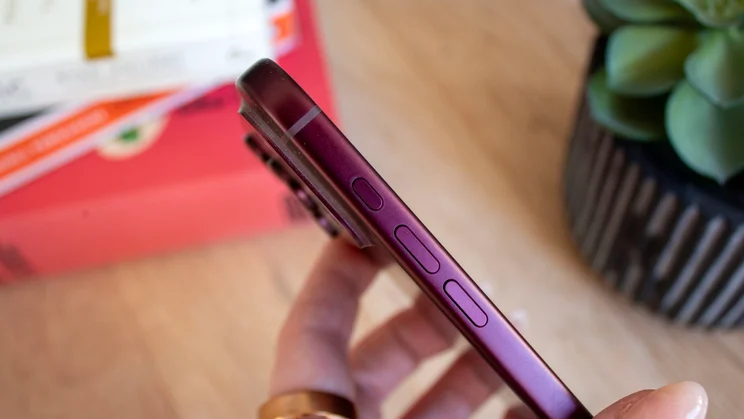
The iPhone 18 Pro doesn’t ditch the plateau, but it does refine the rest of the rear. The unibody is still aluminium (sadly, Apple didn’t switch back to the more durable titanium of the iPhone 16 Pro), but the back glass now matches the frame, so the rear looks more consistent. It’s a subtle change that’s easy to miss, but in the flesh it looks and feels much nicer.
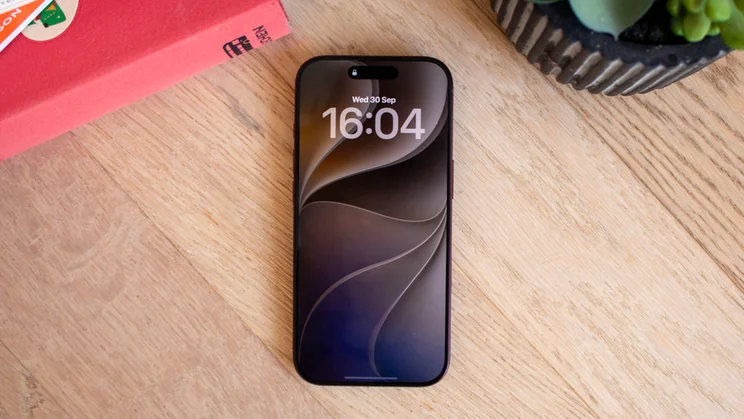
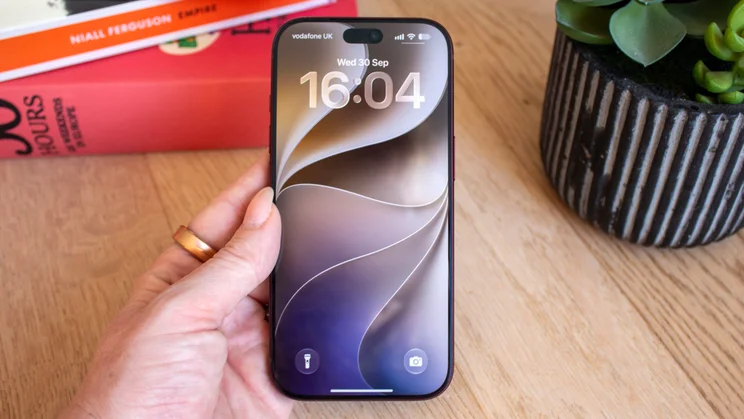
I’m less enthusiastic about the colours, though. Cosmic Orange has been everywhere over the past year, and for good reason: it was bold, bright, and one of Apple’s best finishes (even if it highlighted the two-tone design more than any other colour). There’s nothing quite as striking this year. Burgundy is lovely, and Glacier is fresh, but both feel safer than the iPhone 17 Pro’s vibrant orange. The good news for those who don’t want their phone to have any colour, though, is that Black is back after Apple controversially left it out of the iPhone 17 Pro range.
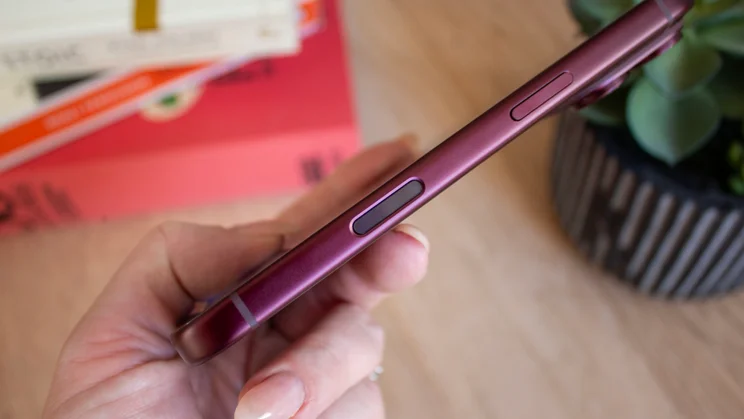
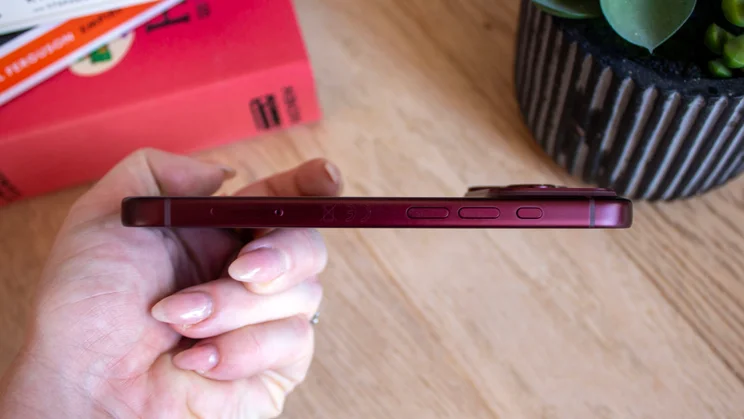
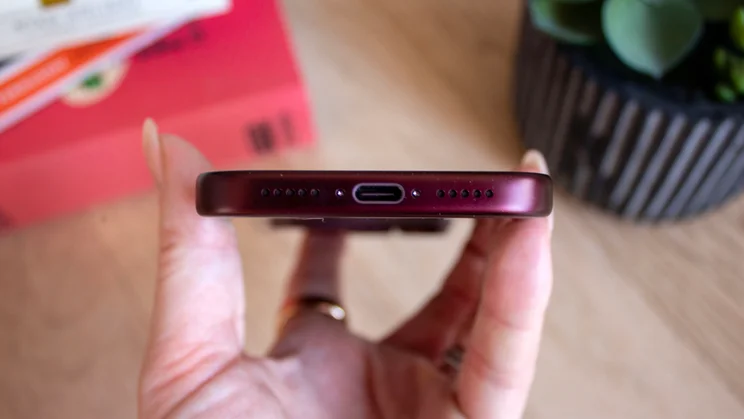
Elsewhere, the iPhone 18 Pro is slightly heavier than the iPhone 17 Pro. It’s unlikely to bother most people, given the 6.3in screen keeps this model a comfortable size for one-handed use, though I did notice the weight. The Action Button and Camera Control remain unchanged, with nothing new to write home about. I use both multiple times a day, though, so I’d miss them if either were removed. Meanwhile, in terms of protection, you’ll find Ceramic Shield 2 on the front and Ceramic Shield on the back, and so far there are no scratches to report.
Display
The Apple iPhone 18 Pro’s 6.3in Super Retina XDR display has a resolution of 2,622 x 1,206 pixels (460ppi) and still offers everything that made last year’s screen so great. It has 120Hz ProMotion for smooth scrolling and gaming, an Always-On display to show certain information and notifications without waking the screen, and a peak outdoor brightness of 3,000 nits for easy viewing in bright conditions. The brightness also drops right down to 1 nit, which is brilliant for night-time viewing.
It’s a gorgeous screen. Colours are vivid, blacks are deep, and whites are lovely and bright. Apple says the anti-reflective coating on the iPhone 18 Pro has been improved, with twice the outdoor contrast and 35 per cent fewer reflections than the iPhone 16 Pro. It’s not the matte finish of the iPhone Duo’s internal display, but I have found it less reflective than previous models.
As I mentioned, though, the main upgrade is Dynamic Island. Apple moved the infrared camera for Face ID behind the display, allowing it to reduce the Dynamic Island cutout at the top by around 25 per cent compared with the iPhone 17 Pro. I can’t say I ever found it too big on last year’s iPhone, but I’m always happy to have more screen and less distraction.
It’s also more useful, despite that size reduction. It can now handle three Live Activities at once, so I can run a timer, music, and navigation simultaneously and expand any of them while I’m doing something else on the main display. I use Dynamic Island hundreds of times a day, usually for music and phone call control, so I’m all for the third slot. It’s also one of the few new features you’ll only get on the iPhone 18 Pro, rather than on older iPhones via iOS 27.
Cameras
When Apple announced a variable aperture for the iPhone 18 Pro’s main camera, my first thought was that it sounded like a gimmick. Part of the joy of an iPhone camera has always been that you can point it at something, tap the shutter button without much thought, and come away with a decent photo. I’m no photographer, and I worried the variable aperture would add unnecessary complexity and chip away at that simplicity.
I was wrong, though. Left in automatic, which is exactly how I, and I suspect most people, will use it, the camera decides which aperture suits the scene based on the light, what’s in the frame, and whether anything is moving. In dim conditions, it opens right up to f/1.48, letting in more light than the iPhone 17 Pro and, in my experience, making Night mode feel fractionally quicker. When there’s plenty of light, it can narrow to f/2.8 or f/4.0 so more of the scene stays in focus.
That’s where I noticed the biggest difference. Daylight shots look better, with more detail visible further back, and not everything behind your subject ends up blurred when you aren’t looking for that effect. Take a photo of a bunch of flowers, for example, and more of the blooms stay in focus than on an older iPhone. It’s especially handy for group photos where people are standing at different distances from the camera. If you do want to get more involved, stopping down to f/4.0 and pointing the camera at a light source creates a starburst effect from the shape of the blades, which works well on something like a bare light bulb.
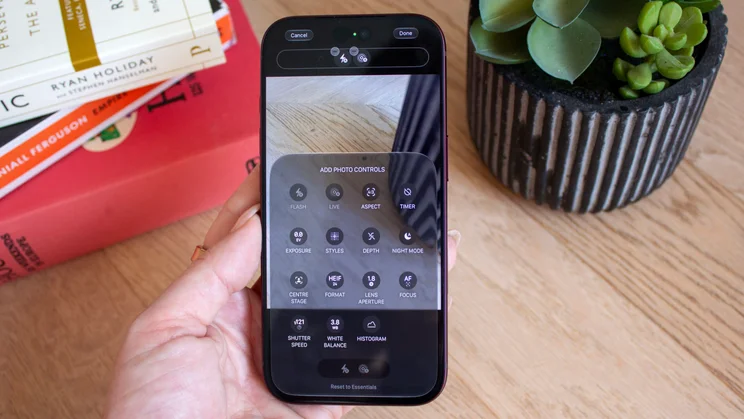
The variable aperture comes with new Pro controls that let you pin settings such as aperture, white balance, and shutter speed to the top of the Camera app, along with a histogram for checking exposure. Previously, you’d have needed a third-party app for most of this. Being able to customise the native Camera app in this way is available only on the iPhone 18 Pro, and while I won’t be fiddling with shutter speed on the school run, I can see keen photographers loving it.
Beyond the main camera, not much has changed. The 48MP ultra-wide and 48MP telephoto are carried over from the iPhone 17 Pro, with the telephoto lens still offering 4x optical zoom and 8x “optical-quality” zoom (though this is really a digital crop). The 18MP Centre Stage front camera is the same too, which I’m thrilled about, as it’s still one of my favourite features on any phone, letting you switch between portrait and landscape selfies without rotating the phone.




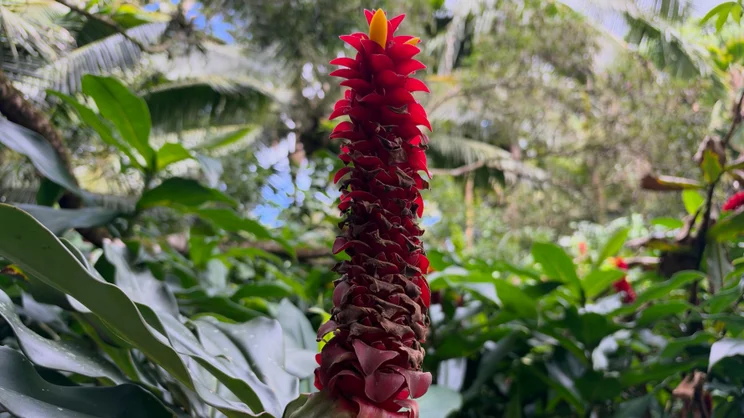


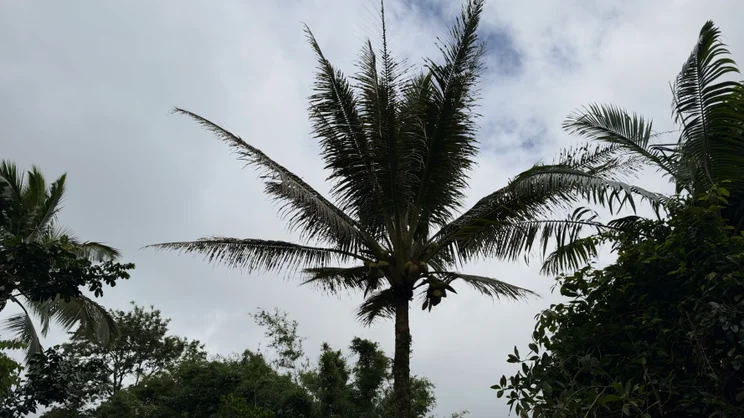
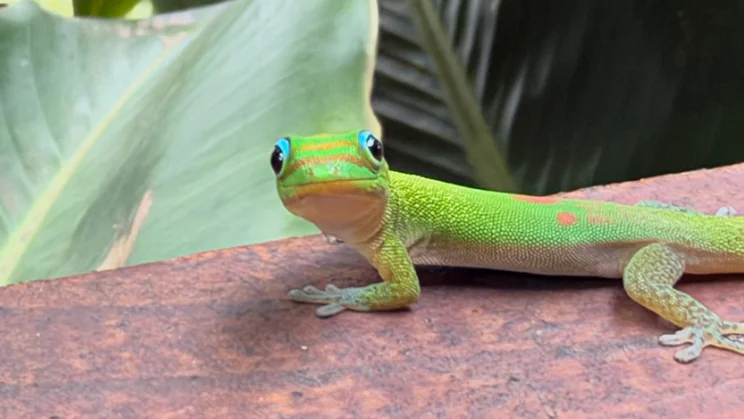

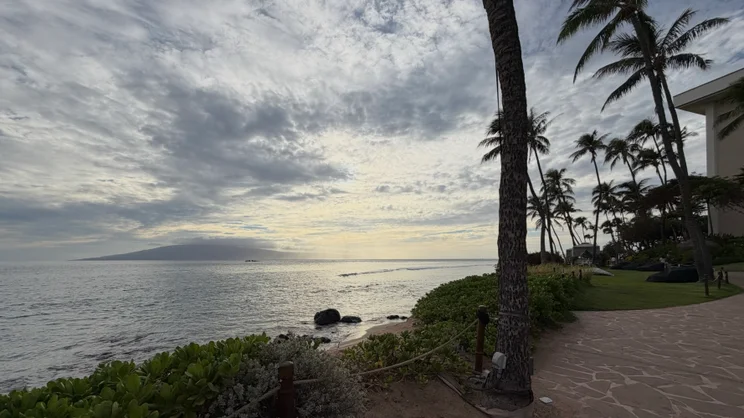

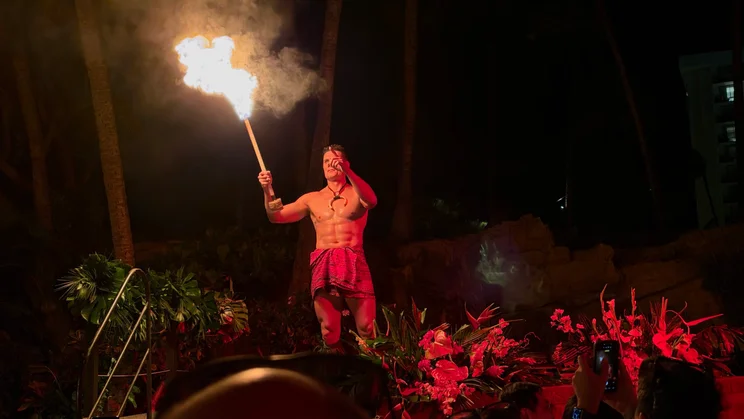

I tested the iPhone 18 Pro side by side with the Samsung Galaxy S26 Ultra, and both produced excellent photos in most lighting conditions. When I moved closer to my subject, though, the iPhone’s variable aperture delivered noticeably clearer results. The telephoto and ultra-wide also continued to impress, with the ultra-wide in particular delivering consistently good colour balance.
Overall, the iPhone 18 Pro takes excellent photos and remains one of the best phones for video. Photographic Styles now include texture and grain controls, you can add Cinematic mode effects to regular videos after you’ve shot them, and Audio Mix can now separate music from background noise. There’s also an opt-in feature called Apple Reference Image, which saves a verified record of what the sensor captured alongside the photo, so you can check later whether an image has been altered – handy in this AI age we have found ourselves in.
Performance and battery life
The iPhone 18 Pro is powered by the A20 Pro chip, which moves to a 2-nanometre process and brings a new CPU, an extra GPU core and a dual 16-core Neural Engine, along with a 50% boost to memory bandwidth. The processor now sits beside the memory rather than underneath it, which is said to help dissipate heat into the new vapour chamber, delivering better sustained performance compared to the iPhone 17 Pro.
In day-to-day use, it’s lovely and speedy. Apps open quickly, switching between them is seamless, and everything runs as smoothly as you’d expect from a phone at this price. Games run well too, and the new cooling setup does a better job of preventing the phone from getting uncomfortably warm in your hand during longer sessions, whether gaming or watching a film.
Battery life is excellent, for now at least. Apple quotes up to 36 hours of video playback for the iPhone 18 Pro and up to 24 hours of typical use per charge. My days usually run from about 6am to midnight, and I was going to bed with around 30 per cent remaining, sometimes a little more, which is roughly five per cent better than I was getting from last year’s Pro at the same point. It takes a few months to get a proper read on a phone’s battery, and I’d expect those figures to dip over time, but you should still get through a full day and into the evening without reaching for a charger.
Charging has also improved. With a compatible 60W power adapter and cable, the iPhone 18 Pro can reach 50 per cent in about 15 minutes via wired charging, five minutes faster than last year. MagSafe charging reaches up to 25W, getting you to 50 per cent in about 30 minutes with a 35W adapter. There’s no plug in the box, though, so you’ll need to buy one if you don’t already have a compatible charger lying around. There are Android phones that last longer and charge faster, but for an iPhone, this is the best we’ve seen so far.
Software
The Apple iPhone 18 Pro runs iOS 27, which brings a handful of welcome improvements, including faster AirDrop transfers, smoother handovers between Wi-Fi and mobile data, and a slider to adjust how see-through the Liquid Glass design is.
Several people told me they found last year’s clear look hard to read, so hopefully that slider sorts that out for those who struggle with its glassy look. You can also finally set your alarm volume separately from your system volume, which, much like last year’s adjustable snooze, is something I am fully in favour of.
The biggest addition in the new software, however, is Siri AI. I’ve been using the iOS 27 beta since WWDC26 in June, and I’ve been pleasantly surprised so far. This is an assistant that once struggled to give me directions, and now it’s dug out an address my hairdresser sent me and navigated me there, tracked down a marinade recipe from my Swedish aunt that my mum messaged me back in 2023, and pulled every date from a school email and added them to my calendar in one go. It helps that I live in Apple’s Messages, Mail and Calendar apps, which gives it plenty of context to work with, but I’ve been impressed across the board.
There are also new photo-editing tools, including Extend, which uses AI to expand the edges of a shot; a Reframe option to change an image’s perspective; and an improved Clean Up to remove objects from the background of a shot. Parents get new controls too, such as Ask to Browse, which sends website requests from your child’s device to your iPhone for approval, much like Ask to Buy does for apps.
Do keep in mind that none of these features are exclusive to the iPhone 18 Pro, however. Siri AI and the new Apple Intelligence features work on any compatible iPhone from the iPhone 15 Pro onwards, and I was happily using Siri AI on my iPhone 17 Pro Max before I switched to review this phone.
Apple iPhone 18 Pro: Verdict
The Apple iPhone 18 Pro isn’t the flashiest phone Apple launched this year, but it is a superb one. The variable aperture adds real versatility to an already excellent camera, the display is gorgeous, the smaller Dynamic Island is more useful than ever, and both performance and battery life are brilliant.
The downsides are minor. The £100 price rise is unfortunate, given the Pro was already expensive; it’s a little heavier; there’s no colour as eye-catching as Cosmic Orange; and it isn’t a big enough leap to justify replacing an iPhone 17 Pro. If that’s what’s in your pocket, save your money and see what Apple has planned for the iPhone’s 20th anniversary next year instead.
For everyone else, whether you’re coming from an iPhone 16 Pro or an older model, or switching to iOS for the first time, there’s very little you’ll want for here. The iPhone 17 remains the better value choice for most people, the Pro Max is the phone that delivers the best battery life and biggest, boldest display and the Duo is the one to wait for if you’ve got your heart set on folding. But if you want the best iPhone camera and the best all-round iPhone experience, the iPhone 18 Pro is very hard to beat.