To help us provide you with free impartial advice, we may earn a commission if you buy through links on our site. Learn more
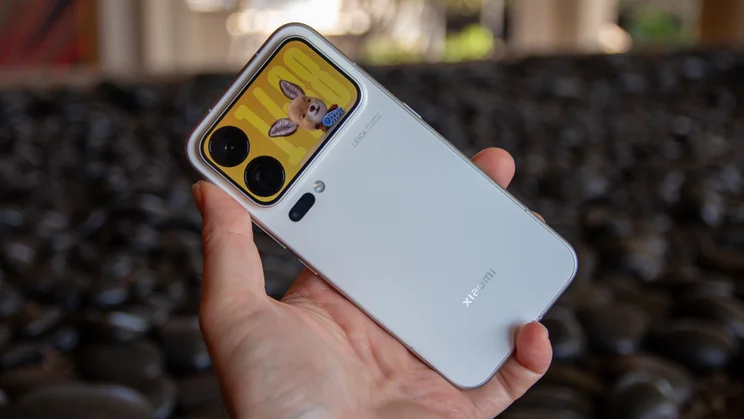
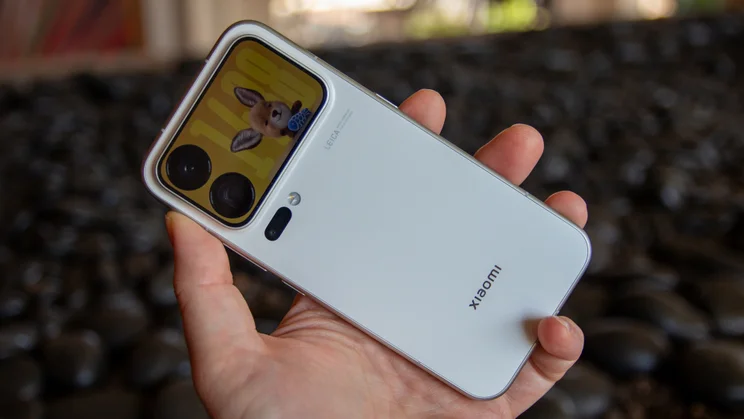
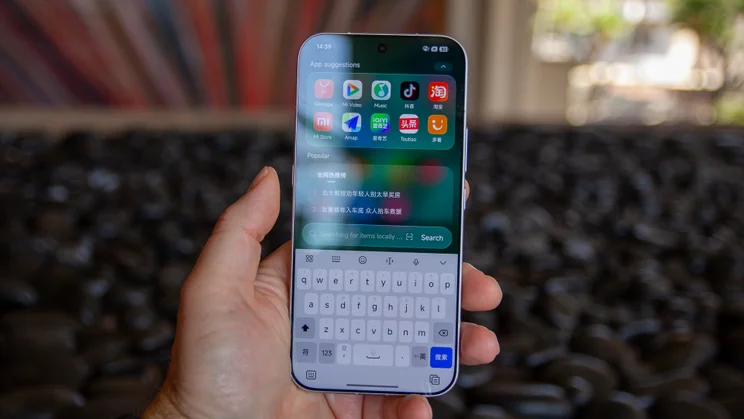
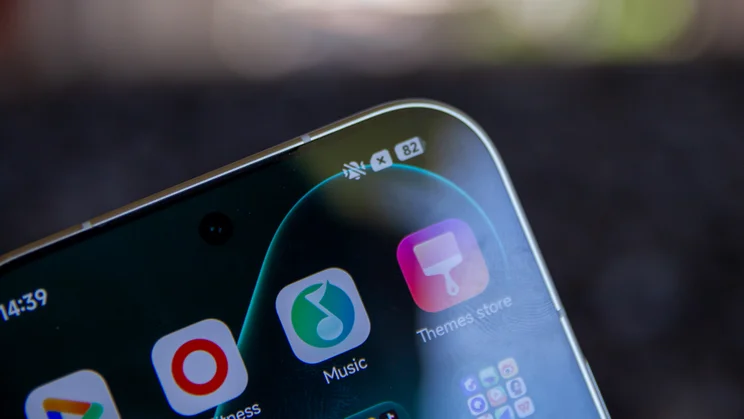
The Xiaomi 18 Pro and 18 Pro Max – a nod to Apple’s naming strategy – update a smartphone design last seen on the Xiaomi 17 Pro. That model was exclusive to China, but the 18 Pro series is destined for a global launch in the coming months.
I got my hands on the Xiaomi 18 Pro Max at Snapdragon Summit, following the announcement of Qualcomm’s new hardware. The Xiaomi 18 Pro Max uses the new chip, the Snapdragon 8 Elite Extreme Gen 6, stepping into a new performance tier, while the Xiaomi 18 Pro runs on the Snapdragon 8 Elite Gen 6.
Both chips move to a 2nm fabrication process to increase efficiency and while both use the same Oryon CPUs clocked to 5GHz, the Extreme boosts the GPU performance thanks to dedicated AI cores in the graphics pipeline, while also boosting the NPU for greater on-device AI processing power.
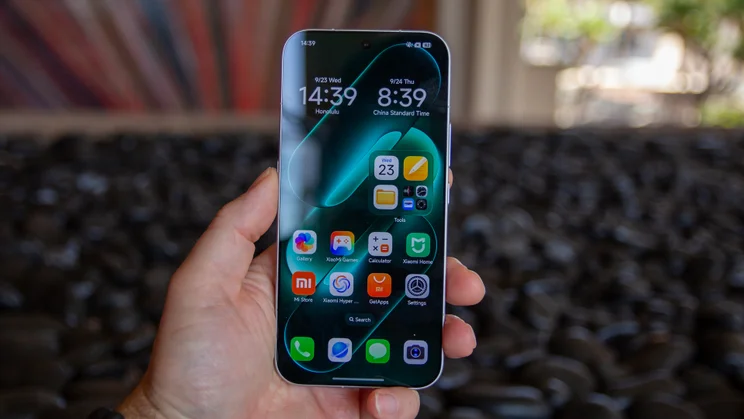
Otherwise, these two models basically offer the same features, the only real hardware difference being the core chip, the size and the battery capacity. The Pro comes with a 6.4-inch display, while the Pro Max has a larger 6.9-inch screen.
Xiaomi 18 Pro Max: Specifications
- 6.9in , 2624 x 1208, 120Hz LTPO AMOLED display
- Octa-core 5GHz Snapdragon 8 Elite Extreme Gen 6
- 12GB or 16GB of RAM
- 256GB, 512GB or 1TB of storage
- 8,500mAh battery
- 100W wired charging; 50W wireless charging
- Cameras:200MP (f/1.7), 200MP (f/2.4) 3.2x telephoto, 50MP (f/2.4) ultrawide, 50MP (f/2.2) selfie
- Dimensions: 78 x 8.4 x 163mm
- Weight: 235g or 240g
- IP68 dust and water resistance
The Xiaomi 18 Pro borrows something from Samsung
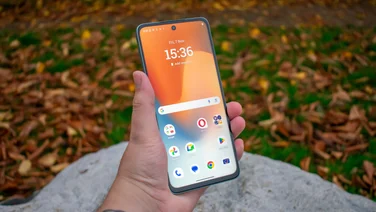
Sticking with the screen, the Xiaomi 18 Pro and Pro Max adopt a feature that first made its debut on the Samsung Galaxy S26 Ultra – privacy display. Xiaomi was keen to stress that this wasn’t the same as Samsung’s implementation, with a different structure to its OLED panel.
The aim of Xiaomi’s privacy display is to maintain the display quality while reducing visibility from an oblique angle to protect your privacy. The biggest criticism of Samsung’s phone was that the privacy display reduced the overall screen brightness, losing the vibrancy and pop for which Samsung phones are known.
From what I saw, the Xiaomi 18 Pro Max preserved that quality when Xiaomi’s privacy display was switched on, so that’s a check in the first box. But when looking from an angle, I didn’t find the strength of the dimming to be as strong as on Samsung’s phone, so put bluntly, it’s less private.
That seems to be how Xiaomi has achieved its results: it just doesn’t dim the display quite as much. There is plenty of flexibility, supporting windowed, split screen or individual apps – as well as the entire display – so it’s a versatile solution.
Is it better than Samsung? That’s hard to say until we’ve spent more time with the phone, it’s different, but might achieve the same results.
It’s the back display that everyone will notice
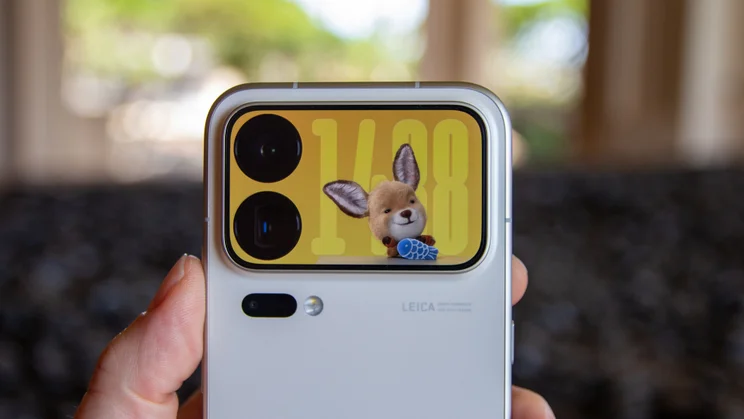
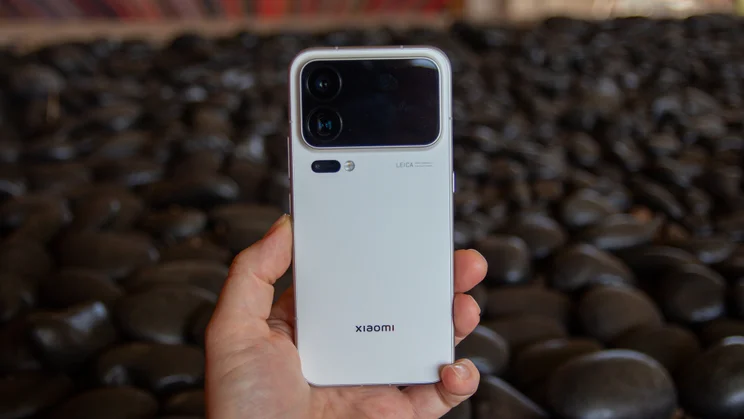
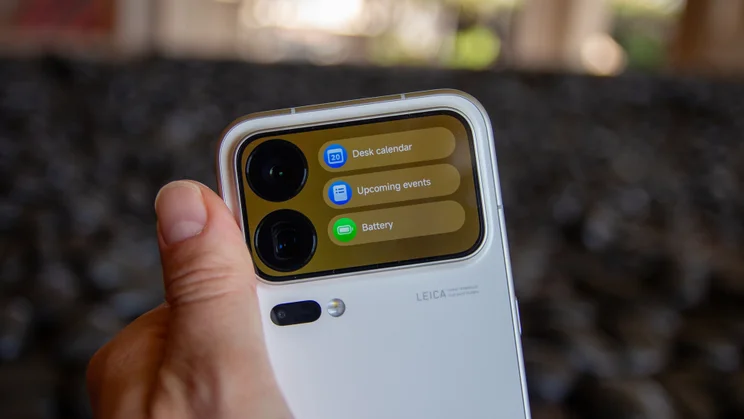
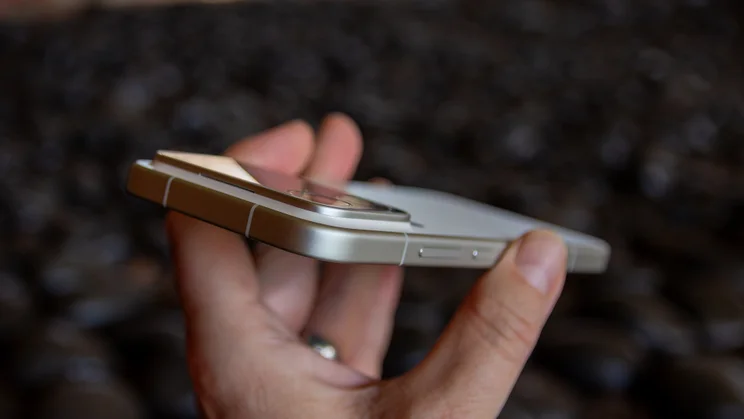
The back display was the highlight feature of the Xiaomi 17 Pro and it’s a welcome addition to the Xiaomi 18 Pro Max. It sits in the camera bump, alongside the dual Leica 200-megapixel cameras, knocking the 50-megapixel ultrawide camera down onto the back of the phone.
Although the big camera bump is reminiscent of the iPhone 17 Pro design, spreading across the width of the phone, including the display means a whole new feature set for the back of your phone. In many ways, it gives you some of the advantages of a flip phone, letting you use it as a preview window for the camera, so you can take selfies with that big lens on the back.
A quick tap and a swipe on this display reveals that it has other skills, providing shortcuts to things like the calendar, offering interactive characters and custom designs, fuelled by an AI generator.
It’s a useful addition, a notification space and just a bit of fun – and it does more than some of the recent notification lights and displays we’ve seen added to the back of phones. It’s a feature that at first glance seems gimmicky, but could easily be a useful daily addition.
The Xiaomi 18 Pro Max has a colossal battery
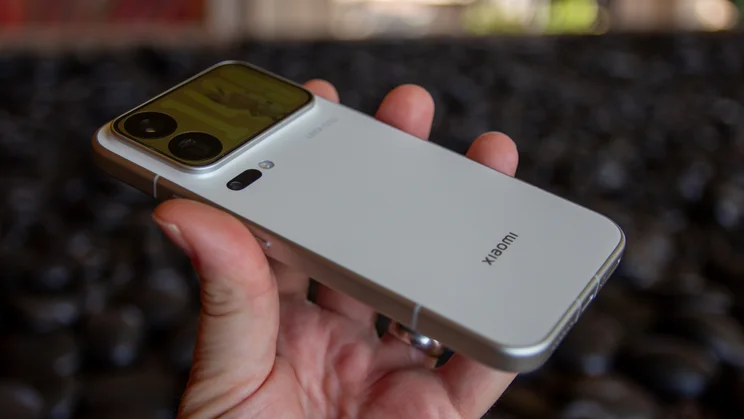
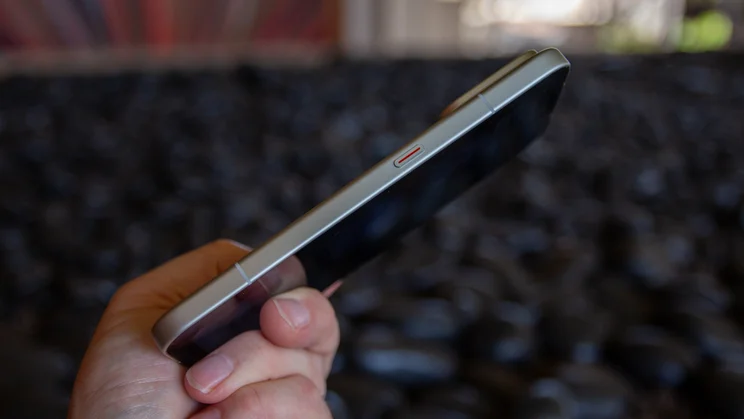
While the privacy display and the rear display are the headline features – apart from having the distinction of sitting on brand new Snapdragon hardware – the rest of the phone is premium too. I got to see the White (pictured) and Galaxy Blue models, the latter of which has a shimmery depth to the rear.
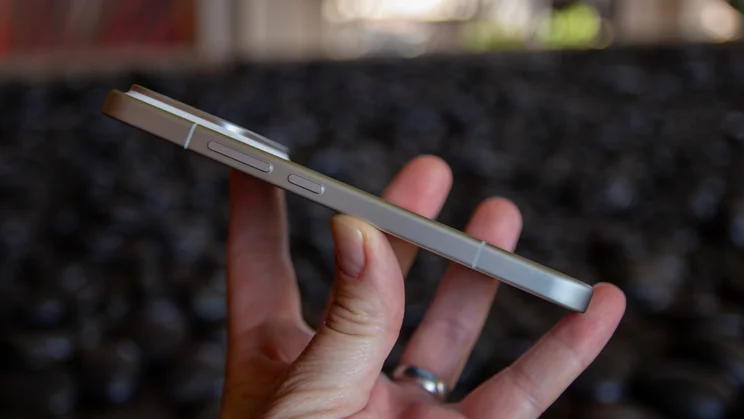
The White, however, has a matte finish, staying mercifully smear free with a feeling of quality to the materials used – and IP68 protection on board too.
But it’s likely to be the battery that gets people most excited about the spec sheet. The 8500mAh cell is huge by any measure and is supported by speedy 100W charging.
That positions the Xiaomi 18 Pro Max as one of the most powerful and most sophisticated Android phones yet, and it will likely be an enviable flagship phone in 2027. While China will get access to this phone immediately, Xiaomi confirmed to me that the global launch was coming soon, before the end of 2026.
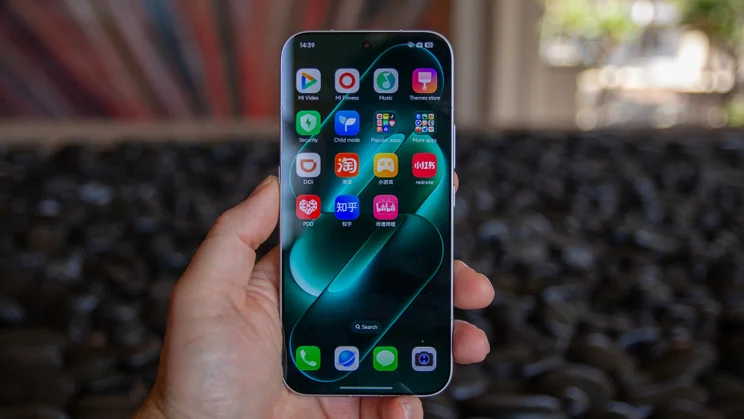
The last piece of the puzzle will be the software. Running HyperOS, many will highlight the software experience as the weak aspect of Xiaomi’s phones. With duplicated apps and services and some preinstalled bloat, it often takes a little work to get to a smooth experience.
But undoubtedly, there’s a lot to be excited about in the Xiaomi 18 Pro Max.