To help us provide you with free impartial advice, we may earn a commission if you buy through links on our site. Learn more







- Bright and sharp display
- Excellent cameras, as ever
- Better battery life, but still not amazing
- Starts with only 12GB of RAM
- Price increase
- Rivals are still faster
There was something of an open goal sitting in front of the Google Pixel 11 Pro XL. I was rather lukewarm on last year’s flagship Google smartphone, thanks in no small part to its mediocre battery life, so following up with a superior successor was simply a matter of taking what worked and fixing the stamina issues.
And to Google’s credit, it has done exactly that. Battery life still isn’t amazing, but it is at least better than last time, and along with some tweaks to the already excellent cameras, another gorgeous display and minor improvements to performance, the Pixel 11 Pro XL is objectively better than last year’s model.
It’s more expensive, though (as everything is this year), and the entry-level model only gets 12GB of RAM, instead of 16GB. With the kind of quality you can get for this kind of money from other manufacturers, Google’s “better” struggles to keep up with the competition’s best.

Google Pixel 11 Pro XL: What you need to know
As we have seen repeatedly from other marques this year, the Google Pixel 11 Pro XL isn’t all that different to its predecessor; it shares the same basic build, and the 6.8in OLED display has the same 2,992 x 1,344 resolution and 1-120Hz LTPO refresh rate.
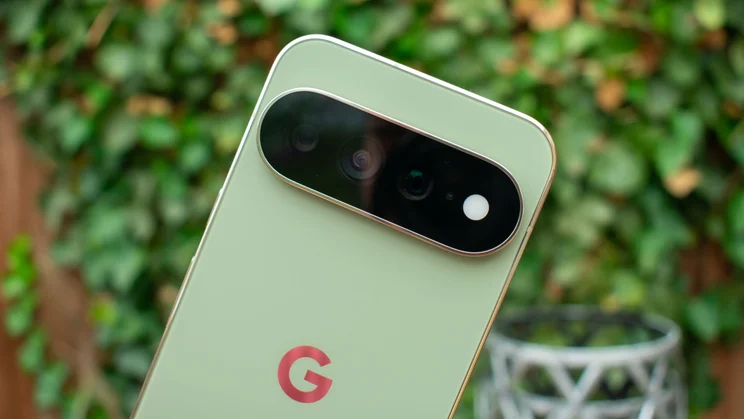
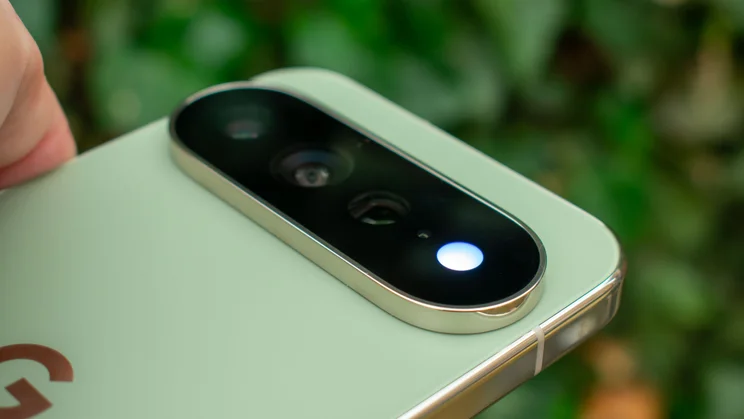
The cameras are almost identical, too, with the 42-megapixel selfie camera returning and the triple-lens system on the rear again consisting of a 50-megapixel main lens, a 48-megapixel 5x periscope telephoto and a 48-megapixel ultrawide. The only differences are that a couple of the rear shooters have larger image sensors and the flash is bordered by a coloured LED ring. This is the new HiLight feature Google has introduced this year in all its Pro phones – essentially, it’s a fancy notification light.
The processor is the new seven-core Tensor G6, clocked at frequencies of up to 4.1GHz and backed by either 12GB or 16GB of RAM and up to 1TB of storage. The battery is slightly smaller than last year, at 5,115mAh compared to 5,200mAh, and charging support again extends to 45W wired or up to 25W Qi2.2 wireless.
Price and competition
The Pixel 11 Pro XL starts at £1,279, which gets you the entry-level model with 256GB of storage and 12GB of RAM. That’s £80 more than the starting price of the Pixel 10 Pro XL, and more damning still, the latter included 16GB as standard. The 512GB and 1TB models still get 16GB of RAM, at least, but they’re both £80 more expensive this year, too, costing £1,399 and £1,629, respectively.
This pricing puts the Pixel 11 Pro XL in the mix with the top-tier of smartphones. The most natural comparison is Samsung’s Galaxy S26 Ultra, which starts at the same £1,279 for the entry level 256GB model – although the 512GB and 1TB variants are a little pricier than the Pixel, at £1,449 and £1,699, respectively.
Other Android contenders around this price are the Xiaomi 17 Ultra, which starts at £1,299 and comes with 512GB of storage, the Honor Magic 8 Pro (a bargain £1,099 with 512GB) and the Oppo Find X9 Ultra, which costs £1,349, again with 512GB of storage.
Over on the Apple side of the fence is the incumbent iPhone 17 Pro Max – though this is due to be replaced soon by the incoming 18 series. This currently costs £1,098 for the 256GB model, £1,289 for 512GB, £1,499 for 1TB and, in a first for smartphones, you can also get a whopping 2TB of storage for an equally whopping £1,899.
Design and key features
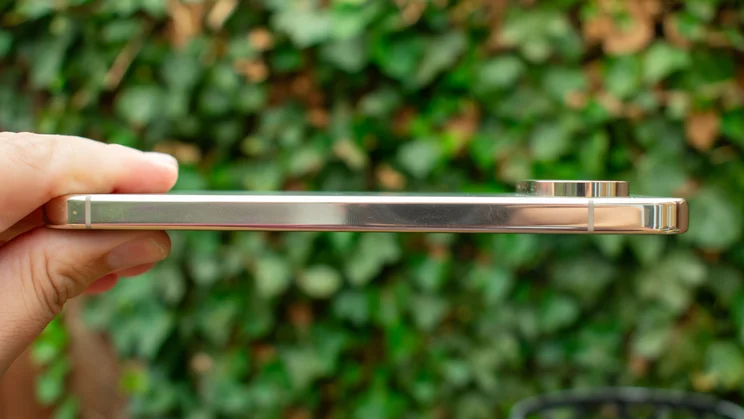
There’s not much movement in terms of design this year. The Pixel 11 Pro XL measures the same 77 x 8.5 x 163mm (WDH) as last year, though it weighs a tiny bit less, at 226g, compared to 232g.
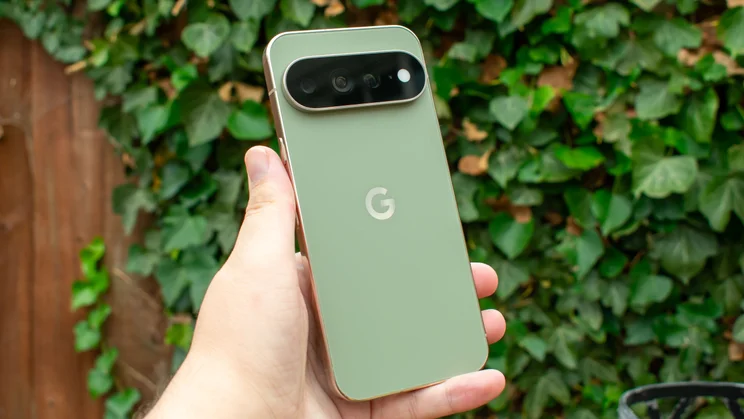
There’s a new batch of colours, of course – the gorgeous Olive model reviewed here is my favourite, but you can also go for the standard Obsidian (black), Fog (a light minty green) or Canyon – a superb orange that makes your phone look like a desert sunrise. Okay, maybe that one’s my favourite.
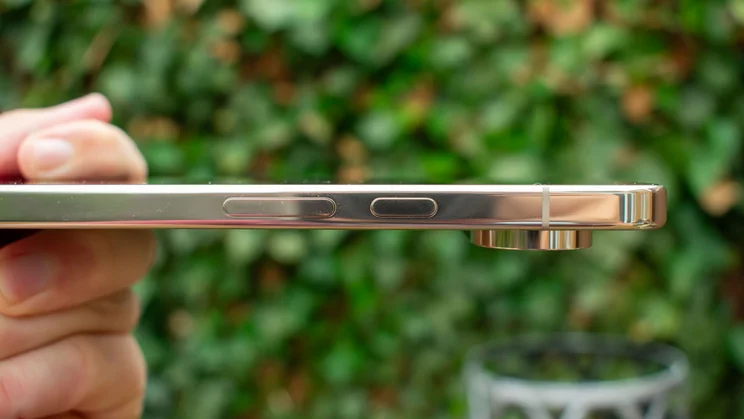
Each colourway is paired with a polished aluminium frame in a complimentary tone. There’s once again Gorilla Glass Victus 2 on the front and rear, and the anti-scratch layer over the display is apparently twice as resistant as last year’s version. The IP68 rating returns too, certifying the Pixel 11 Pro XL as dust proof and able to withstand submersion in 1.5m of fresh water for up to 30 minutes.
The only noticeable design difference is in the width-spanning camera bar on the rear: where last year’s model was aluminium with a glass inset housing the lenses, this year’s version is all glass. I don’t love this new look, as the solid black strip looks incongruous with every colour except Obsidian – I preferred the subtle colour-matching of last year’s metal trim. But ultimately this is a very minor change, and not likely to affect things one way or the other.
The new HiLight feature is incorporated into the camera bar, taking the form of an LED array around the flash. There are currently only two uses for this: it lights up when you interact with the Gemini AI; and it flashes a select colour to indicate which of your contacts is trying to call you. However, Google does have plans to expand this in the future. Top of the list of new functions will be alerts for texts as well as calls, which feels like a baffling thing to be missing from launch. If you’re going to reinvent the notification light, at least achieve the same level of functionality that it had before.
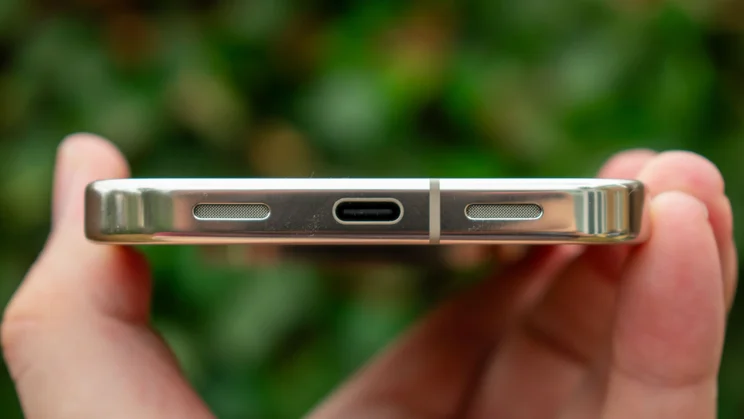
Features remain excellent across the rest of the phone, with efficient and consistent face unlocking via the selfie camera and fingerprint unlocking with the under-display ultrasonic sensor, punchy stereo speakers and a gaggle of Google Gemini features – although the latter’s worth will vary depending on how much you buy into the utility of AI.
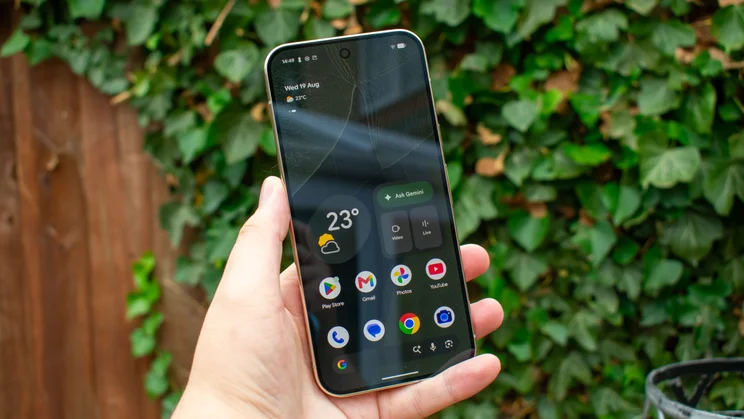
Software starts with Android 17, and as per usual Google has pledged an excellent seven years of OS updates, security patches and Pixel drops. The launcher is swift and accessible, with minimal bloatware (assuming you’re locked into Google’s ecosystem and actually find its own apps useful) and AI integration that just about avoids being excessive and obnoxious.
Display
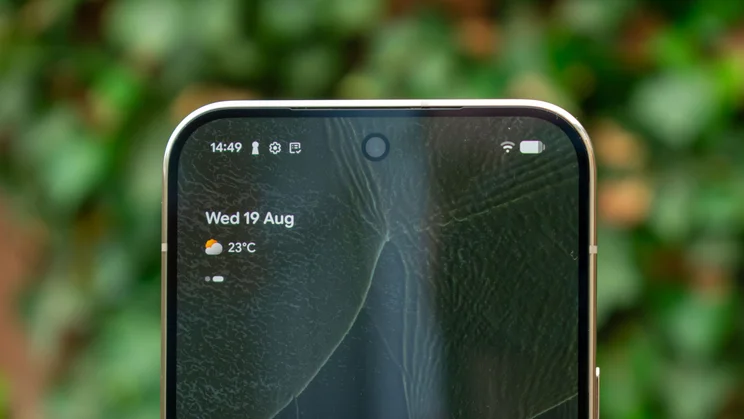
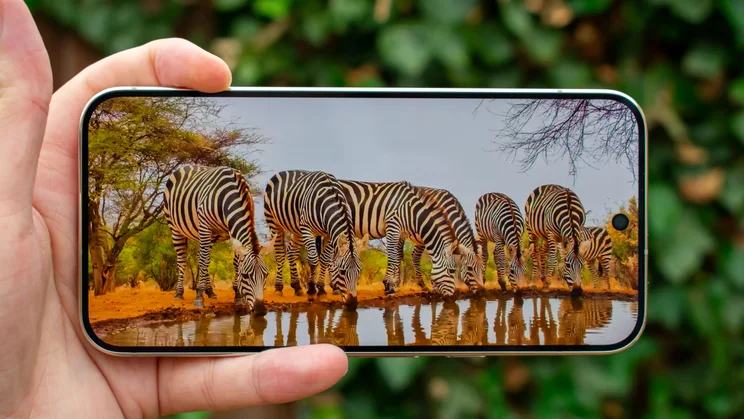
Pixel displays tend to excel in my brightness testing and the 11 Pro XL is no different. On manual brightness, it reached an outstanding apex of 1,274cd/m2, while switching to adaptive brightness nudged it up to 1,301cd/m2. It peaked when displaying HDR content, where I recorded a fantastic 2,104cd/m2.
Colour accuracy is particularly good on the Natural colour profile (the default Adaptive mode is versatile enough that you’ll likely never even think to switch), with the average Delta E of 0.99 being right in the pocket for my target of 1 or under. I was a tiny bit underwhelmed with the sRGB gamut coverage and volume, however, as both results (94.1% and 94.7%, respectively) were a little below those of the pixel 10 Pro XL, and indeed most rivals at around this price.
Performance and battery life
Speaking of falling short against the competition, the new Tensor G6 chipset does make moderate improvements over last year’s Tensor G5 but it still leaves the Pixel 11 Pro XL quite far behind the class average.
Running the Geekbench 6 CPU tests, the Pixel 11 Pro XL beat its predecessor by 19% in the single-core test and 22% in multi-core, which is a decent generational improvement. The rest of the competition are still a long way ahead, however: the Samsung Galaxy S26 Ultra has the fastest multi-core scores I’ve ever recorded, landing 55% ahead of the Pixel, and the Xiaomi 17 Ultra isn’t far behind it, with a lead over the Pixel of 50%.
It’s worth noting at this point that I’m testing the 512GB variant of the Pixel 11 Pro XL, with 16GB of RAM. So when I say that the Pixel’s results in the Geekbench 6 Vulkan GPU test are underwhelming, you can expect even less of it if you plan to get the 256GB version. As you can see below, it’s better than the Pixel 10 Pro XL, but still far behind the rest.
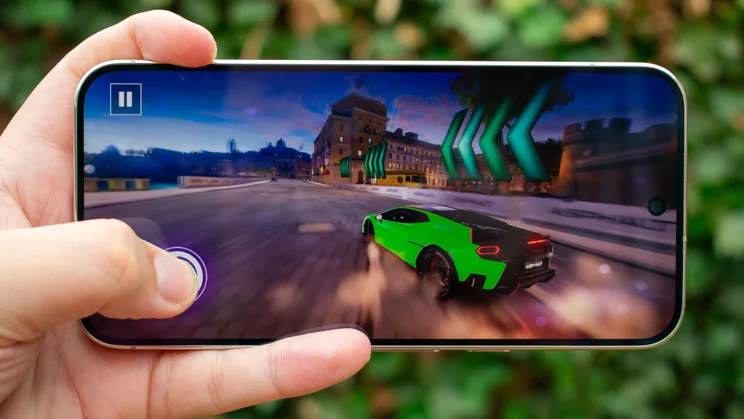
In practice, it’s fine enough for casual gamers – I ran a few laps in Asphalt Legends without issue – but anyone who regularly engages in intense 3D gaming will find the should consider the Snapdragon-powered competition instead.
The 5,115mAh battery is a little smaller than the Pixel 10 Pro XL’s, but the Tensor G6 is apparently more power efficient. The scales just about tip in a positive direction from this conflict, with the Pixel 11 Pro XL running the Expert Reviews looping video battery test for 25hrs 44mins – exactly one hour longer than its predecessor.
That’s still not amazing stamina, falling 10+ hours behind the likes of the Samsung Galaxy S26 Ultra and iPhone 17 Pro Max, but it’s a small improvement on the previous generation, at least.
Charging is near-enough exactly the same as the 10 Pro XL’s, with 30mins on charge bringing the battery from empty to 55%, while a full charge took around 1hr 15mins.
Cameras
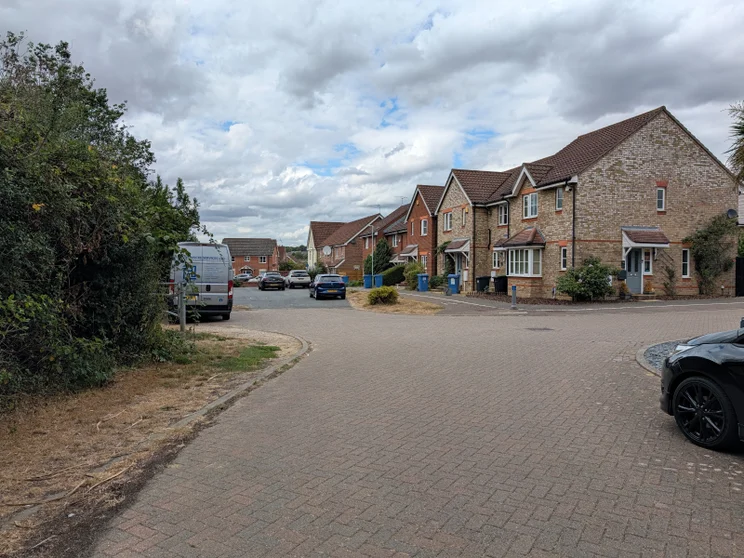
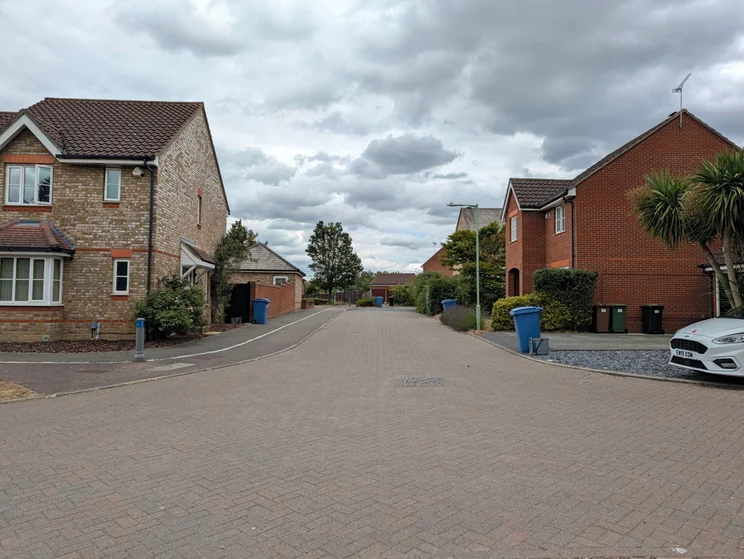
The 50-megapixel (f/1.7) main camera is near-enough the same as last year, but still performs superbly. It captures gorgeous shots in good lighting, with oodles of detail, broad dynamic range and punchy colouring that avoids feeling over-saturated.
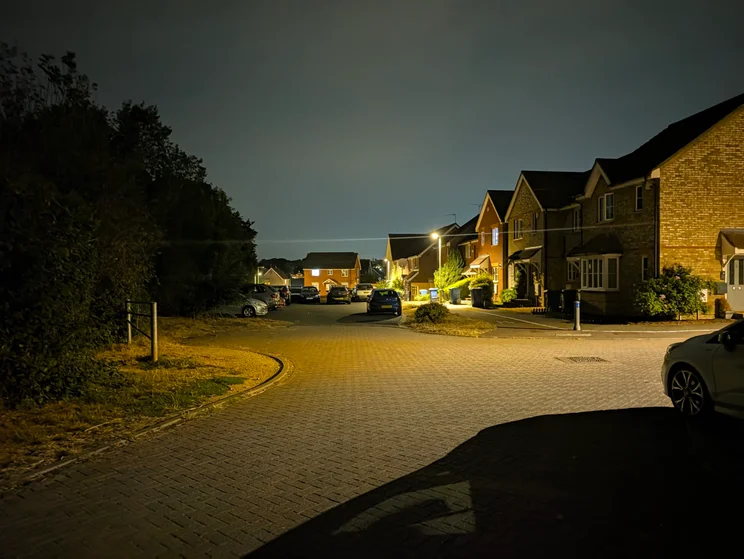
Night photography is mostly good, too, with sharp detail, effective brightening and barely a hint of visual noise in dark skies. My only complaints are that the test images I captured had a slight yellowy hue to them, and that artificial light sources produced a horizontal flare that stubbornly stuck around no matter how I adjusted the angle. Neither are massive deals but still worth noting for those who like taking photographs at night.
The 48-megapixel (f/2.1) 5x periscope telephoto camera was already excellent last year, and adding a larger 1/1.95in (up from 1/2.55in) sensor only improves its quality. Close-ups are captured with exceptional detail, gorgeous colouring, perfect contrast and pin-point background separation. It’s a fantastic shooter for capturing portraits, too.
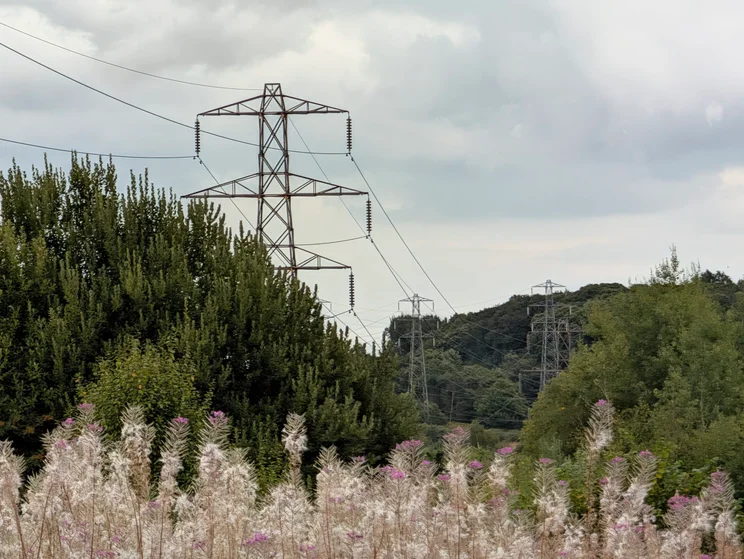
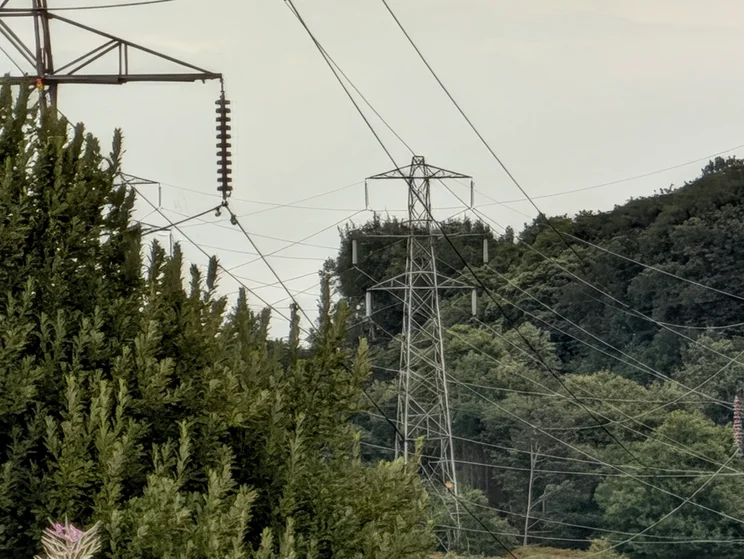
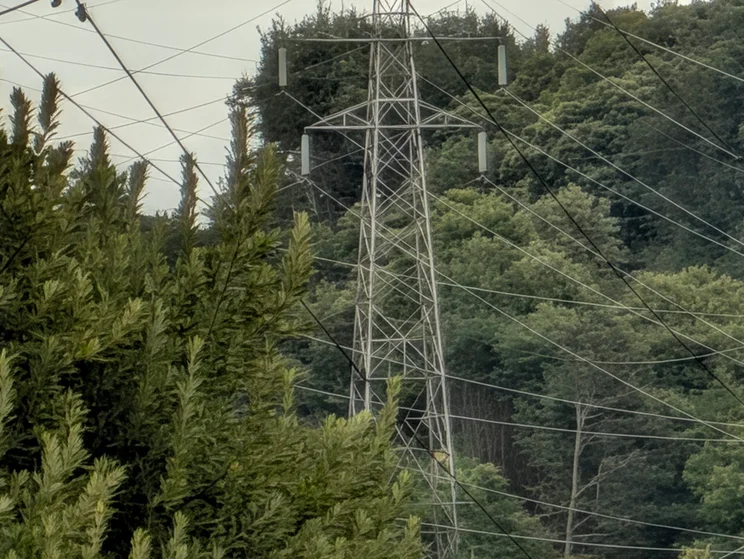
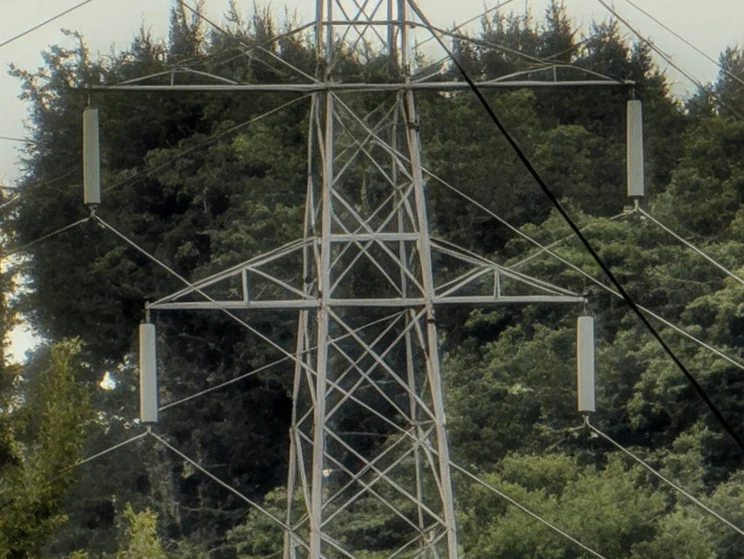
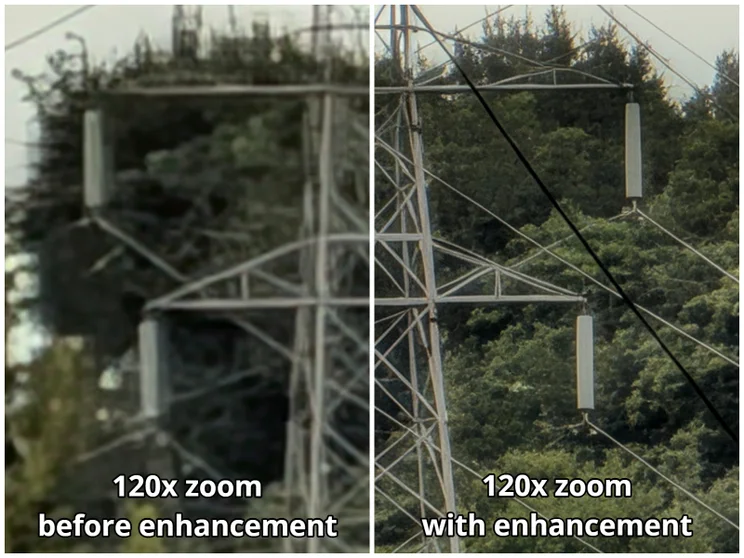
The maximum (digital) zoom has been upped this year to 120x, the longest reach of any Pixel to date, and Google’s processing actually does a decent job at sharpening up these extreme zoom shots without making it look too overly processed and artificial. As you can see below, the software effectively picks out which elements belong together, separating the pylon from the trees around it and sharpens things up, while still leaving a soft texture that makes it feel more real.
I much prefer this approach to the overly plasticky results I’ve seen from other brands, where it feels so interfered with that you may as well just have the AI generate the final image. This isn’t perfect but it at least feels like your hands are still on the wheel.
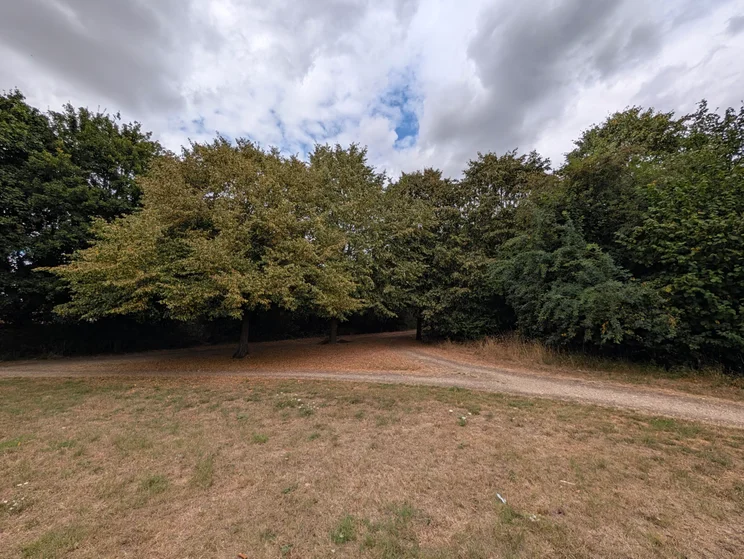
The 48-megapixel (f/1.7) ultrawide is barely any different than last year’s – the sensor is a smidge bigger, at 1/2.51in, compared to 1/2.55in) but the resulting images look similar to the Pixel 10 Pro XL’s.
That’s fine by me because this was already one of the best ultrawides out there; the colour tone is indistinguishable from the main sensor, detail is fantastic in centre frame and, even when it starts to drop off towards the corners, it still retains a decent level of clarity.
I have only positive things to say about the 42MP (f/2.2) selfie camera, too. Portraits captured here are wonderfully sharp, with rich, natural skin tones, great detail and strong background separation – in portrait mode it even managed to pick out my earring correctly, something that very few phones can pull off.
Video is completely unchanged but still very good; you can record 10-bit HDR footage in 4K up to 60fps, as well as 8K at 24fps or 30fps.
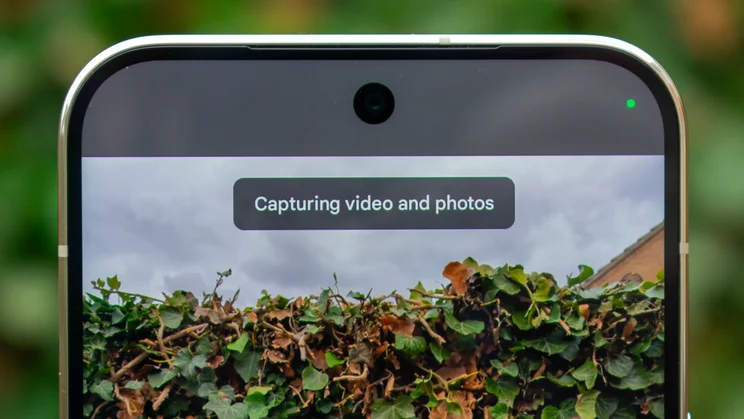
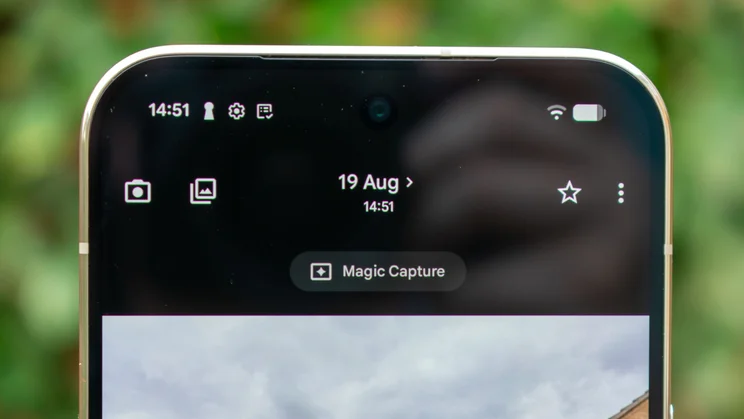
And, finally, there’s a new AI-driven addition to the camera suite this year: Magic Capture, which takes a video and intelligently pulls high-quality photos from it. It’s great for setting and forgetting so you can focus on being present during a special event, rather than watching through your phone screen the whole time.
I found it effective, and the images it pulled for me during testing were crisp and well-chosen – if you disagree with its choices, however, you can scrub through the video yourself and save any frame as a photo.
Google Pixel 11 Pro XL: Verdict
Those who prioritise cameras above all will find few alternatives at this price that can match the Pixel 11 Pro XL; the Samsung Galaxy S26 Ultra is better for night photography and the iPhone 17 Pro Max is superior in video recording, but neither achieve such a cohesive quality as the Pixel.
It also has a phenomenal display, the useful PixelSnap magnets and a catalogue of AI features that prove useful when you want them and stay out of your way when you don’t. The only thing holding it back – and it’s unfortunately a crucial element – is the Tensor G6 chipset. If Google would just give up on developing its own silicon and fit its Pixels with Snapdragon chips, this would likely be one of the most appealing smartphones around.
As things stand, the Pixel 11 Pro XL is a solid improvement on its predecessor but the gulf between it and the competition in both performance and power efficiency make it difficult to recommend. Which is a shame because its cameras are seriously fantastic.