To help us provide you with free impartial advice, we may earn a commission if you buy through links on our site. Learn more




oplus_8593080320
oplus_8593080352



- Excellent performance and battery life
- Triple 200MP camera setup
- Bright, punchy AMOLED display
- Feels chunky and heavy
- Rivals have better software support
- Very expensive
The Oppo Find X10 Pro Max is the brand’s latest handset to shake up smartphone photography. After releasing the Find X9 Ultra and its rare 10x telephoto camera earlier this year, Oppo has now moved on to the X10 series, and muddied its lineup by poaching the Pro Max suffix from iPhones.
The headline photography feature is that the Find X10 Pro Max is the world’s first phone to come with three 200-megapixel cameras. Beyond that, it has a powerful MediaTek processor, a high-capacity silicon-carbon battery and a bright AMOLED display with a razor-thin bezel. It’s well-equipped to stand alongside the year’s best smartphones, but can it exceed them?

What you need to know
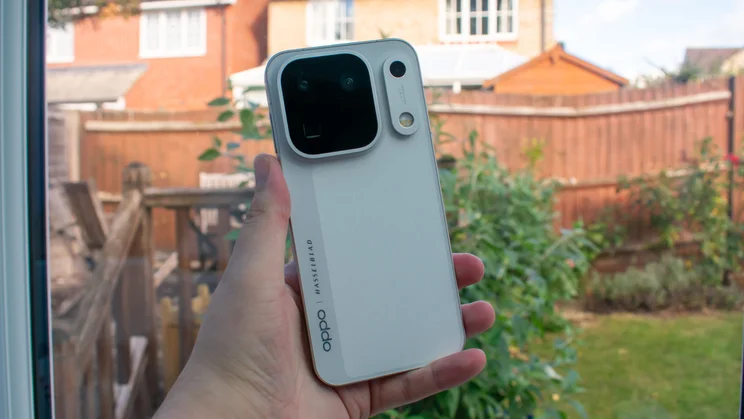
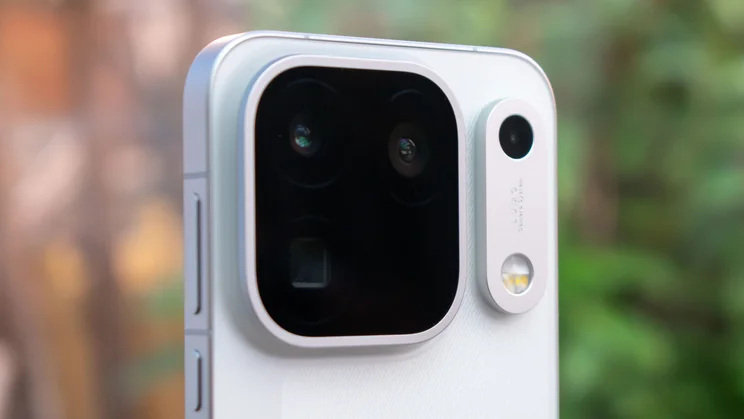
The three 200-megapixel cameras sit in a square plateau in the top-left corner of the phone’s rear, comprising our main camera, a 3x periscope telephoto lens and the ultrawide. A second plateau to the right houses the LED flash and a Lumo colour spectrum sensor, while on the front is a 50-megapixel camera.
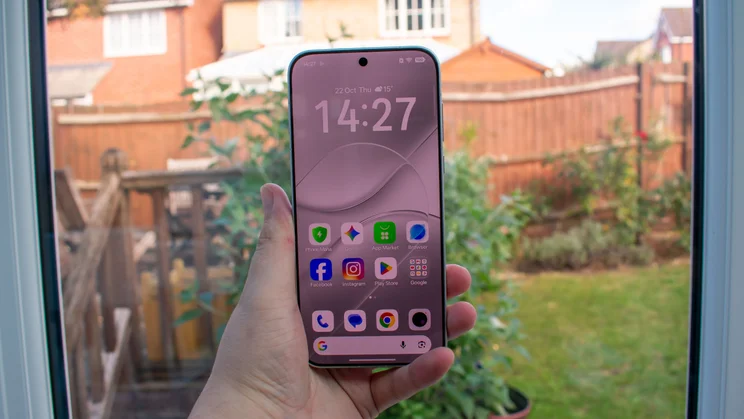
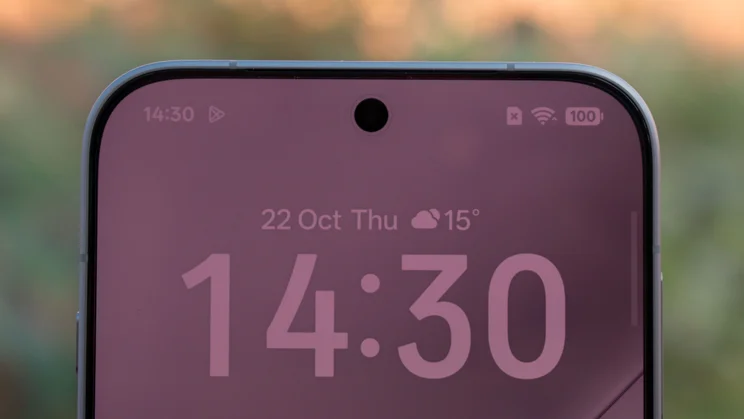
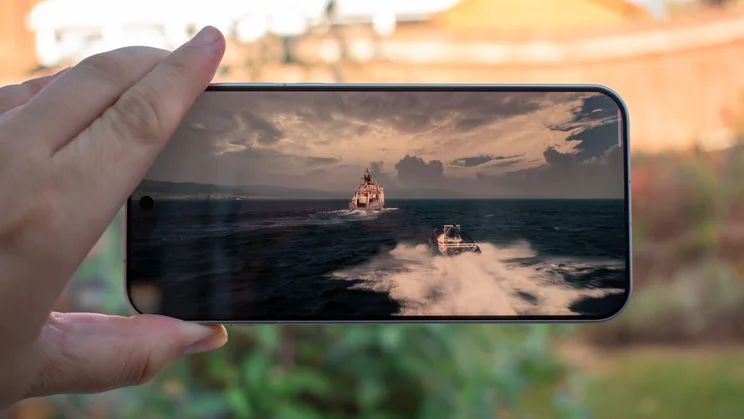
The selfie shooter sits in a hole-punch notch atop a 6.78in AMOLED display with a 2,772 x 1,272 resolution and a dynamic LTPO refresh rate between 1Hz and 144Hz. Bordering it all is a wonderfully discreet bezel measuring just 1.13mm thick.
oplus_8593080320
oplus_8593080352
Inside the phone is the 2nm MediaTek Dimensity 9600 Pro chipset, clocked up to 4.55GHz and backed by 12GB RAM and 512GB of storage. The battery is a silicon-carbon cell with a 7,150mAh capacity, and charging extends to 80W wired and 50W wireless.
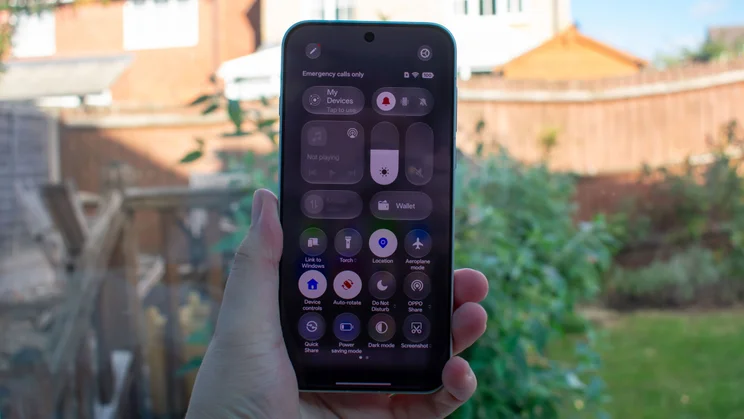
On the software front, ColorOS 17 introduces a slick new design language called “Living Flow”. I say new – this is another leaf taken out of Apple’s playbook (which must be looking quite threadbare by this point), and its semi-transparent aesthetic closely mimics the iPhone’s Liquid Glass look. It’s a derivative but very appealing look.
Price and competition
There’s only one configuration of the Oppo Find X10 Pro Max coming to the UK. It has 12GB of RAM and 512GB of storage and will set you back a whopping £1,449.
oplus_8593080320
oplus_8593080352
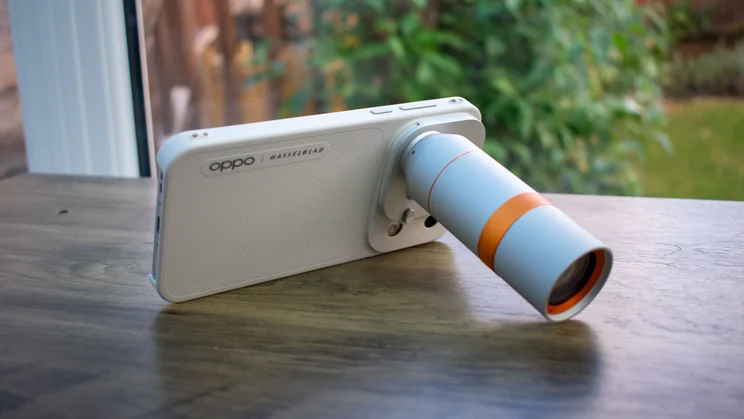
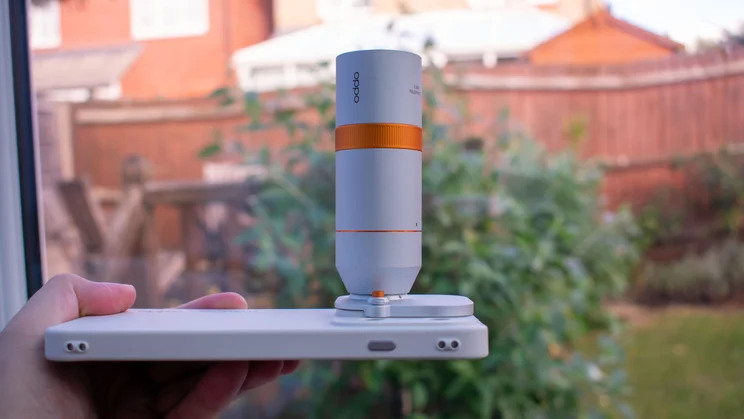
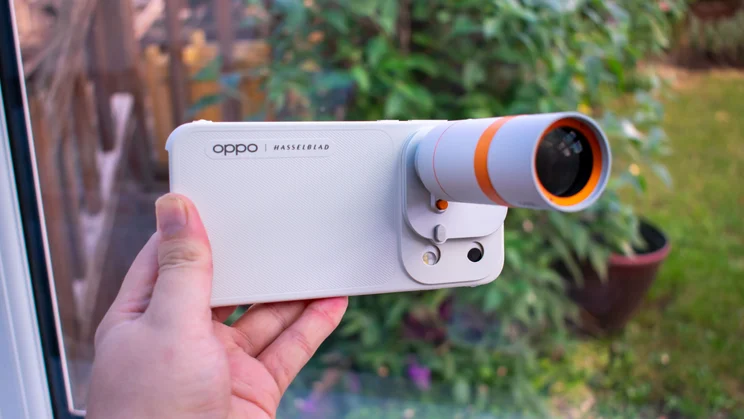
If that wasn’t enough of an outlay, Oppo is also selling an external teleconverter that snaps onto the rear of the phone and transforms the 3x optical zoom into a 10x optical reach. The teleconverter costs £499, but at the time of writing, is free if you buy the X10 Pro Max directly from the Oppo website.
As for competition, Oppo is clearly targeting Apple, so let’s start there. The iPhone 18 Pro Max starts at £1,299 for the 256GB model and goes up to a massive 2TB of storage for an equally gargantuan price of £2,499.
In the Android stable, Samsung’s Galaxy S26 Ultra is the top competitor. This has the advantage of launching earlier in the year, so it has started to see some discounts after months on the shelves; at the time of writing, the entry-level 256GB model is available for £1,049, down from the £1,279 launch price, and the model with 16GB of RAM and 1TB of storage is discounted from £1,549 to £1,399.
oplus_8593080320
oplus_8593080352
A couple of other high-profile Chinese brands are in the same boat as Oppo, trying to take a bite of the big two’s market share. The Xiaomi 17 Ultra starts at £1,152 for 16GB of RAM and 512GB of storage, and the Honor Magic 8 Pro is even cheaper, with the 16GB/1TB model currently down to just £929.
Design and key features
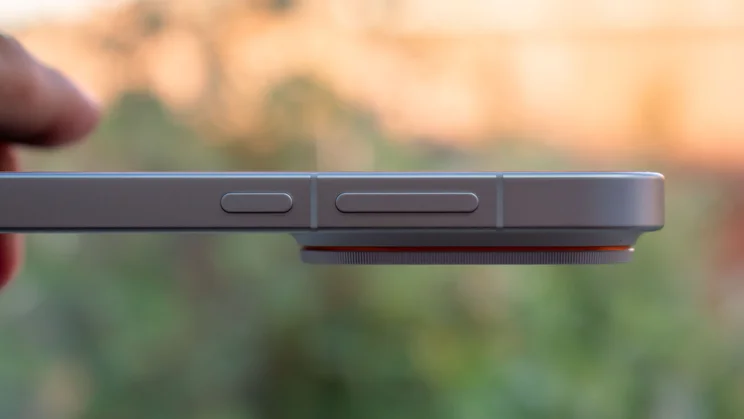
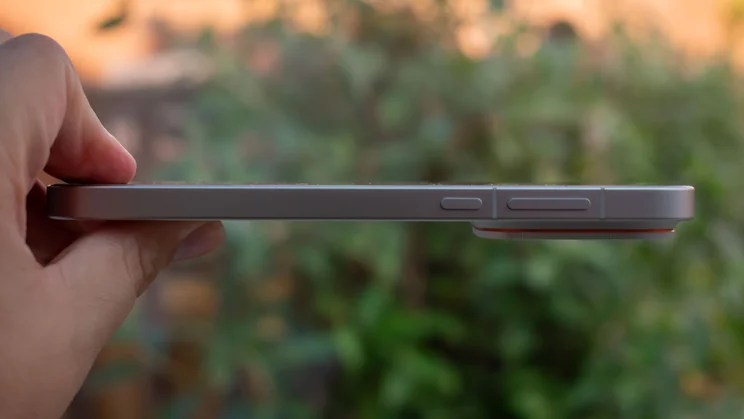
Of all the Android competition mentioned here, the Oppo Find X10 Pro Max is the thickest and heaviest; its size and weight caught my attention as soon as I took it out of the box.
oplus_8593080320
oplus_8593080352
Measuring 8.4mm thick and weighing 233g, it’s not egregiously oversized for a phone with so many features; it’s just noticeably bulkier than other Android flagship phones I’ve reviewed recently. It’s not, however, as big and chunky as the iPhone 18 Pro Max, which weighs 249g and measures 8.8mm thick.
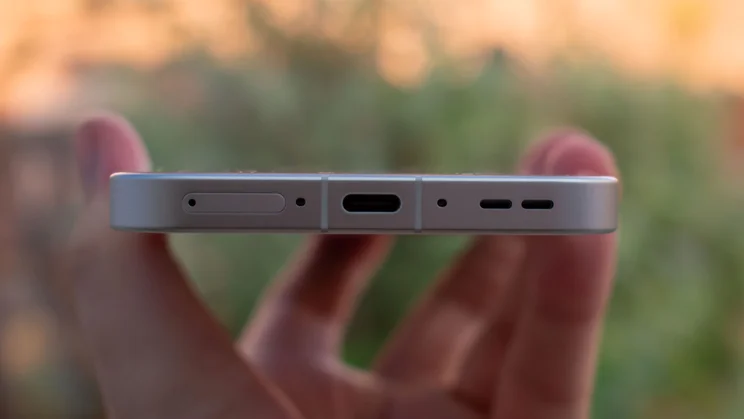
The edges are rigid matte aluminium, and there’s a layer of Gorilla Glass Victus 2 sitting over the display for scratch protection. The rear is a solid piece of glass, though not Gorilla Glass, and the phone is rated IP68/IP69 for dust and water resistance.
Two colours are coming to the UK – Titanium Grey and the Lunar White model pictured here. The grey model has a simple matte rear, but the white one I received for review gets a little extra flair with this laser-etched panel that adds an extra dimension. It isn’t any more tactile, as a layer of smooth glass covers it all, but it does look more interesting.
oplus_8593080320
oplus_8593080352
Connectivity is as good as it gets, with Wi-Fi 7 and Bluetooth 6.2 support. Meanwhile, the software, ColorOS 17, is based on Android 17 and expected to receive five years of OS updates and six years of security patches. This is fine for entry-level flagships, but at this price, only the best will do, and Samsung, Google and Honor all offer seven years of both, so Oppo feels a little behind the curve.
I really like the Living Flow software’s design, with soft edges and semi-transparent bubbles for folders, notifications, widgets and the like; I liked it on iPhones, so it stands to reason I like it here. There’s more bloatware upon boot than I’d like to see, but the software is solid, and you’ve got the expected suite of AI features returning, most notable of which is the Mind Space app, which stores and organises voice notes and screenshots captured with the Snap Key up on the left edge.
Display
The 1.5K resolution delivers a reasonably sharp pixel density of 450ppi (pixels per inch), and the dynamic refresh rate keeps everything feeling wonderfully smooth. Brightness is solid, though not class-leading, hitting 753cd/m2 in manual brightness and rising to 992cd/m2 in adaptive mode with a torch shining on the light sensor. It performed best when displaying HDR content, where I recorded a peak of 1,486cd/m2.
oplus_8593080320
oplus_8593080352
You have three colour profiles to choose from and, in a move aimed at creatives, the phone now supports the professionally used BT.2020 colour gamut. If you’re sticking to good old sRGB, the Natural profile proved the most accurate in my testing, with 97.8% gamut coverage against a volume of 102.5%, and the average Delta E came back at just 1.07 – I’m looking for 1 or under here, so that indicates excellent accuracy.
Performance and battery life
The MediaTek Dimensity 9600 Pro is an octa-core chipset with a peak clock speed of 4.55GHz, and it’s backed by 12GB of RAM. The Find X10 Pro Max’s full power is restricted by default; to unleash the beast, go into the battery settings and switch from the balanced profile to performance.
Geekbench 6 benchmarks show the Find X10 Pro Max is fiercely powerful, matching Xiaomi and Honor rivals powered by the Snapdragon 8 Elite Gen 5. However, it can’t match the Galaxy S26 Ultra, and the fresh-from-the-oven iPhone 18 Pro Max is even further ahead, beating the Oppo by 28% in the single-core benchmarks and 19% in the multi-core.
So it’s not quite the most powerful option on the market, but the Find X10 Pro Max is still a speed demon and will easily tackle intense productivity work without breaking a sweat.
Where I was really impressed, however, was the gaming-focused Geekbench 6 Vulkan GPU test. Here, a higher score indicates smoother, more stable 3D rendering. Despite scoring roughly the same as the Honor and Xiaomi competitors and trailing behind the Samsung in the CPU tests, the Find X10 Pro Max flew to the front of the pack in the Vulkan test, even surpassing the Galaxy S26 Ultra.
iPhones use a different version of this test, so I can’t compare directly to the 18 Pro Max. My instinct is you’ll likely get slightly better gaming performance on the Apple side of the fence, but the difference is unlikely to be all that noticeable.
It’s hard not to look longingly at the 8,000mAh battery capacity in the global Find X10 Pro Max, but we in Europe aren’t completely left in the lurch. The 7,150mAh battery is still one of the highest-capacity batteries of any phone I’ve reviewed, though interestingly, it’s not as high as last year’s Find X9 Pro, which had a 7,500mAh cell.
It’s not surprising, then, that it doesn’t last as long as the X9 Pro did – though the stamina here is still far from bad. Running my standard looping video test, the Find X10 Pro Max made it 37hrs 48mins before finally tapping out. That’s still one of the best results of any flagship this year, only a couple of hours short of the iPhone 18 Pro Max’s excellent stamina.
Cameras
Whenever a phone manufacturer tries to make a big deal about a 200-megapixel lens, I make it a point to highlight that pixel count doesn’t automatically equal quality. That is definitely still the case here (threefold, in fact), but these are still very well-equipped cameras.
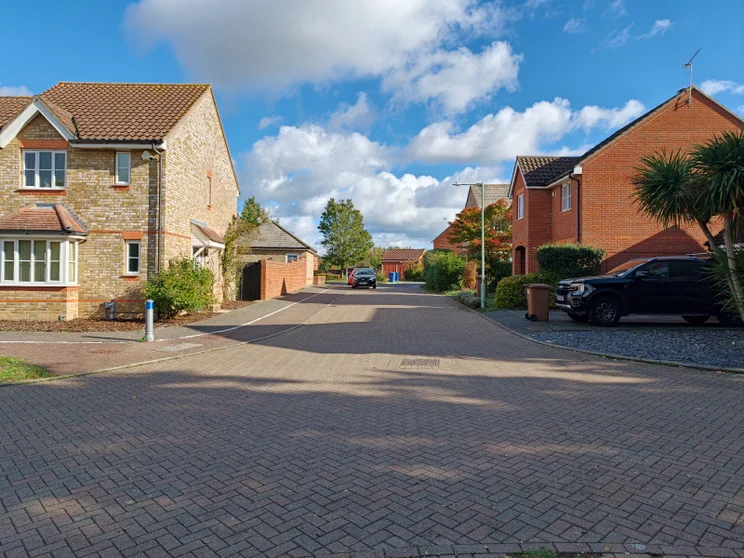
Oppo has developed its cameras in collaboration for years, and that’s the case here. The main lens uses a decently large 1/1.3in sensor, supports optical image stabilisation (OIS) and phase detection autofocus (PDAF). Shots captured in good light are bright, impeccably detailed and rendered in gorgeous colours that veer reasonably close to lifelike.
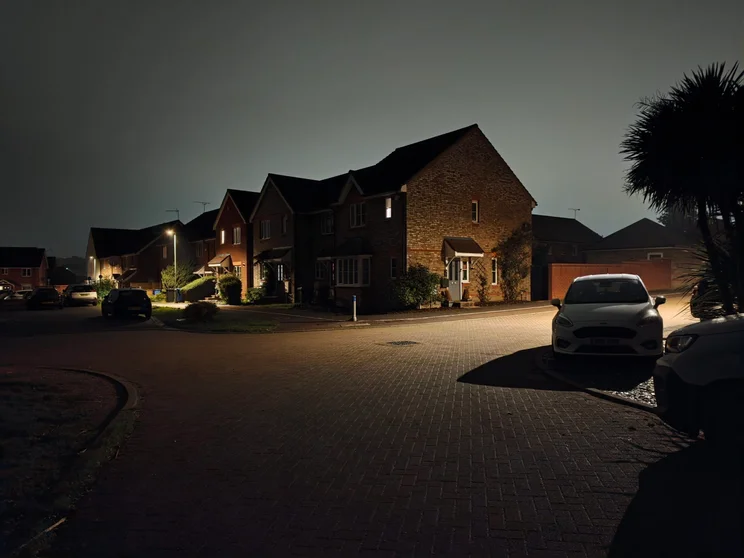
The f/1.5 aperture is nice and wide, too, which brings in plenty of light when you’re photographing at night. Photos show fine detail in shadowy areas, and large blocks of darkness like the night sky are pleasingly free of visual noise.
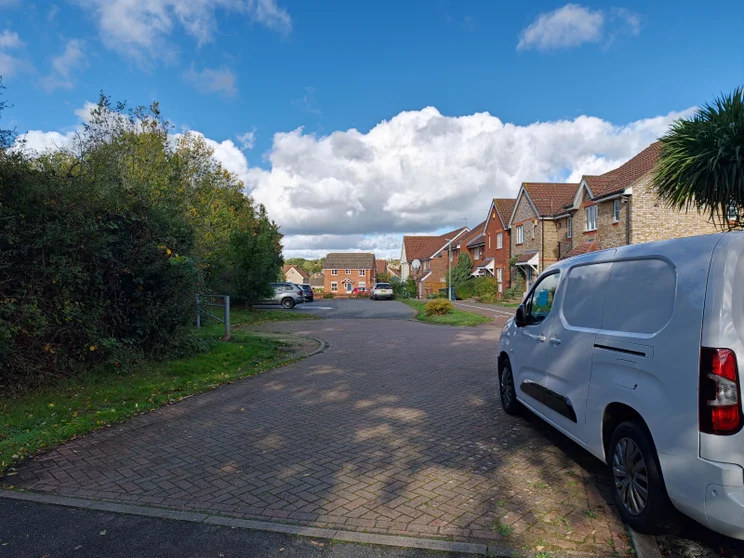
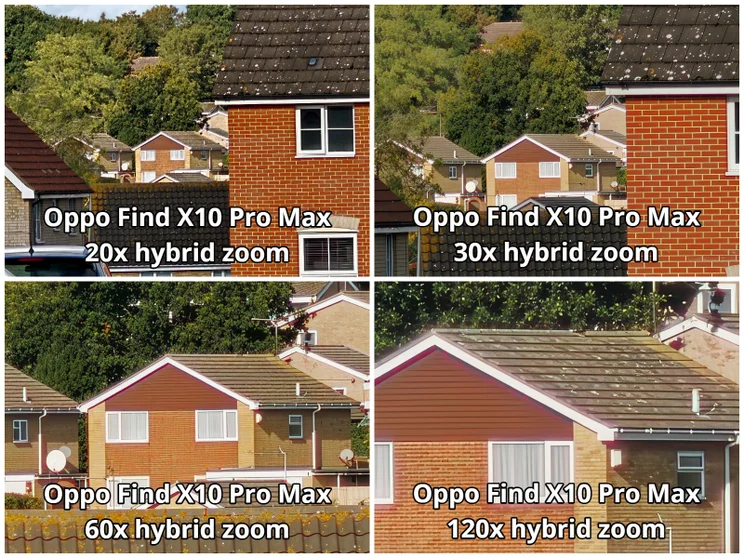
The 3x telephoto camera feels like a consolation after the Find X9 Ultra’s outstanding 10x lens, but it’s still a very effective shooter. Shots captured with the 3x optical zoom are gorgeous, but my favourite shooting mode was the 6x hybrid zoom, which makes good use of the 200-megapixel sensor to crop in and retain a fantastic level of detail.
The hybrid zoom extends to 120x but, as tends to be the case, images are heavily processed by AI at this magnification, giving everything an artificial, smoothed-out quality. You can get excellent shots up to around 30x; anything more than that will require additional hardware. Speaking of which…
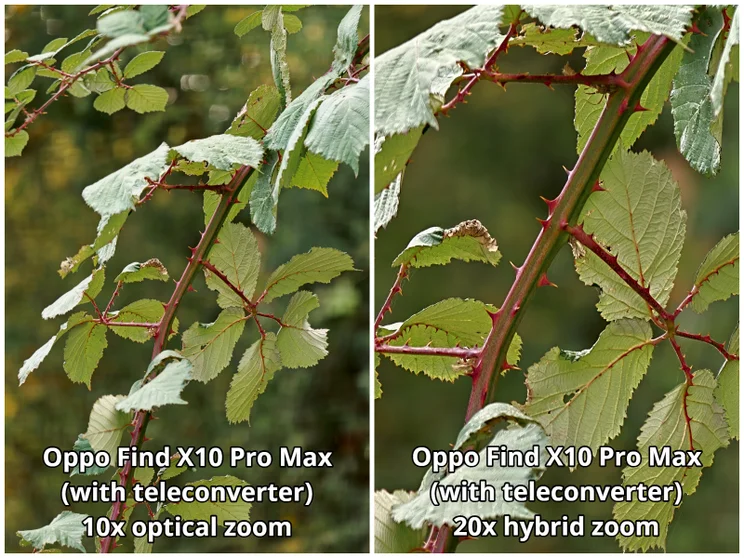
If you snap up that teleconverter as a gift (or fork out £499), you’ll find it easy to assemble and a blast to play with. The 10x optical zoom looks fantastic, with strong focus and a gorgeous background bokeh, and the 20x hybrid zoom picks out incredibly fine details. You can technically shoot up to 200x with the teleconverter, but these shots leave a lot to be desired and aren’t really worth bothering with.
Our last native 200-megapixel lens is the 0.5x ultrawide, and it’s another resounding success. The colour tone matches the other two rear cameras, detail is excellent, even in tricky corner areas, and a contrast boost gives shots a punchy, striking look.
The final lens is the 50-megapixel selfie camera, which may not be quite as eye-catching as the rear trio but is still very good, capturing natural-looking selfies with decent background separation and shooting video up to 4K/60fps.
Rear-shot video is even better. The camera’s three lenses can shoot 4K up to 120fps or 8K at 30fps, and Dolby Vision HDR and O-Log2 for greater colour control when editing.
Verdict
The triple 200-megapixel camera setup is definitely the most appealing part of the Oppo Find X10 Pro Max. Colours are gorgeous, detail is exquisite and even without the optional teleconverter, zoom quality is excellent. Combine that camera prowess with brilliant battery life, powerful performance and a top-notch screen, and the Oppo Find X10 Pro Max is easily one of 2026’s strongest and most appealing flagships.
The rub is that 2026 is nearly over. With a new crop of flagships just around the corner, many of which will use more powerful hardware like the Snapdragon 8 Elite Gen 6 Pro, Oppo’s moment in the spotlight could prove rather short-lived. The Find X10 Pro Max is a fantastic phone with phenomenal cameras, but it’s also very expensive, and it may have arrived too late in the year to make as big a splash as it deserves.