
To help us provide you with free impartial advice, we may earn a commission if you buy through links on our site. Learn more
Screenshot
- Spectacular dark and bright room picture quality
- Excellent sound quality
- Class-leading anti-reflection screen
- Expensive for LCD technology
- Occasional rogue colour tone and off-axis blooming
- Only two HDMI 2.1
After becoming the first brand to unveil a working RGB LED TV in March 2025, Sony kept us waiting until this summer before finally bringing its debut RGB LED TVs to market, months behind multiple rival brands.
Sony had a pretty solid excuse for its tardiness, though: it spent the time ensuring that its Mini RGB debutantes were the best versions of the new technology on the market. Sony is extremely confident in its new TV tech. It calls it True RGB, implying its rivals’ tech is somehow false. But can Sony’s flagship True RGB TV nail the new technology on the first attempt?
Sony Bravia 9 II: Key specifications
| Screen sizes available | 65in (K65XR95M2PB.UKA), 75in (K75XR95M2PB.UKA), 85in (K85XR95M2PB.UKA) and 115in (K115XR95M2B.UKA) |
| Panel type | True RGB (RGB LED) |
| Resolution | 4K/UHD (3,840 x 2,160) |
| Refresh rates | Up to 120Hz |
| HDR formats | HDR10, HLG, Dolby Vision |
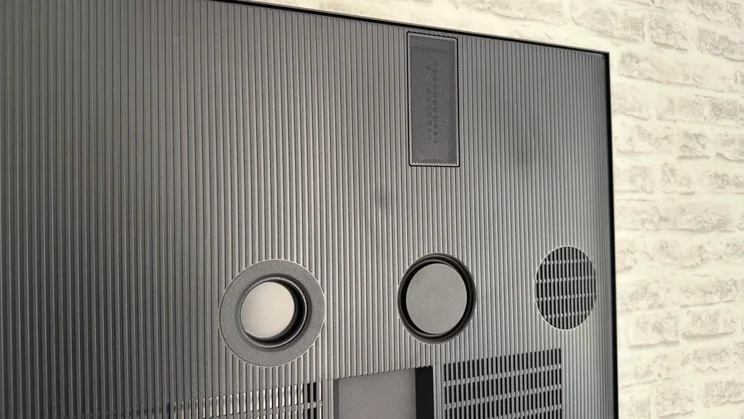
| Audio enhancement | 2 x subwoofers, 2 x full-range drivers, 2 x tweeters and 2 x ‘Beam’ tweeters (80W total) |
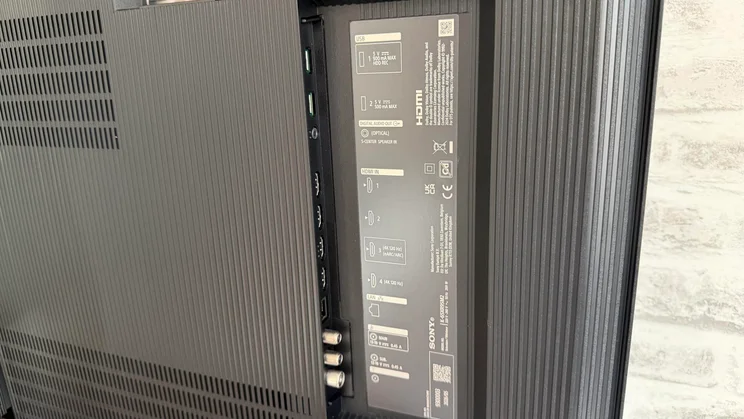
| HDMI inputs | 2 x full-spec HDMI 2.1 (one with eARC), 2 x HDMI 2.0 |
| Freeview Play compatibility | No (but supports YouView) |
| Tuners | Terrestrial Freeview HD |
| Gaming features | ALLM, 4K/120Hz, Game mode, VRR, Perfect for PlayStation (Auto HDR Tone Mapping, Auto Genre Picture Mode) |
| Wireless connectivity | Bluetooth 5.3, Wi-Fi, Chromecast built-in, Apple AirPlay, Apple HomeKit support |
| Smart assistants | Google Assistant |
| Smart platform | Google TV |
What you need to know
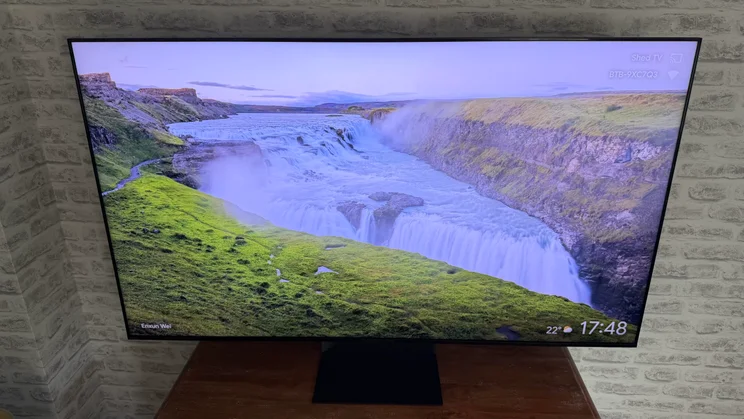
The Bravia 9 II is Sony’s flagship TV for 2026, even though, tellingly, it’s based on LCD technology rather than OLED. However, the Bravia 9 II is no ordinary LCD TV. Its True RGB screen represents Sony’s most premium first stab at what the brand calls RGB LED technology (other brands call it Mini or Micro RGB).
It uses separate red, green and blue LEDs to create pictures rather than white or blue backlighting shining through colour filters or quantum dots, and it’s brighter than the step-down Bravia 7 II while also having more local dimming zones.
Screenshot
Other variations between the Bravia 9 II and Bravia 7 II are different screen sizes (65in, 75in, 85in and 115in for the Bravia 9 II, and 55in, 75in, 85in and 98in for the Bravia 7 II, the Bravia 9 II’s use of a new anti-reflection screen filter, and its much more powerful sound system.
Price and competition
The Bravia 9 II costs £3,499 for the 65in I tested, £4,299 for the 75in, £5,499 for the 85in, and a bank-busting £22,999 for the 115in.
These prices are high across the board by premium 2026 TV standards. Samsung’s 65in S99H and LG’s 65in G6 OLED models are available for £2,999 or less at the time of writing, while the 65in Hisense UR9S is just £1,999.
Sony’s flagship TV has a few tricks up its sleeve that other RGB LED TVs do not. Nonetheless, if you’re going to cost hundreds of pounds more than even your premium rivals, you are definitely putting pressure on yourself to deliver serious performance goods.
Design, connections and control
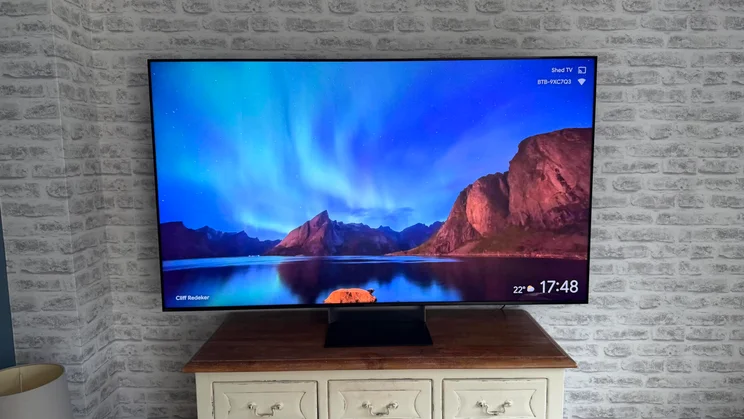
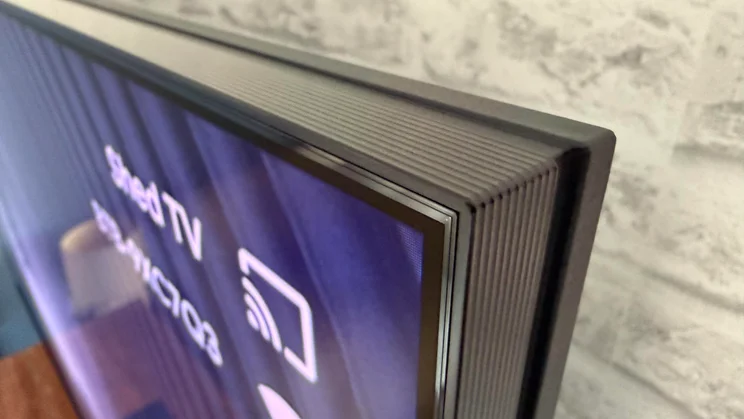
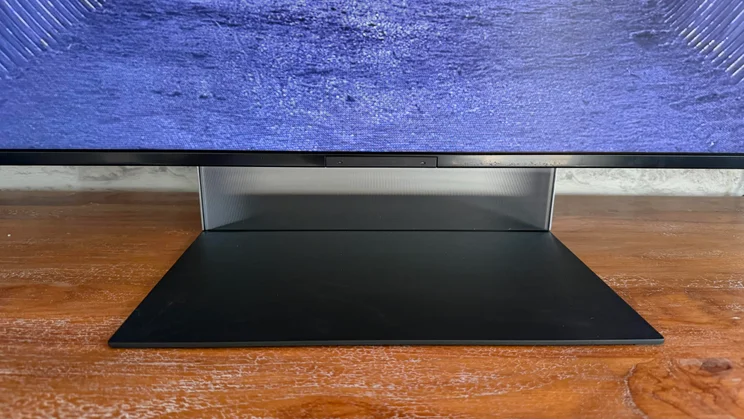
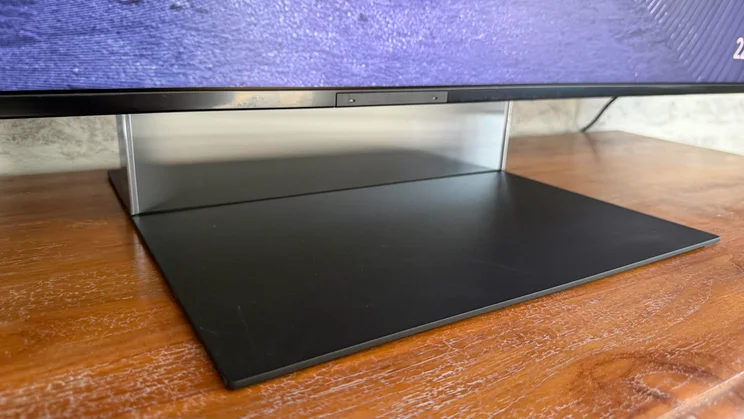
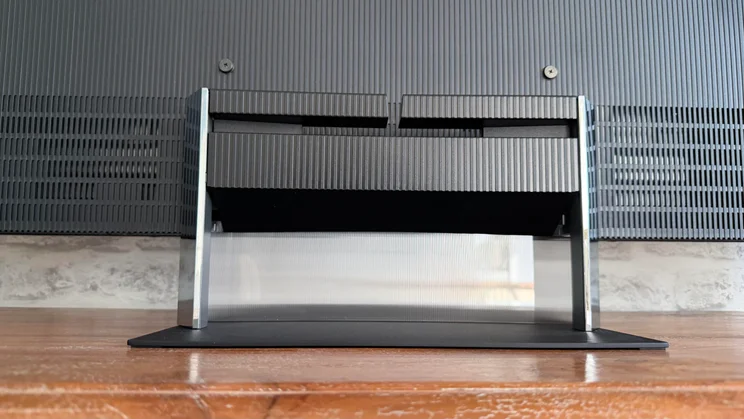
The Bravia 9 II looks both stylish and subtle. Its most impressive design touch is the lenticular panel that slides over the neck of the centrally attached desktop stand. This creates the impression that it’s transparent, and that the TV is floating in space. However, it also completely hides any cables hanging behind it.
Screenshot
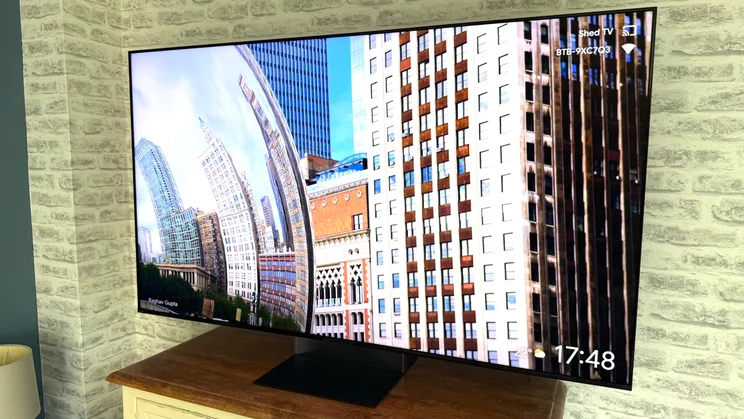
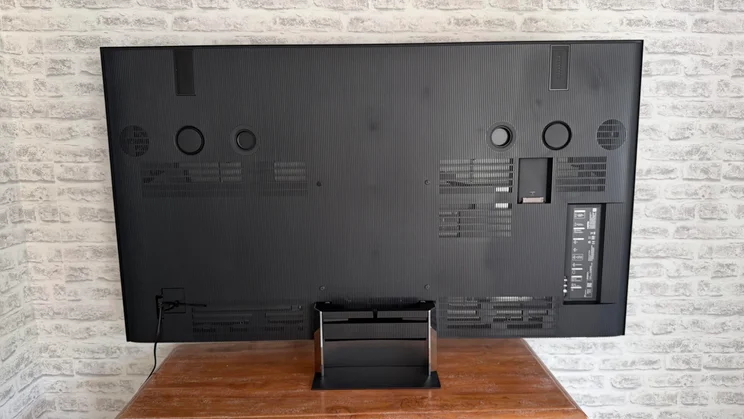
The frame around the screen is so slim it’s barely there, and while the sides stretch back further than those of your average OLED TV, they still look attractive thanks to their unusual two-tier approach and the perfectly flat back panel. This latter feature makes the Bravia 9 II a potentially good wall-hanging option, though I think the ‘transparent’ stand design is too cool not to use.
Frustrating HDMI limitations
The Bravia 9 II has four HDMI ports, as you would expect. Only two of them support 4K/120Hz with variable refresh rates. This seems extraordinary when so much of the competition supports full-bore HDMI 2.1 ports across all their HDMI ports. It’s particularly surprising given cheaper TVs in Sony’s own range have more full HDMI 2.1 ports.
Sony claims the HDMI limitation is due to how long it’s been developing its debut True RGB TVs, but that doesn’t stop it from being a blow to gamers who own more than two modern game consoles or PCs. The Bravia 9 II does offer a couple of exclusive features for PlayStation 5 owners, though, as I’ll explain more in the Gaming section.
Screenshot
At the time of writing, the Bravia 9 II has an eARC bug that prevents sound from correctly passing to eARC-compatible devices. Sony is working on a fix, but there’s no date for when this may appear.
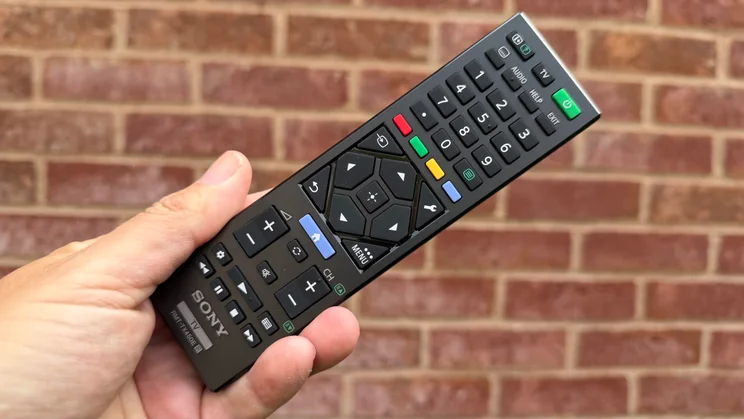
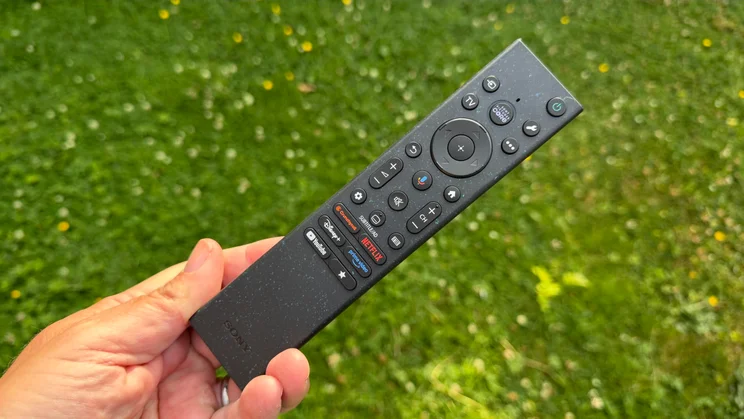
The Bravia 9 II ships with two remote controls: a standard numeric one and a more streamlined smart one. Both are good examples of their types, but most people will prefer the smarter, sleeker option for day-to-day use, as it’s rechargeable via USB-C and has a voice-control mic. Finally, you can add the TV to Sony’s Bravia Connect app if you prefer a graphical interface.
Smart TV platform
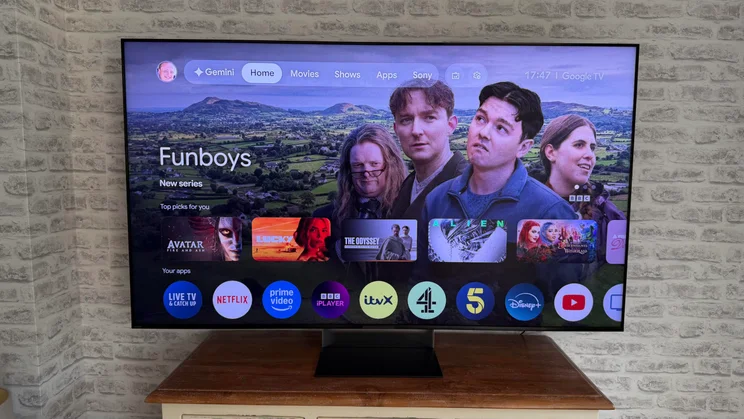
The Bravia 9 II’s video streaming and smart features come from Google TV. It’s a very stable, slick version of Google TV, and YouView remedies Google’s typical UK TV catch-up services blind spot.
The Bravia 9 II has an exclusive-to-Sony app, Sony Pictures Core, which offers Sony Pictures movies and Sony-owned TV shows at streaming rates as high as 80Mbps, for enhanced picture quality. Provided your broadband connection can support such speeds, of course. Buying a Bravia 9 II automatically gets you 10 premium-priced (because they’re relatively recent) movies on the Sony Pictures Core service. The service features titles mastered for the IMAX Enhanced system, with screen-filling aspect ratios and the ‘clean’ image that’s part of the IMAX Enhanced mastering approach.
Screenshot
The Bravia 9 II’s Google TV support automatically unlocks built-in Chromecast, but AirPlay is available for people steeped in Apple’s ecosystem.
Image quality
Sony’s take on standard dynamic range SD, HD and 4K content is a little out of the ordinary but ultimately extremely successful.
Sony is one of the few brands these days that doesn’t carry a Filmmaker Mode, preferring instead a Professional mode that establishes its most ‘accurate to creative intent’ settings. Given that the Bravia 9 II’s extreme brightness is one of its chief attractions for HDR playback, it’s almost shocking to see how disciplined the Bravia 9 II is when it comes to the Professional mode’s adherence to established SDR luminance values, settling at just 110cd/m2 or so as its baseline brightness level.
Professional levels of SDR accuracy
While this makes Professional mode for SDR only really enjoyable in a pretty dark room, it provides an excellent foundation for further impressively accurate measurements using our resident Calman Ultimate Software, G1 signal generator and Klein K-10A spectrometer system. Two-point and Multipoint greyscale checks return Delta E 2000 average errors of just 2.6 and 2.1, while the key ColorChecker test also stays comfortably below 3, where errors may become potentially visible to the human eye.
I recorded higher errors of 4 and 4.2 in Calman’s Saturation and Luminance sweep tests, but it’s still highly unlikely that anyone will seriously detect such a small level of deviance. Subjective impressions of the SDR Professional mode are that it’s gorgeously subtle, beautifully balanced and, as a result, extremely detailed. That’s true even with HD sources, thanks to Sony’s 4K upscaling engine.
Screenshot
Plenty of detail is visible in very dark scenes, despite excellent black levels for an LCD TV. This combination of dark blacks and subtle detail speaks volumes about the Bravia 9 II’s backlight engine.
Standard dynamic range content doesn’t let me fully assess the extra colour gamut that True RGB technology is claimed to deliver. But the gorgeously consistent, balanced and nuanced colour tones SDR enjoys on the Bravia 9 II certainly show there’s no shortage of finesse in the TV’s colour engine.
Juiced-up brightness in Standard mode
In its default Standard mode (once you’ve turned off the various default Eco power management features), the Bravia 9 II turns up the juice considerably. Peak brightness shifts from just over 100cd/m2 to more than 800cd/m2 at most test window sizes, and around 1,000cd/m2 on a 50% SDR window. This is still way below the TV’s maximum brightness, but it’s more than enough to unlock much more of the TV’s spectacular colour range.
Sony’s Standard mode applies an SDR-to-HDR conversion process that’s the best I’ve seen on any Sony TV to date. SDR images look amplified without losing their balance or throwing up any OTT colours or ‘whited out’ brightness peaks. It’s not surprising to find that the Bravia 9 II covers basically 100% of the Rec 709 colour gamut.
Screenshot
Inevitably, the Standard preset doesn’t hit the same accuracy levels in Calman tests as the Professional mode. Though the only thing that matters about the Standard preset is that it makes SDR content look spectacular without losing the balance and feel of the source material.
The Bravia 9 II’s Vivid preset stretches both SDR and HDR content too far, leaving a picture that’s eye-catching but too inconsistent to be immersive. You really don’t need this mode when Standard works so well, though.
HDR performance
The Bravia 9 II comes to life with HDR sources; by RGB LED TV standards, it’s class-leading.
Even in the most accurate Professional mode, the Bravia 9 II is sensationally bright. I recorded Calman measurements of more than 4,400cd/m2 on a 5% test window and 4,220cd/m2 on a 10% window, figures beyond even the 4,000cd/m2 Sony’s ground-breaking BVM-HX3110 professional mastering monitor can achieve.
Screenshot
This makes the Bravia 9 II the first Sony TV truly capable of matching, on paper at least, the brightness of a genuine studio mastering display. And, thanks to its True RGB technology’s ability to cover 99.8% of the P3 HDR colour gamut, it matches the colour range, too.
The Bravia 9 II uses an all-new backlight system to light its individual red, green and blue LEDs, delivering substantial power-efficiency gains over previous Sony TV generations. The 1,530 separately controlled local dimming zones create contrast as good as I’ve ever seen from an LCD TV, at least when you’re watching head-on.
The most spectacular accurate mode I’ve ever seen
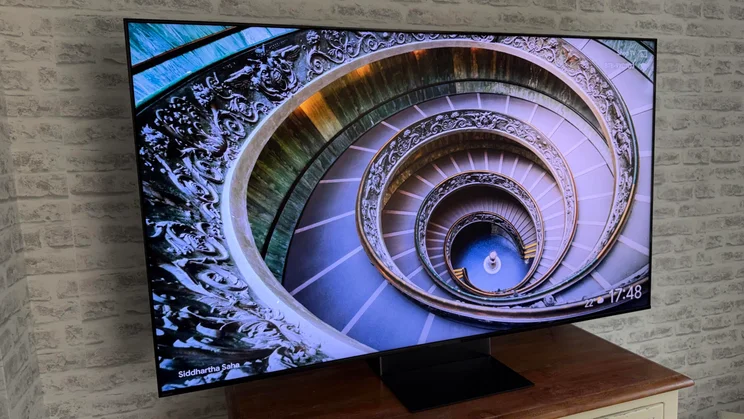
The Bravia 9 II’s remarkable brightness, stellar contrast and immense, vibrant colour delivery combine to create the most engaging and spectacular ‘accurate’ mode I’ve seen on any TV. To be clear, I’m not saying the Bravia 9 II’s Professional mode looks garish, florid or forced. On the contrary, the point is that the Professional preset uses the screen’s extreme capabilities to unlock the fullest expression of even the most aggressively mastered HDR content. This includes the brightest light peaks, the most vibrantly saturated colour tones, the subtlest shadow details and deepest black colours.
Screenshot
The level of spectacle is one other TVs’ Filmmaker Modes or similar just can’t compete with, even though my Calman Ultimate measurements show first-class accuracy. I recorded Delta E 2000 average errors of just 1.3, 1.6, 1.9 and 2.9 for two-point, multi-point, ColorChecker and HDR ContentColor tests. These are amazing results for a TV that’s happy to deploy such far-reaching abilities in its Professional mode.
The only small snags in Professional mode came in Calman’s Saturation and Luminance sweep tests. I recorded error scores just over five, perhaps indicating how tricky it is to control every aspect of the new red, green and blue LEDs used in RGB LED TVs. A faint bluish undertone crept into very dark shots in Professional mode, and I noted extremely rare moments when what should be a red tone against a dark backdrop could take on a slightly brownish hue.
An outstanding Standard mode
I can’t help but think more than a few Bravia 9 II buyers might never use Professional mode because they’ll be so obsessed with the Standard preset pictures. Despite hitting slightly lower brightness peaks (4,000cd/m2) than Professional Mode, Standard mode presents an overall brighter, more boldly saturated HDR image. Like the Standard SDR preset, HDR Standard mode’s approach of opening out the incoming signal’s native intentions rather than turning them into unrecognisable showboating is exceptional. The consistency of the colour in the Bravia 9 II’s Standard mode is so good that I suspect that its success is down in part, at least, to this TV’s unique ability to constantly monitor the temperature of different areas of the screen and apply corrective algorithms to compensate for potential colour shifts different heat levels can cause.
Screenshot
There are a few little niggles with the mostly dazzlingly good Standard preset. While backlight blooming around bright objects is almost non-existent when viewing the TV head-on, it becomes much more noticeable from 30 degrees or more. Standard mode’s higher baseline brightness occasionally causes floating black levels in extremely dark scenes, and despite the Bravia 9 II’s anti-reflection filter being the most all-round effective example of this technology I’ve seen, it can reduce black levels in very bright conditions. But such conditions also tend to disguise this greyness unless you’re specifically looking for it.
To test the Sony Bravia 9 II, I used Portrait Displays Calman Ultimate software.
Gaming
The Bravia 9 II’s gaming story is a little complicated. As noted earlier, only two of its HDMI ports support 4K/120Hz and variable refresh rates. Refresh rate support caps at 120Hz, while other brands deliver 4K at 144Hz or even 165Hz. AMD FreeSync and Nvidia G-Sync aren’t supported, and as with other RGB LED TVs, gaming motion tends to look slightly soft, even at 120Hz.
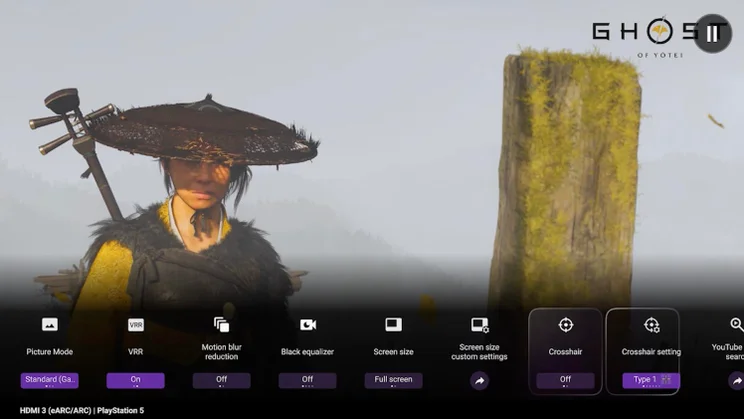
The screen’s brightness, colour and contrast, however, deliver gaming graphics with fantastic punch and intensity. Meanwhile, Sony’s Perfect For PlayStation technology lets Sony’s console automatically select the optimum HDR settings for the Bravia 9 II’s screen.
Screenshot
Add to the Bravia 9 II’s ability to render Game mode images at 60Hz in just 9.8ms and its dedicated on-screen gaming menu, and it can still be a very enjoyable gaming companion. It’s just not quite the class-leading one the maker of the best-selling game console should be doing by now.
Sound quality
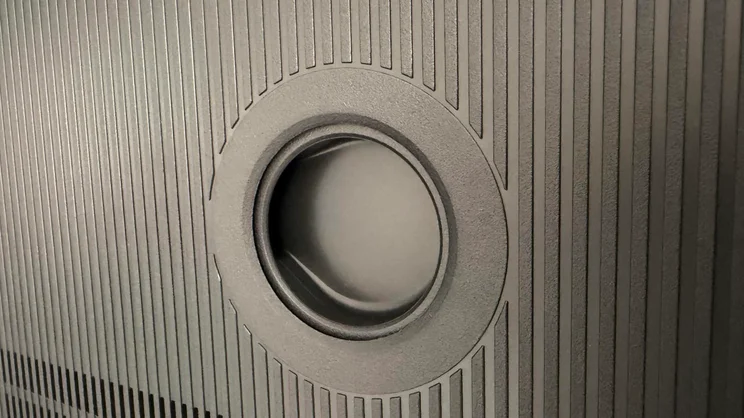
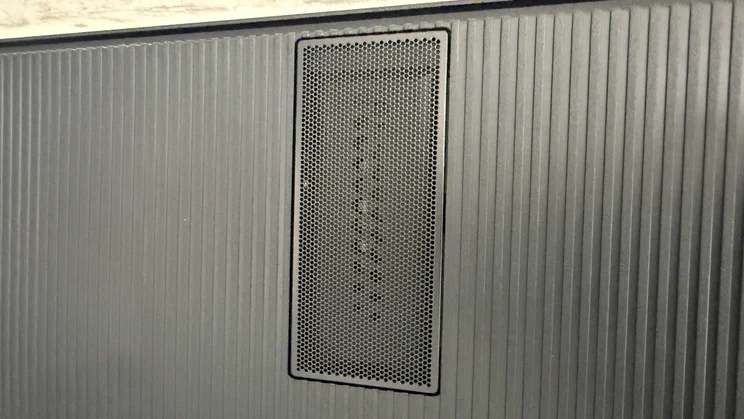
The Bravia 9 II’s redesigned sound system makes it arguably the year’s best-sounding TV. Arranging the TV’s speakers in a horizontal row along the upper third of the rear is a revelation, helping the screen produce a large, detailed soundstage that spreads far beyond the TV’s outer edges. Sound effects are placed with impressive accuracy around the soundstage, and vocals are clean and clear but also well contextualised. Sony also has a nifty AI system that separates vocals, so you can emphasise them if you wish.
Screenshot
The TV delivers high trebles without harshness or warbling, and the mid-range is powerful and open enough to sound forceful without distorting or overloading. Meanwhile, the soundstage with Dolby Atmos and DTS:X soundtracks has a satisfying sense of height.
Screenshot
A little more bass depth and impact from the Bravia 9 II’s dual subwoofers would have been the icing on the cake, but the TV’s low-frequency response still beats most 2026 TVs. Especially as it barely distorts even under the heaviest pressure.
Verdict
Sony hasn’t instantly perfected RGB LED technology with the Bravia 9 II; it still needs to iron out a few minor glitches in the matrix. And it’s a pity the manufacturer hasn’t paired its most premium TV picture technology with better gaming support.
For the most part, though, the Bravia 9 II is a spectacular success. Sony’s refusal to a) be rushed into bringing its debut True RGB TVs to market and b) compromise its vision to hit a price point delivers the most dazzling display of RGB LED technology’s potential I’ve seen to date.
Anyone willing to pay for it will get a TV that delivers some of the most uncompromisingly accurate, intense images I’ve ever seen, plus a picture mode bright and colourful enough to hold up phenomenally well in even the brightest living rooms.


