
To help us provide you with free impartial advice, we may earn a commission if you buy through links on our site. Learn more
- Great battery life
- Unobtrusive, comfortable design
- Useful health insights and tracking
- No ECG or safety alerts
- Imperfect activity detection
- Expensive, with extra subscription costs
The Oura Ring 5 stands in stark contrast to most smartwatches and fitness trackers, whose bulky designs look too much like electronic tags than something I’d want to wear every day. However, I still like the idea of something keeping an eye on my health.
So, when I learned that the newest Oura ring was the smallest, lightest smart ring yet, I was keen to try it for myself. Free from on-device notifications, screens and haptics, it felt like the silent but ever-present monitor I’d been craving, in a package small and comfortable enough to go unnoticed.
The Oura Ring 5 constantly measures and tracks a wide range of health metrics, including heartrate, HRV, blood oxygen and VO2 Max. And it tracks activities, calories and step count, as well as temperature, respiratory rate, and sleep.
It then amalgamates this data and translates it into useful insights focused on heart health, stress management, recovery, sleep, and overall readiness. To fit all that tracking into a device this tiny is an impressive feat, but that means some of the more complex components offered by the latest smartwatches are sacrificed.
Oura Ring 5 Review: What do you get for the money?
The hardware
The Oura Ring 5 isn’t cheap, even by top-spec fitness tracker standards. Its base silver and black finishes cost £399, but if you want gold, brushed silver, rose gold or the matte black ‘stealth’ colour, it’ll cost you £499. The base price is £50 more expensive than the Oura ring 4 was on release and you’ll need to pay an extra £50 more than before to get a premium finish. Now, you can pick up the previous model for as little as £245.
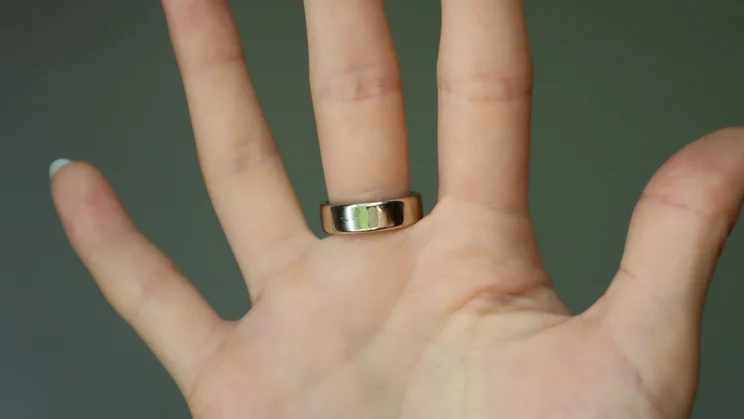
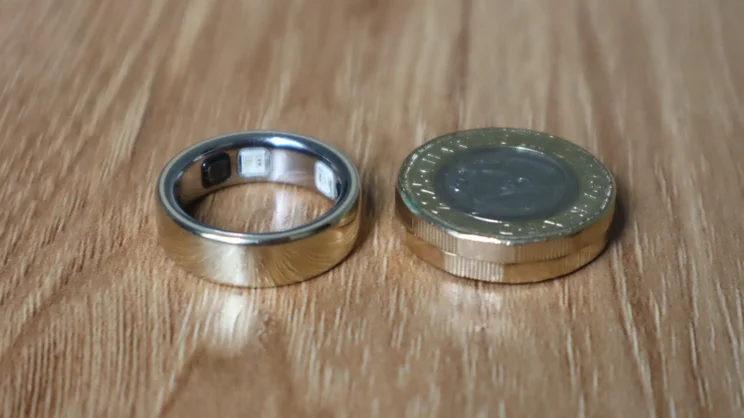
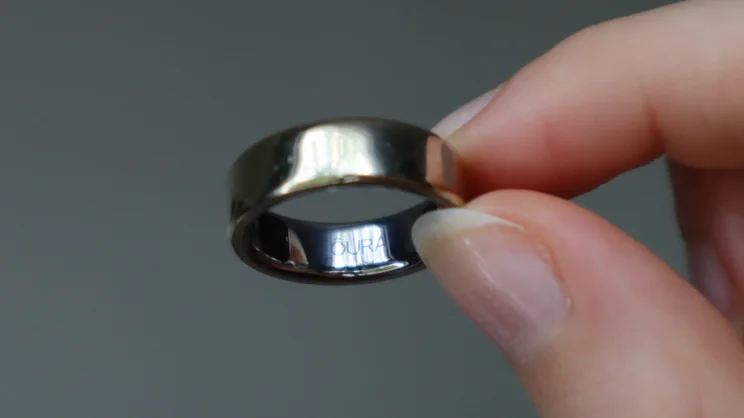
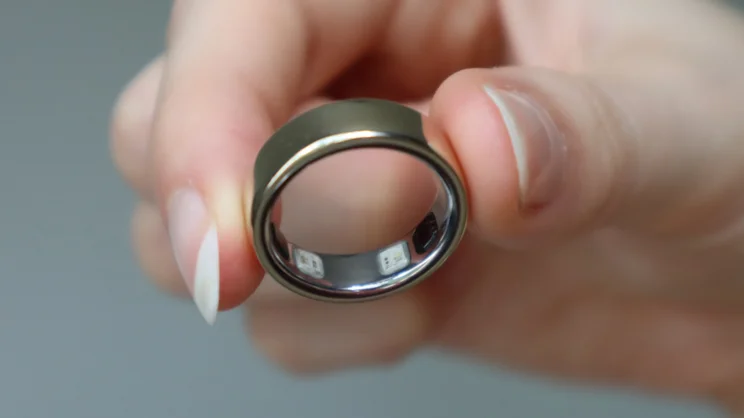
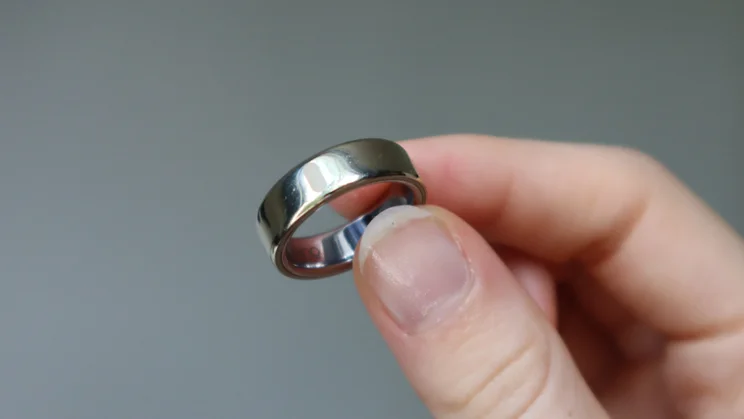
There are eight sizes available, from 6 to 13. This is one fewer size than the Oura ring 4 was available in, which means it doesn’t cater as well to those with very thin fingers. The new ring is 40% smaller than its predecessor and weighs between 2g and 2.69g. Made from titanium, it’s designed to feel light but durable and is coated with Oura’s most scratch-resistant coating. It’s also IP68 rated, which means it’s safe to wear while washing, swimming or bathing.
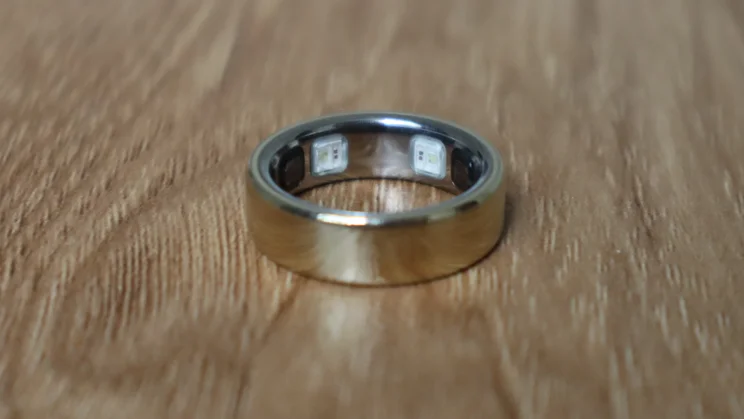
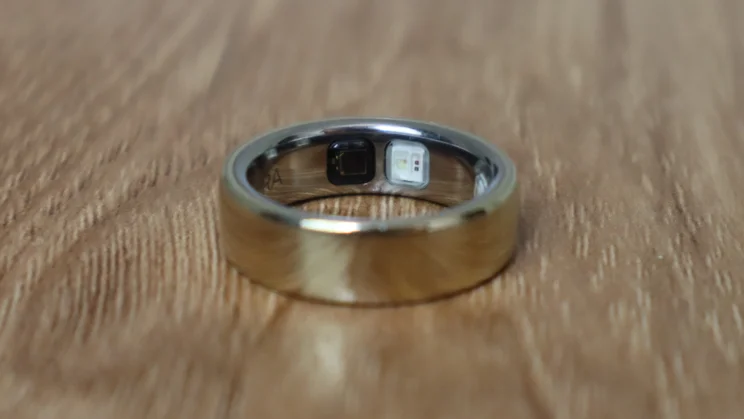
Unlike older Oura rings, which had sensors built into bulky bands, the sensors on the Oura ring 5 are now housed in ‘domes’, around 1mm in depth, which give better skin contact and a slimmer profile. The sensors also employ more powerful LEDs and photodiodes for clearer readings.
Despite its smaller size, battery life has also improved. Depending on ring size, the ring claims to offer six to nine days of use, eking out an extra day of use over its predecessor. A full charge takes 80 minutes.
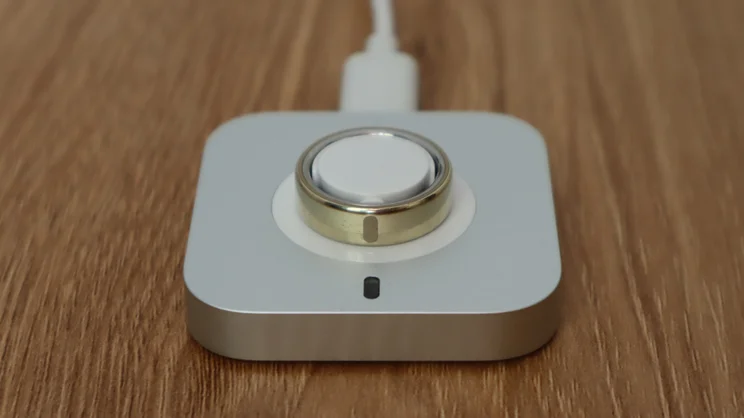
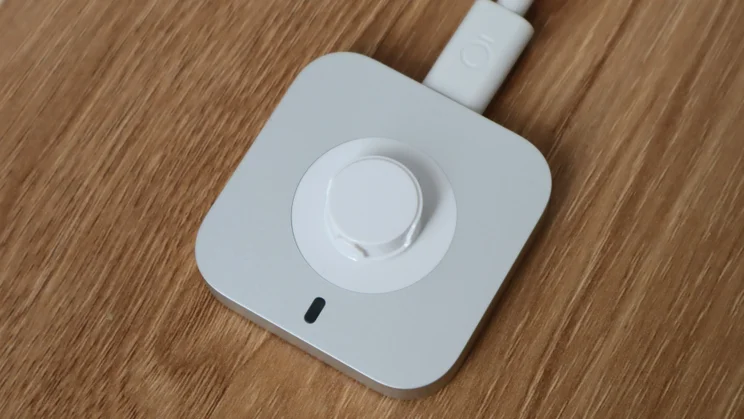
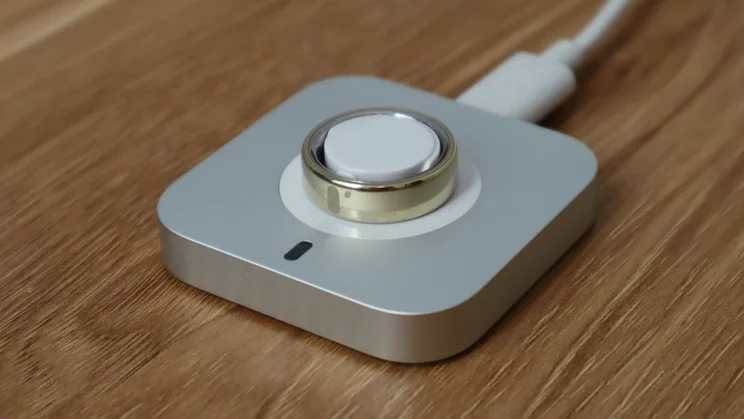
Each ring comes with a USB-C charger, specific to your ring size. Its charging dock is tiny, measuring just 50 x 50 x 15mm and its brushed silver coating looks smart. Oura now also offers a charging case, which is £99 extra and holds a month’s worth of charge. However, I’m not sure this is a necessary addition for most people; I’d only recommend it if you regularly travel off-grid.
Health and fitness features
Having already covered the basics, it’s important to flag the Oura ring subscription fees. To gain access to all of Ouras most useful health insights and data points, you’ll need to pay either £5.99/mth or £70/yr. Those aren’t bank-breaking numbers, but it’s frustrating to have ongoing costs when you’re already paying from £399 up front. Don’t pay the subscription and you’ll be left with the absolute bare bones: vague scores for readiness, sleep and activity. That’s not at all worth it, in my opinion.
The justification for the subscription lies in Oura’s regular app and tracking updates, such as adding specific support for those taking GLP-1s, or improving its activity detection algorithm. All the tracking features you get with the Oura Ring 5 are also available on the Oura ring 3 and 4, so early adopters of Oura now have many more health features than when the ring first launched.
Updates that launched alongside the Oura Ring 5 include live activity tracking, where you can start and pause a workout from in the app. The list of activity types includes all manner of things, from horse riding to hula hooping and housework.
For things like cycling and running, it can also track pace and distance and send data to Strava, although there’s no GPS built into the ring. It gets all its positioning data via your phone. There’s also the option to add an activity later or rely on its automatic activity tracking if you want to fill in any gaps.
From a general health perspective, there’s now an option to upload lab and blood work results to the Oura app. Women’s health tracking has also been broadened with a menopause impact scale, which tracks symptoms and severity, and the option to add birth control to monitor its impact on your cycle. These results can be shared with doctors to help support onward treatment, if necessary.
How I tested the Oura Ring 5
I spent two months testing the Oura Ring, which gave it plenty of time to get used to my routine, learn my chronotypes and figure out what’s “normal” for my body. This also gave it an opportunity to flag multiple occasions where my body had “minor” or “major” signs of stress.
I also tested the accuracy of the ring’s tracking where possible, by comparing its heartrate readings to a separate heart rate monitor and sleep tracking to that from a Garmin smartwatch.
While using the ring, I tried to live life as usual, noting any usability issues as well as instances where comfort could be improved. This was especially important while weightlifting, since the ring is more likely to get in the way than a smartwatch. In this time, I also kept a close eye on the ring’s scratch-resistance and durability.
What makes the Oura Ring 5 different?
Since all the in-app tracking is available across the Oura Ring 3, 4 and 5, the only tangible reasons to splash out on the latest model is its size, the accuracy of its tracking, and its marginally improved battery life. I wore my partner’s Garmin fitness tracker for a few days to test the accuracy of the Oura’s health tracking and found the heart rate data married up well.
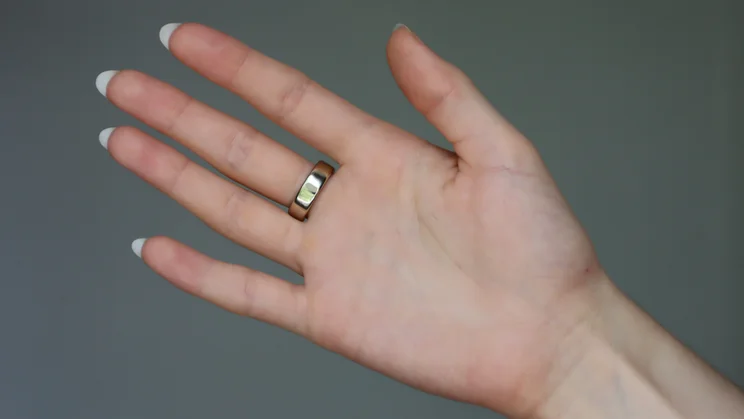
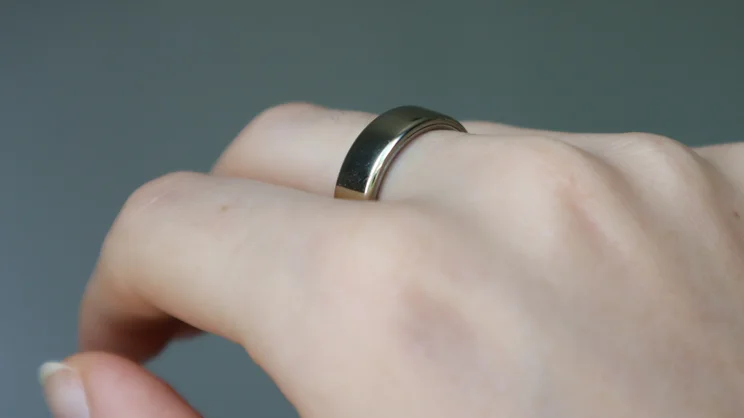
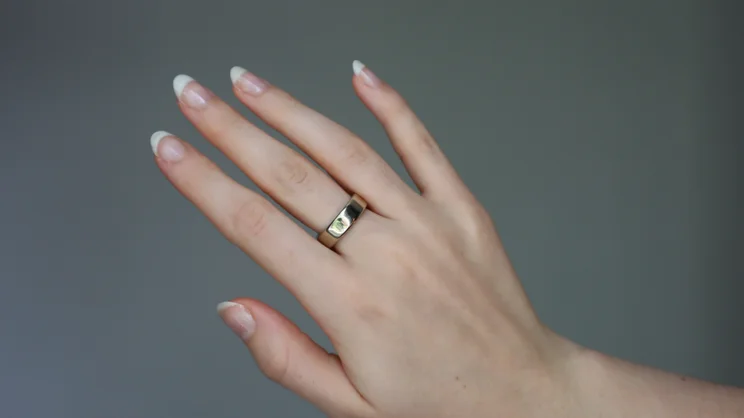
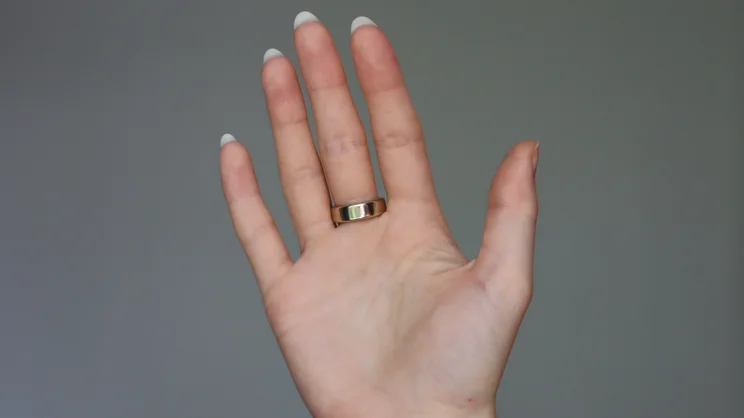
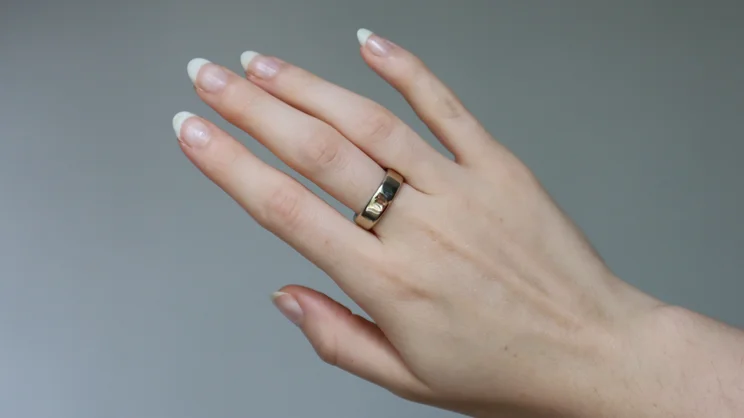
For me, the size is the real selling point. I wear the ring on my middle finger and completely forget it’s there most of the time. The true gold finish of the ring blends in with my jewellery, with none of the artificial yellow tone you often get in gold-coloured tech. It has worked beautifully to track my data without getting in the way.
To test the ring’s scuff-resistance and low-impact activity tracking, I have been wearing the ring during my gym workouts, where rough textured weights are likely to cause dents, dinks and scratches. To my surprise, the underside of the ring has only suffered minor surface-level scratches – fingerprints on the ring are more noticeable. And, after a few weeks of learning my routines, the ring now automatically picks up on my workouts.
And, while this isn’t exclusive to the fifth generation, this is the only tracker I’ve used that has seamlessly combines all aspects of my health including medications, medical conditions and birth control. Specifically, its automatic menstrual cycle tracking is the most effortless I have ever used. My irregular cycles rarely correspond to what traditional tracking apps expect, so having Oura keeping track automatically is far easier.
What can’t the Oura Ring 5 do?
The glaringly obvious caveat to the Oura Ring 5 is the ongoing subscription costs. And, when compared with other similarly priced fitness trackers, like the latest Apple Watch, you also lose out on ECG, real-time safety alerts for falls and live feedback during activity tracking.
Its activity tracking isn’t flawless either. Every morning without fail it picks up around ten minutes of stretching, which I never do. And, on many occasions, I’ve forgotten to pause the live tracking on my longer gym workouts, only to remember hours later when I’ve returned to my natural position reclining on the sofa.
You can dismiss the phantom activities and fix the live activity timings in the app afterwards, but it isn’t ideal. Considering it knows my heart rate, automatic pause detection shouldn’t be hard to implement.
Should you buy the Oura Ring 5?
I came into this review thinking I would like the Oura Ring 5, and it lived up to my high expectations. Its app was easy to navigate and gave just enough information without being overcomplicated.
While its fitness tracking could use a little tweaking, it’s a great all-round health tracker that does all the hard work and analysis for you, providing reassurance when things are good and actionable guidance when things fluctuate.
I think its slim design and intuitive tracking insights justify the upfront costs, but the subscription model won’t be for everyone. For a smart ring that doesn’t have subscription fees, it’s worth looking into Ultra Human, RingConn or the Samsung Galaxy Ring


