To help us provide you with free impartial advice, we may earn a commission if you buy through links on our site. Learn more
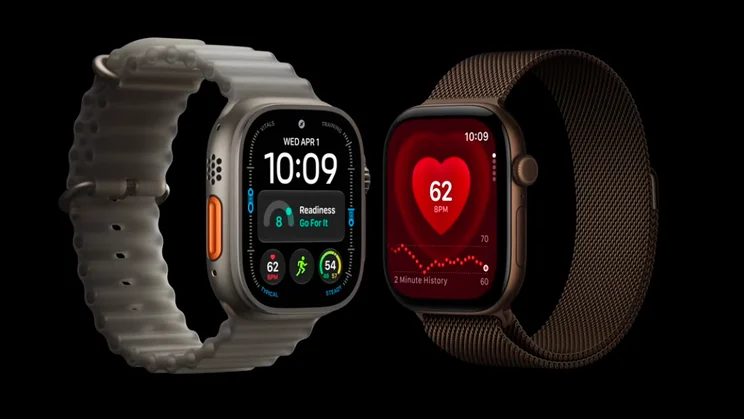
For some time now, Apple has eschewed dramatic upgrades to the Apple Watch in favour of smaller, incremental additions, and 2026 sees exactly the same approach for the Apple Watch Series 12 and Apple Watch Ultra 4.
The new models were launched alongside Apple’s first folding phone, the iPhone Duo, the iPhone 18 Pro and 18 Pro Max and the Apple AirPods 5 at the company’s autmun launch event in California.
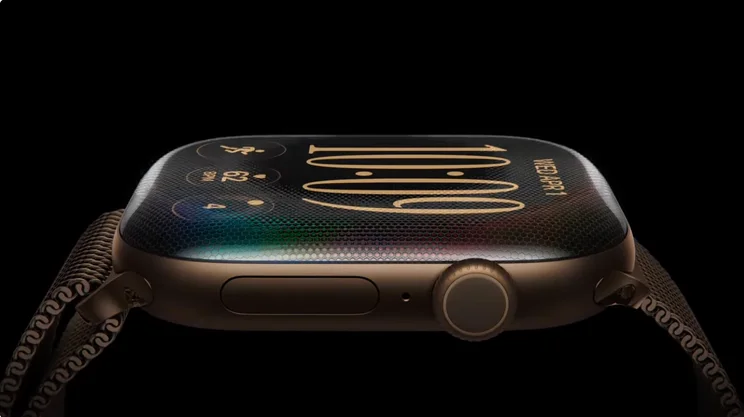
For the Apple Watch Series 12, the screen is the same, as is the body design, and battery life is still rated at a disappointing 24 hours, but there are some changes to take note of.
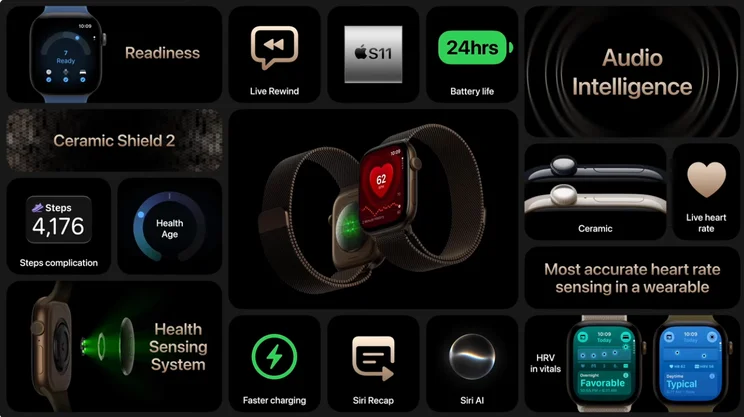
There’s a new case colour: Dark Bronze to go with Light Gold, Space Grey and Black and the aluminium Apple Watch Series 12 models now come with Ceramic Shield 2 glass for better scratch and scuff resistance. If you’ve got a bit of extra cash, the Series 12 is also now available with a new ceramic body, available in Pearl White and Night Blue.
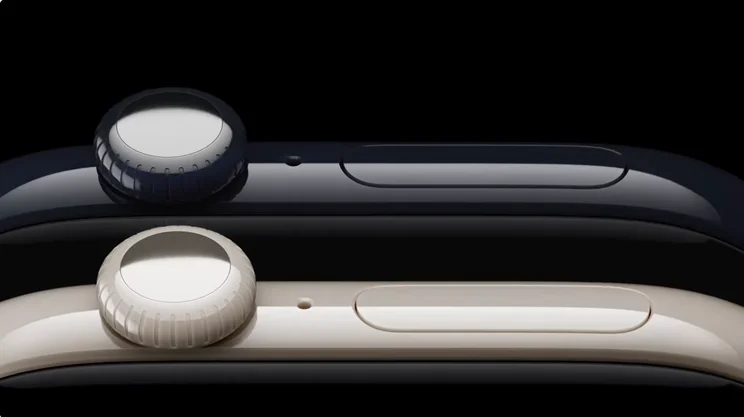
And there’s a new chip under the hood – the Apple S11 – powering some of the new features detailed below.
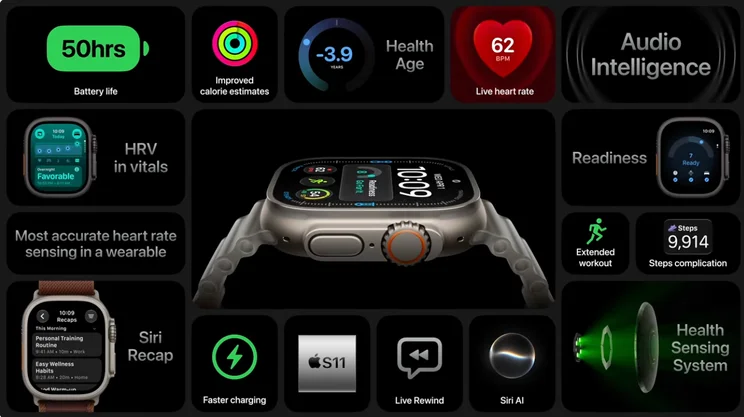
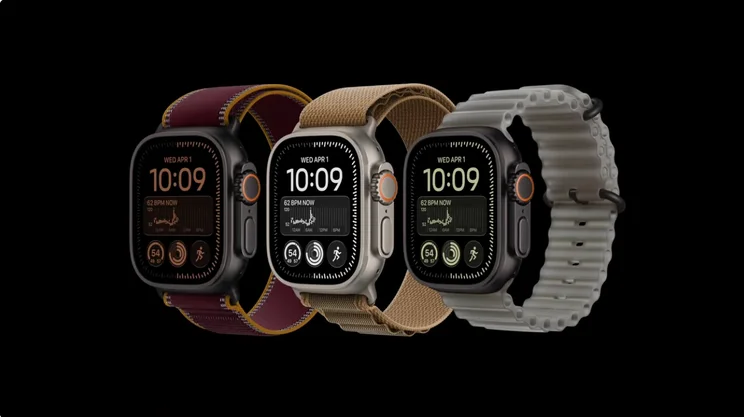
The Apple Watch Ultra 4 has the design as before and uses the same materials, but has slightly longer battery life, thanks to the new S11 chip and a larger battery. The Ultra 4 now delivers “over two days” of battery life, up to 18 hours of continuous GPS tracking or up to 45 hours with the Max Extended workout mode, which is long enough to “conquer a 100-mile race”.
Health Sensing System
The highlight upgrade for this generation of Apple Watches, however, is Apple’s new “Health Sensing System”, a big upgrade to the Apple Watch’s heart rate and ECG sensors built into the rear of the watch case.
This sensor array gets three core improvements. The first is that the size of the electrodes used for ECG readings has been improved. The second is that the photodiodes used for recording your heart rate have been redesigned and arranged in a ring to capture light more efficiently. And the third is that the sensor array now uses larger, more power efficient green LEDs.
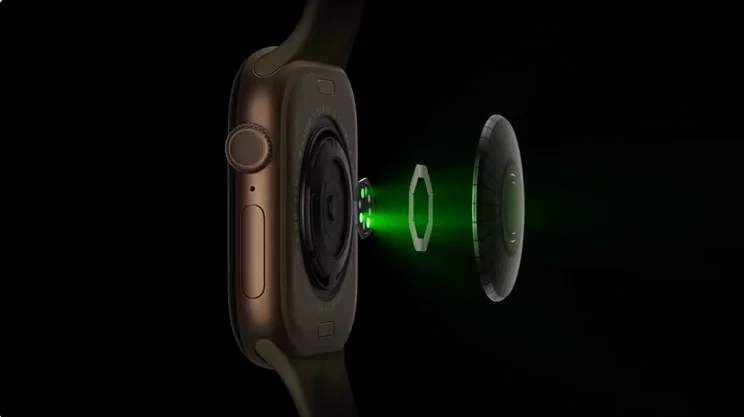
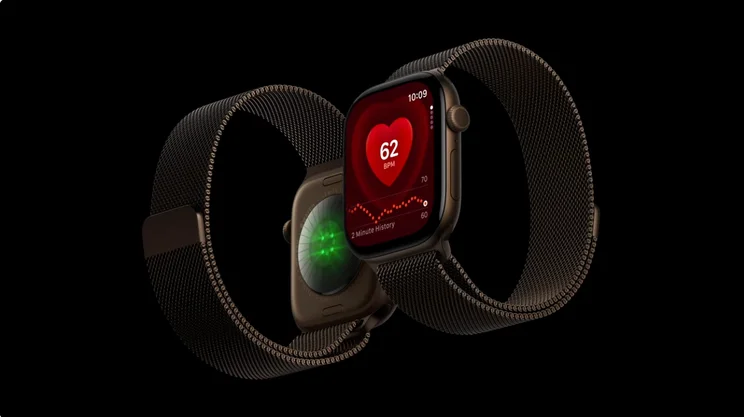
The upshot, Apple says, is that the watch is now able to capture your background heart rate more frequently than previous generations – once every five seconds compared with once every three minutes – and is able to take HRV readings “as frequently” as every five minutes. Again, that’s more frequent than the previous generation, which only took readings once every hour and 20 minutes or so.
The latter measurement enables the watch to deliver much more accurate heart rate sensing, the most accurate in a wearable, Apple claims. And it also allows the watch to deliver new metrics, key among those being Apple’s very first “Readiness score”.
This is not a new idea. Watches from other companies such as Garmin, Whoop!, Huawei and more have been doing this for a while now, but essentially it’s a number that represents how ready you are for a workout. It does this by analysing recent activity, general health metrics and sleep and will recommend activity levels for the day ahead.
The Apple Health app is getting a redesign later this year, and a host of improvements powered by Apple Intelligence – it’s a long time coming and looks a lot more attractive than the bare bones, rather confusing interface of the old Health app. New features include personalised workout suggestions, AI powered health summaries, and Health Age, which indicates how good (or not) your overall health compares to the average for your age.
Beyond this, there’s a new VO2 max test in the Health App, which uses your phone’s camera, and your Apple Watch to provide a quick assessment of your general fitness levels.
There’s also a selection of new features on the Watch itself powered by Apple Intelligence, the most interesting of which is Audio Intelligence. This uses the microphones built into the new Apple Watch models to listen out for sounds like sirens, doorbells or a baby crying and will notify right on your wrist. That could seriously help out deaf people and those whose hearing is failing in old age.
The new watches can also listen into conversations and trascribe them in real time, allowing you to live rewind to recap recent conversations. And they can also take “high-level notes of your conversations as they happen” using a feature called Siri Recap. This sounds like a bit of privacy can of worms to us, and Apple was keen to highlight that the watch does not record or keep audio, does not let you access the audio directly and employs end-to-end encryption. These two features will be available later in 2026 in beta, and only in English to start with.
Early verdict
Taken altogether the Apple Watch Series 12 and the Watch Ultra 4 look like a more interesting upgrade than they appear at face value.
It’s slightly disappointing to note that some of the more interesting features won’t be available until later in the year and that some will be “in beta” for a while to come. But it’s good to see Apple finally embracing training readiness and redesigning the Health App – it was awkward and difficult to use when it was first introduced and hasn’t improved over the years.
And it’s great to see that neither model has risen in price, too, with the Apple Watch Series 12 starting at £369 and the Ultra 4 at £749. You can pre-order both right now with units reaching the Apple Stores on 18 September.