To help us provide you with free impartial advice, we may earn a commission if you buy through links on our site. Learn more
- Best phone camera: At a glance
- How we test smartphone cameras
- The best phone cameras in 2026
- 1. Oppo Find X9 Ultra: Best phone camera overall
- 2. iPhone 17 Pro: Best video camera
- 3. Google Pixel 10 Pro: Best selfie camera
- 4. Samsung Galaxy S26 Ultra: Best night camera
- 5. Xiaomi 17T: Best mid-range camera
- 6. Nothing Phone (4a): Best budget camera
- How to choose the best phone camera for you
- Our team of experts have tested and reviewed more than 600 smartphones over the past two decades, snapping thousands upon thousands of photos and recording hours of video footage
- Right now, the very best phone camera is the Oppo Find X9 UItra, with its versatile lens array, exceptional video recording and unique 10x telephoto camera
- Apple users should pick up the iPhone 17 Pro. It offers the best video recording in the business and includes the adaptable Center Stage selfie camera
- Read on to see which other phone cameras we recommend the most, including the best for night photography, best for selfies, and more affordable options, for those on a budget
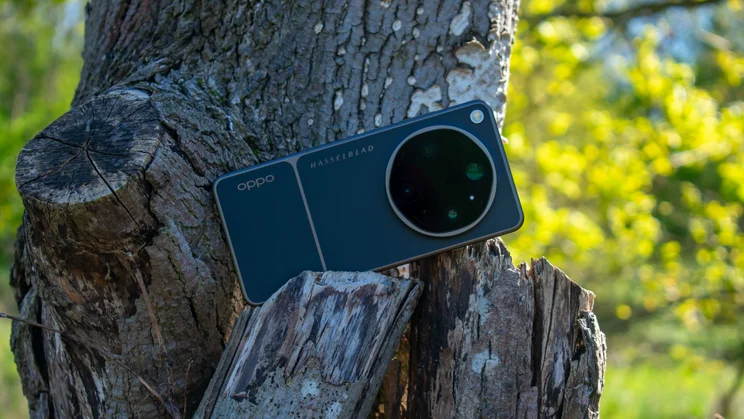
Here at Expert Reviews, we’ve tested all of the best phone cameras, snapping pictures with around 50 new handsets last year alone. Of all the smartphones we’ve got our mitts on, none have impressed as much as the Oppo Find X9 Ultra: its combination of high-resolution sensors, outstanding videography and a unique 10x telephoto lens make it our favourite phone camera right now.
From the most expensive flagships to the budget phones you buy out of sheer necessity, we put each and every phone camera that comes across our desks through the same thorough testing process, vetting all available lenses in real-world scenarios before we decide whether or not to recommend them.
You can read a more detailed breakdown of our testing process just below, and we’ve also got a handy link that will jump you down to our buying guide, where you’ll find a quick rundown of all the terminology and features to look out for when shopping for a new smartphone camera. Otherwise, read on to see our regularly updated list of the best phone cameras on the market.
Best phone camera: At a glance
- Best overall: Oppo Find X9 Ultra | Check price at Currys
- Best for video: iPhone 17 Pro | Check price at John Lewis
- Best for selfies: Google Pixel 10 Pro | Check price at Argos
- Best budget option: Nothing Phone (4a) | Check price at John Lewis
How we test smartphone cameras
Modern smartphones incorporate a variety of different lenses and shooting features, so while our testing methodology is broadly consistent across releases, the individual elements we need to test can vary from one review to another. That being said, our phone camera testing is as thorough as possible, putting the latest handsets through a variety of demanding shooting scenarios, including low-light conditions (both indoors and outdoors), night scenes, and portrait photography.
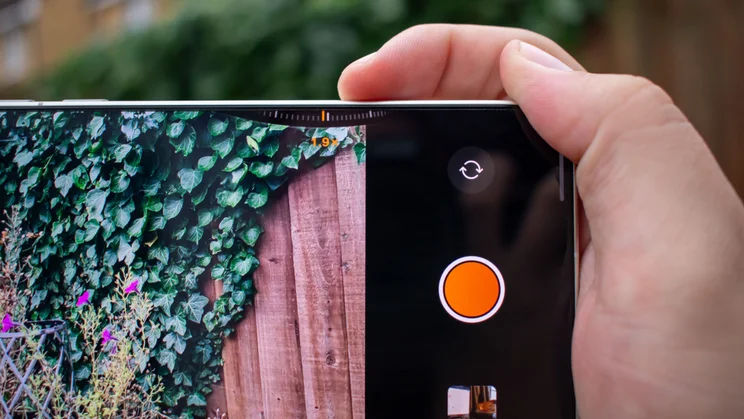
With every review, we make every effort to ensure that all camera features have been fully tested before delivering our final verdict. This may include ultrawide and zoomed shooting, macro photography, as well as various resolution, frame rate, and stabilisation settings for recording video.
We never test smartphone cameras in isolation. A comparator device – which can either be a rival product, or the review model’s predecessor – is always used for direct comparison in testing, with side-by-side images published as part of our full reviews. Wherever possible, we also discuss the stock camera app, being sure to mention any irritating quirks or any specific user-friendly features.
Our experts have been testing phone cameras since the time a 2-megapixel lens on a flip phone was considered luxury. In that time, we’ve put hundreds upon hundreds of phones through our in-depth, proprietary testing procedure.
Verdicts are completely independent and based on the results of our testing and expert analysis – regardless of brand or popularity, if a phone underdelivers in our test shoots, we’re going to tell you about it.
The best phone cameras in 2026
1. Oppo Find X9 Ultra: Best phone camera overall
Price when reviewed: £1,449 | Check price at Currys





Reviewed by Ben Johnston
- Great for… unrivalled zoom photography and extensive video recording
- Not so great for… very expensive
In our review of the Find X9 Ultra, we called it a “new standard in smartphone photography”, thanks in no small part to its outstanding 10x periscope telephoto lens. This is a level of optical zoom that no other rival can match right now, delivering impeccable zoom shots and striking portraits.
That’s just one of an extremely accomplished suite of lenses, all developed in collaboration with the photography legends at Hasselblad. The 200-megapixel main lens delivers fantastic levels of detail and gorgeous night shots, the 50-megapixel ultrawide produces some of the best wide-angle shots in the industry and the 50-megapixel selfie shooter captures crisp portraits and rich skin tones. Video is very in-depth, too, shooting 8K at 30fps or 4K up to 120fps and including options for 10-bit HDR and LOG recording.
It’s such a well-rounded camera, in fact, that the only criticism that we can level is that the Find X9 Ultra is very expensive. Still, if money is no object, this is without a doubt the best phone camera that you can buy right now.
Read our April 2026 Oppo Find X9 Ultra review
Key specs – Rear camera: 200MP (f/1.5), 200MP (f/2.2) 3x periscope telephoto, 50MP (f/3.5) 10x periscope telephoto, 50MP (f/2.0) 123° ultrawide; Front camera: 50MP (f/2.4); Stabilisation: OIS; Maximum video resolution: 8K/30fps, 4K/120fps
2. iPhone 17 Pro: Best video camera
Price when reviewed: £1,099 | Check price at John Lewis





Screenshot
Reviewed by Jonathan Bray
- Great for… versatile video suite and dynamic selfie camera
- Not so great for… no 8K video
As much as Android phones have worked hard to catch up, Apple remains the gold standard for video recording, and the best presentation of this is the iPhone 17 Pro, as it offers all the perks of the Pro Max at a more affordable price.
Chief among these is an incredibly deep video suite, that shoots 4K footage up to 120fps and includes options for recording Dolby Vision HDR (fully stabilised) as well as capturing Apple ProRes or LOG formats, affording greater editing control for those using the phone in a professional capacity.
Beyond the video, the new 48-megapixel 4x telephoto lens delivers crisp zoom shots and the Center Stage selfie camera uses a square sensor to allow you to capture portrait or landscape selfies without having to turn the phone.
The one caveat to the strength of the video suite is that there’s no option to shoot 8K video. This is a shame – and there are other options on this list that do include that – but it’s such a niche feature that it doesn’t undermine the strength of the video offering as a whole.
Read our October 2025 iPhone 17 Pro review
Key specs – Rear camera: 48MP (f/1.8), 48MP (f/2.8) 4x periscope telephoto, 48MP (f/2.2) 120° ultrawide; Front camera: 18MP (f/1.9); Stabilisation: OIS; Maximum video resolution: 4K/120fps

3. Google Pixel 10 Pro: Best selfie camera
Price when reviewed: £749 | Check price at Argos





Reviewed by Ben Johnston
- Great for… excellent portrait photography and deep editing suite
- Not so great for… some AI features are hit-and-miss
As much as other phones excel more in specific areas, none have nailed the point-and-shoot mechanic quite like Google, and the Pixel 10 Pro really demonstrates how beneficial this is with selfie photography. The 42-megapixel front-facing sensor produces great detail and phase detection autofocus (PDAF) snaps onto the target, capturing crisp, well-focused shots very quickly in our testing.
The image processing software subtly touches up the final result, delivering striking shots that require no further tweaking from you, but if you did want to get your hands dirty, Google also includes a wonderfully deep and effective bench of editing tools, including Object Eraser, Zoom Enhancement and unique features like Add Me and Best Take.
Some of the AI in these features can be hit-and-miss – Add Me struggled to light people correctly in the final, combined image in testing – but it’s still broadly a win. Add in a fantastic main camera, class-leading ultrawide and 5x telephoto on the rear, and this is an excellent camera offering.
Read our August 2025 Google Pixel 10 Pro review
Key specs – Rear camera: 50MP (f/1.7), 48MP (f/2.8) 5x periscope telephoto, 48MP (f/1.7) 123° ultrawide; Front camera: 42MP (f/2.2); Stabilisation: OIS; Maximum video resolution: 8K/30fps, 4K/60fps

4. Samsung Galaxy S26 Ultra: Best night camera
Price when reviewed: £1,279 | Check price at John Lewis




Reviewed by Ben Johnston
- Great for… very wide aperture and excellent zoom photography
- Not so great for… rather pricey
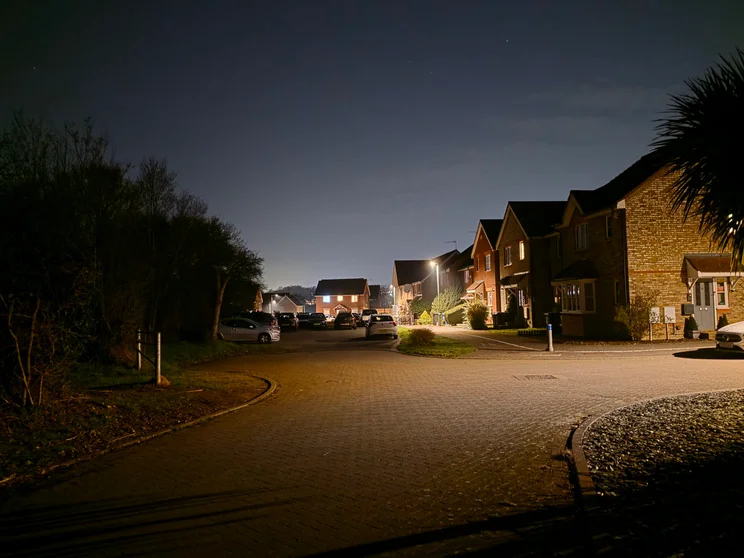
The new main camera on the Samsung Galaxy S26 Ultra combines a massively high-resolution 200-megapixel sensor with a wide f/1.4 aperture (the largest on the market) to deliver exquisite detail and rich colouring in night photography. Where this really succeeded in our test shots was how it retained the “night” feel, keeping shadows moody and dark without losing too much detail in the blackness.
It tested extremely well in good lighting, too, with some of the best zoom photography we’ve seen from any phone. The 50-megapixel 5x periscope telephoto camera produced simply sublime shots in our testing, with razor-sharp detail and perfect dynamic range, and the hybrid zoom goes all the way up to 100x. Shots at the full magnification are a little blurred but up to around the 30x mark delivers fantastic zoom quality.
Add in a brilliant video suite that shoots up to 8K at 30fps, 4K at 120fps and can record 10-bit HDR and LOG formats to boot, and the Galaxy S26 Ultra is one of the most well-rounded cameras around. The only downside is that it is very expensive.
Read our March 2026 Samsung Galaxy S26 Ultra review
Key specs – Rear camera: 200MP (f/1.4), 10MP (f/2.4) 3x telephoto, 50MP (f/2.9) 5x periscope telephoto, 50MP (f/1.9) 120° ultrawide; Front camera: 12MP (f/2.2); Stabilisation: OIS; Maximum video resolution: 8K/30fps, 4K/120fps

5. Xiaomi 17T: Best mid-range camera
Price when reviewed: £649 | Check price at Xiaomi




Reviewed by Ben Johnston
- Great for… outstanding 5x telephoto and impressive zoom photography
- Not so great for… middling ultrawide camera some oversaturated colours
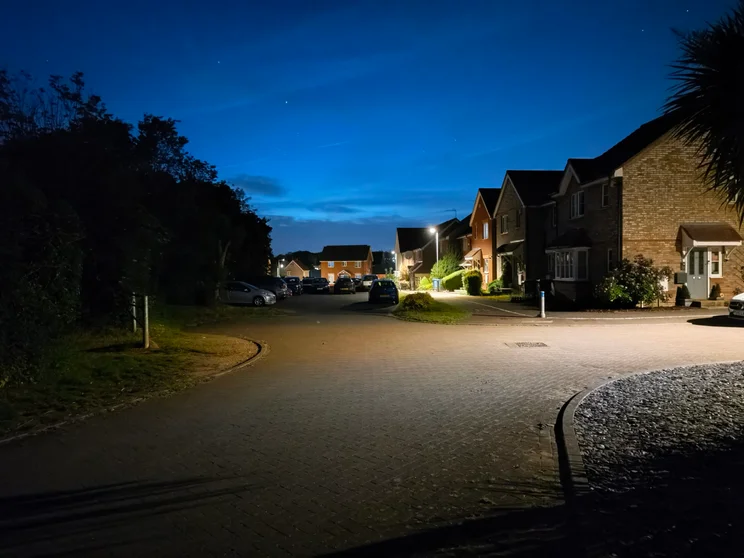
You don’t need to pay flagship prices to get phenomenal photography, and the Xiaomi 17T is the best example of this. Not only does it include a gorgeous 5x periscope telephoto camera that delivered striking portraits and crisp macro shots in our testing, it also can achieve a hybrid zoom up to 120x. AI smoothing makes things look a little uncanny at the full zoom but we found that the 20x to 40x range delivered some brilliant shots with great detail.
All of the rear cameras are tuned in collaboration with Leica and, as long as you switch from Leica Vibrant to the Leica Authentic colour profile, shots look beautiful (on Vibrant, some colours come out too oversaturated). Video shoots up to 4K/60fps and can record 10-bit HDR and LOG formats, too, both of which are rare in this price range.
The only one letting the side down is the ultrawide camera. It’s not overtly bad, it just lacks in the detail department, with the 12-megapixel sensor feeling noticeably weaker than the 50-megapixel shots from the main and telephoto cameras.
Read our May 2026 Xiaomi 17T review
Key specs – Rear camera: 50MP (f/1.7), 50MP (f/3.0) 5x periscope telephoto, 12MP (f/2.2) 120° ultrawide; Front camera: 32MP (f/2.2); Stabilisation: OIS; Maximum video resolution: 4K/60fps

6. Nothing Phone (4a): Best budget camera
Price when reviewed: £349 | Check price at John Lewis




Reviewed by Ben Johnston
- Great for… strong main camera and rare telephoto lens
- Not so great for… weak ultrawide shots and no 4K/60fps video
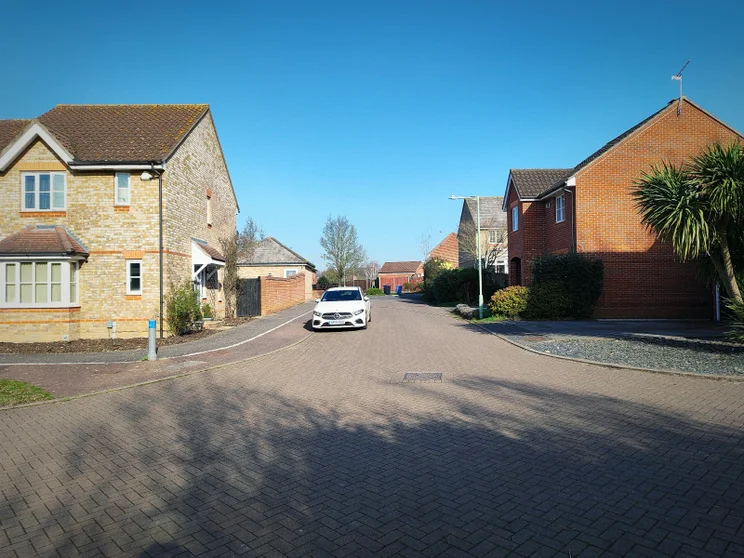
Nothing prides itself on standing out from the crowd but the biggest benefit of the Nothing Phone (4a) isn’t its eye-catching design, it’s the fact that its camera array includes a 3.5x periscope telephoto camera – something that you hardly ever seen from phones this cheap.
Test shots captured with this lens were sharp and beautifully lit, with bold colours and decent contrast, making it particularly well-suited to capturing portraits. The main lens impressed us, too, producing beautifully natural colouring in good lighting and plucking plenty of detail out of the shadows in our night shots.
The 8-megapixel ultrawide camera produced weak results in our testing, and it would have been nice to see Nothing up the 4K video recording to 60fps, but it’s hard to be too mad at these points when you’ve got that telephoto camera for such a low price.
Read our March 2026 Nothing Phone (4a) review
Key specs – Rear camera: 50MP (f/1.9), 50MP (f/2.9) 3.5x periscope telephoto, 8MP (f/2.2) 120° ultrawide; Front camera: 32MP (f/2.2); Stabilisation: OIS; Maximum video resolution: 4K/30fps

How to choose the best phone camera for you
Do more megapixels make a better camera?
No. Not entirely. Most phone manufacturers market their phones as if this were so, but a camera having a 200-megapixel lens doesn’t automatically mean that it’s better than a rival with 108-megapixels or even 50-megapixels.
Megapixels represent the overall resolution of the camera, denoting how many pixels it packs in total – there are roughly one million pixels per MP, so a 50-megapixel camera will have around 50 million pixels, and so on.
The idea is that each pixel takes in information, and then the final photo is cobbled together like a giant mosaic. In reality, however, most phones don’t tend to shoot with their full resolution as standard (though you can opt to do so in the shooting settings).
Instead, a technique called “pixel-binning” is used to combine pixels – usually 4-in-1, 9-in-1 or 16-in-1, depending on the amount of pixels – into merged “super pixels”, trading the higher resolution for brighter, clearer images overall.
So what makes a good phone camera?
Pixel size (μm)
For starters, it actually matters how big the pixels themselves are: the more surface area that a pixel has, the more light it can take in, thus delivering higher detail. This is particularly key in low-light conditions, and the above pixel-binning technique is often employed as a method to compensate for smaller pixels – 16 eyes are better than one, in this case.
Here’s where the megapixel notion falls through a little. Pixels are tiny, measured in micrometers (μm) but they do take up some physical space, especially when numbered in the millions. Therefore, a 108-megapixel camera using the same physical space as a 50-megapixel camera would need to use smaller pixels, giving the latter a potential edge when it comes to detail in low-light photography.
Sensor size
Speaking of that physical space that holds the pixels, the size of the image sensor is important to note, as well. Measured in fractions of an inch (1/1.4in, 1/1.9in and so on), image sensors are the chip that absorbs light and converts it into a digital image, so once again, larger surface area means more information gathered, producing a broader dynamic range and reducing visual noise.
Stabilisation (OIS/EIS)
As the name suggests, stabilisation is designed to counteract your shaky hands, ensuring that the final image remains crisp and clear. It comes in two flavours, with Optical Image Stabilisation (OIS) using physical hardware such as gyroscopes and motors to compensate for the wobbles, while Electronic Image Stabilisation (EIS) is achieved with software.
Both have their value but you’ll find the more premium phones employing the superior OIS on the majority of their lenses.
What does the f-number mean on my phone camera?
This is the other key element to keep an eye out for: the aperture. This number represents the physical opening of the camera lens, with a higher number indicating a more narrow opening, and vice versa.
In general, the lower the f-number, the wider the opening, allowing for a greater intake of light, producing better information for the final photo. This is useful in all instances but comes into play especially with low-light photography, where it’s crucial that the camera scoops up every last morsel of information possible.
What is a telephoto camera?
Telephoto lenses allow your phone to capture clear images while further away from your subject. The physical lens magnifies the image before the shot is taken, meaning that more information is retained than with digital zooms, which essentially just crop in on images taken by the main camera.
We regularly see phone telephoto cameras offering 2x, 3.5x, 5x and, in the very rare cases, an impressive 10x magnification. Towards the higher numbers, it’s commonplace for manufacturers to use what’s called a “periscope telephoto”. This setup uses a prism to bend light 90-degrees, with the lens array situated horizontally, rather than sticking out from the rear of the phone. This allows for more complex lens arrangements without requiring drastically more space, keeping your phone from being too thick.
What is an ultrawide lens?
While telephotos are more of a premium feature, near-enough every phone will likely include an ultra-wide lens alongside the standard “wide” main camera. Ultrawides expand the field of view to somewhere around 120-degrees (compared to between 75 and 85-degrees on the main lens), allowing you to take in more of your surroundings.
This is ideal for taking in sweeping landscapes, shooting tall buildings or fitting more of a tight indoor space into frame, but comes at the expense of detail. Widening the field of view means that the edges and corners can often look a little warped, with poorer detail than the centre of the frame.