
To help us provide you with free impartial advice, we may earn a commission if you buy through links on our site. Learn more
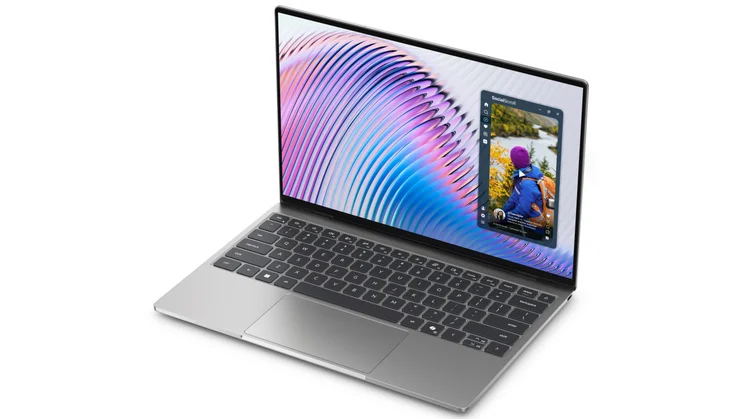
Dell has made good on its pre-CES 2026 promise to deliver an XPS laptop at a more affordable price point. The new Dell XPS 13, unveiled at Computex in Taipei, is an Intel-based 13in laptop, designed to go toe-to-toe with the Apple MacBook Neo. And despite RAM and storage prices going through the roof at the moment, it will cost a mere $699 (or $599 for students in a special back-to-school promotion in the autumn).
Despite the low price, however, Microsoft’s riposte to the Neo is no typical budget laptop. It comes with a 13.4in touchscreen with 2.5K resolution (2,560 x 1,600), peak brightness of 500 nits and full coverage of the P3 colour space.
Dell XPS 13 (2026) specifications
| CPU | Intel “Wildcat Lake” Core 5 320 |
|---|---|
| RAM | 8GB |
| Storage | 512GB SSD |
| Display | 2,560 x 1,600, 30Hz-120Hz, IPS touchscreen |
| Ports | 2x USB-C |
| Wireless | Wi-Fi 7 |
The screen refreshes at between 30Hz and 120Hz to ensure both a fluid viewing experience and optimal efficiency. Speaking of which, the new Dell XPS 13’s battery life is rated at 17 hours for streaming video, which should be enough to ensure it bests its MacBook rival. When we tested the Neo, it fell just short of 12 hours in our local video playback tests.
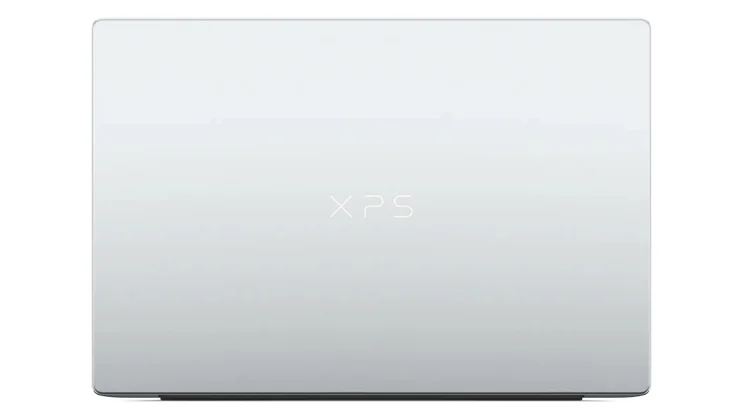
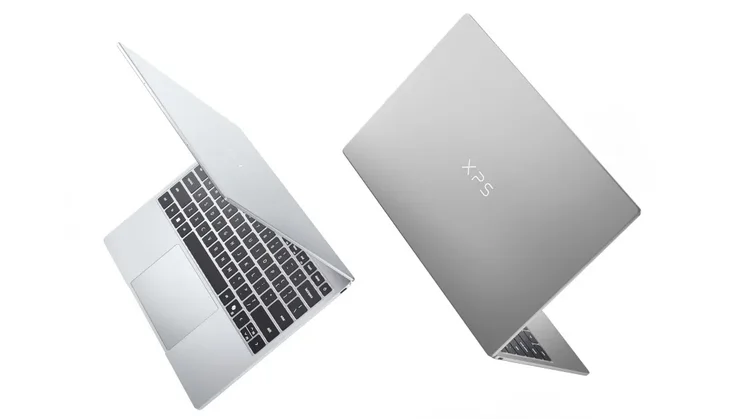
It’s slim at 12.7mm from lid to base. It’s lightweight, too, at under a kilo, and everything is housed in a CNC aluminium chassis. If it’s anywhere near as well-made as the company’s other Surface laptops, it will be a lovely thing to use. It’s going to be available in two colours: Sky and Storm (both different tones of silver by the looks of it). And in what seems a direct dig at Apple, the XPS 13 will come with a backlit keyboard – that’s one of the Neo’s big misses in our opinion.
As for connectivity, the Dell XPS will have a pair of USB-C ports and Wi-Fi 7. Again, the latter is a specification the MacBook Neo can’t match, as it only supports Wi-Fi 6E.
Performance predictions are more difficult to gauge. The base specification comes with 8GB of RAM and a 512GB SSD, and will be powered by one of Intel’s just-announced Wildcat Lake Core Series 3 CPU – a lightweight version of the flagship Panther Lake Core Ultra Series 3 chips launched late last year.
It won’t be the fastest thing in the world, but it should be able to cope with typical lightweight laptop workloads. And if you want more speed, in typical Dell style, the XPS 13 will also be available with Panther Lake Core Ultra Series 3 CPUs later this year. I look forward to seeing how these chips compete with the MacBook Neo’s A18 Pro smartphone chip.
Judging by Dell’s back-to-school pricing, the new Dell XPS 13 should be available to buy before September. Will it be as good as the MacBook Neo? Only time will tell. But having two giants duking it out for the crown of best budget laptop is a positive development for the laptop industry. In a segment that has too often been neglected in recent years, it looks like users will have more choice than ever very soon.


