
To help us provide you with free impartial advice, we may earn a commission if you buy through links on our site. Learn more
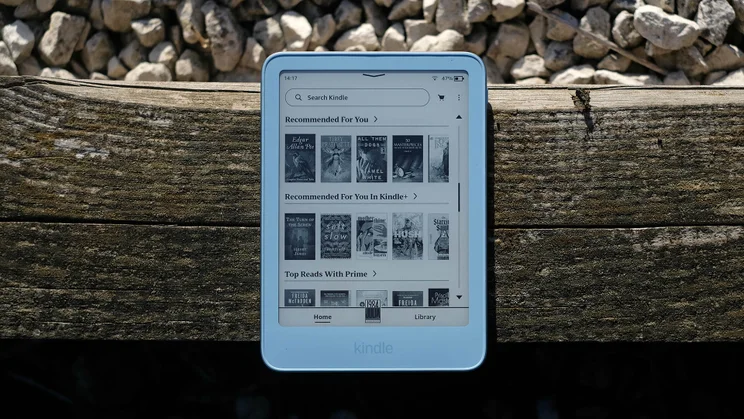
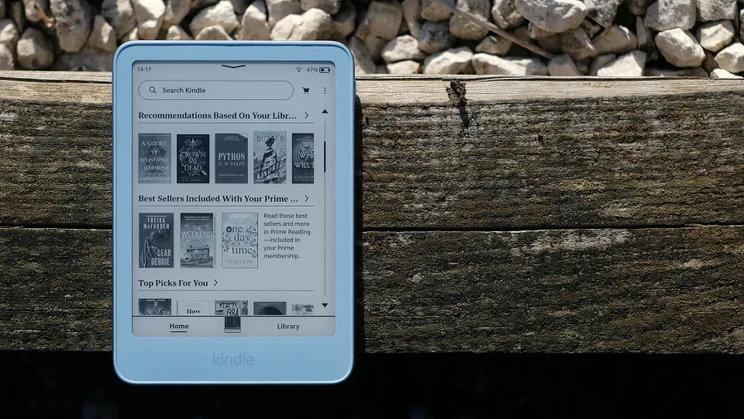
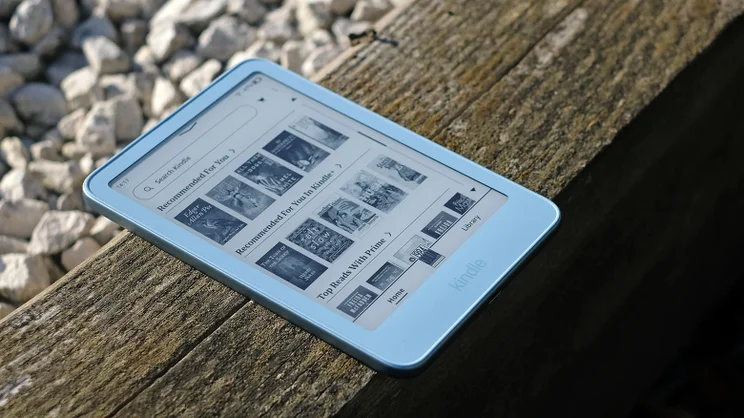
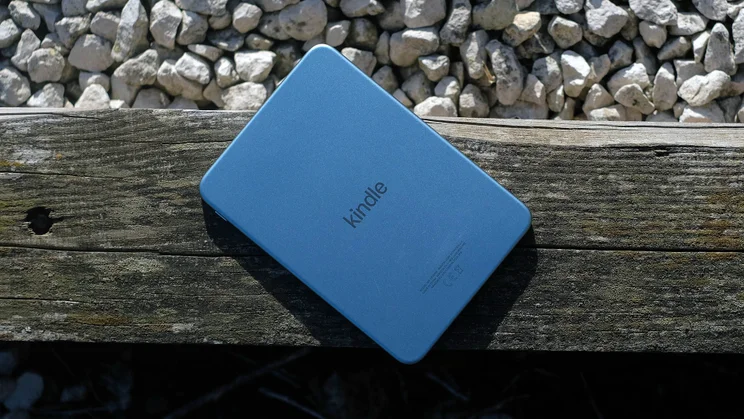
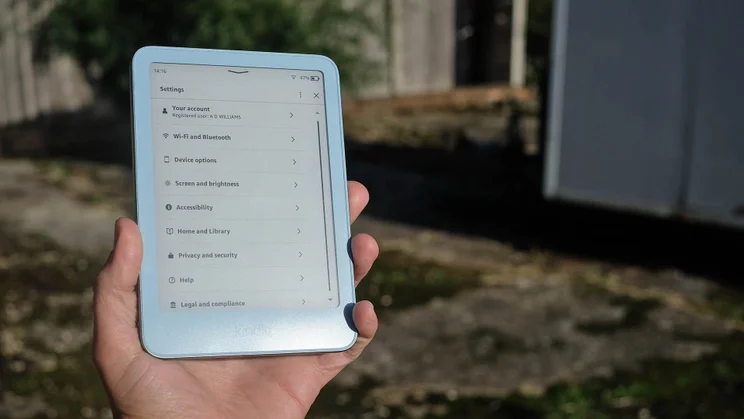
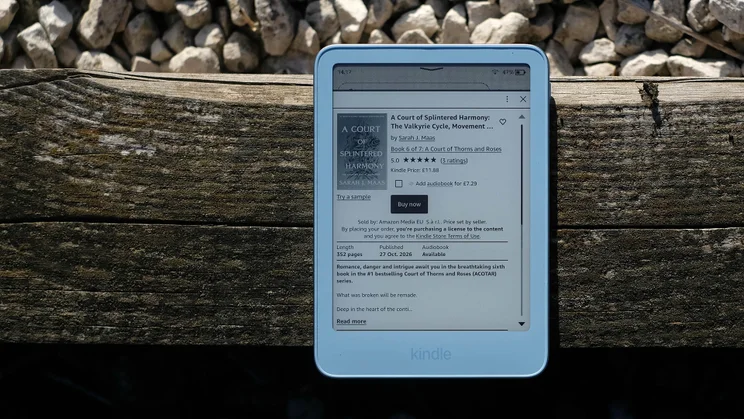
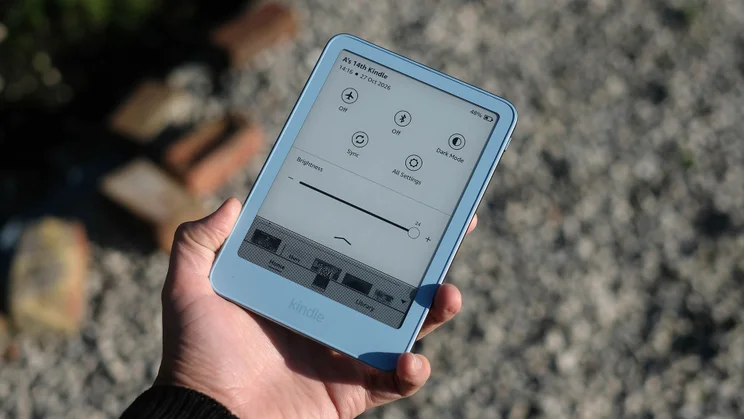

The base Amazon Kindle is, to some, the least exciting e-reader in the entire Kindle family. It’s the cheap one, basically, with the most rudimentary feature spec sheet.
Among the 2026 updates to the range, though, this is the model that gets the most substantial upgrade. The headline is that this is now largely as refined an e-reader as the Paperwhite. It’s just smaller.
The only real problem is that, like so many gadgets nowadays, the Kindle is not as affordable as the older generations were. It starts at £135, rising to £170 for the aluminium body edition seen here. And some core features are still missing, like water resistance and adjustable colour temperature for the front light.
Using the Kindle day-to-day, though? It’s a joy, particularly if you’ll find yourself in situations where its more pocket-friendly size is a benefit, such as train travel.
What do you get for the money?
One of the few largely single-purpose gadgets, Kindles are made for reading. That is, mostly, it. The base Kindle is your cheaper Paperwhite alternative.
In the last generation, this meant it was a less slick device than its siblings. There was a very obvious display raised border in the 2024 e-reader, which has now gone as part of the 2026 redesign.
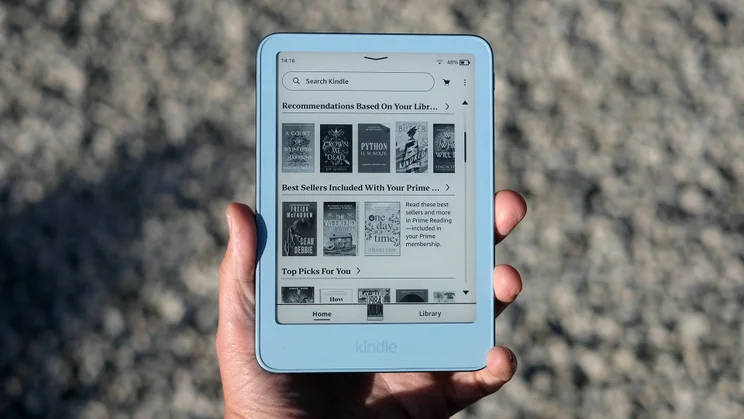
The Kindle now has an edge-to-edge flat surface, with just a subtle raised rubbery perimeter around the screen. It’s there for protection, should you place the e-reader face down on a flat surface.
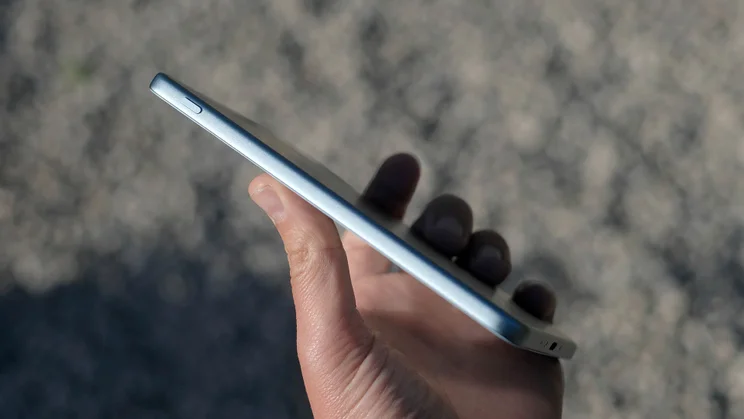
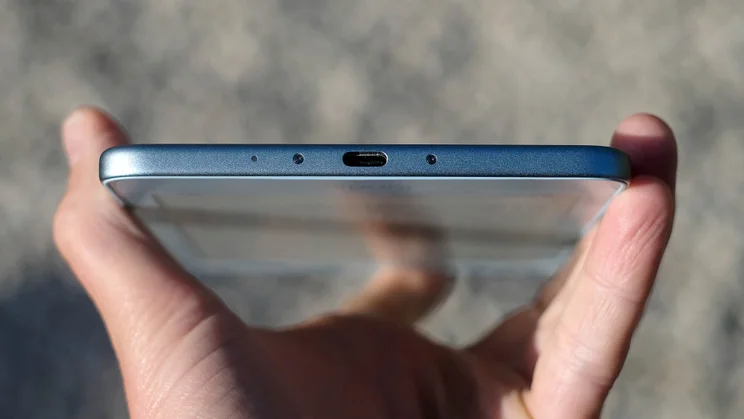
This upgraded design doesn’t just look better, it reduces shadows cast on the screen itself and leads to a sleeker feel. The screen is still 6in across the diagonal, but the body is now 6.8mm thick compared to the 8mm of the old version. In a portability-first e-reader, that slimming down is less trivial than it may seem on paper.
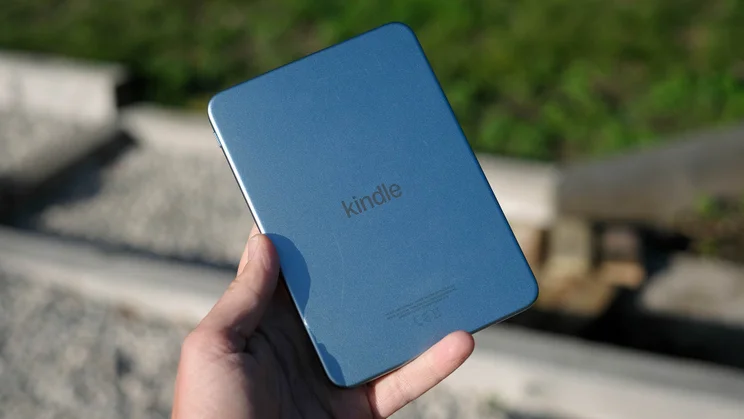
It’s also available with the case made from either plastic or metal, and you have several colour choices, too. The metal-bodied kindle comes in either Alpine Sky Blue (as pictured on this page), or Seaglass Green – a lighter, more pastel-inflected green than was used on the last-gen Kindle.
Meanwhile, the plastic variants are available in Ube Purple or Graphite Grey. This is the closest we get to the classic Kindle black/dark grey, but it too is a lighter shade than the series has had before, more closely matching the off-black of Kindle fonts (or the background in the inverted Dark display mode).
Consider colour carefully, as it has an effect on perceived contrast. Lighter casings, although visually attractive, highlight the slight greyness of E Ink screens more than darker colours do.
An upgrade to the metal Kindle costs £20, and there’s a predictable jump in weight, from 140g to 162g. This aluminium version still feels light, though, and it has double the storage. That’s 32GB instead of 16GB.
The Kindle can also be bought with and without ads, which are displayed when the ereader isn’t in use. Removing ads used to be a £10 upsell, but it’s a £15 disparity now. And you can pay to get ads removed after buying if you end up regretting your life choices.
Amazon rates the battery life at six weeks, based on 30 minutes’ reading a day and a moderate light level. This equates to at least 24 hour battery life – consistent with what I’ve seen when battery life tends to dribble down a percent at most over a daily reading session.
What is it like to use?
After living with the Kindle for a few weeks, one thing truly sticks out. It is incredibly pocketable. It’s a charming characteristic, particularly as I’m reviewing the e-reader as the weather cools and a coat becomes sensible daily wear.
A Kindle fits into a coat pocket, or the back pocket of a pair of jeans, far more readily than a Paperwhite. It will be a brilliant partner for a commute, and I’ve very much enjoyed using this thing on the train.
Yes, switching back to a Paperwhite after a few weeks with this Kindle does feel a bit like upgrading from a 32in TV to a 55in one, but let’s not forget Paperwhites used to have 6-inch screens just like this Kindle. It only reached today’s near-6.8in dimensions in 2021.
This generation also feels a lot more responsive than the last, particularly when typing on the virtual keyboard. I undertook some basic benchmarking using the Kindle’s baked-in browser, and sure enough the processor does seem to be much more powerful than the old version’s. It’s now as powerful as the latest Colorsoft.
How good is the display?
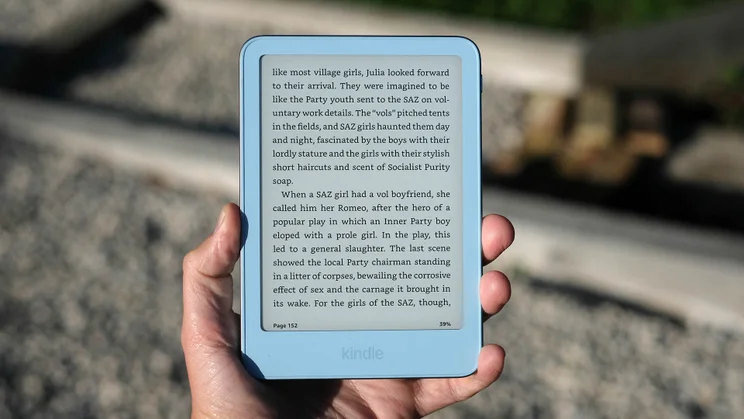
General clarity is another big win for the Kindle amid the wider range. Its 300ppi pixel density matches the Paperwhite, as does the brightness and contrast of the E Ink panel.
The resolution is 1,448 x 1,072 pixels, and while the “white” of the page background is no purer or brighter than that of a generations-old Kindle, it is a lot cleaner and whiter than a Kindle Colorsoft’s.
The Kindle series’s key appeal is just the same as it was at its beginnings in 2007: reading using one of these devices is a delight, and far easier on the eye than reading on a smartphone screen.
Is there anything negative to be aware of?
It’s expensive
The 2026 Kindle loses one of the key draws of the 2024 version. It just doesn’t feel affordable in the same way. Before, the base Kindle cost £95, very clearly limbo’ing under that £100 price mark. The £135 starting price for this new version, however, puts the 2026 edition in a different category entirely.
Other Kindle caveats for the money-saving crowd apply. You still can’t use a Kindle to borrow books from Libby, the digital service used by libraries across the UK. You can with e-readers from Pocketbook, Onyx Boox and Kobo.
The Kindle 2026 still lacks one key feature of its larger siblings, too. The front light’s colour temperature is not adjustable. In a Paperwhite, you can make it cooler or warmer, but here only its intensity level can be altered.
I don’t personally find this too much of an issue as reading any Kindle lulls me to sleep fairly swiftly anyway. But you will need to get a pricier Kindle if you want the screen to turn a blue-light-busting orange at night. It’s also worth noting the super-warm light bulbs most people use in their homes will make the Kindle front light come across fairly cool at night.
It’s not all that tough
What does matter more to me, however, is that the entry-level Kindle still has no official water resistance. It’s a significant consideration, given the comparable Kobo Clara has excellent IPX8 protection, which means it’s fit for a full dunk at 2m depth. Sure, it’s an uglier e-reader, but it is a more practical one than the Kindle.
Design moan number three: despite the more tablet-like metal back, the Kindle’s top-most screen layer is not toughened glass. Amazon doesn’t specifically talk about this on its product pages, but after comparing it to the previous-generation Kindle and the glass-screened Oasis, it’s clear the surface is not glass but some form of plastic. An Amazon rep has confirmed this to me too.
This has no significant bearing on image clarity, which is excellent, but plastic is more susceptible to scratches than glass. Those scratches can then cast shadows on an ereader screen in some lighting conditions, which when it happens is equal parts heartbreaking and infuriating. The Paperwhite and rivals from Kobo use plastic screens, too, though.
I’m also not entirely sold on whether the Kindle’s metal rear is an upgrade in all respects, either. The metal back does feel great, but is more slippery than the plastic Kindle models. And it picks up fine scratches quite easily, something the lovely coloured finishes make more obvious.
Finally, Amazon does not offer a case with page buttons for the base Kindle, as it does for the Colorsoft and Paperwhite. And it won’t do in future either because there are no pogo pins on the back. Instead, you can pick up a £32 Kindle Click — again, not exactly a bargain.
Let’s end with some good news, though. While there are some online reports of Kindles suffering from light bleed visible when using the dark mode, our sample seems to be largely consistent across the display.
Should you buy the Amazon Kindle 2026?
The 2026 Kindle is, as gadgets go, easy to fall in love with. It’s nourishing, it’s cute, it’s petite and it is great at what it sets out to do.
This generation marks a major design upgrade for the series, and it’s not just about a slicker look and slimmer casing. There’s now a metal version, which offers a more expensive feel. It’s just a shame there’s still no water resistance, and that the top-most screen layer remains plastic, rather than textured glass.
The main issue here, though, is the significant jump in price. It remains the cheapest Kindle, by dint of the fact that the rest of the range has also received a major price increase this year, but it’s no longer the automatic choice at the budget end of the market.


