
To help us provide you with free impartial advice, we may earn a commission if you buy through links on our site. Learn more
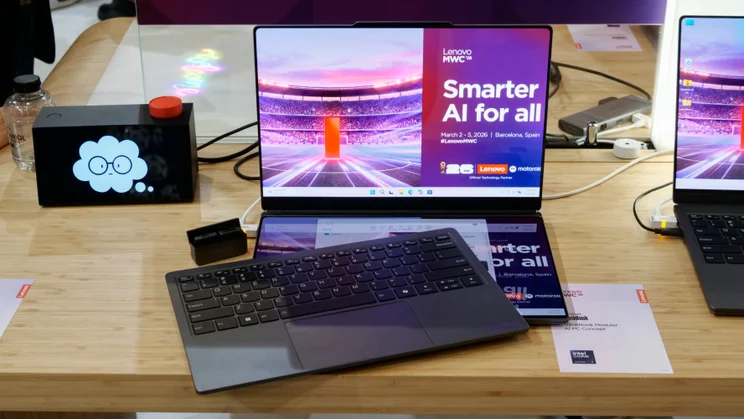
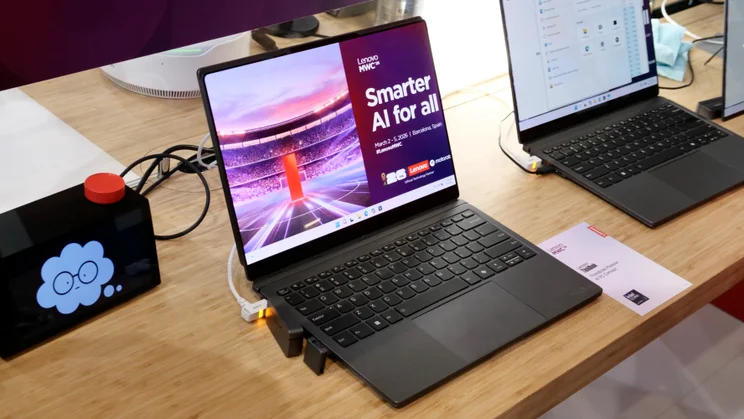
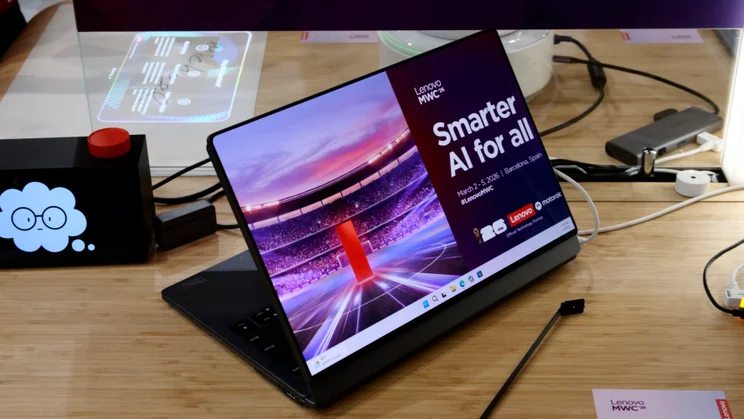
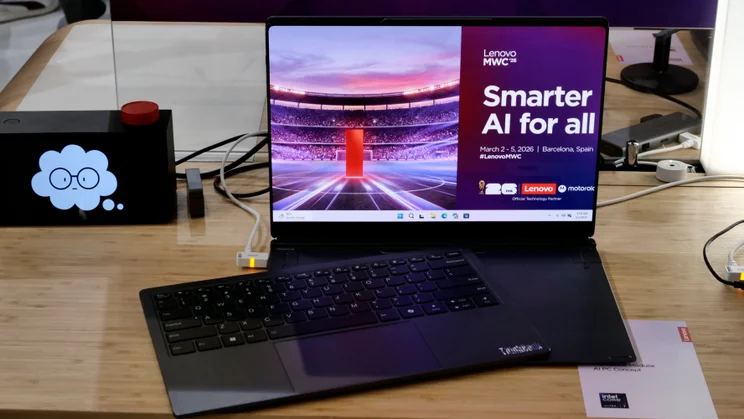
Lenovo loves a crazy concept device, and has “launched” any number of out-there laptops in recent times. But at 2026’s Mobile World Congress in Barcelona – sandwiched between the frankly silly folding, handheld games console and Lenovo’s AI clock – was something refreshingly practical: its dual-screen, multi-modal Lenovo ThinkBook Modular AI Laptop Concept.
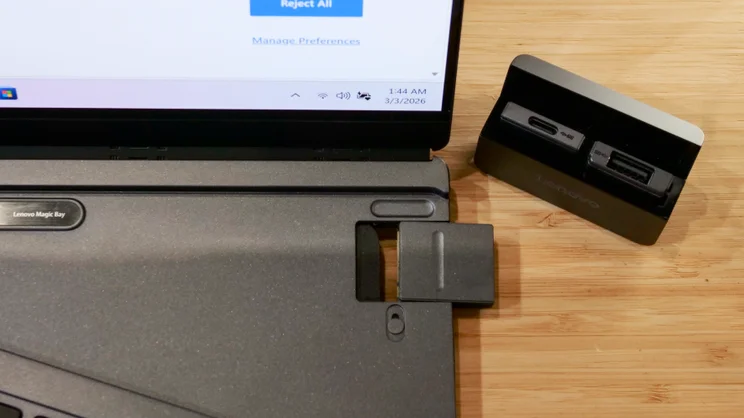
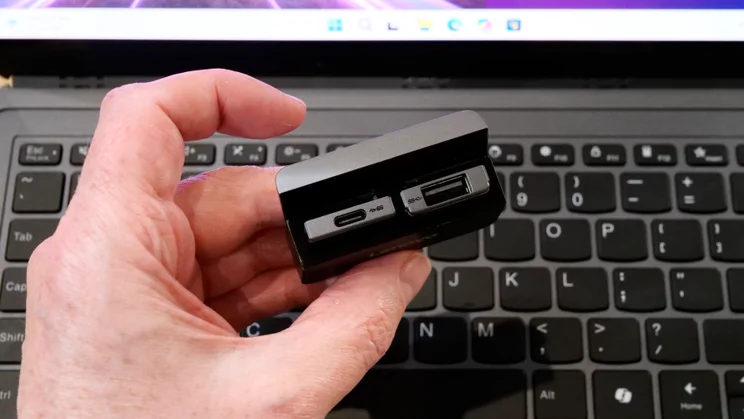
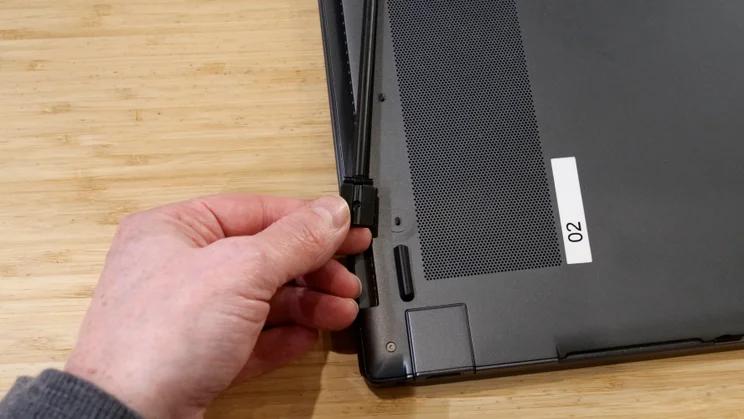
It’s not modular in the sense that a Framework laptop is modular. It does have a modular port system, with small square plastic bricks you can slot into spaces on either side of the laptop, allowing you to change your HDMI output to a USB-C socket.
Instead, this is more like a different take on the Asus Zenbook Duo. The core of the system is a base, which is attached with hinges to a 14in OLED display – like a laptop without a keyboard, if you like.
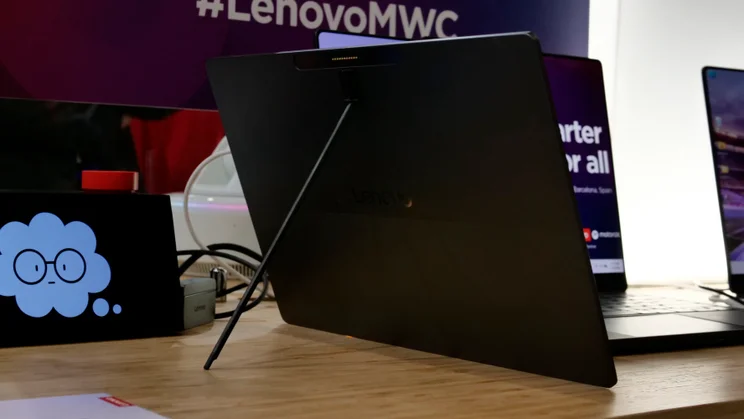
To that base you can mount a keyboard, turning it into a regular laptop. Alternatively, you can remove the keyboard and add another screen in the same space, turning it into a dual-screen mini desktop, like the Zenbook; there’s a slender stand underneath that lets you prop up the two screens so you can work across both.
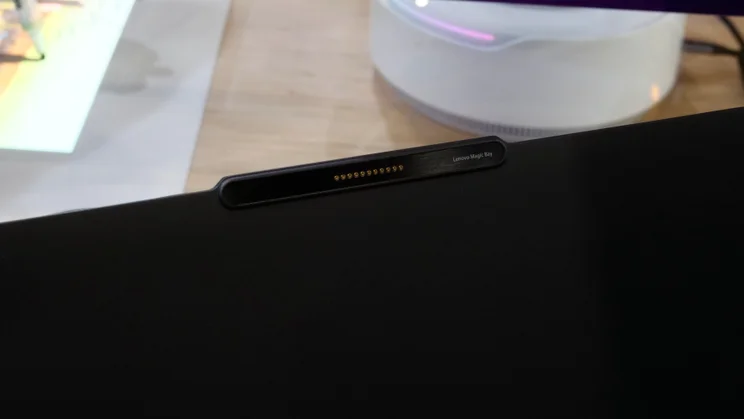
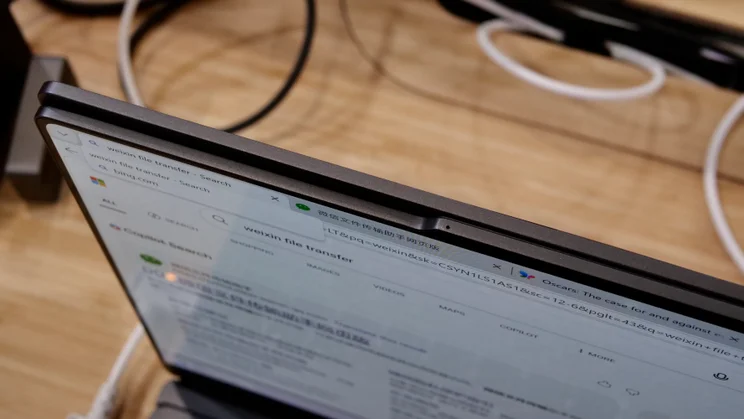
But that’s not all. With the ThinkBook back in regular laptop mode (you remember what one of those looks like, right?), you can magnetically clip the second display to the rear of the laptop lid and mirror what’s shown on the main screen. A neat way of sharing a presentation, or showing a colleague what you’re working on, for example.
The final configuration – yes, there is one more – is to remove the second screen from the lid and use it off to the side, with the option to extend or mirror your desktop, just like a regular portable monitor. The screen has no built-in kickstand, but you can remove the one beneath the base and attach it magnetically to the rear, either in portrait or landscape orientation.
If this sounds a bit over-complicated it’s really not. Once you see what you can do with the system it makes instant sense. But what’s even more impressive about it is that it already works; this is no dumb box, it’s a fully fledged Windows 11 laptop with and Intel Core Ultra 7 255H, 32GB of RAM and a 1TB SSD inside, plus two vivid 120Hz, 500 nit, 4K OLED displays – and Lenovo could probably already put it into production if it wanted to.
It has done this with previous concepts, notably its X1 Fold laptop and the laptop with an extendable, rollable screen I reported on at a previous MWC, so I see no reason why this won’t make it to market in a year or two.
Problems, problems, problems
But before it does so, it could do with addressing some potentially fatal issues. First, how expensive it’s likely to be. Lenovo has history with this: when those previous concepts eventually made it from drawing board to online store, they were impressive, but punishingly pricey.
The second is the stand: it’s neat but very spindly and flimsy, and it lacks a rubber foot, so it’s prone to sliding around on smooth surfaces. That’s worrying for something that’s likelyl to be pricey and proprietary.
And the third is how top-heavy the design is. As soon as you remove the keyboard or the display from the base, it tips back almost instantly, unless you have it positioned perfectly vertically. And if you have the screen attached to the rear of the thing it’s going to crash even harder.
My final concern surrounds battery life. A design like this doesn’t provide much space to squeeze a big power pack in, especially in the slender base, and so it proves. According to the spec sheet, there’s only a 33Wh battery to keep the lights on, which isn’t particularly big in the laptop world.
Final thoughts
I’m completely sold on the idea of dual-screen laptops and this could provide yet another option for consumers. It’s cleverly designed, and its reasonably compact and light.
However, there are just a few too many issues with the fundamental design of the thing for this to be ready to go on sale just yet. Who knows, though? I’d certainly like to see the engineers try.


