To help us provide you with free impartial advice, we may earn a commission if you buy through links on our site. Learn more
- Best smartphone: At a glance
- How we test smartphones
- The best smartphones you can buy in 2026
- 1. Samsung Galaxy S26 Ultra: Best smartphone overall
- 2. Motorola Moto G77: Best budget smartphone
- 3. Apple iPhone 18 Pro Max: Best iPhone
- 4. Oppo Find X9 Ultra: Best smartphone battery life
- 5. Google Pixel 10a: Best mid-range smartphone
- 6. Oppo Find X10 Pro Max: Best smartphone cameras
- 7. Honor Magic V6: Best foldable smartphone
- How to choose the best smartphone for you
- The Samsung Galaxy S26 Ultra is the best smartphone you can buy right now. It displayed exceptional performance in our testing, has a brilliant suite of cameras and includes the innovative new Privacy Display.
- Our experts have tested over 600 smartphones, putting each through the same rigorous testing process.
- We test a phone’s performance, battery life, software experience, display quality and camera abilities to determine which offers the best and most complete experience.
- Read on to see which other smartphones we recommend, including our favourite iPhone, the winner of our battery life testing and the phone with the best cameras.
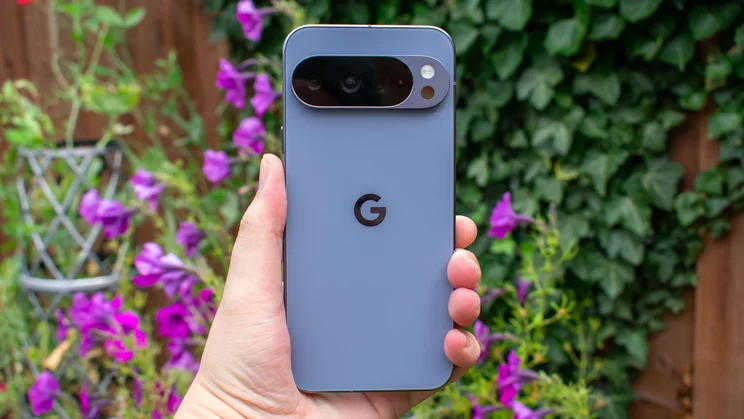
We have painstakingly assessed and reviewed all the best smartphones on the market, putting each one through the most comprehensive testing process in the UK. Right now, the Samsung Galaxy S26 Ultra is the best smartphone you can buy, as it offers some of the fastest performance and most accomplished cameras on the market, while still being somewhat affordable.
We’re constantly updating entries for this list – last year alone, we tested and reviewed around 50 new handsets – so you can be sure that our recommendations are informed and up to date.
You can read more about our rigorous testing process below, or check out our buying guide, which covers all of the main features to keep in mind when choosing your new phone. Otherwise, read on to see our top picks, from budget phones and mid-range phones to high-end Android phones and iPhones.
Best smartphone: At a glance
- Samsung Galaxy S26 Ultra: Best smartphone overall | Check price
- Motorola Moto G77: Best budget smartphone | Check price
- Apple iPhone 18 Pro Max: Best iPhone | Check price
- Oppo Find X9 Ultra: Best smartphone battery life | Check price
- Google Pixel 10a: Best mid-range smartphone | Check price
How we test smartphones
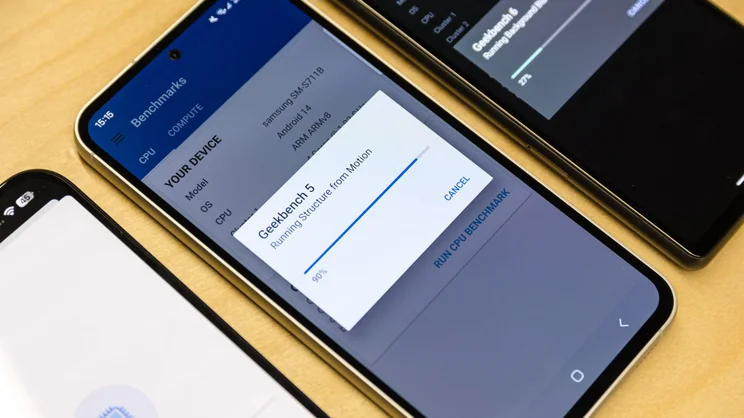
We thoroughly test every phone that comes into our labs, with a number of benchmarking methods. We typically start with CPU and GPU processing, using the Geekbench 5 and GFXBench applications found in the Google Play Store and Apple App Store; these provide us with a set of standardised scores which we use to compare rival handsets.
Each phone’s screen is then tested using DisplayCAL software and a display colorimeter. This gives us a precise reading of the screen’s maximum brightness and contrast, and how good it is at reproducing colours; again, we use this to objectively identify which phones have the best displays.
Next up is battery life. Here we use our in-house video rundown test, which displays a looped video with flight mode enabled and the screen set to a standard brightness of 170cd/m2 – and times how long it takes the battery to go from full to shutdown.
Finally, each phone’s cameras are put to the test in a variety of shooting scenarios, including scenic shots, low-light and indoor photography, plus rapid video panning in a range of modes.
We’ve been reviewing tech for over two decades now, and in that time, we’ve put more than 600 phones and tablets through our stringent testing process, delivering in-depth expert assessments based on facts and data. Independence is at the heart of our approach and recommendations cannot be bought. If a popular brand delivers an unexpected dud, we’re going to tell you about it. As such, you can be sure that every product on this page has passed our high standards and has earned its recommendation based on merit.
The best smartphones you can buy in 2026
1. Samsung Galaxy S26 Ultra: Best smartphone overall
Price when reviewed: £959 | Check price at Amazon
- Great for… incredible performance and useful new privacy display
- Not so great for… rivals have better battery life
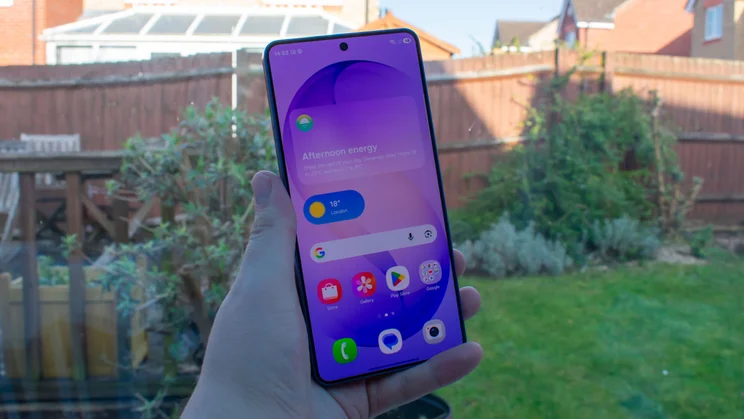
Slim, extraordinarily powerful and fitted with four rear cameras, the Samsung Galaxy S26 Ultra is all the phone that you could want and then some. The Snapdragon 8 Elite Gen 5 for Galaxy chipset delivers class-leading performance and rock-solid 3D gaming, the twin telephoto cameras deliver outstanding zoom photography and once again, Samsung sits at the head of the class with an excellent seven years of software support.
The 6.9in AMOLED display is as big and bright as ever but now it carries a new trick – the Privacy Display. This can be turned on in the settings and obscures the view of the display from the sides while still projecting a clear image forwards, meaning that you can ward off nosy neighbours reading your texts or viewing your passwords.
The only downsides are that the Privacy Display does dim the brightness somewhat, which isn’t ideal, and despite the battery life here still counting as excellent, rivals using silicon-carbon batteries are pushing the stamina envelope much further, so Samsung is no longer top dog in that regard.
Read our 2026 Samsung Galaxy S26 Ultra review
Key specs – Processor: 4.74GHz Qualcomm Snapdragon 8 Elite Gen 5 for Galaxy; RAM: 12GB, 16GB; Display: 6.9in, 3,120 x 1,440; Storage: 256GB, 512GB, 1TB; Cameras: 200MP, 50MP (5x telephoto), 10MP (3x telephoto), 50MP (ultrawide); Operating system: Android 16; Weight: 214g
2. Motorola Moto G77: Best budget smartphone
Price when reviewed: £226 | Check price at Amazon
- Great for… gorgeous AMOLED display and brilliant battery life
- Not so great for… middling performance and some camera issues
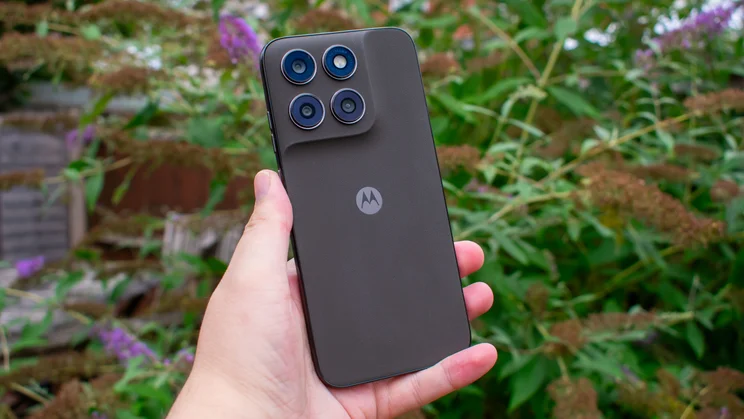
There are a couple of ways in which the Motorola Moto G77 is a cut above most phones in its price range. First of all, instead of a cheaper LCD panel, the display is a crisp AMOLED, with perfect contrast, a deep, inky black level and decent peak brightness. Secondly, battery life is rather good, too, with my testing showing the kind of stamina I’d expect from a phone that costs hundreds more.
Performance is fine for casual users, opening apps quickly enough and avoiding slowdown with multiple programs running simultaneously, but there are faster phones available. And the ultrawide camera proved quite mediocre in testing, though the main lens and selfie camera both more than made up for it.
If you are working with a strict budget and don’t need your phone to be exceptionally powerful, the Motorola Moto G77 is as good as cheap phones get right now.
Read our 2026 Motorola Moto G77 review
Key specs – Processor: 2.5GHz Mediatek Dimensity 6400; RAM: 8GB; Display: 6.78in, 2,772 x 1,272; Storage: 128GB; Cameras: 108MP, 8MP (ultrawide); Operating system: Android 16; Weight: 182g
3. Apple iPhone 18 Pro Max: Best iPhone
Price when reviewed: £1,299 | Check price at Amazon
- Great for… variable aperture camera and ridiculously fast
- Not so great for… big and heavy
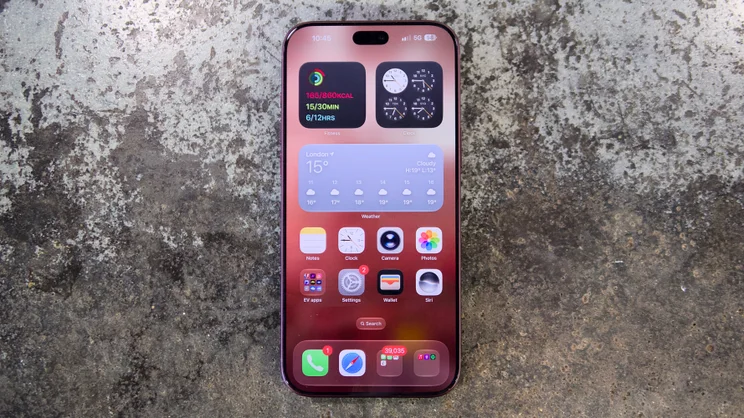
The iPhone 18 Pro Max builds on an already very well refined formula in a few ways but the most interesting is the new variable aperture for the main camera. This physical mechanism adjusts the size of the iris around the main camera to allow more or less light onto the sensor, giving you more control over things like sharpness, motion blur and depth of field in your shots.
Beyond the nifty new camera trick, the iPhone 18 Pro Max delivered the fastest CPU and GPU performance of any phone we’ve ever tested, scored the longest battery life we’ve ever seen from an iPhone and is once again fronted by a big and bright 6.9in OLED display with pixel-perfect colour accuracy.
Add in that the integration of Google Gemini means that Siri AI actually works now – for the most part, at least, there were still some stumbles in our testing – and the iPhone 18 Pro Max is easily the pinnacle of Apple’s output. Moreover, it’s simply one of the best and most complete smartphones that you can buy right now.
Read our 2026 Apple iPhone 18 Pro Max review
Key specs – Processor: 4.93GHz Apple A20 Pro; RAM: 12GB; Display: 6.9in, 2,868 x 1,320; Storage: 256GB, 512GB, 1TB, 2TB; Cameras: 48MP, 48MP (4x telephoto), 48MP (ultrawide); Operating system: iOS 27; Weight: 249g
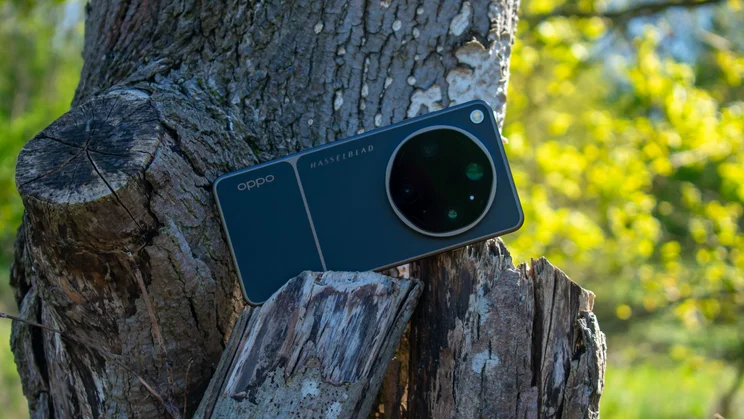
4. Oppo Find X9 Ultra: Best smartphone battery life
Price when reviewed: £1,449 | Check price at Currys
- Great for… class-leading battery life and 10x telephoto camera
- Not so great for… expensive and not the best software support
I ran my standard looping video test on the Oppo Find X9 Ultra and just watched it keep going and going and going. It eventually tapped out after a phenomenal 43hrs 32mins, outlasting any other phone that you can buy. This kind of stamina will easily see you through a full day of heavy use, and likely two days if your screentime is more moderate.
On top of its unrivalled battery life, the Oppo Find X9 Ultra is also the only phone around right now that features a 10x telephoto lens. This versatile lens produced some exceptional zoom shots in my testing, and the rest of the suite didn’t disappoint either, with gorgeous imagery in all light conditions.
Rounding out the compliments are nippy performance, a big, bright display and an interesting, DSLR-inspired design. The five years of software support falls behind rivals, and there’s no denying that this thing is very expensive, but for the best battery life around or a unique 10x telephoto, there’s no beating the Find X9 Ultra.
Read our 2026 Oppo Find X9 Ultra review
Key specs – Processor: 4.6GHz Qualcomm Snapdragon 8 Elite Gen 5; RAM: 12GB; Display: 6.82in, 3,168 x 1,440; Storage: 512GB; Cameras: 200MP, 200MP (3x telephoto), 50MP (10x telephoto), 50MP (ultrawide); Operating system: Android 16; Weight: 235g
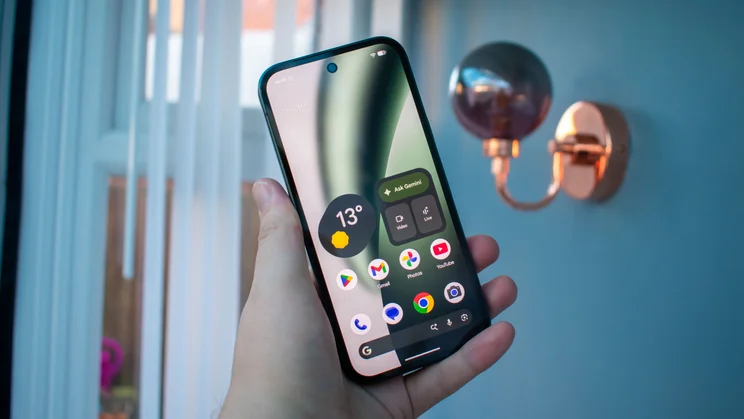
5. Google Pixel 10a: Best mid-range smartphone
Price when reviewed: £399 | Check price at Amazon
- Great for… best battery life of any Pixel and seven years of software support
- Not so great for… no telephoto camera
Google has long held the crown in the mid-range of the phone market and the Pixel 10a continues this tradition without breaking a sweat. The seven years of software support alone are hard to argue with, surpassing just about every other option in this price range, but there’s also the outstanding battery life that competes with phones that cost twice this much.
The Tensor G4 chipset is still a strong player for this kind of money, delivering CPU and GPU speeds that remain a step ahead of the majority of mid-range phones, and the display is simply one of the best out there, with high peak brightness and spot-on colour accuracy.
It’s such a well-rounded phone, in fact, that the only thing holding back the Pixel 10a is that it lacks a telephoto camera. The digital zoom is decent, thanks to Google’s image processing, but rivals around this price include a dedicated zoom lens, so its absence here is a shame.
Read our 2026 Google Pixel 10a review
Key specs – Processor: 3.1GHz Google Tensor G4; RAM: 8GB; Display: 6.3in, 2,424 x 1,080; Storage: 128GB, 256GB; Cameras: 48MP, 13MP (ultrawide); Operating system: Android 16; Weight: 183g
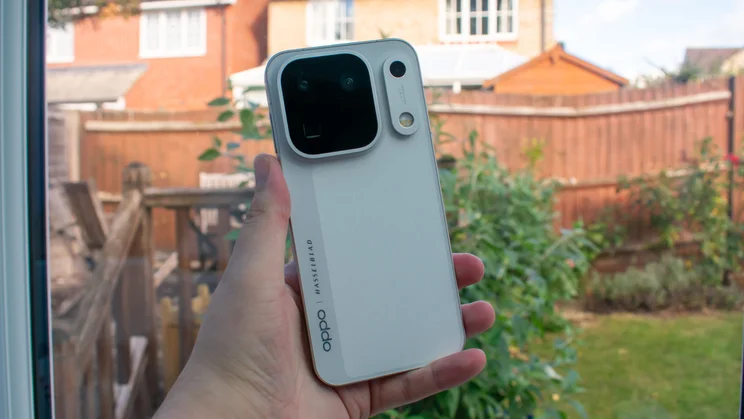
6. Oppo Find X10 Pro Max: Best smartphone cameras
Price when reviewed: £1,499 | Check price at Amazon
- Great for… three 200MP cameras and excellent gaming performance
- Not so great for… chunky and very expensive
The Oppo Find X10 Pro Max is the first smartphone to feature three 200-megapixel cameras. While there’s a lot more to camera quality than sheer wealth of pixels, these shooters have quality behind the attention-grabbing numbers, meaning that no matter which lens you choose, you’re capturing crisp, impeccably detailed images in all manner of light conditions. Night photography is particularly impressive, plucking out plenty of detail in my testing and keeping the sky clear of pesky visual noise.
Beyond its record-setting cameras, the Find X10 Pro Max also impressed in my performance and battery tests, with some of the best stamina of any phone around (just falling short of the Find X9 Ultra) and displaying particularly strong gaming chops.
The five years of software support isn’t the best you can get, however, and it’s quite a bulky phone and, more pertinently, it’s very, very expensive. Still, if you love snapping photos and playing mobile games, it doesn’t get better than the Oppo Find X10 Pro Max.
Read our 2026 Oppo Find X10 Pro Max review
Key specs – Processor: 4.55GHz Mediatek Dimensity 9600 Pro; RAM: 12GB; Display: 6.78in, 2,772 x 1,272; Storage: 512GB; Cameras: 200MP, 200MP (3x telephoto), 200MP (ultrawide); Operating system: Android 17; Weight: 233g
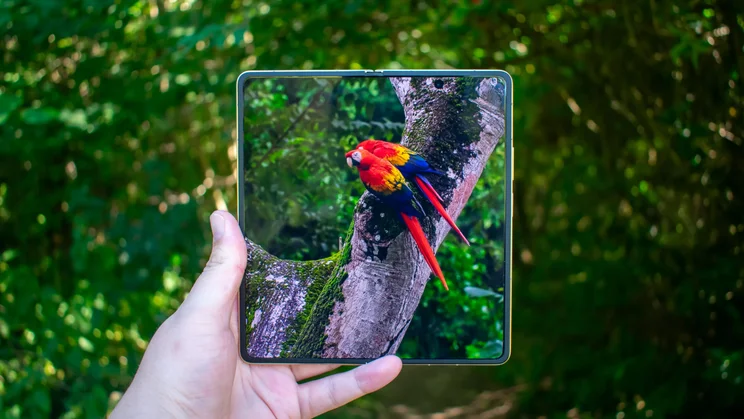
7. Honor Magic V6: Best foldable smartphone
Price when reviewed: £1,499 | Check price at Amazon
- Great for… thinnest foldable yet and brilliant battery life
- Not so great for… no 8K video and fussy software
There are three main areas in which foldable phones need to succeed to be appealing – and the Honor Magic V6 nails all of them. The design is flawless, with a record thinness of 4mm when unfolded, IP68/IP69 dust and water resistance and a pocketable weight of just 219g.
Secondly, performance is top-tier, particularly when it comes to battery life, where it surpassed any other foldable I’ve tested. Third is price, and after releasing at an eye-watering £1,999, the Magic V6 is now one of the most affordable foldables going.
Such a bargain is hard to criticise, but I have a couple of notes. First of all, Samsung’s Galaxy Z Fold series has better video recording, particularly due to the inclusion of 8K filming. There’s also Honor’s software, which is a little heavy on the bloatware and AI features for my liking; rivals offer a more streamlined experience that feels less cluttered.
Read our 2026 Honor Magic V6 review
Key specs – Processor: 4.6GHz Qualcomm Snapdragon 8 Elite Gen 5; RAM: 16GB; Displays: 7.95in, 2,352 x 2,172 (internal), 6.52in, 2,420 x 1,080 (external); Storage: 512GB; Cameras: 50MP, 64MP (3x telephoto), 50MP (ultrawide); Operating system: Android 16; Weight: 219g
How to choose the best smartphone for you
How much should I spend?
With the expansion of the mid-range market, you can easily get a very competent smartphone for less than £500. The best in this price range will have performance, stamina and cameras that will be more than enough for most people. We’d always recommend checking out the best mid-range phone listed above before forking out on a flagship.
If you want the absolute best phone that money can buy, however, you’re looking at anything from £800 to £1,250, depending on your priorities. The lower end of that range will get you most flagship features, with excellent performance and displays, but you’ll only find the most expansive camera systems at the high-end.
Finally, foldable phones are becoming more popular every year and, depending on how much storage you want, these can cost anywhere from around £1,500 to over £2,000.
What kind of features should I look out for?
If you’re spending four-figures on your next phone, you’ll want to make sure that you get all of the bells and whistles for your trouble. Here are the key considerations to bear in mind when shopping for a new phone.
Display
There are two main types of display that you’ll see from smartphones: LCD panels tend to be found on cheaper phones while OLED screens usually cost a little more. With the latter, you’re paying for extra quality, as they deliver a beautifully deep, inky black level and near perfect contrast, as well as better viewing angles compared to LCD displays.
You’ll also want to check the resolution and refresh rate, to see how sharp everything will look and how smooth things like scrolling and gaming will be. Further, our in-depth testing reveals how bright the display can get and how accurately it reproduces colours.
Cameras
Flagship phones have come such a long way on the photography front that you’re unlikely to be disappointed by any of their cameras. It’s worth checking what you get for your money, however – in particular, the optical zoom offered by telephoto cameras differs from brand to brand, and some include more robust video recording features such as capturing LOG, 8K or Dolby Vision footage.
Battery life
You can get an idea of a phone’s stamina potential from the battery capacity (measured in mAh, or milliamps-per-hour) but our review testing goes one step further, putting each phone through the same standardised test to directly compare them. You can check out the top results on our best phone battery life ranking.
Performance
The clock speed of a phone’s processor (measured in GHz) and the amount of RAM offered give a good general idea of how powerful a phone will be, but once again, our testing puts things in perspective. We directly compare the CPU and GPU performance of each phone we review against rivals around the same price, so if you want to see how it stacks up, you can view our results in the full review.
Storage
The best smartphones will offer a selection of storage capacities – usually some combination of 128GB, 256GB, 512GB and 1TB – but few of them support microSD cards that allow you to expand the storage any further. Higher storage models are naturally more expensive but if you intend to shoot lots of high-resolution videos or download a bunch of apps, it’s worth considering if you’ll benefit from the extra space.