
To help us provide you with free impartial advice, we may earn a commission if you buy through links on our site. Learn more
- Heart rate accuracy is stupendously good
- Ceramic Shield 2 glass
- Readiness score is finally here
- Some audio features are still missing
- Battery life still only one or two days
One of the most striking claims Apple made during the launch presentation for the Apple Watch Series 12 was the bold assertion that its heart rate monitoring was the most accurate in the world. It caught my eye because, in the past, certainly up until the Series 10, that’s something the Apple Watch wasn’t particularly good at.
The Series 11 improved things dramatically, but this time Apple has gone all out; and it isn’t just making bold claims without backing them up. The smartphone giant has published a study with more than 1,000 participants to prove it.
And while I can’t compete with Apple’s research muscle, I must say my testing backs up these findings and then some. Over the past month or so, I’ve found the Apple Watch Series 12’s new Health sensing system to have the most accurate optical heart rate monitor of any smartwatch I’ve ever tested.

Apple Watch Series 12: What do you get for the money?
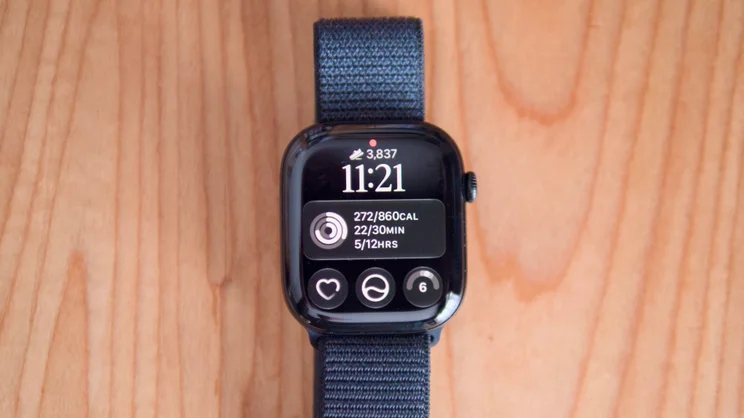
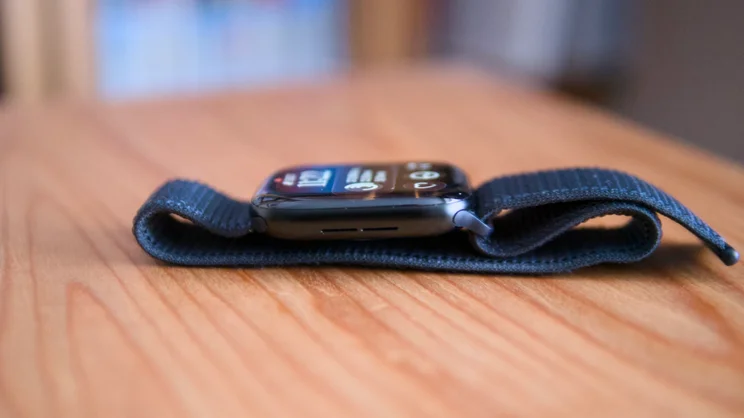
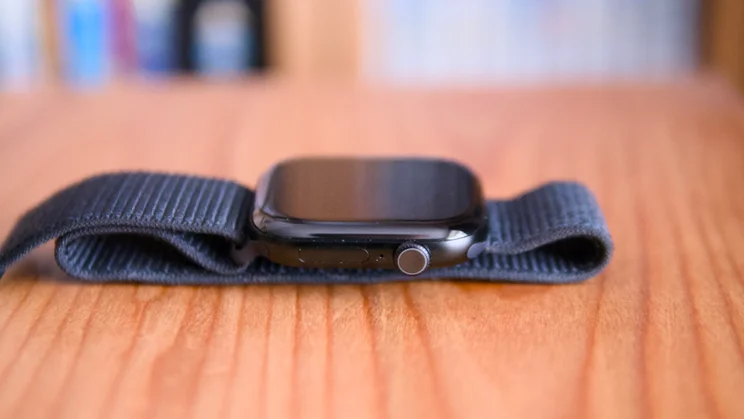
On the surface though, the Apple Watch Series 12 looks much like the watch that preceded it. There are some new colourways and finish materials, but the dimensions, watch case and screen sizes are pretty much the same.
For the aluminium Apple watches, black makes a long asked-for return. It’s joined by the new light gold and dark bronze finishes, and the existing Space Grey. Prices start at £369 for the smaller 42mm model and £419 for the larger 46mm, which is pretty reasonable for a smart watch of this ilk. For those with deeper pockets, you also have the choice of two more exotic finishes: titanium (from £649), in gold or “Natural”; and ceramic (from 849) in either white or dark blue.
Whichever model you choose, however, you’re getting tough, scratch-resistant Ceramic Shield 2 glass across the entire range. That’s a big upgrade, as the Series 11 only came with Apple’s softer, more scratch-prone Ion-X glass. If the display on my recent iPhones is anything to go by, this should keep the screen of your Apple Watch clean and clear of scratches without the need to use a screen protector.
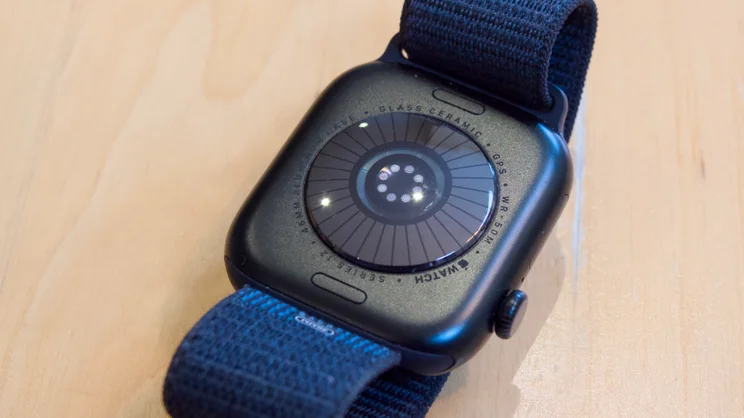
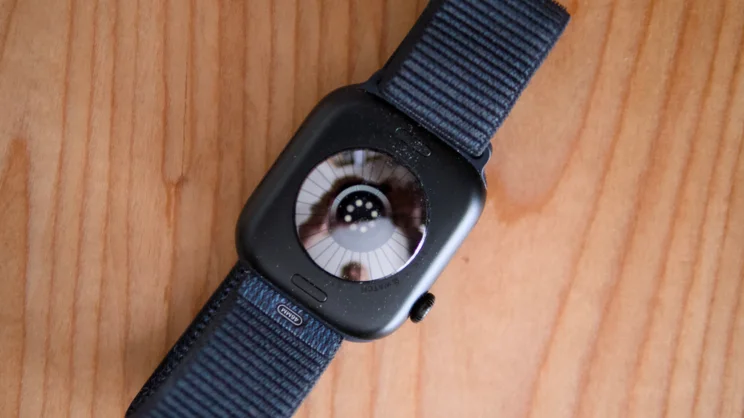
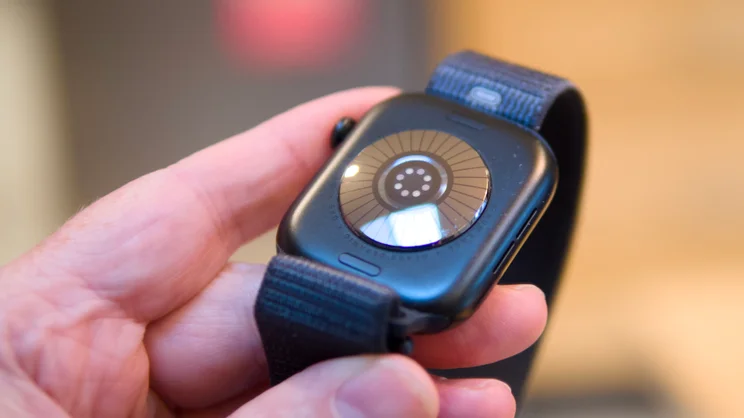
The only visibly obvious physical design change is to be found underneath: just like the Apple Watch Ultra 4, the Apple Watch Series 12 comes with the brand’s new Health sensing system, which is the name Apple gives to the array of optical and electrical sensors and LEDs arranged on the underside of the watch. This has larger electrodes for more accurate ECG sensing, and bigger, more power-efficient green LEDs arranged in a ring so it can read your pulse more effectively.
Together with the new power-efficient S11 chip, the Apple Watch Series 12 can read your heart rate and your HRV (heart rate variability) much more frequently: every five seconds during the day for your heart rate and every five minutes for HRV. These improvements, in turn, unlock several related upgrades.
Readiness
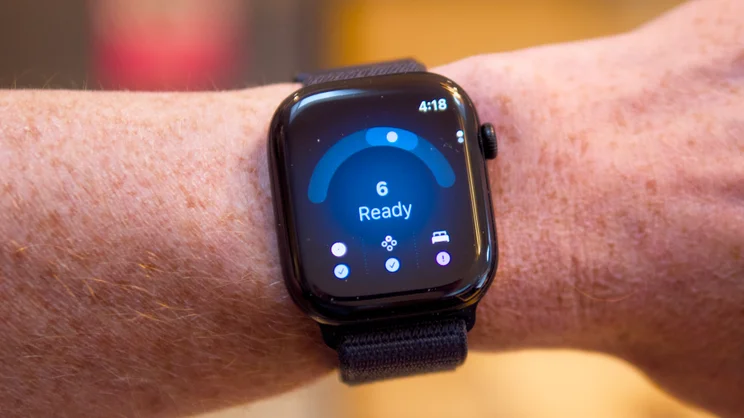
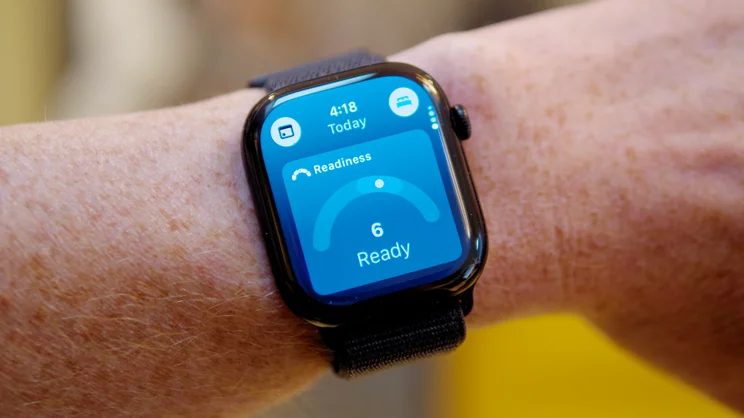
The most significant of these is the new Readiness score. This takes your overnight HRV and daily heart rate measurements, and combines those with your sleep score and recent activity levels to provide a rating out of 10.
The aim is to indicate how ready you are for activity in the day ahead. So, if you’ve run a marathon (or a half marathon like I did recently), you’ll get a low score, whereas if you got a really good night’s sleep and you’re generally fit and well rested, you’ll get a high score.
This is not especially innovative. Garmin has been using something very similar in its watches for years now, to inform users how hard or easy they should train on any given day for optimum benefit. So have other smart watch manufacturers, including Huawei. But it’s good to finally see Apple catch up with the crowd.
Audio Intelligence
There’s also a bunch of new Apple Intelligence-driven features here, from the latest, shiniest Siri AI (as long as you’re not in the EU or China), to a collection of features called Audio Intelligence.
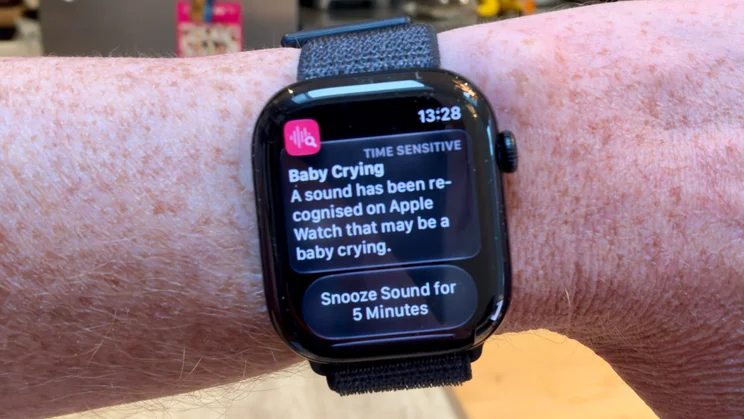
These include Sound Recognition, which will detect sounds like sirens, alarms, doorbells and babies crying, and will notify you with a haptic buzz and a notification on-screen. It’s aimed at helping people who are deaf or hard of hearing to interact with the world around them and it seems to work pretty well when I enabled it in my iPhone’s accessibility settings.
There’s also an upgraded Shazam experience for music recognition: this automatically detects songs that are playing in the background and displays them in the smart stack, instead of you having to tap the widget.
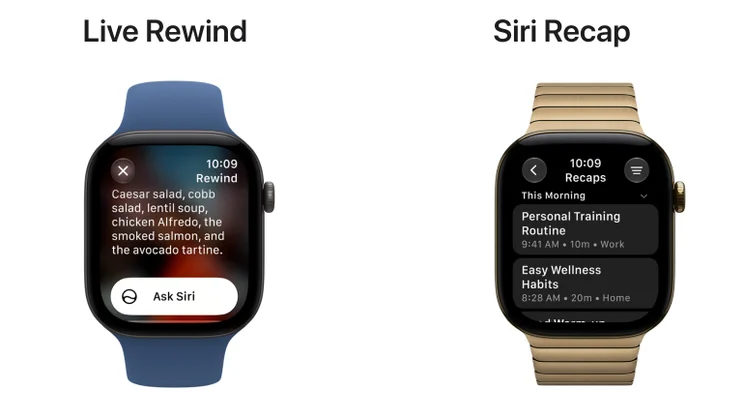
More interesting, however, are Live Rewind and Siri Recap, two features that have stirred up more than their fair share of controversy since the initial announcement. That’s because these features, when activated, really are constantly listening to you and those around you.
Specifically, Live Rewind lets you see a transcript of the last 15 seconds of a conversation – just double-click the Digital Crown and the text will appear on screen. That’s useful for those moments in meetings where you zone out and miss something important, I guess. Siri Recap, meanwhile, summarises the conversations you’ve had during the day, which you can catch up on later in the Siri app.
These features aren’t live yet; they’ll only arrive later this year. Perhaps Apple wanted the dust to settle first before unleashing them on the world. Either way, it’s clear Apple is conscious of people’s privacy and security concerns, and has gone to great pains to explain that any captured audio is encrypted end-to-end and never uploaded or synced anywhere other than your paired iPhone.
The most interesting aspect of this is how the encrypted audio data is stored while it’s being processed: in a part of the S11 chipset called the Secure Exclave. This is a “hardware isolated compartment” and it’s matched on the paired iPhone side by a similar compartment. Your encrypted data never goes outside these bounds. According to Apple, once your Rewind and Recap is generated, the raw audio is discarded and is never saved or synced.
It certainly all sounds pretty secure. The risk is that, like smart glasses, it may not survive the court of public opinion.
General software improvements
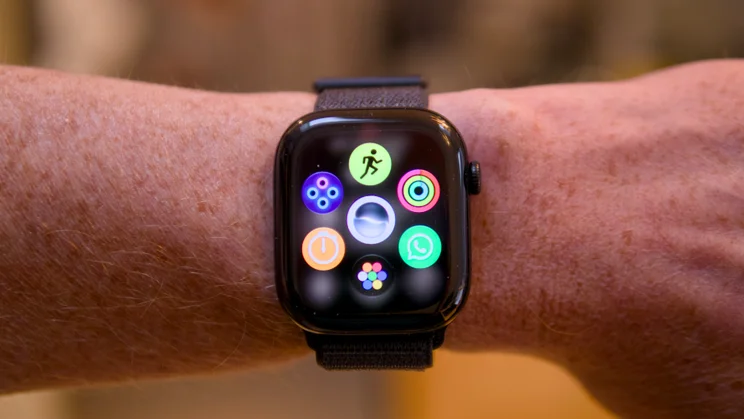
Elsewhere, and as usual with Apple wearables, there’s a host of smaller software upgrades that arrive courtesy of WatchOS 27. I really like the way the Watch now surfaces recent apps at the top of the app grid; it makes commonly used tools much easier to find.
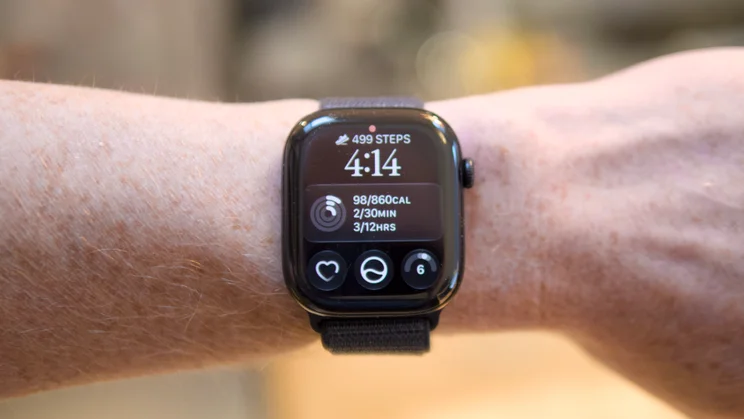
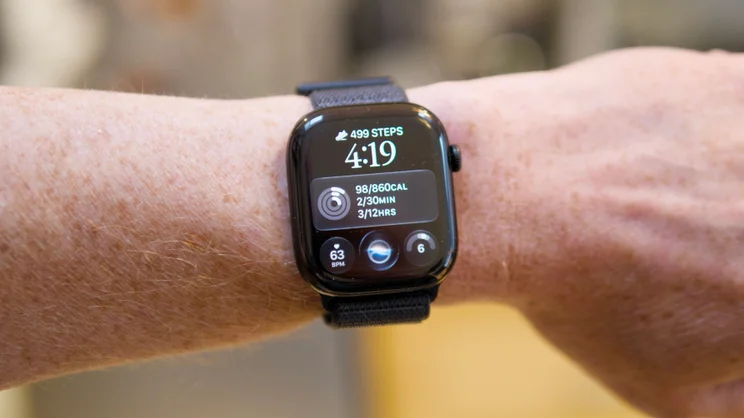
You now have the ability to put your step count in a complication for the first time, to showcase what Apple calls the most accurate step count in a wearable to date.
There’s also support for Workout Buddy when users don’t have their phone nearby, which is nice, but what I’d really like to see is the so-called “Precision start” added to all Apple Watch models.
Currently, the Workout app gives you no indication if the watch has a strong GPS or heart rate lock before you start, which isn’t ideal if you want to ensure full workout tracking from start to finish. You can do that with Precision start on the Apple Watch Ultra, so why not here?
How did I test the Apple Watch Series 12?
I’ve already mentioned that the Apple Watch Series 12 is the best heart rate monitor I’ve ever tested on any smart watch, but I wasn’t prepared for just how good it is when I first strapped it on my wrist a few weeks ago.
I tested it in the same way I do all wearables, comparing the average and max heart rate data across multiple runs with the data recorded by my Polar H10 heart rate chest belt (the same model Apple used in its study), and the total distance recorded across those same runs with the data recorded by my Stryd Gen 3 running pod.
Performance and battery life
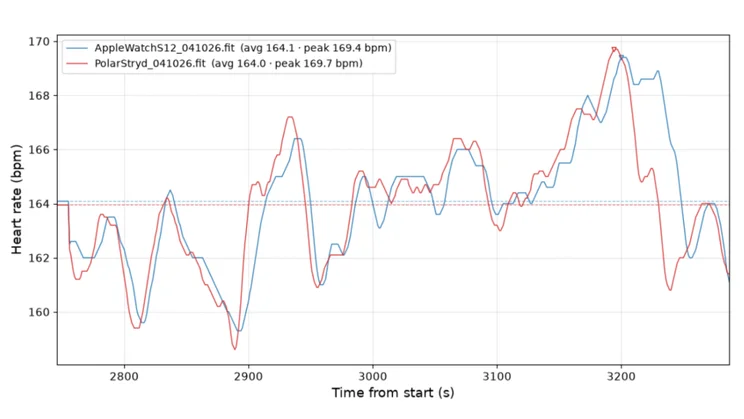
Let’s start with the heart rate data. On not one single workout I’ve so-far recorded has the Apple Watch been out by more than a single bpm on average. In fact, across seven runs and 61km, the overall average delta stands at 0.18%. For context, I’d rate anything below 2% as excellent; this is ludicrously good.
Even better, it’s also very close on heart rate peaks, normally an area where optical heart rate monitors struggle. Here, the average sits at 0.56%; another stunning result.
You can see in the chart below – a small segment from a recent half-marathon race – just how closely the Apple Watch’s recordings follow those from the Polar H10 chest belt.
What’s more, the Series 12’s GPS capabilities are just as impressive. Across those seven runs, it recorded a total distance that was, on average, a mere 1.09% different from the distance recorded by my Stryd Gen 3. That’s another very impressive result that beats most other wearables by quite some distance, although it’s not much better than the Series 11 was last year.
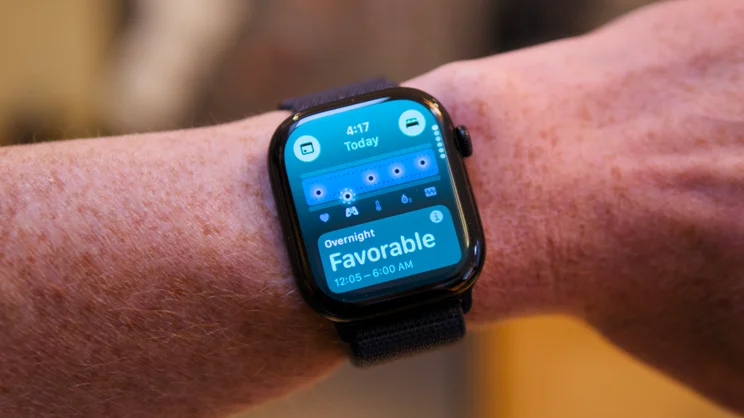
On sleep monitoring, I would say it’s slightly less impressive, but then I’ve never come across a wearable that can track my rather erratic sleep patterns in a reliable fashion.
As I’ve found with most wearables, the Series 12 often mistook my lounging on the sofa as going to bed, resulting in longer overall “sleep” durations, complete with more long awake “interruptions” than there should have been.
However, I’ve found that Apple’s readiness scores do tally pretty well with what I’d expect. After a recent half-marathon race, for instance, it gave me a score of 2 and told me to recover. Prior to the start, however, my readiness was up at 8/10 as I’d had a decent sleep and hadn’t worked out the previous day.
And battery life remains stuck firmly in the mud. Apple will point at how much smarter the Apple Watch is compared to some of its rivals (and they’d be absolutely correct in that assertion), but a quoted “24 hours of everyday battery life” is hardly enough to get the pulses racing. Maybe one year, Apple will see fit to give battery life a serious boost, but 2026 is not that year.
To be absolutely fair to the Series 12, I typically found that the battery on the 46mm model I’ve been wearing lasted a good bit longer than this, and my usage normally includes at least an hour of workout tracking. Plus, with charging improved as well, you can get up to 12 hours of use from only 15 minutes on the charging pad. That, to quote Siri, is “not too shabby”.
Verdict
Overall, I’m impressed with the Apple Watch Series 12. It may not look much different from the previous model, but from the new tougher cover glass to the super-accurate heart rate monitor and readiness score, plus innovative intelligent audio features, it’s a significant upgrade.
Battery life still disappoints, which is why I can’t give it the full Best Buy status. But if you don’t mind having to charge it every day, it’s a brilliant all-round smart watch and the best in the business.


