To help us provide you with free impartial advice, we may earn a commission if you buy through links on our site. Learn more





- Second screen is useful for selfies
- Excellent gaming performance and battery life
- Strong camera suite
- Privacy Display needs work
- CPU performance weaker than expected
- Rivals have better software support
The smartphone release schedule is all out of whack and quite frankly it’s really putting a dampener on my Black Friday cheer. The Xiaomi 18 Pro (and its Pro Max big brother) has arrived in the UK sooner than we traditionally see new Xiaomi phones – a move that both better aligns the global release with the Chinese launch, and shuffles Xiaomi that little bit closer to iPhone territory.
This means that – remarkably – we’ve got two flagship launches from Xiaomi in one year, with the Xiaomi 17 and 17 Ultra having arrived back in February. The Xiaomi 18 series builds upon its recent predecessors with a couple of key new features – the most notable of which is the unique secondary display on the rear – and emerges as one of the first flagships running on the latest Snapdragon silicon.
Is that enough to justify this accelerated timeline? Let’s unpack and find out.
What you need to know
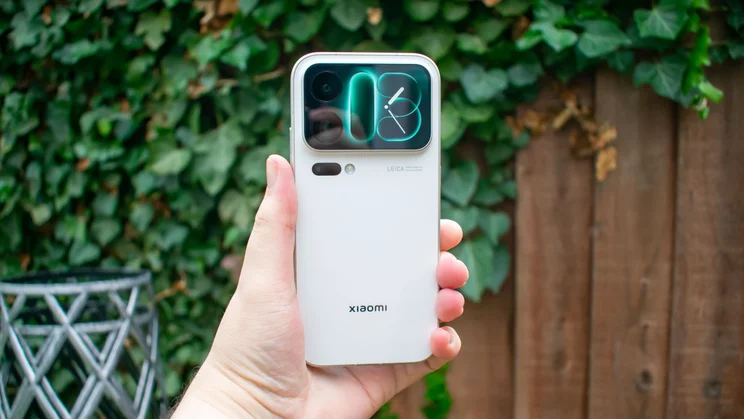
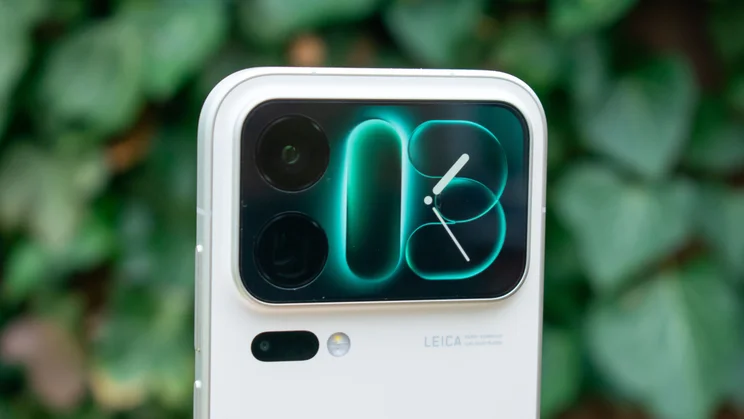
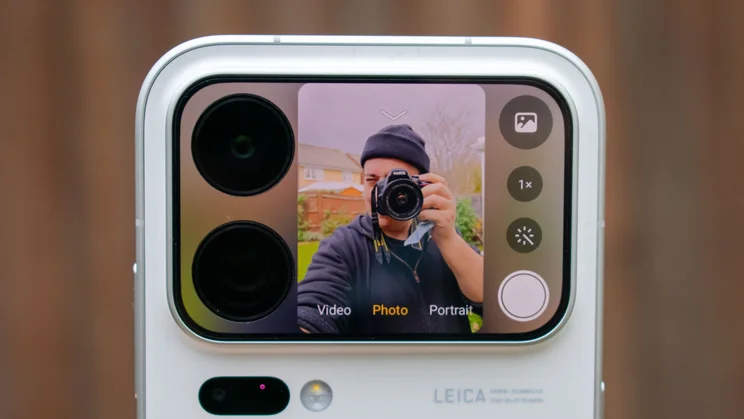
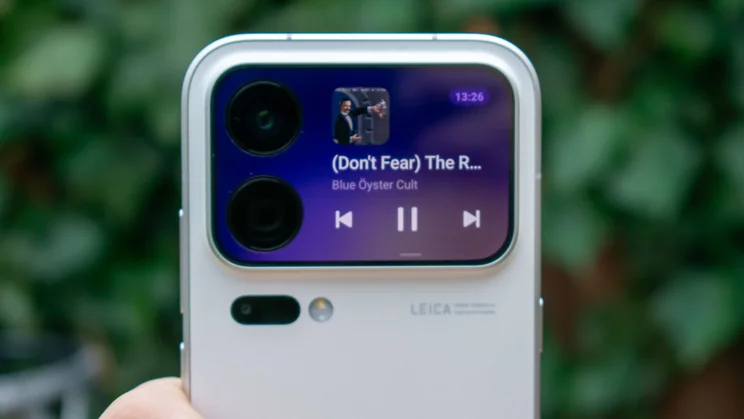
Just like the Xiaomi 18 Pro Max, the 18 Pro debuts Xiaomi’s new rear screen – for us globally, at least, as the China-only Xiaomi 17 Pro Max also had one. This display works roughly like the cover screen on flip phones like the Motorola Razr 70 Ultra, wrapping around the two main cameras and offering simple functions like interactive widgets, showing the time and, best of all, acting as a viewfinder for taking selfies with the rear cameras.
Speaking of which, the two lenses that sit on the raised, iPhone-like plateau with the rear screen are the main shooter and the 3.2x telephoto, and both are fitted with 200-megapixel sensors. The third rear camera, the 50-megapixel ultrawide, is relegated to a slightly annoying position just below the plateau, next to the flash, and there’s a 50-megapixel selfie camera around front.
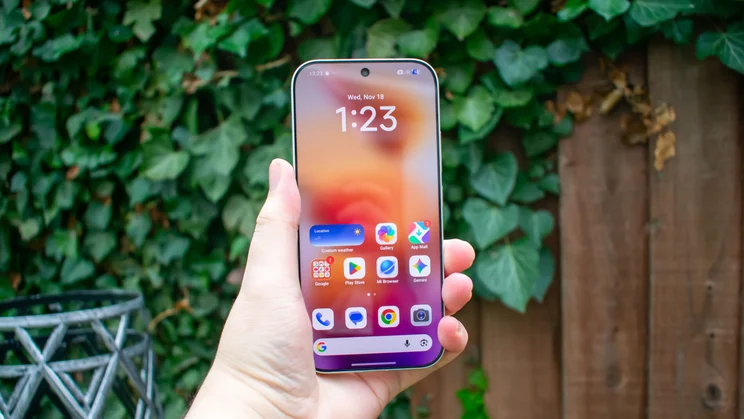
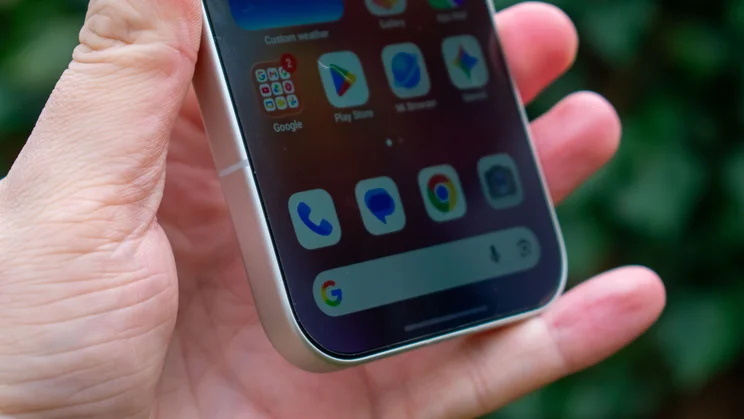
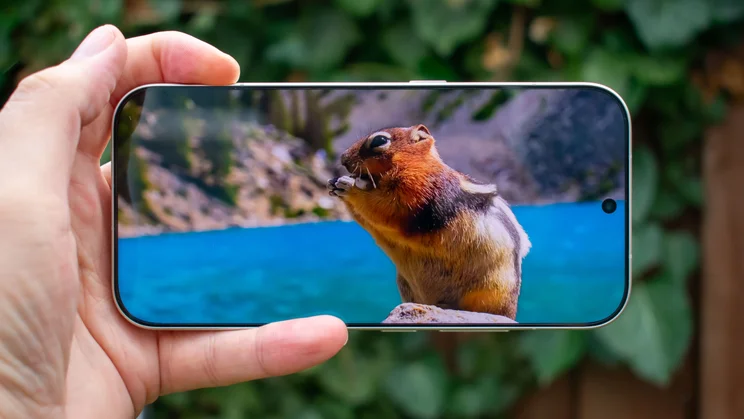
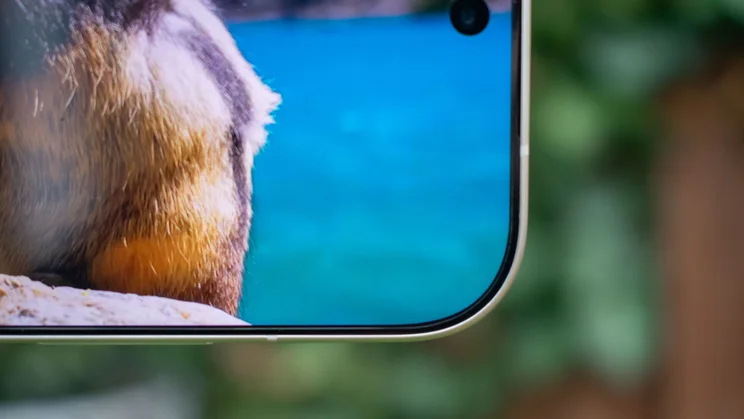
The main display is a 6.4in AMOLED screen with razor-thin 0.99mm bezels on all four sides. The resolution is 2,436 x 1,120 and the LTPO refresh rate can adjust dynamically between 1 and 120Hz. Following in the footsteps of the Samsung Galaxy S26 Ultra earlier this year, the display also features a privacy screen setting, which obscures the view from the sides to protect your chats, passwords and more from prying eyes.
Inside, the Xiaomi 18 Pro runs on the new Snapdragon 8 Elite Gen 6 chipset, clocked up to 5GHz and backed by 12GB of RAM and either 256GB or 512GB of storage. The battery is a 6,000mAh cell that supports wired charging up to 90W and wireless up to 50W.
Price and competition
It’s been a hell of a nine or so months between Xiaomi flagship launches, and things have changed quite dramatically. A global and seemingly never-ending shortage of key components (driven by AI data farms guzzling them up like they’re precious fresh water) has led to something of an affordability crisis in phone town.
The Xiaomi 18 Pro starts at £1,199 for the 256GB model, with the 512GB variant going for an astounding £1,399. These prices are both £200 less than the Pro Max model and, unsurprisingly, exactly the same as the iPhone 18 Pro.
We’ll have to wait until next year to see what Samsung’s 2027 flagships end up costing but as things stand at the moment, you can get the 256GB Galaxy S26 Ultra for £1,049. Other recent Android phones are more expensive, however, with the Oppo Find X10 Pro Max starting at £1,399 and the upcoming Motorola Signature 27 costing £1,300.
Design and key features
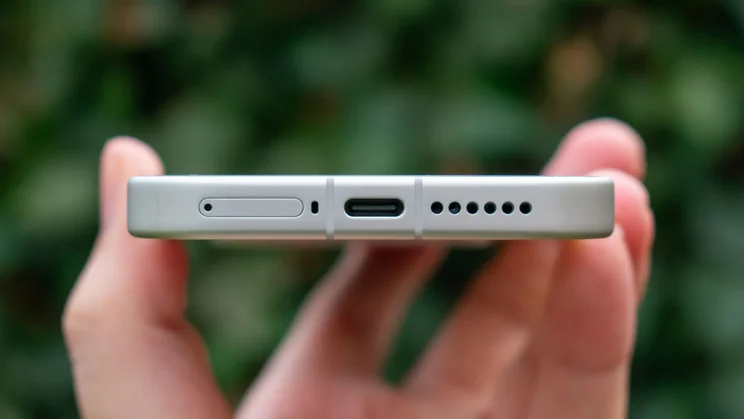
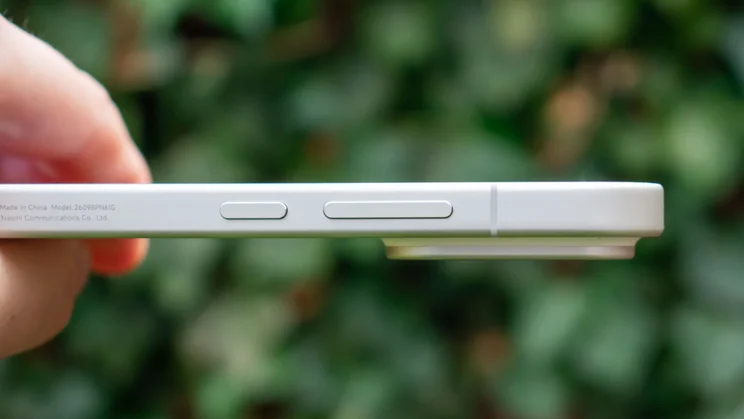
The Xiaomi 18 Pro is a decently built, vaguely compact flagship, with the solid aluminium chassis measuring 72 x 8.6 x 152mm (WDH) and weighing 198g. My review model came in the stark white colourway but you can get a vibrant pop of colour with the lush Velvet Red or the speckled Cosmic Blue models, and there’s a standard black option, too.
The IP68 dust and water resistance is suitably robust for a phone of this price, though some rivals go that tiny bit further with IP69 certification. The difference only accounts for protection against high-pressure, high-temperature jets of water, which likely aren’t a daily threat for most of us, but with this kind of money on the table, it’s not unreasonable to expect the best in every corner.
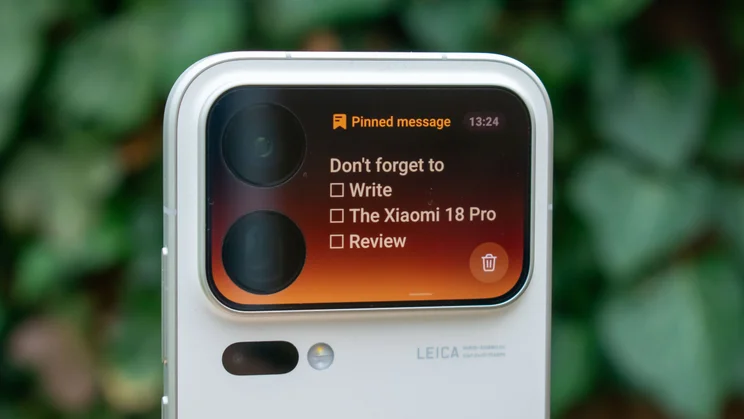
It’s once again very iPhone-influenced in its design, with the flat edges and rear and a raised camera plateau. The difference is that this plateau also houses the new secondary display, a 2.7in AMOLED panel that displays things like the time, notifications and alarms. With it, you can swipe up to see a calendar and upcoming events, swipe down to view pinned messages, and swipe right to open the camera and use the display as a viewfinder.
It’s quite rudimentary at the moment, and there’s room for improvement. You can’t interact with pinned messages, for example, which just makes me pine for a dedicated notes widget that allows you to tick off a to-do list. The best use by far is the camera, which allows you to take higher-quality selfies with the rear cameras – just line up the shot and show your open palm to the camera and it’ll start a three-second timer then snap the photo.
The only thing that I dislike about this second display plateau is that it now places the ultrawide camera further down the phone, right where I often place a bracing finger when holding the phone. Several times throughout testing, I went to take an ultrawide photo only to be told that the lens was dirty with fingerprint smudges. It’s not the biggest deal in the world but still annoying enough to mention.
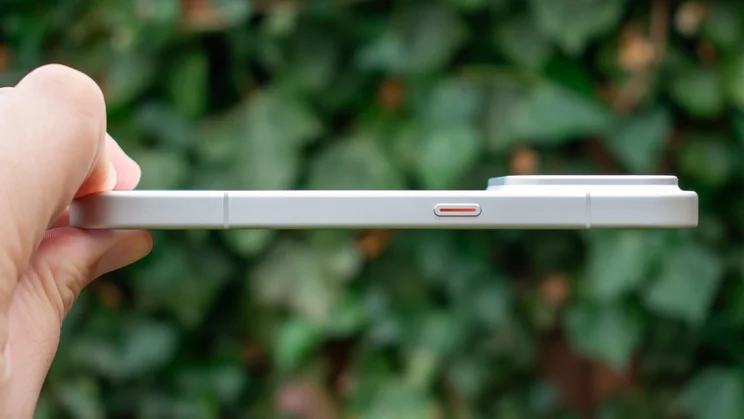
The final feature to mention is the new AI button, high up on the left edge, similar to the Oppo Find X10 Pro Max. By default, pressing this will initiate the AI translation feature and holding it down will record a voice note, but you can also set it to toggle the privacy display, enable Do Not Disturb mode, or put the phone on silent. Unfortunately, you can’t make it a torch toggle, which is my favourite use for the button on Oppo phones.
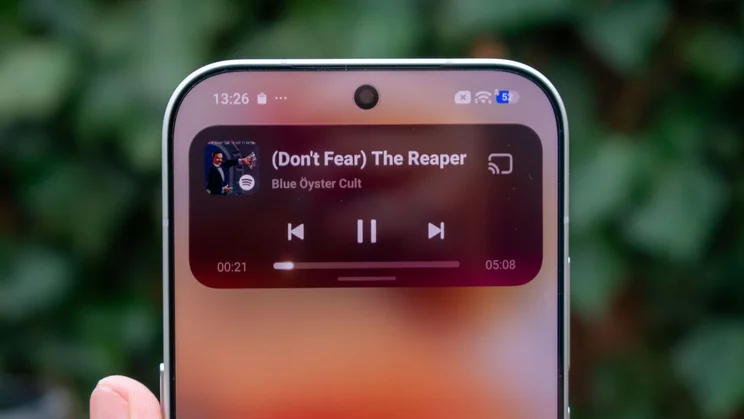
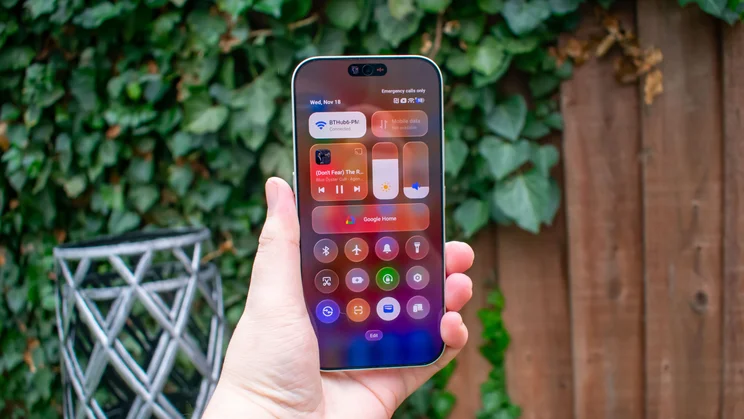
The software is Xiaomi’s latest HyperOS 4.0, built on Android 17, and here we see yet another leaf pilfered from Apple’s book, with the semi-transparent “Soft Glass” bubble look that’s peppered all over the menus, icons and folders. It’s a decent enough imitation of Apple’s Liquid Glass UI, but even with this new makeover, HyperOS is difficult to love.
The OS is cluttered with fussy menus and an excess of preinstalled bloatware, and generally spends more time trying to be iOS than it does competing with the best implementations of Android. Support still doesn’t match the best in this price range, either; Xiaomi has pledged five years of OS updates and six of security patches, but rivals like Samsung, Google, Honor and Motorola give their flagships seven years of both.
Display
Using a colourimeter and the default Original Colour Pro colour setting, I recorded an sRGB gamut coverage of 98% against a volume of 101.1%, and the average Delta E colour variance score came back at just 1.01. I’m looking for 1 or under here so that’s just about perfect colour accuracy.
Brightness proved solid, too. In manual mode, I recorded a peak of 609cd/m2, while switching to adaptive brightness and shining a torch on the light sensor pushed it up to 1,049cd/m2. Best of all was when it was displaying HDR content, where I recorded an excellent peak of 1,912cd/m2.
The new Privacy Display also manages to maintain a little more brightness than the Samsung Galaxy S26 Ultra’s version did, with a peak of around 390cd/m2 with the full-screen filter applied. The downside to this is I don’t think that this privacy screen is as effective as Samsung’s, with more of the display viewable from the sides, particularly at higher brightness levels.
Performance and battery life
The Xiaomi 18 Pro is the first phone I’m testing that utilises the new Snapdragon 8 Elite Gen 6 chipset, so I wasn’t sure what to expect. As it turns out, I was better off keeping expectations in check, because the 18 Pro didn’t outperform older phones using the 8 Elite Gen 5.
Interestingly, Jon Mundy had a similar experience with the Xiaomi 18 Pro Max and its Snapdragon 8 Elite Extreme Gen 6 chipset, so it’s looking likely that Xiaomi hasn’t quite nailed the optimisation just yet.
This means that the Xiaomi 18 Pro doesn’t outstrip the likes of the iPhone 18 Pro, Samsung Galaxy S26 Ultra or even the Xiaomi 17 from earlier this year. Performance is still excellent, make no mistake, and you’ll struggle to give this phone a task that it won’t breeze through without breaking a sweat, it’s just a little disappointing to see the Xiaomi 18 Pro outperformed by older and cheaper phones.
Where this new hardware shows its quality, however, is on the gaming side of things. Running the Geekbench 6 Vulkan GPU test, the Xiaomi 18 Pro delivered one of the strongest results I’ve ever recorded, roughly matching the more expensive Oppo Find X10 Pro Max.
The 6,000mAh battery would have sounded massive just a couple of years ago but, with many manufacturers using Si-Ca batteries that often exceed 7,000mAh in capacity, this is actually one of the more modest batteries I’ve seen from a flagship this year.
With that being said, the power efficiency is clearly on point with the Xiaomi 18 Pro, as it still managed to deliver one of the strongest results of the year in my standard looping video battery test. It ran for a total of 35hrs 54mins, which is a little over an hour better than the Xiaomi 17 and only half an hour shy of the Xiaomi 18 Pro Max and its higher-capacity 7,050mAh battery.
Charging is decently nippy, too, bringing the battery from empty to 50% in 25 minutes in my testing, with a full charge taking around 1hr 10mins.
Cameras
The biggest coup of the Xiaomi 18 Pro is that it’s fitted with near-enough the exact same suite of cameras as its Pro Max sibling – in my opinion, this is also the strongest reason to consider buying one over the bigger, more expensive model.
The main camera is a 200-megapixel shooter with an f/1.7 aperture, optical image stabilisation (OIS) and phase detection autofocus (PDAF). The only thing that it’s lacking – and the sole difference between the 18 Pro’s cameras and the Pro Max’s – is a LOFIC sensor, which is designed to reduce overexposure in high-contrast scenes.
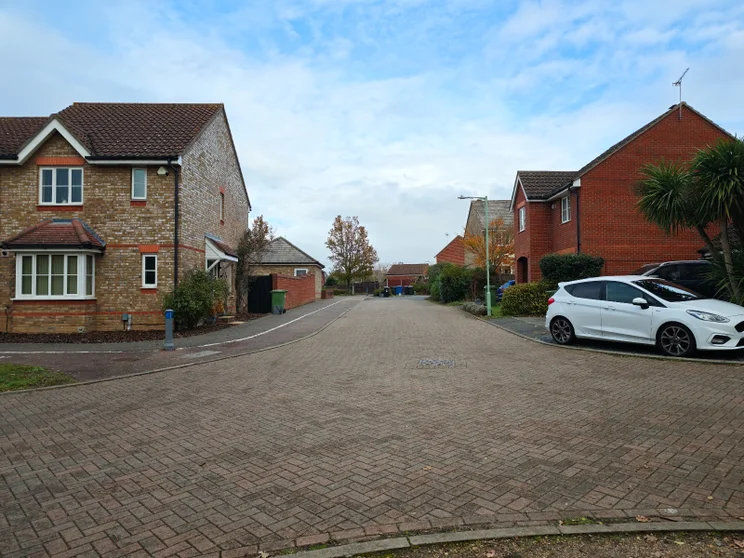
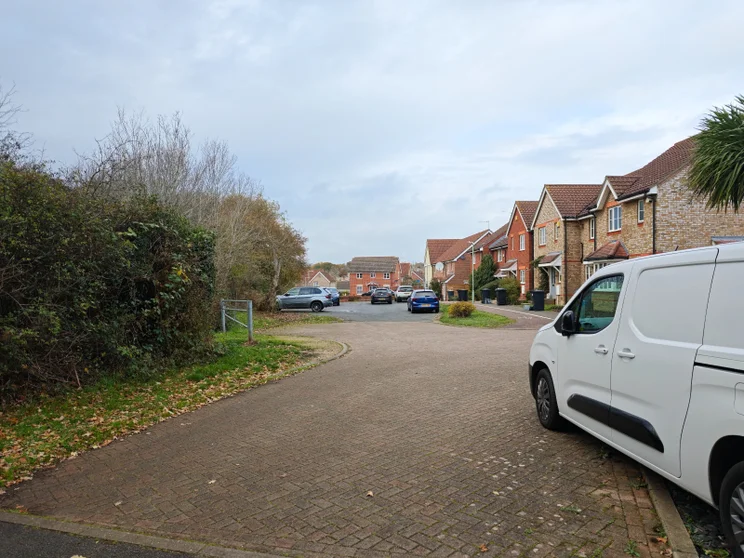
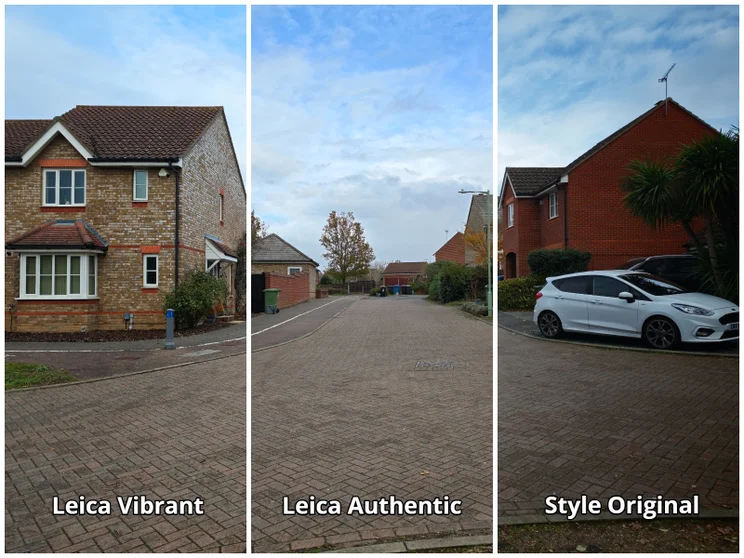
I tested this out in particularly tricky weather, with a bright white wintry sky, and sure enough, the highlights were a little dominating in places, losing some of the greater definition in the clouds, but it’s far from enough of a distinction to fork out more for the Pro Max. Shots with the 18 Pro are still gorgeously rendered, with crisp detail and nicely natural colours.
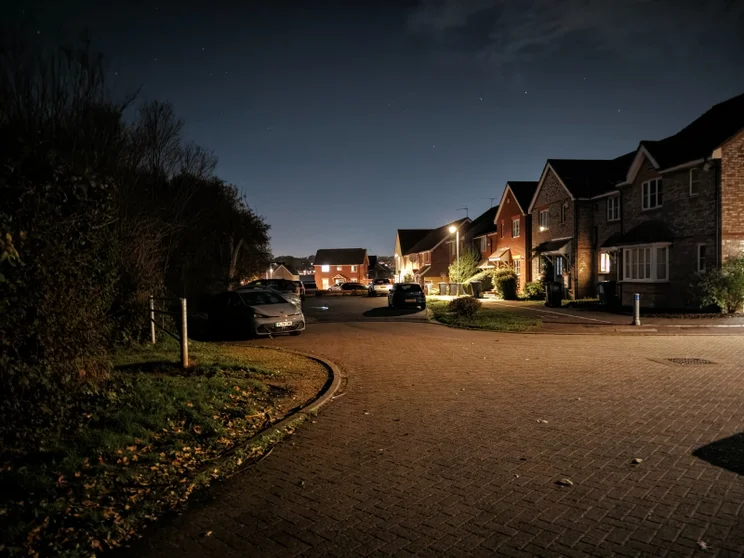
Night photography keeps that colouring well, and detail is mostly sharp, too, though some of the darker areas start to get a bit blurry.
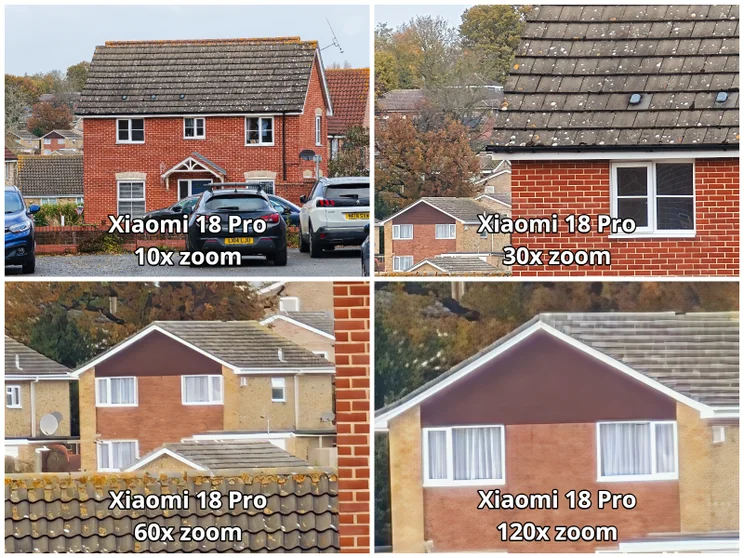
The 200-megapixel (f/2.4) telephoto is, unsurprisingly, a brilliant shooter for detailed macro shots, capturing a terrific level of detail at both the native 3.2x magnification and 6.4x.
The zoom extends all the way up to 120x but quality drops off quite dramatically by that point. For the best results, stick to 30x and under.
The 50-megapixel (f/2.4) ultrawide is something of a mixed bag. On the one hand, the images produced are rather good, with nicely sharp detail and a colour tone that’s consistent with the main camera. The 102° field of view is one of the narrowest of any ultrawide camera I’ve ever tested, however, with most rivals landing somewhere in the region of 120°.
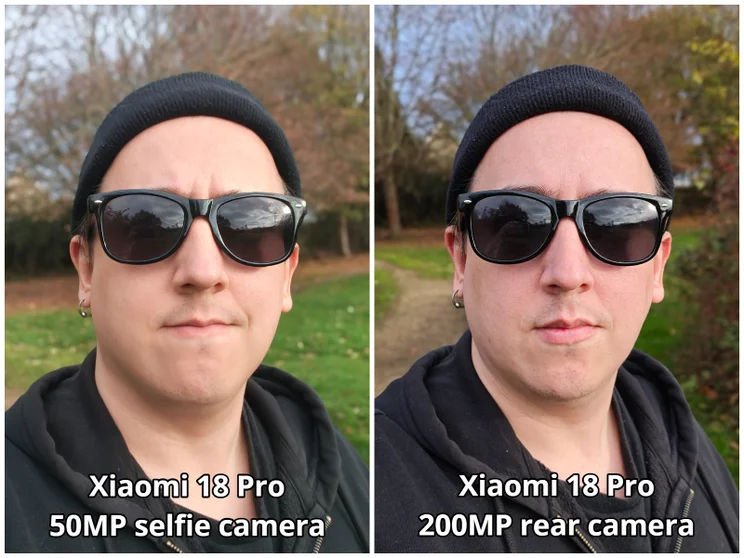
I found the 50-megapixel (f/2.2) selfie camera to be solid, too, but as mentioned above, there’s greater incentive to utilise the rear display and take stronger selfies with the main camera. It’s a bit more fiddly, so not as appealing for spontaneity, but you can see below that the level of detail is stronger, skin tones are more natural and the highlights are less overbearing.
Rounding out the cameras is video that records up to 4K at 120fps or 8K at 30fps, with options for shooting in 10-bit Dolby Vision HDR or LOG format for more precise colour control in editing. It’s a broad and versatile suite that competes with the very best in the business.

Verdict
The end result here is that, unless you’re desperate for the massive main display, there are very few reasons to buy the Xiaomi 18 Pro Max when the 18 Pro matches it beat-for-beat in most key areas. The cameras are outstanding, performance and battery life are both very strong – albeit not class-leading on either phone – and the new rear display is effective and useful enough to be worth including.
The Privacy Display isn’t the best I’ve used but it’s still good enough that those who want the feature should consider the Xiaomi 18 Pro, especially as it’s the first iteration available in a more compact phone. I wish software support was that little bit stronger, and the software itself were slightly cleaner, but otherwise, the Xiaomi 18 Pro is a distinct and powerful flagship that’s setting a high standard ahead of 2027.